
Navigating the stock market can appear daunting, yet it remains one of the most powerful avenues for wealth creation and financial growth. For both novice and seasoned investors, the fundamental question persists: where exactly should one allocate capital to achieve their financial objectives? The answer is multifaceted, hinging on individual financial goals, risk tolerance, time horizon, and a clear understanding of the various investment vehicles available.
Understanding Your Investment Philosophy and Goals
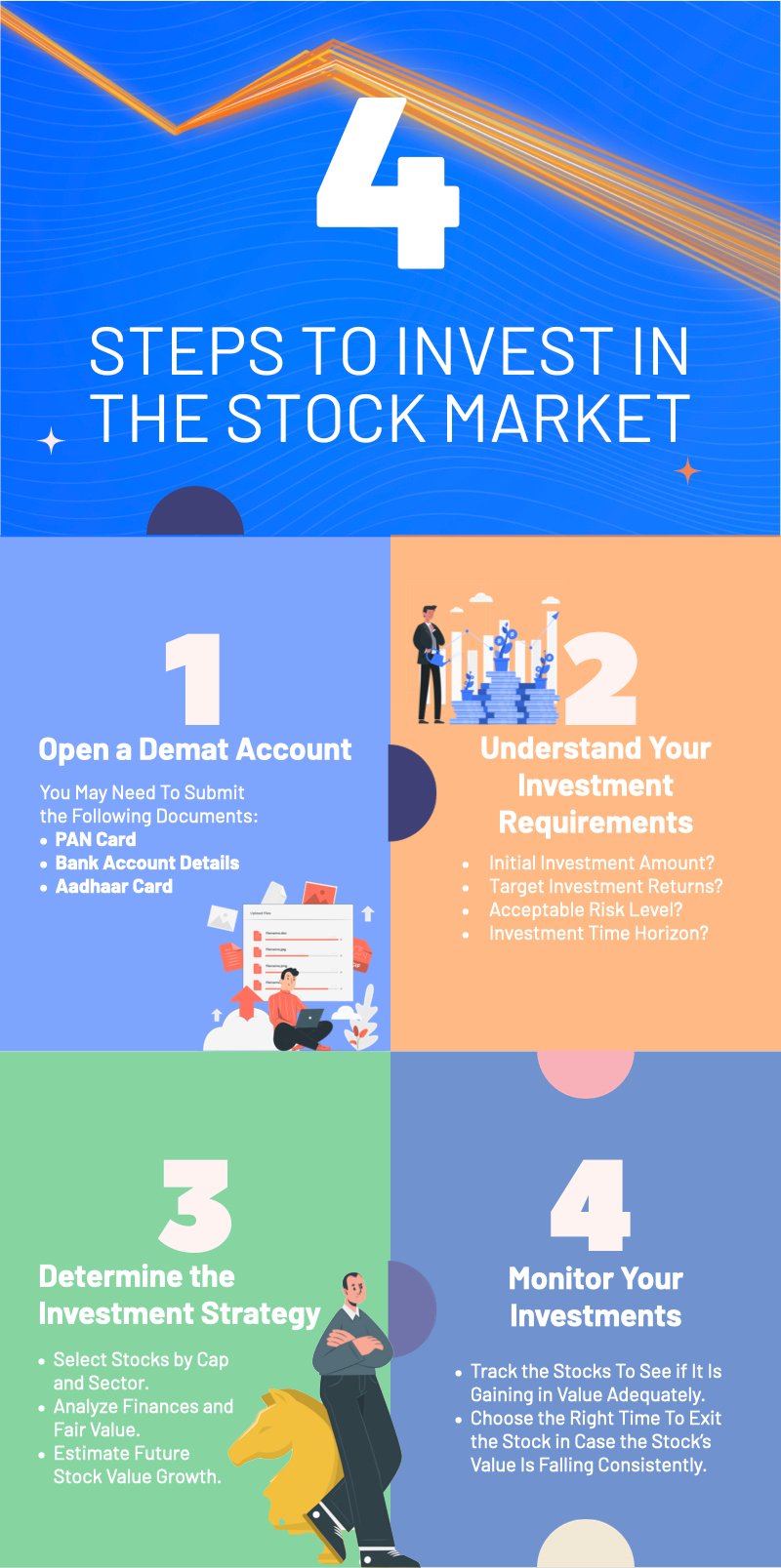
Before identifying specific investment avenues, it is crucial to define your personal investment philosophy and articulate clear financial goals. This foundational step dictates the strategies and instruments best suited for your portfolio.
Defining Your Objectives
Are you investing for long-term retirement planning, a down payment on a home, a child’s education, or short-term capital appreciation? Each objective suggests a different approach to risk, liquidity, and expected returns. Long-term goals generally allow for greater risk tolerance and exposure to growth-oriented assets, while shorter-term goals often necessitate a more conservative stance.
Assessing Your Risk Tolerance
Your comfort level with market fluctuations is paramount. Are you prepared to weather significant downturns for the potential of higher long-term gains, or do you prefer more stable, albeit potentially lower-yielding, investments? Understanding your risk tolerance prevents emotional decision-making during volatile periods and helps maintain a consistent investment strategy. A high-risk tolerance might lead you towards individual growth stocks or emerging markets, while a low-risk tolerance might favor dividend-paying stocks, broad market index funds, or bonds (though the latter is outside the direct scope of “stock market” investing, it’s relevant for asset allocation).
Growth vs. Value Investing
These are two primary schools of thought in stock selection.
- Growth Investing: Focuses on companies expected to grow at an above-average rate compared to the market. These companies often reinvest profits back into the business, may not pay dividends, and can have higher price-to-earnings (P/E) ratios. Investors in growth stocks seek capital appreciation. Examples often include technology or innovative healthcare companies.
- Value Investing: Involves identifying companies whose stock prices appear to be trading below their intrinsic value. These companies often have strong fundamentals, may pay dividends, and are considered “undervalued” by the market. Value investors seek to profit when the market eventually recognizes the true worth of these companies. Classic examples might be established industrial companies or mature consumer goods brands.
Income Generation: The Appeal of Dividends
For investors seeking regular income from their investments, dividend stocks present an attractive option. These are shares of companies that distribute a portion of their earnings to shareholders, typically on a quarterly basis. Dividend-paying companies are often mature, stable businesses with predictable cash flows. Reinvesting these dividends can significantly boost long-term returns through compounding.
Diversification: The Cornerstone of Prudent Investing
Regardless of your chosen philosophy, diversification is critical. It involves spreading your investments across various assets, industries, and geographies to mitigate risk. The adage “don’t put all your eggs in one basket” is particularly pertinent in the stock market.
Asset Allocation Across Sectors
The stock market is comprised of numerous sectors, each with its own economic drivers and sensitivities. These include technology, healthcare, financials, consumer discretionary, consumer staples, energy, industrials, materials, utilities, real estate, and communication services. Allocating investments across several sectors reduces the impact of a downturn in any single industry. For example, during an economic recession, consumer staples might outperform discretionary sectors as people prioritize essential goods.
Geographical Diversification
Investing solely in your home country’s stock market exposes you to country-specific risks. Expanding your investments to international markets, including developed markets (e.g., Europe, Japan) and emerging markets (e.g., China, India, Brazil), can provide additional diversification benefits and access to different growth drivers. However, international investing also introduces currency risk and geopolitical considerations.
The Role of Index Funds and ETFs
For many investors, especially those without the time or expertise for individual stock picking, broad market index funds and Exchange-Traded Funds (ETFs) offer an excellent path to diversification.
- Index Funds: These are mutual funds that passively track a specific market index, such as the S&P 500 (representing 500 large U.S. companies) or the MSCI World Index. By investing in an S&P 500 index fund, you gain exposure to a broad swath of the U.S. economy with a single investment.
- ETFs: Similar to index funds, ETFs are collections of stocks (or other assets) that trade like individual stocks on an exchange. They can track specific indexes, sectors, commodities, or bonds. ETFs often have lower expense ratios than actively managed mutual funds and offer greater trading flexibility. They are an incredibly versatile tool for achieving diversification across almost any market segment or strategy.
Navigating Different Investment Vehicles
Once your philosophy and diversification strategy are in place, the next step is selecting the appropriate investment vehicles.
Individual Stocks: Research and Due Diligence
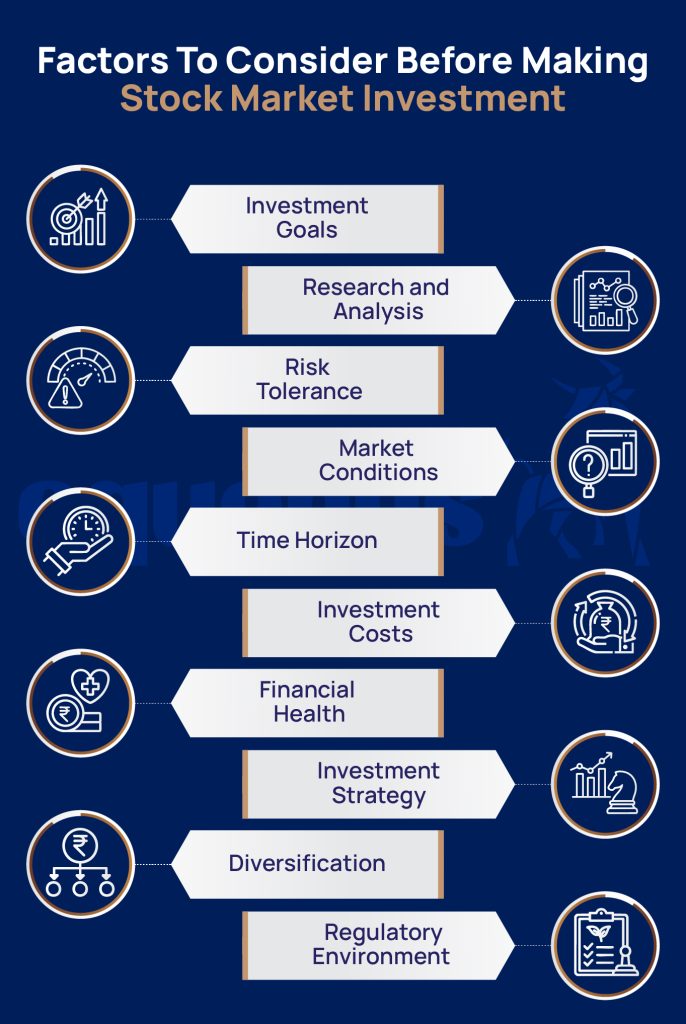
Investing in individual stocks offers the potential for higher returns if you pick successful companies, but it also carries higher risk. It requires thorough research into a company’s financial health, management team, competitive landscape, growth prospects, and valuation. This approach is best suited for investors who are willing to dedicate significant time and effort to analysis or who seek specific exposure to companies they believe in.
Mutual Funds: Professional Management and Diversification
Actively managed mutual funds pool money from many investors to buy a diversified portfolio of stocks (or other securities) managed by professional fund managers. They offer diversification and expert management, but typically come with higher expense ratios and potential sales loads compared to passive index funds or ETFs. While some active funds consistently outperform their benchmarks, many do not, making careful selection crucial.
Exchange-Traded Funds (ETFs): Flexibility and Cost-Efficiency
As mentioned, ETFs are popular for their low costs, liquidity, and ability to track a wide range of indexes, sectors, or themes. They are an excellent choice for building a diversified core portfolio, allowing investors to gain exposure to broad markets (e.g., total stock market ETFs), specific sectors (e.g., technology ETFs), or even particular investment styles (e.g., value ETFs).
Robo-Advisors: Automated and Accessible Investing
For those seeking a hands-off approach, robo-advisors offer automated, algorithm-driven financial planning services. You answer a series of questions about your financial goals and risk tolerance, and the robo-advisor constructs and manages a diversified portfolio of low-cost ETFs. This option is particularly appealing for new investors or those with smaller account balances, offering professional asset allocation and rebalancing at a fraction of the cost of traditional financial advisors.
Key Considerations for Long-Term Success
Investing in the stock market is a marathon, not a sprint. Several enduring principles contribute to long-term success.
Compounding and Time Horizon
The power of compounding is arguably the greatest force in investing. Reinvesting returns over extended periods allows your earnings to generate further earnings, leading to exponential growth. The longer your investment horizon, the more pronounced the effect of compounding. Starting early, even with modest amounts, can yield significantly larger results than starting later with larger contributions.
Cost Management: Fees and Expenses
Every fee, no matter how small, erodes your returns. Be vigilant about expense ratios on mutual funds and ETFs, trading commissions, and advisory fees. Over decades, seemingly minor fees can subtract tens of thousands from your potential wealth. Opting for low-cost index funds and ETFs is often a smart strategy.
Emotional Discipline and Market Volatility
The stock market is inherently volatile, with periods of rapid growth followed by corrections or crashes. Successful long-term investors maintain emotional discipline, avoiding impulsive decisions driven by fear during downturns or greed during speculative booms. Sticking to a well-researched investment plan, even when market conditions are challenging, is crucial.
Regular Rebalancing
Over time, different asset classes in your portfolio will perform differently, causing your original asset allocation to drift. Rebalancing involves periodically adjusting your portfolio back to its target allocations. For example, if stocks have performed exceptionally well, you might sell some stock holdings and buy more of your underperforming assets (e.g., bonds if part of your allocation) to restore your desired risk level. This disciplined approach ensures your portfolio remains aligned with your risk tolerance and financial goals.
Current Market Trends and Opportunities
While specific stock picks are beyond the scope of general investment advice, understanding broader market trends can inform your sector and geographical allocations.
The Resilience of Established Sectors
Certain sectors, such as consumer staples, healthcare, and utilities, often demonstrate resilience during economic uncertainties due to the essential nature of their products and services. These can provide stability and, often, consistent dividends.
Growth in Technology and Innovation
The technology sector continues to be a powerful driver of growth, with ongoing innovation in areas like artificial intelligence, cloud computing, cybersecurity, and renewable energy. Investors can gain exposure through diversified tech ETFs or by carefully researching individual companies at the forefront of these trends.
Emerging Markets Potential
Developing economies in Asia, Latin America, and Africa offer significant long-term growth potential due to expanding middle classes, urbanization, and technological adoption. However, they also come with higher volatility and geopolitical risks, making a diversified approach through emerging market ETFs often preferable.
Sustainable and ESG Investing
A growing trend is investing in companies that adhere to Environmental, Social, and Governance (ESG) principles. Investors increasingly seek to align their portfolios with their values, supporting companies that demonstrate strong sustainability practices, ethical labor, and transparent governance. ESG-focused ETFs and mutual funds are widely available, allowing investors to participate in this trend.
Ultimately, where you invest in the stock market depends on your unique financial blueprint. A disciplined approach, combining thoughtful goal setting, risk assessment, broad diversification, cost awareness, and emotional resilience, forms the bedrock of successful long-term investing.
aViewFromTheCave is a participant in the Amazon Services LLC Associates Program, an affiliate advertising program designed to provide a means for sites to earn advertising fees by advertising and linking to Amazon.com. Amazon, the Amazon logo, AmazonSupply, and the AmazonSupply logo are trademarks of Amazon.com, Inc. or its affiliates. As an Amazon Associate we earn affiliate commissions from qualifying purchases.