
The landscape of the financial markets has undergone a radical transformation over the past decade. What was once the exclusive domain of floor traders and high-net-worth individuals with personal stockbrokers is now accessible to anyone with a smartphone and an internet connection. However, the sheer volume of options available to modern investors can be overwhelming. Knowing where to go to buy stocks is no longer just a question of finding a broker; it is about selecting an ecosystem that aligns with your financial goals, risk tolerance, and level of expertise.
To navigate this terrain, one must understand that “where” you buy stocks dictates the tools at your disposal, the fees you pay, and the level of security protecting your capital. Whether you are a long-term value investor, a dividend seeker, or an active day trader, the platform you choose serves as the foundation of your wealth-building journey.
Navigating the Landscape of Online Brokerages
The primary destination for buying stocks today is the online brokerage. These firms act as intermediaries between individual investors and the stock exchanges (like the NYSE or NASDAQ). Within the world of online brokerages, there is a distinct divide between “legacy” firms and “disruptor” platforms.
Full-Service and Discount Brokerages
Traditional powerhouses such as Fidelity Investments, Charles Schwab, and Vanguard represent the gold standard for many investors. These institutions have transitioned from high-commission models to offering zero-commission trades on most U.S. stocks and ETFs. Choosing a legacy broker often provides a level of stability and a breadth of services that newer apps struggle to match.
Fidelity and Schwab, for example, offer extensive research reports from third-party analysts, advanced charting software, and the ability to speak with a human financial advisor. They are ideal for investors who want a “one-stop shop” for their financial life, including checking accounts, credit cards, and mortgage services alongside their investment portfolio. Furthermore, these platforms are often preferred by those managing large sums of money due to their robust infrastructure and long-standing reputations.
The Rise of Mobile-First Trading Apps
On the other side of the spectrum are mobile-first platforms like Robinhood and Webull. These apps revolutionized the industry by introducing commission-free trading to the masses and simplifying the user interface. For a new investor, the “where” is often dictated by ease of use. These platforms excel at making the process of buying a stock as simple as ordering a pizza.
However, convenience often comes with trade-offs. While mobile-first apps are excellent for quick executions and younger demographics, they may lack the deep fundamental data and comprehensive tax-planning tools found at larger institutions. When deciding to buy stocks through these apps, investors must be mindful of how their orders are executed—specifically through mechanisms like Payment for Order Flow (PFOF), which has become a point of contention regarding execution quality.
Specialized Trading Platforms and Global Access
For some, the standard “buy and hold” strategy is not the objective. Active traders and those looking for international exposure require specialized venues that offer more than just a simple “buy” button.
Interactive Brokers for the Global Investor
If you are looking for where to go to buy stocks listed on international exchanges—such as the London Stock Exchange or the Tokyo Stock Exchange—Interactive Brokers (IBKR) is frequently the top choice. Unlike many domestic-focused brokers, IBKR provides access to over 150 markets worldwide. This is a critical consideration for investors who want to diversify their currency exposure and tap into emerging market growth.
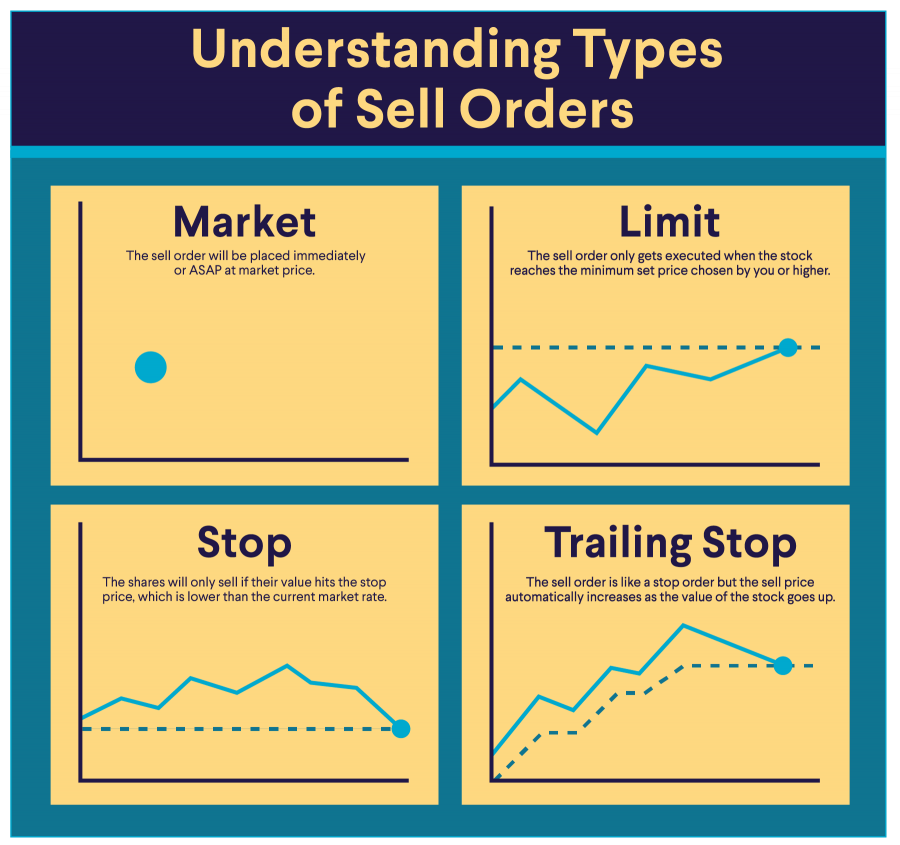
IBKR is also the preferred destination for “prosumers”—investors who aren’t quite institutional but require professional-grade tools. Their platform offers lower margin rates (the cost of borrowing money to buy stocks) and sophisticated order types that can help minimize price slippage during volatile market hours.
Niche Platforms for Social and Fractional Investing
Innovation has led to the rise of platforms like Public.com and M1 Finance. Public.com incorporates a social layer, allowing users to follow the portfolios of experienced investors and engage in community discussions. This “where” is less about technical analysis and more about collaborative learning.
M1 Finance offers a unique “pie-based” investing approach. Instead of buying individual shares, you create a “pie” of various stocks and ETFs. When you deposit money, the platform automatically distributes it across your holdings to maintain your target percentages. This is an excellent middle ground for those who want to pick their own stocks but desire the automation of a robo-advisor.
Alternative Avenues: Direct Purchase and Retirement Accounts
Buying stocks does not always happen through a traditional brokerage interface. Depending on your tax strategy and your relationship with specific companies, there are alternative paths to ownership.
Direct Stock Purchase Plans (DSPPs)
Many large, blue-chip corporations allow investors to bypass brokers entirely through Direct Stock Purchase Plans (DSPPs). Companies like Coca-Cola or Walmart often have programs managed by transfer agents (such as Computershare).
The primary advantage of a DSPP is the ability to invest small amounts of money at regular intervals directly from your bank account. Many of these plans also feature Dividend Reinvestment Plans (DRIPs), which automatically use your quarterly dividends to purchase more shares, often at a slight discount and without commission fees. This is a “slow and steady” approach favored by long-term compounding enthusiasts.
Employer-Sponsored Plans and IRAs
For many individuals, the first place they go to buy stocks is their employer’s 401(k) or 403(b) plan. While these plans typically offer a curated list of mutual funds rather than individual stocks, many now include a “brokerage window” option (such as Schwab’s Personal Choice Retirement Account). This allows employees to move a portion of their retirement savings into a broader market to buy individual stocks while maintaining the tax-advantaged status of the account.
If your employer does not offer a plan, opening an Individual Retirement Account (IRA) at any major brokerage is a vital step. Buying stocks within a Roth IRA, for instance, allows your investments to grow tax-free, provided you meet the distribution requirements. When considering where to buy, the tax implications of the account type are often more important than the platform’s user interface.
Critical Criteria for Selecting Your Trading Venue
Once you know the types of places available, you must evaluate them based on specific financial criteria. Not all platforms are created equal, and the “best” place is subjective to your specific needs.
Fee Structures and Hidden Costs
While “zero commission” is the industry standard for U.S. stocks, investors must look deeper. Are there inactivity fees? What is the interest rate on uninvested cash? Some brokers, like Fidelity, offer higher yields on the cash sitting in your account, which can add up over time. Others might charge high fees for wire transfers or paper statements. Understanding the total cost of ownership is essential before committing your capital.
Security, Regulation, and Insurance
The security of your funds is non-negotiable. Ensure that any platform you choose is a member of the Securities Investor Protection Corporation (SIPC). This protects customers up to $500,000 (including a $250,000 limit for cash) if the brokerage firm fails. Additionally, look for firms regulated by the Securities and Exchange Commission (SEC) and the Financial Industry Regulatory Authority (FINRA).
In the digital age, cybersecurity features such as two-factor authentication (2FA) and biometric logins are also vital indicators of a safe place to buy stocks. High-profile data breaches in the fintech space serve as a reminder that the digital “vault” must be as secure as a physical one.
Research and Educational Resources
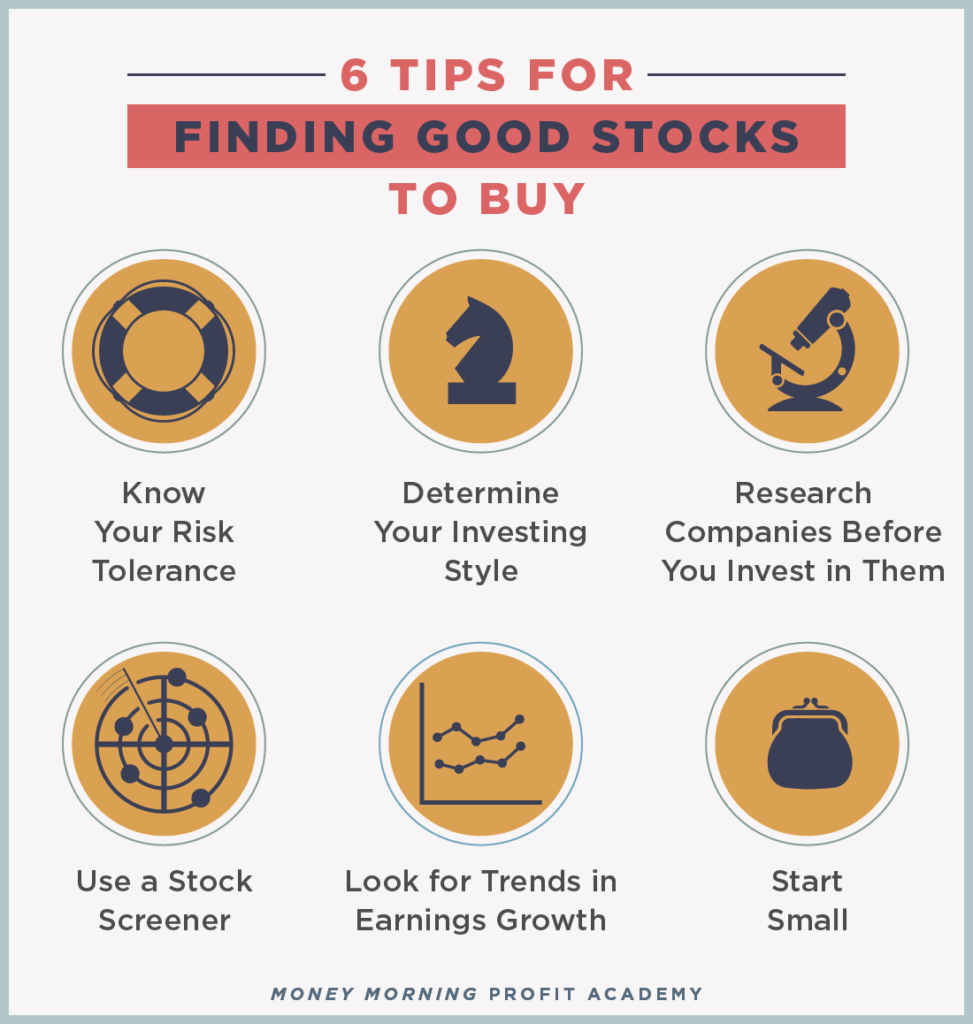
For the self-directed investor, the quality of information provided by the platform is a major differentiator. Some brokers provide free access to premium research from Morningstar, CFRA, or Reuters. Others offer educational “universities” that teach the basics of fundamental and technical analysis. If you are a beginner, going to a platform that prioritizes education can prevent costly mistakes.
The Final Steps to Opening an Account
After identifying where you want to buy stocks, the process of getting started is relatively streamlined but requires specific documentation. Due to “Know Your Customer” (KYC) and Anti-Money Laundering (AML) regulations, you will need to provide your Social Security number, proof of address, and employment information.
The funding process is the final bridge. Most modern platforms allow for instant deposits via ACH transfer, meaning you can often start buying stocks within minutes of opening an account. However, larger transfers or wire transfers may take a few business days to clear.
In conclusion, “where to go to buy stocks” is a decision that should be made with both the present and the future in mind. For ease of use and a modern feel, mobile apps are unparalleled. For deep research, retirement planning, and a wide array of financial products, legacy brokers remain the industry leaders. For the global or active trader, specialized platforms provide the necessary edge. By matching your investment philosophy with the right platform, you ensure that your journey into the equities market is built on a stable and efficient foundation.
aViewFromTheCave is a participant in the Amazon Services LLC Associates Program, an affiliate advertising program designed to provide a means for sites to earn advertising fees by advertising and linking to Amazon.com. Amazon, the Amazon logo, AmazonSupply, and the AmazonSupply logo are trademarks of Amazon.com, Inc. or its affiliates. As an Amazon Associate we earn affiliate commissions from qualifying purchases.