
For decades, the global narrative of the technology industry was centered almost exclusively on a small strip of land in Northern California. However, the last decade has seen a seismic shift. New York City has evolved from a satellite office location for West Coast giants into a primary global tech capital, affectionately known as “Silicon Alley.” For the tech-savvy traveler, the entrepreneur, or the digital nomad, knowing where to go in New York is no longer just about finding the best pizza in Brooklyn or the brightest lights on Broadway; it is about navigating a complex ecosystem of innovation hubs, cutting-edge retail experiments, and world-class academic research centers.

This guide explores the essential destinations within the five boroughs that define the city’s technological identity, providing a roadmap for those looking to immerse themselves in the pulse of NYC’s digital revolution.
The Epicenter of the Giants: Chelsea and the West Side
The transformation of Chelsea and the Meatpacking District from industrial zones to high-tech corridors is perhaps the most visible sign of New York’s tech dominance. This area serves as the physical manifestation of “Big Tech” on the East Coast.
Google’s Vertical Campus and the Chelsea Footprint
If you are looking for the heart of New York’s tech scene, start at 111 Eighth Avenue. This massive Art Deco building, one of the largest by floor area in the city, serves as Google’s New York headquarters. While much of the building is secure, the surrounding area has been terraformed by Google’s presence. Across the street, the Google Store Chelsea offers a hands-on look at the latest in hardware, from Pixel devices to Nest integrations, set within a space that emphasizes sustainable design and interactive “sandboxes” for testing AI capabilities.
The Innovation at Hudson Yards
A short walk north leads to Hudson Yards, the largest private real estate development in U.S. history and a marvel of “Smart City” engineering. For the tech enthusiast, the interest lies in the infrastructure. Hudson Yards is built with a sophisticated fiber loop, satellite communications, and a data-driven approach to urban management. Visiting the “Vessel” or the “Edge” observation deck provides a view of a neighborhood designed from the ground up to be a living laboratory for urban tech and connectivity.
Apple’s Architectural Landmarks
New York is home to some of the most iconic Apple Stores in the world, which serve as more than just retail outlets—they are hubs for software tutorials and community “Today at Apple” sessions. The Fifth Avenue “Cube” is a masterclass in glass engineering and minimalist design, while the Upper West Side location features a stunning glass roof that merges the digital retail experience with the city’s historic architecture. These locations are essential for anyone wanting to see how high-tech branding intersects with urban design.
Immersive Tech Experiences and Digital Art
New York has become a pioneer in “Experience Tech,” where software, augmented reality (AR), and massive projection mapping create environments that challenge our perception of reality.
Artechouse: The Intersection of Code and Creativity
Located in a former boiler room beneath Chelsea Market, Artechouse is a must-visit destination for those interested in the creative application of AI and data visualization. Unlike traditional galleries, Artechouse utilizes high-resolution architectural mapping and cinematic sound to turn complex algorithms into immersive art. It represents a new frontier where software engineers and digital artists collaborate to create sensory experiences that change seasonally, often exploring themes like the inner workings of a neural network or the visualization of NASA data.
VR Lounges and Gaming Frontiers
For those interested in the future of hardware and the Metaverse, New York offers several high-end VR locations. From Sandbox VR in Midtown to more niche gaming cafes in the East Village, these spaces allow visitors to test the latest in haptic suits and motion-tracking technology. These venues are not just for entertainment; they are the testing grounds for how humans will eventually interact within decentralized digital spaces.
The Rise of High-Tech Retail Labs
In neighborhoods like SoHo, “traditional” retail has been replaced by experimental showrooms. Brands like Sonos, Dyson, and Samsung use their New York flagship stores as research labs. For example, the Samsung 837 space in the Meatpacking District is not actually a store where you buy products; it is a “digital playground.” It features a three-story VR theater, an interactive DJ booth, and smart home installations that demonstrate the Internet of Things (IoT) in a domestic setting.
The Academic and Startup Pulse: From Roosevelt Island to the Flatiron
New York’s tech growth is fueled by a robust pipeline of talent and venture capital. To see where the next billion-dollar “unicorns” are being born, one must look toward the city’s incubators and academic hubs.
Cornell Tech on Roosevelt Island
Roosevelt Island, once a quiet residential strip in the middle of the East River, is now home to Cornell Tech. This campus is a vision of the future of technical education, designed to blur the lines between academia and the tech industry. The “Bridge” building, for instance, houses both startups and established companies alongside student researchers. The campus itself is a model of sustainability, featuring one of the world’s largest “Passive House” high-rise buildings and extensive solar arrays, making it a pilgrimage site for those interested in Green Tech and sustainable architecture.
The Flatiron District: The Original Silicon Alley
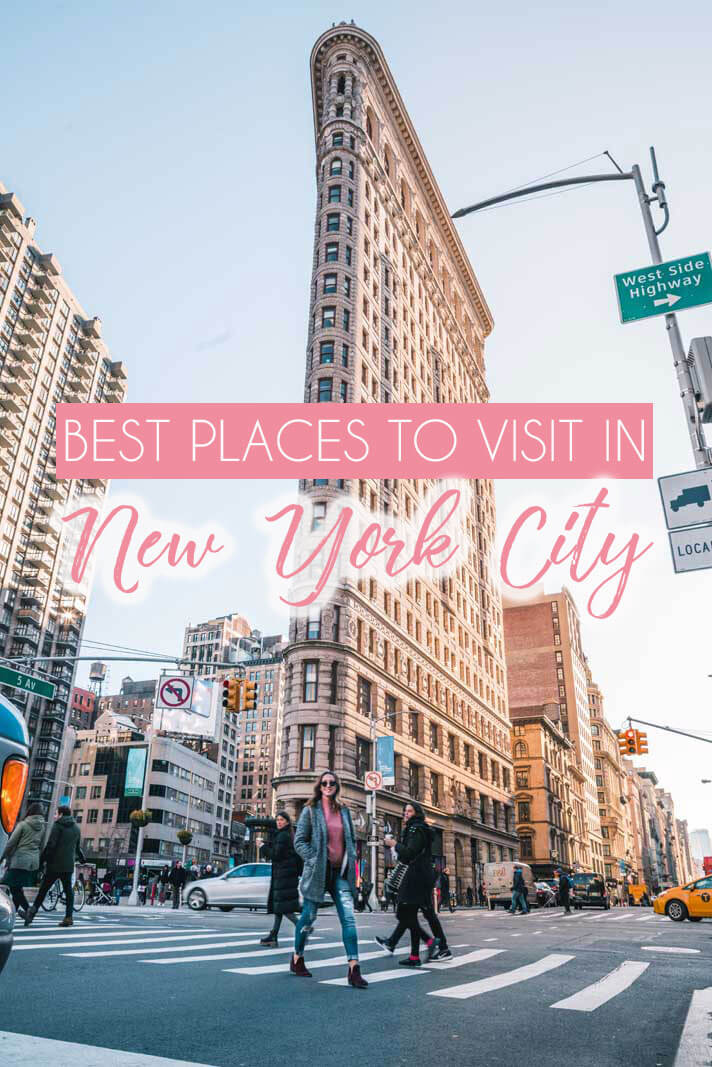
While the tech scene has spread throughout the city, the Flatiron District remains its spiritual home. This area is dense with venture capital firms, digital agencies, and co-working spaces like WeWork and Industrious. Walking through these streets, you are in the middle of the “Venture Capital Corridor.” For a tech professional, grabbing a coffee at a local cafe in Flatiron often means sitting next to founders pitching their latest AI startup or developers debating the merits of new Python frameworks.
Brooklyn’s Navy Yard and the Hardware Renaissance
While Manhattan focuses on software and finance-tech (FinTech), the Brooklyn Navy Yard has become a hub for hardware innovation and “urban manufacturing.” New Lab, located within the Navy Yard, is a massive space where over 800 entrepreneurs and engineers work on robotics, urban farming, and energy solutions. It is a premier destination for understanding how New York is tackling physical technological challenges, from autonomous vehicles to sustainable materials science.
Navigating the Future: Smart Infrastructure and Connectivity
Beyond specific buildings, the city itself is becoming a giant piece of hardware. Observing how New York integrates technology into the daily lives of millions provides insight into the future of global megalopolises.
LinkNYC and the Gigabit City
As you walk the streets of New York, you will notice the LinkNYC kiosks. These replaced the city’s aging payphones and offer free gigabit Wi-Fi, phone calls, and device charging. They represent one of the world’s largest and fastest municipal Wi-Fi networks. For tech enthusiasts, these kiosks are a fascinating study in urban digital equity and the challenges of managing a massive IoT network in a dense environment.
The Fintech Hub: Wall Street and Beyond
You cannot discuss New York tech without mentioning MoneyTech or FinTech. The New York Stock Exchange (NYSE) remains the world’s most significant financial hub, but its modern operations are almost entirely digital. While the physical trading floor is iconic, the real “destination” is the high-frequency trading infrastructure and the blockchain startups located in the Financial District. This area is the frontline of the transition from traditional banking to decentralized finance (DeFi), with companies like Chainalysis and various crypto-exchanges calling the area home.
Transportation Tech: The OMNY System and Beyond
Even the way people move through the city is a tech story. The MTA’s OMNY (One Metro New York) system is a sophisticated contactless payment system that integrates with mobile wallets and wearables. Seeing the seamless transition of millions of commuters through this digital gate system is a testament to the power of large-scale systems integration. Furthermore, the arrival of electric vehicle (EV) charging hubs and the testing of delivery robots in certain neighborhoods provide a glimpse into the future of urban logistics.
Conclusion: New York as a Living Lab
New York City has successfully rebranded itself from a city of “old money” and “traditional media” into a dynamic, multi-faceted technology powerhouse. Whether you are exploring the massive data centers of the West Side, the creative coding labs of Chelsea, or the hardware incubators of Brooklyn, the city offers a unique perspective on how technology integrates with diverse industries.
For anyone asking “where to go in New York” with a focus on tech, the answer is everywhere. The city is no longer just a place where tech is consumed; it is where it is built, tested, and integrated into the fabric of human society. As AI, Green Tech, and FinTech continue to evolve, New York’s Silicon Alley will remain at the forefront, proving that the future of technology is as much about the physical community and architectural innovation as it is about the code itself.
aViewFromTheCave is a participant in the Amazon Services LLC Associates Program, an affiliate advertising program designed to provide a means for sites to earn advertising fees by advertising and linking to Amazon.com. Amazon, the Amazon logo, AmazonSupply, and the AmazonSupply logo are trademarks of Amazon.com, Inc. or its affiliates. As an Amazon Associate we earn affiliate commissions from qualifying purchases.