
In the intricate world of personal finance and banking, certain numbers serve as fundamental keys to unlock and manage your money. Among these, the routing number stands as a cornerstone, an essential identifier that facilitates countless financial transactions daily. Whether you’re setting up direct deposit for your paycheck, paying bills online, or initiating a wire transfer, understanding what a routing number is and, crucially, where to find it, is paramount. This article delves deep into the subject, demystifying the routing number and guiding you through every conceivable avenue to locate this vital piece of information.

At its core, a routing number acts like a digital address for your bank. It ensures that money sent to or from your account arrives at the correct financial institution. Without it, the seamless movement of funds we’ve come to expect in modern banking would be impossible, leading to delays, errors, and significant frustration. For anyone managing their finances, from individuals receiving their first paycheck to seasoned business owners handling payroll, mastering the art of finding your routing number is not just a convenience—it’s a critical aspect of financial literacy and security.
Understanding the Essentials of a Routing Number
Before we pinpoint its location, let’s establish a clear understanding of what a routing number is and why it holds such significance in the financial ecosystem. Its origins, structure, and purpose are all integral to appreciating its role.
What Exactly is a Routing Number?
A routing number, officially known as an ABA (American Bankers Association) Routing Transit Number (RTN), is a nine-digit code that identifies the specific financial institution participating in a transaction. Essentially, it directs funds to the correct bank or credit union, much like a zip code directs mail to the right postal office. Established in 1910 by the ABA, its initial purpose was to sort paper checks efficiently. Today, while its application has expanded exponentially with digital banking, its core function remains unchanged: to ensure financial transactions land in the intended bank’s hands.
It’s crucial to understand that a routing number identifies your bank, not your individual account. While your specific account number distinguishes your unique funds within that bank, the routing number acts as the first filter, guiding the transaction to the correct financial institution. This distinction is vital for understanding security protocols and potential risks.
Why Do You Need a Routing Number?
The applications for a routing number are widespread and encompass many daily financial activities. Without it, many of the conveniences of modern banking would be inaccessible.
- Direct Deposits: This is perhaps the most common use. Whether it’s your salary, government benefits, or tax refunds, for funds to be automatically deposited into your account, your employer or the paying entity will require your bank’s routing number along with your account number. This eliminates the need for paper checks and speeds up access to your money.
- Wire Transfers: When sending or receiving money via a wire transfer, especially for larger sums or time-sensitive transactions, the routing number is indispensable. It ensures the funds are transmitted securely and accurately to the designated bank. Note that domestic and international wire transfers often have different routing numbers, which we’ll discuss later.
- Automated Clearing House (ACH) Transfers: The ACH network facilitates a vast array of electronic payments, including direct deposits, bill payments, and electronic checks. When you pay a utility bill online, set up recurring payments for a loan, or transfer money between your own accounts at different banks, an ACH transaction is often at play, necessitating a routing number.
- Bill Payments: Many online bill pay services require your bank’s routing number to set up automatic deductions from your account. This streamlines payment processes and helps avoid late fees.
- Writing Checks: Although less common in the digital age, if you still use paper checks, the routing number is pre-printed on every check, playing its original role in routing the physical document to the correct bank for processing.
- Tax Payments/Refunds: When filing taxes, you’ll need your routing number if you opt for direct deposit of your refund or direct debit for your payment.
The Anatomy of a Routing Number
A routing number is a nine-digit code with a specific structure that encodes information about the financial institution. The first four digits identify the Federal Reserve routing symbol, indicating the district of the Federal Reserve Bank that serves the financial institution. The next four digits identify the specific financial institution itself. The final digit is a check digit, used to ensure the validity of the routing number through a mathematical algorithm, helping to prevent errors during manual entry. This robust structure ensures accuracy and minimizes misdirection of funds.
Common Places to Find Your Routing Number
Fortunately, your routing number is not a hidden secret. Financial institutions make it readily accessible through multiple channels, recognizing its importance in day-to-day banking. Here’s a comprehensive guide to where you can typically find it.
Your Checkbook
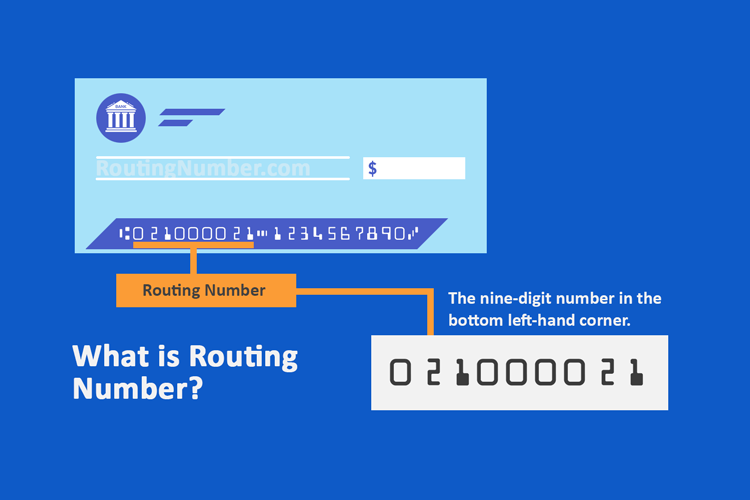
This is arguably the most traditional and straightforward method. If you have a physical checkbook, your routing number is printed at the bottom of every check.
- Location: It’s usually the first set of nine digits on the far left, followed by your account number, and then the check number.
- Visual Aid: Imagine a check:
|ABA Routing Number| |Account Number| |Check Number|. This consistent placement makes it easy to spot. - Caveat: Some checks might have a slightly different order, but the routing number is always nine digits and typically found at the bottom.
Online Banking Platform
For most modern banking customers, your bank’s online portal or mobile app is the quickest and most convenient way to locate your routing number.
- Steps:
- Log in: Access your online banking account using your username and password.
- Navigate to Account Details: Look for sections like “Account Summary,” “Account Details,” “My Accounts,” or similar.
- Select Account: If you have multiple accounts (e.g., checking, savings), select the specific account for which you need the routing number. While routing numbers are often the same for all accounts at a given bank, it’s always best to verify.
- Locate Routing Number: The routing number will typically be displayed prominently alongside your account number and other account-specific information. Sometimes, it might be under a “Direct Deposit Information” or “Electronic Transfers” tab.
- Accessibility: Most banks design their online platforms for intuitive navigation, making this a go-to method for many.
Bank Statements
Whether you receive paper statements in the mail or access them electronically, your bank statement is another reliable source for your routing number.
- Paper Statements: Look at the top or bottom section of your statement. It’s often printed near your account number and bank’s address.
- Electronic Statements: Log into your online banking, navigate to the “Statements” or “Documents” section, and download a recent statement. The routing number will be displayed in a similar location as on a paper statement.
- Benefit: Statements provide a historical record and verify other account details, making them a comprehensive resource.
Contacting Your Bank Directly
If you’re unable to find your routing number through the above methods or prefer direct confirmation, reaching out to your bank’s customer service is a foolproof option.
- Phone: Call your bank’s customer service number (usually found on their website, the back of your debit card, or a recent statement). Be prepared to verify your identity with personal information for security purposes.
- In-Person Visit: If there’s a local branch, you can visit a teller or customer service representative who can provide the routing number. Again, bring identification.
- Secure Messaging: Many banks offer a secure messaging system within their online banking portal. You can send a message requesting your routing number, which offers a written record.
Bank’s Official Website
Many financial institutions provide their routing numbers directly on their public websites, often in a dedicated section for “Contact Us,” “FAQs,” or “Direct Deposit Information.”
- Look for: A search bar on the bank’s website can be useful; simply type “routing number.”
- Verification: Always ensure you are on the official bank website to avoid phishing scams or misinformation. Look for “https://” and the bank’s legitimate domain name.
- Caveat: Be mindful that some banks, especially larger ones, might have different routing numbers for different regions or types of transactions (e.g., specific routing numbers for wire transfers versus ACH).
Nuances and Important Considerations
While finding your routing number is generally straightforward, there are specific situations and distinctions that warrant attention to ensure smooth and accurate transactions. Misunderstanding these nuances can lead to delays or rejected payments.

Different Routing Numbers for Different Purposes: ACH vs. Wire Transfers
This is perhaps the most critical distinction. Many large financial institutions use different routing numbers for ACH transactions (like direct deposits and electronic bill payments) and wire transfers.
- ACH Routing Number: This is the most commonly requested routing number and the one you’ll typically find on your checks or online banking portal for everyday transactions.
- Wire Transfer Routing Number: For incoming domestic wire transfers, banks often use a distinct routing number. This is because wire transfers are processed differently than ACH transactions, often involving more direct communication between banks for immediate fund transfers. Always confirm the specific wire transfer routing number with your bank’s wire transfer department or on their dedicated wire transfer instructions page on their website. Using the wrong number can cause significant delays or even send funds to an unintended destination.
- International Transfers (SWIFT/BIC): For international wire transfers, you will almost certainly need a SWIFT (Society for Worldwide Interbank Financial Telecommunication) code, also known as a BIC (Bank Identifier Code), in addition to or instead of a routing number. SWIFT/BIC codes identify banks globally, whereas routing numbers are primarily for U.S. domestic transactions. Confirm the specific requirements with both your bank and the recipient’s bank.
When a Bank Merger Occurs
Bank mergers and acquisitions are common in the financial industry. When two banks combine, their routing numbers may eventually consolidate or change.
- Transition Period: There’s usually a transition period where both the old and new routing numbers might be valid.
- Communication: Your bank will typically communicate any changes well in advance, detailing how new routing numbers will affect direct deposits, automatic payments, and other transactions.
- Action Required: It’s essential to update any services that use your old routing number (e.g., payroll, billers) once the new routing number becomes effective to avoid disruptions.
Identifying Your Specific Account Type
For most banks, the routing number is the same whether it’s for a checking account or a savings account. However, it’s always prudent to confirm this.
- Verification: When accessing your routing number through online banking, always select the specific account type (checking or savings) you intend to use for the transaction. If there’s any doubt, a quick call to customer service can provide clarity.
- Business Accounts: Business accounts might sometimes have a different routing number than personal accounts, especially at larger banks. Always verify for business transactions.
Safeguarding Your Financial Information
While routing numbers are widely available and not as sensitive as, say, your Social Security number or full credit card details, they are still a piece of your financial puzzle. It’s wise to exercise caution when sharing any banking information.
The Risks of Sharing Too Much
A routing number, combined with an account number, is sufficient for someone to initiate an ACH transfer from your account. While safeguards exist (like NACHA rules for ACH that allow you to dispute unauthorized transactions), prevention is always better than cure.
- Phishing Scams: Be wary of unsolicited emails, texts, or calls requesting your banking details. Legitimate financial institutions will rarely ask for this information via unsecure channels.
- Identity Theft: If a fraudster obtains your routing number and account number, they could potentially create fraudulent checks or unauthorized electronic debits.
Best Practices for Security
- Verify Requests: Always double-check the legitimacy of any entity requesting your routing and account numbers. Use official contact information to call them back if you are unsure.
- Secure Platforms: Only input your banking information on secure, encrypted websites (look for “https://” in the URL) or trusted mobile apps.
- Monitor Accounts: Regularly review your bank statements and online banking activity for any unauthorized transactions. Timely detection allows for quicker resolution and minimizes potential losses.
- Shred Documents: When disposing of old checks, statements, or other documents containing your routing and account numbers, shred them thoroughly.
Frequently Asked Questions About Routing Numbers
To further clarify common queries, let’s address some frequently asked questions about routing numbers.
Is My Routing Number Unique to Me?
No, your routing number is unique to your financial institution and, in some cases, a specific branch or region of that institution. It’s not unique to your individual account. Many customers of the same bank will share the same routing number. Your account number, however, is unique to your specific account.
Can I Use a Generic Routing Number for My Bank?
You must use the specific routing number for your bank and, if applicable, the specific purpose (e.g., ACH vs. wire transfer). Using a generic or incorrect routing number will likely result in the transaction being rejected or misdirected, causing delays.
What if I have multiple accounts with the same bank?
For most standard checking and savings accounts within the same bank, the routing number will be identical. However, there can be exceptions, particularly if you have accounts with different branches (especially after mergers) or specialized accounts. Always verify through online banking or by contacting your bank for each specific account.
Do credit unions have routing numbers?
Yes, absolutely. Credit unions operate similarly to banks in terms of electronic transactions and thus also have their own routing numbers. The process for finding a credit union’s routing number is identical to that for a traditional bank.
Can I find my routing number on my debit card?
Typically, no. Your debit card contains your card number, expiration date, and security code, but not your bank’s routing number. For security reasons, sensitive banking identifiers like routing numbers and account numbers are kept separate from the card itself.
Conclusion
The routing number, a seemingly simple nine-digit code, is a pivotal component of the modern financial system. It serves as the accurate navigational beacon for your money, ensuring that funds reach their intended destination swiftly and securely. From setting up crucial direct deposits to managing online bill payments and executing wire transfers, understanding its function and knowing precisely where to locate it is an indispensable skill for anyone navigating the financial landscape.
By leveraging your checkbook, online banking portal, bank statements, or directly contacting your financial institution, you can easily access this vital piece of information. Furthermore, being aware of the distinctions between ACH and wire transfer routing numbers, understanding the implications of bank mergers, and practicing robust security measures will empower you to manage your finances with greater confidence and fewer complications. In an increasingly digital world, being financially savvy means not just understanding what your money is doing, but also how it moves, and the routing number is a key piece of that essential knowledge.
aViewFromTheCave is a participant in the Amazon Services LLC Associates Program, an affiliate advertising program designed to provide a means for sites to earn advertising fees by advertising and linking to Amazon.com. Amazon, the Amazon logo, AmazonSupply, and the AmazonSupply logo are trademarks of Amazon.com, Inc. or its affiliates. As an Amazon Associate we earn affiliate commissions from qualifying purchases.