
Prepaid Visa cards have emerged as a versatile and widely accessible financial tool, offering a practical alternative to traditional banking products for managing expenses, budgeting, and making secure payments. Understanding where to acquire these cards and how to best utilize them is crucial for leveraging their full financial potential. This guide delves into the various acquisition channels and provides insights into making informed choices about prepaid card options, strictly within the realm of personal finance and financial tools.
Understanding Prepaid Visa Cards: A Financial Tool
A prepaid Visa card functions much like a debit card, allowing users to spend only the money that has been loaded onto it in advance. It offers the global acceptance of the Visa network without requiring a bank account or credit check, making it an invaluable instrument for diverse financial needs.
What is a Prepaid Visa Card?
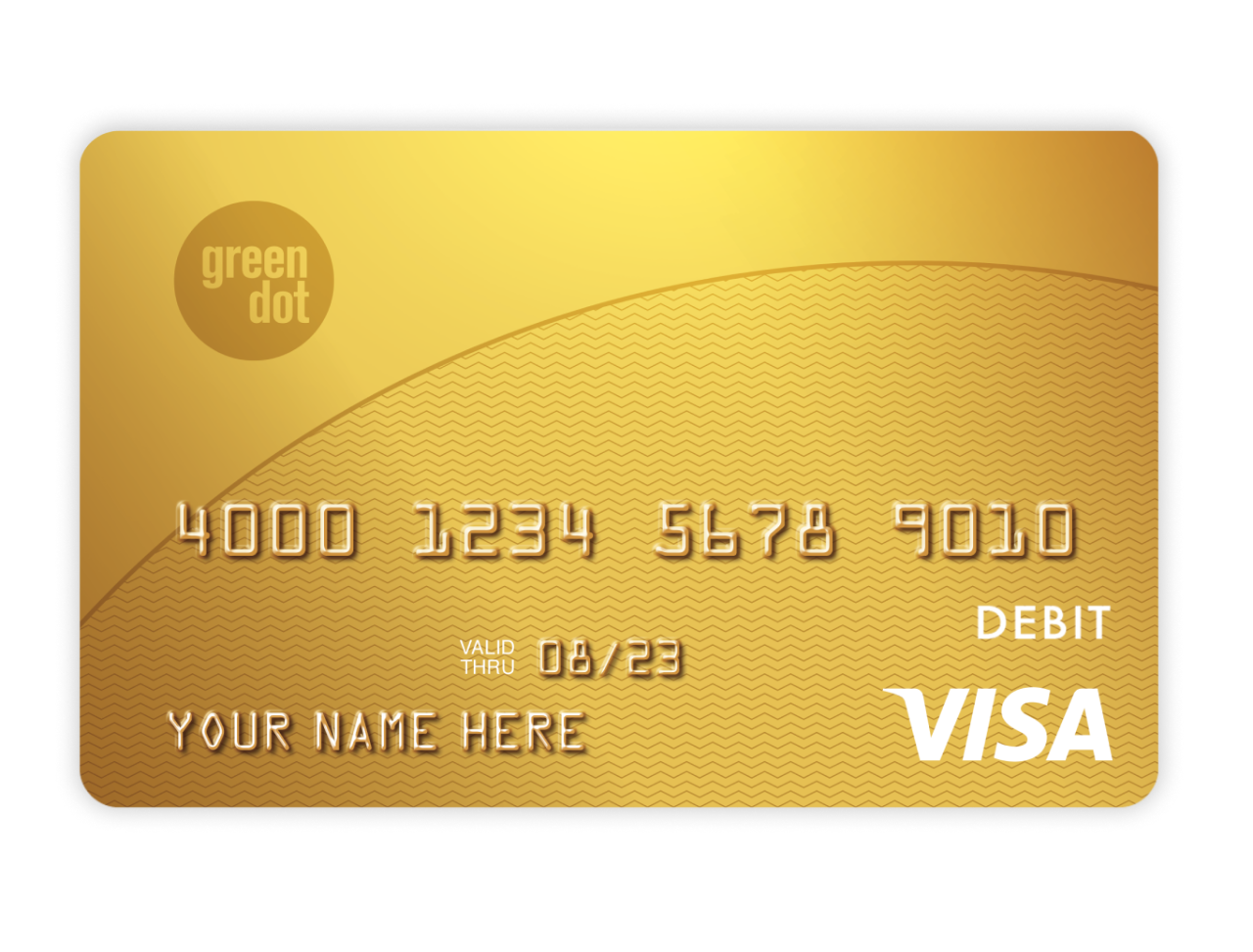
At its core, a prepaid Visa card is a payment card loaded with funds prior to use. It carries the Visa logo, signifying its acceptance at millions of locations worldwide, both online and in brick-and-mortar stores, wherever Visa is accepted. Unlike credit cards, you cannot spend more than the loaded amount, preventing debt accumulation. Unlike debit cards, it isn’t directly linked to a checking account, offering a layer of separation for financial security. These cards can be reloadable, meaning you can add funds multiple times, or non-reloadable, often designed for single-use or gift purposes. Their primary appeal lies in providing a secure and convenient way to make cashless payments without the complexities or requirements of traditional banking.
Key Benefits and Uses
The utility of prepaid Visa cards spans various personal finance scenarios. For budgeting, they are excellent tools for allocating funds for specific expenses, such as groceries, entertainment, or travel, ensuring you stick to a set spending limit. They offer enhanced security for online shopping, as their balance is isolated from your primary bank accounts, limiting potential exposure in case of a data breach. Travelers find them convenient for managing foreign currency and avoiding hefty transaction fees associated with credit or debit cards abroad. Furthermore, prepaid cards serve as a vital resource for the unbanked or underbanked populations, providing a gateway to digital commerce and financial services without the need for a traditional bank account. Parents often use them to teach teenagers financial responsibility and manage their allowances, while employers may use them for payroll or expense reimbursement.
Distinguishing from Debit and Credit Cards
While visually similar, the financial mechanics of prepaid, debit, and credit cards are fundamentally different. A credit card allows you to borrow money up to a certain limit, which must be repaid, often with interest. It builds credit history and requires a credit check. A debit card is directly linked to your bank checking account, deducting funds immediately upon purchase. It requires a bank account but doesn’t build credit. A prepaid Visa card, on the other hand, operates solely on pre-loaded funds. You “pay first” rather than “pay later” (credit) or “pay now” from your bank (debit). This distinction is critical for understanding their respective roles in personal finance, particularly regarding debt management, credit building, and financial accessibility. Prepaid cards offer control over spending and no risk of overdraft fees or accruing interest, making them a disciplined financial instrument.
Primary Avenues for Acquiring Prepaid Visa Cards
The widespread availability of prepaid Visa cards is a testament to their utility and demand. They can be found through various channels, catering to different preferences and needs for convenience and specific features.
Major Retailers and Grocery Stores
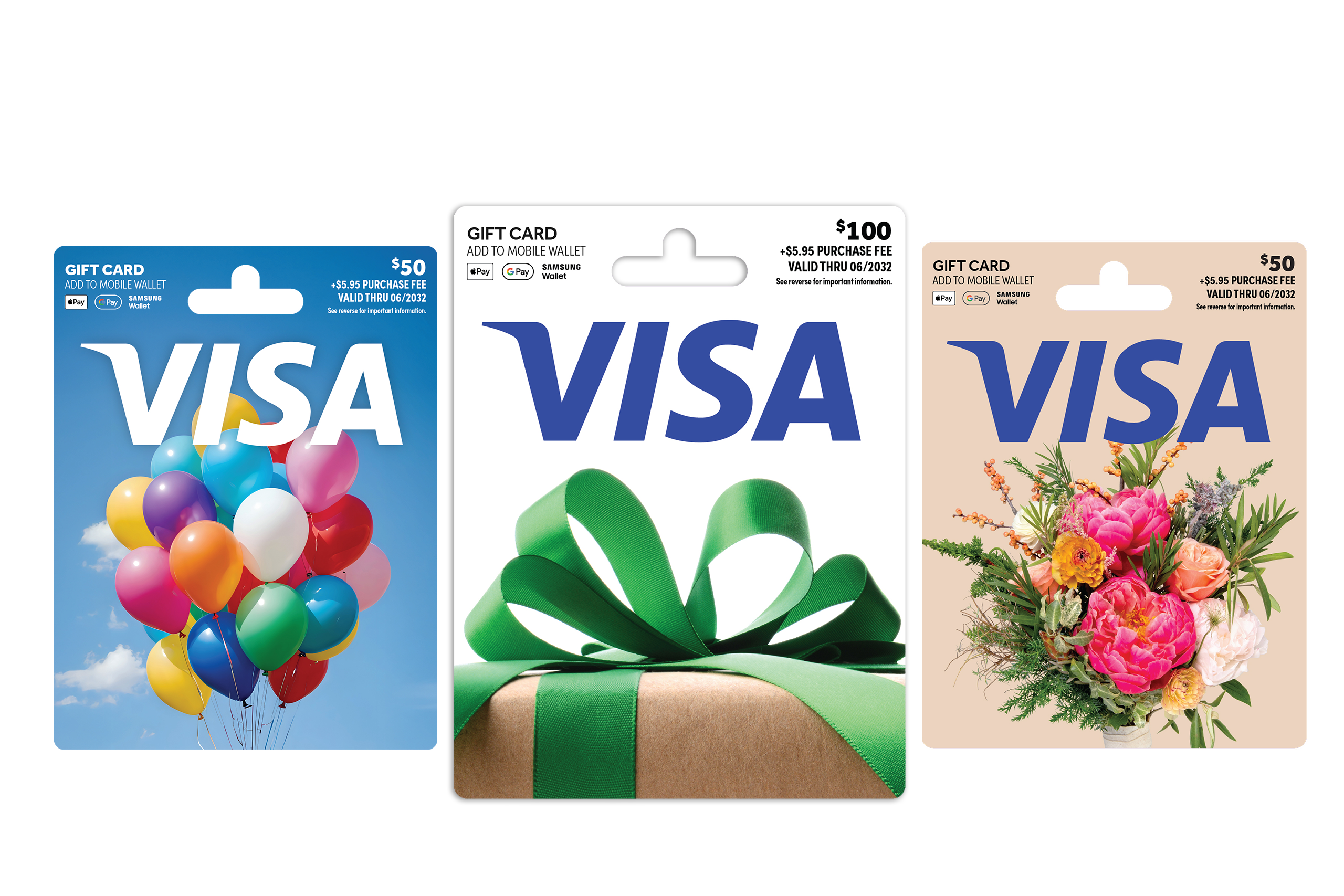
One of the most common and accessible places to purchase prepaid Visa cards is at major retail chains and grocery stores. Giants like Walmart, Target, CVS, Walgreens, Kroger, and others typically stock a wide array of prepaid card options in their gift card aisles or at customer service desks. These cards are often displayed openly, allowing consumers to choose based on design, denomination, and specific issuer. The process is straightforward: select the card, take it to the checkout, and pay the desired load amount plus any activation fee. This method is convenient for immediate acquisition, especially when planning a last-minute gift or needing quick access to a financial tool for controlled spending. However, the selection might be limited to non-reloadable or general-purpose reloadable cards with standard features.
Financial Institutions and Banks
Many traditional banks and credit unions also offer their own branded prepaid Visa cards. While not all institutions promote them as heavily as their debit or credit card offerings, a significant number provide these as a service, particularly for customers who might not qualify for other account types or who prefer an alternative to a checking account. Examples include cards offered by institutions like Chase, U.S. Bank, and Wells Fargo, among others. Acquiring a card directly from a bank often comes with the advantage of greater security, potentially lower fees (especially for existing customers), and easier access to customer service. These cards are often reloadable and can sometimes be linked to a bank’s online banking platform for easier fund management and reloads. To obtain one, you typically visit a branch or apply through their website.
Online Providers and Digital Platforms
The digital age has brought forth a plethora of online-only providers specializing in prepaid cards. Websites like Netspend, PayPal Prepaid, and Green Dot are prominent examples. These platforms focus exclusively on prepaid financial products, offering a wider range of features, often including direct deposit capabilities, online account management tools, and sometimes even bill pay services. The application process is typically online, requiring personal identification information for verification. Cards are then mailed to the applicant. Online providers frequently offer more customizable options, such as personalized card designs and various fee structures, catering to users who prioritize digital convenience and advanced financial management features. Reloading these cards can often be done online, via direct deposit, or at partner retail locations.
Post Offices and Convenience Stores
Beyond major retailers, prepaid Visa cards can also be found at less conventional outlets, broadening their accessibility. Many post office locations, particularly in the U.S. (e.g., via the USPS partnership with RushCard), offer various prepaid card options. These can be particularly useful in rural areas or for individuals who prefer government-backed services. Similarly, numerous convenience stores, gas stations, and smaller independent retailers carry a selection of prepaid cards. While the choice might be more limited compared to larger stores, these ubiquitous locations ensure that a prepaid card is often just a short distance away, making them a practical option for immediate financial needs or emergency funds. It’s advisable to check for specific card types and any associated fees at these locations before purchase.
Navigating the Acquisition Process
Acquiring a prepaid Visa card is generally straightforward, but understanding the practicalities involved, from required information to fees, ensures a smooth and informed experience.
Information Required for Purchase

For non-reloadable gift cards, minimal information is typically needed—just the funds to purchase and activate the card. However, for reloadable prepaid Visa cards, especially those from banks or online providers, federal regulations (specifically the USA PATRIOT Act) require issuers to verify the identity of the cardholder. This is to prevent money laundering and terrorist financing. You will generally need to provide your full legal name, address, date of birth, and Social Security Number (SSN) or other government-issued identification. This information is usually collected during the online application process or at the point of purchase for cards that are activated upon registration. While this might seem extensive, it’s a standard procedure designed for consumer protection and financial security.
Understanding Activation and Loading
Once you’ve purchased a prepaid Visa card, it typically needs to be activated before use. For cards bought at retailers, activation might occur automatically at the checkout register when the funds are loaded. For cards obtained online or from banks, activation often involves a quick process either by phone or through a dedicated website, where you might confirm personal details. Loading funds onto a prepaid card is equally critical. Initial loads happen at the time of purchase. Subsequent reloads can be done in various ways depending on the card and issuer: at participating retail locations (often for a fee), via direct deposit from an employer or government benefits, through bank transfers (ACH), or sometimes even by linking a debit card or credit card for online transfers. Understanding the available reload methods and their associated costs is vital for ongoing use.
Fees Associated with Prepaid Cards
Prepaid Visa cards, while convenient, often come with a variety of fees that can impact their overall value. It’s crucial for consumers to meticulously review the fee schedule before choosing a card. Common fees include:
- Activation Fee: A one-time fee paid when purchasing the card.
- Monthly Maintenance Fee: A recurring charge, often waived if certain conditions are met (e.g., direct deposit).
- Reload Fee: A charge for adding funds to the card at retail locations.
- ATM Withdrawal Fee: A fee for cash withdrawals, often in addition to the ATM owner’s fee.
- Transaction Fees: While less common for purchases, some cards might charge for specific types of transactions or international use.
- Inactivity Fee: Charged if the card hasn’t been used for a specified period.
- Customer Service Fee: For speaking to a live agent.
Minimizing these fees involves selecting cards with transparent fee structures, opting for direct deposit to avoid reload fees, and using in-network ATMs or avoiding cash withdrawals altogether. Always read the cardholder agreement carefully.
Choosing the Right Prepaid Card for Your Needs
Selecting the ideal prepaid Visa card involves a careful consideration of your financial habits, intended use, and tolerance for fees. A diligent comparison can significantly impact your experience and overall financial well-being.
Transaction Limits and Reloadability
Evaluate the card’s transaction limits for daily spending, ATM withdrawals, and maximum balance. If you plan to make large purchases or significant cash withdrawals, ensure the card’s limits align with your needs. Equally important is the card’s reloadability. If you intend to use the card regularly for budgeting or as a primary financial tool, a reloadable card with convenient and affordable reload options is essential. Non-reloadable cards are better suited for one-time use, such as gifts or temporary expense management. Some cards offer higher limits and more flexible reload options for verified cardholders, emphasizing the importance of identity verification during acquisition.
Fee Structures and Hidden Costs
The fee structure is arguably the most critical factor in choosing a prepaid card. While all cards have some fees, they vary widely. Compare activation fees, monthly maintenance fees (and conditions for waivers), reload fees, ATM withdrawal fees, and foreign transaction fees if you plan to travel. Look out for inactivity fees, which can slowly deplete your balance if the card is not used regularly. Some cards advertise “no monthly fees,” but may compensate with higher transaction fees or more restrictive reload options. Opt for cards with clear, transparent fee schedules and consider how each fee aligns with your anticipated usage patterns to avoid unexpected costs that erode your funds.
Customer Support and Accessibility
Reliable customer support is crucial for any financial product. Before committing, investigate the availability and quality of customer service. Does the issuer offer 24/7 phone support? Is online chat or email support available? What are their hours? Easy access to help is vital for resolving transaction disputes, reporting lost or stolen cards, or understanding account statements. Furthermore, consider the accessibility of online account management tools. A user-friendly mobile app or website can make a significant difference in managing your funds, tracking transactions, and initiating reloads efficiently.
Security Features and Consumer Protection
While prepaid cards offer a degree of isolation from your main bank accounts, security features and consumer protection are still paramount. Look for cards that offer FDIC insurance (usually through a partner bank), protecting your funds up to the legal limit in case the issuing institution fails. Check for Visa’s Zero Liability policy, which protects you from unauthorized purchases if your card is lost or stolen. Fraud monitoring and dispute resolution services are also essential. Understanding these safeguards provides peace of mind and protects your financial interests, aligning prepaid cards with the security standards expected of other financial instruments.
Maximizing the Value of Your Prepaid Visa Card
Beyond acquisition and basic usage, strategic application of a prepaid Visa card can significantly enhance your personal financial management, serving as a robust tool for budgeting, secure transactions, and financial inclusion.
Budgeting and Expense Tracking
Prepaid Visa cards are exceptional for disciplined budgeting. By loading a specific amount for a particular category of expenses—such as groceries, transportation, or entertainment—you create a hard spending limit that prevents overspending. Once the funds on the card are depleted, you know you’ve reached your budget for that category, forcing a pause in spending until the next reload cycle. Many online prepaid card providers offer robust online portals or mobile apps that allow you to track every transaction in real-time. This digital ledger provides clear insights into where your money is going, facilitating better financial planning and control over your discretionary spending, which is a cornerstone of effective personal finance.
Safe Online Shopping and Travel
For online shopping, a prepaid Visa card offers an added layer of security. Since it’s not linked directly to your primary bank account or credit line, the financial exposure in the event of a data breach or fraudulent activity is limited to the balance on the card. This peace of mind is invaluable in an era of frequent cyber threats. Similarly, when traveling, using a prepaid card can safeguard your main finances. If the card is lost or stolen, you only lose the loaded amount, rather than compromising your entire bank account or credit line. Moreover, many prepaid cards offer competitive foreign exchange rates or lower foreign transaction fees compared to traditional debit or credit cards, making them a cost-effective option for international expenses.
Alternatives for Unbanked Individuals
For the millions of individuals who do not have traditional bank accounts (the unbanked) or who rely on alternative financial services (the underbanked), prepaid Visa cards are a crucial stepping stone into the formal financial system. They enable participation in digital commerce, provide a secure alternative to carrying large amounts of cash, and can facilitate direct deposit of paychecks or government benefits. This access to electronic payments and online financial management tools can lead to greater financial independence and stability. While not a complete substitute for a full-service bank account, prepaid cards offer many essential functionalities, bridging gaps in financial inclusion and helping individuals manage their money effectively in a cashless economy.
aViewFromTheCave is a participant in the Amazon Services LLC Associates Program, an affiliate advertising program designed to provide a means for sites to earn advertising fees by advertising and linking to Amazon.com. Amazon, the Amazon logo, AmazonSupply, and the AmazonSupply logo are trademarks of Amazon.com, Inc. or its affiliates. As an Amazon Associate we earn affiliate commissions from qualifying purchases.