
In an economic landscape often characterized by rising living costs, managing personal finances effectively has become more critical than ever. For many, food expenses represent a significant portion of their monthly budget, sometimes making the difference between financial stability and hardship. The quest for “free food near me” isn’t merely about avoiding a grocery run; it’s a strategic financial decision, a proactive step towards optimizing personal expenditure, building resilience, and ensuring fundamental needs are met without compromising other vital financial goals. This article delves into the various avenues for accessing cost-free meals, framed within the broader context of personal finance, budgeting, and financial well-being. By understanding these resources, individuals can make informed choices that positively impact their financial health, freeing up capital for savings, investments, or other essential outlays.
The Financial Imperative of Food Security
Food security, or the reliable access to a sufficient quantity of affordable, nutritious food, is a cornerstone of individual and household financial stability. When this access is threatened, the ripple effects can destabilize an entire financial plan, diverting funds from rent, utilities, healthcare, or debt repayment. Recognizing and addressing food insecurity through available resources is not a sign of financial failure but a testament to intelligent money management and resourcefulness.
Understanding Food Costs in Your Budget
For most households, food is among the top three discretionary expenses, often competing with housing and transportation. A family of four, for instance, might spend anywhere from $800 to over $1,500 monthly on groceries, depending on their dietary choices and location. This substantial outflow directly impacts disposable income, affecting one’s ability to save for emergencies, contribute to retirement funds, or invest in personal development. Identifying opportunities to reduce this recurring cost—even partially—can yield significant long-term financial benefits, creating more breathing room in a tight budget or accelerating progress towards financial goals. Leveraging free food resources, therefore, isn’t about not buying food; it’s about strategically minimizing one of your largest recurring expenses.
The Link Between Food Access and Financial Stability
When individuals struggle to afford food, they often face difficult trade-offs. The choice might be between paying a utility bill on time or putting food on the table. Such decisions inevitably lead to accumulating debt, incurring late fees, or even sacrificing essential services. Reliable access to free food resources provides a critical buffer against these financial pressures, allowing individuals and families to meet their nutritional needs without jeopardizing other financial obligations. This stability contributes to better credit scores, reduced stress-related health costs, and a greater capacity to focus on income-generating activities or educational pursuits, all of which enhance long-term financial prospects. It transforms a potential financial crisis into a manageable challenge.
When Saving on Groceries Becomes a Necessity
While some might seek free food as a temporary measure during a financial crunch, for others, it’s a sustained strategy for budget optimization. Students facing high tuition and living expenses, seniors on fixed incomes, or individuals experiencing temporary unemployment can find immense financial relief through these programs. It allows them to stretch their budgets further, allocate funds to rent, healthcare, or education, and prevent a temporary setback from spiraling into a deeper financial crisis. The ability to significantly reduce or eliminate a major household expense like food provides a powerful leverage point in personal finance, enabling individuals to maintain solvency and work towards a stronger financial future.
Navigating Local Resources for Cost-Free Meals
The landscape of free food resources is diverse, ranging from large-scale charitable organizations to grassroots community initiatives. Each offers a unique form of support, and understanding how to access them is key to integrating them into a sound personal finance strategy. The “near me” aspect is particularly crucial, as local proximity often dictates accessibility and regularity of use.
Food Banks and Pantries: A Cornerstone of Community Support
Food banks and pantries are perhaps the most widely recognized sources of free food. These organizations collect and distribute non-perishable and often fresh food items to individuals and families in need. Financially, utilizing a food pantry can equate to hundreds of dollars in grocery savings each month, directly impacting a household’s disposable income. Eligibility requirements vary but typically involve income verification or residency proof, ensuring resources reach those who need them most. From a financial perspective, engaging with food banks is akin to receiving a non-taxable grant for a significant portion of your food expenses, allowing you to reallocate those saved funds to other critical areas of your budget, such as debt reduction, emergency savings, or educational investments.
Soup Kitchens and Community Meals: Immediate Relief and Connection
Soup kitchens and community meal programs offer prepared meals, often on a daily or weekly basis. While food pantries provide groceries to be cooked at home, soup kitchens offer immediate, ready-to-eat solutions. This can be particularly beneficial for individuals without access to cooking facilities or those experiencing acute financial distress. Beyond the direct financial benefit of a free meal, these programs reduce energy costs associated with home cooking and free up time, which can then be invested in income-generating activities or job searching. They provide not just sustenance but also a critical safety net, preventing individuals from having to choose between food and other immediate financial necessities.
Embracing Community Fridges and Food Share Programs
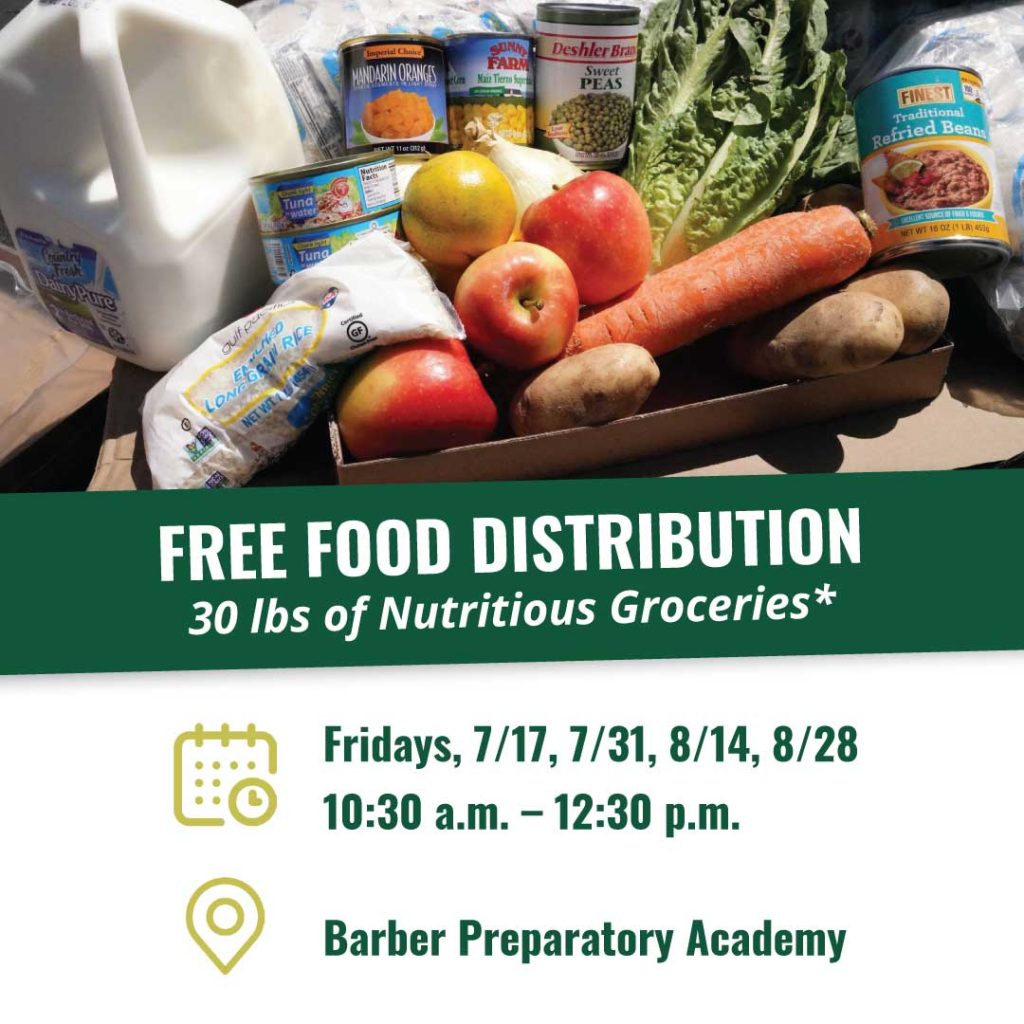
A growing trend in many urban and suburban areas is the establishment of community fridges and food share programs. These initiatives, often run by volunteers, place refrigerators or food collection points in public spaces, allowing anyone to donate or take food as needed. They operate on a trust-based, no-questions-asked principle, making them highly accessible. For those managing extremely tight budgets or facing unexpected shortfalls, community fridges offer an invaluable, immediate resource without bureaucratic hurdles. Financially, they represent a flexible, ad-hoc opportunity to supplement grocery purchases, bridging gaps between paychecks or unexpected expenses. They embody a grassroots approach to financial resilience, leveraging community capital to address individual needs.
Leveraging Technology and Government Programs for Financial Relief
In today’s interconnected world, technology plays an increasingly vital role in connecting individuals with free food resources. Alongside tech-driven solutions, robust government programs offer structured support, acting as pillars of a comprehensive financial safety net.
Food Waste Reduction Apps: Smart Savings at Your Fingertips
A relatively newer avenue for accessing affordable (and sometimes free) food involves mobile applications designed to reduce food waste. Apps like Too Good To Go, Olio, or Flashfood connect consumers with restaurants and grocery stores that have surplus food nearing its sell-by date. While some offer heavily discounted items rather than free ones, many also facilitate the sharing of genuinely free food between neighbors or from businesses with excess. From a financial perspective, these apps empower users to access high-quality food at minimal or no cost, translating directly into grocery savings. They represent an innovative integration of technology into personal finance, providing tools that help individuals make economically sound decisions about their food consumption and reduce overall living expenses.
Government-Backed Assistance: SNAP, WIC, and School Meal Programs
Government programs are foundational components of the social safety net, providing significant financial relief through food assistance. The Supplemental Nutrition Assistance Program (SNAP), formerly known food stamps, offers financial aid to low-income individuals and families to purchase groceries. The Women, Infants, and Children (WIC) program provides nutritional support for pregnant women, new mothers, and young children. School meal programs (free and reduced-price lunches and breakfasts) ensure that children from low-income households receive nutritious meals, alleviating a substantial financial burden on parents. These programs are not merely handouts; they are direct financial instruments designed to improve food security, reduce poverty, and contribute to long-term economic productivity by ensuring basic needs are met. For eligible individuals, enrolling in these programs can mean hundreds of dollars in monthly food purchasing power, representing a critical boost to their personal financial stability.
Exploring Campus and Workplace Food Initiatives
Beyond broader community and government programs, specific institutions often offer their own food assistance. Many colleges and universities, recognizing student financial precarity, operate campus food pantries or meal-sharing programs. These initiatives allow students to stretch their limited budgets, diverting funds that would otherwise go to food towards tuition, textbooks, or housing. Similarly, some forward-thinking employers and large corporations are establishing workplace food programs, offering free or heavily subsidized meals to employees. This benefit not only boosts employee morale and productivity but also provides a tangible financial saving, reducing employees’ daily food expenditures. For individuals associated with such institutions, investigating these internal resources can lead to significant and consistent savings, directly enhancing their personal financial health.
Beyond the Plate: Integrating Free Food into a Broader Financial Strategy
Utilizing free food resources should be viewed not as an isolated act but as an integral part of a comprehensive personal financial strategy. It’s about leveraging every available tool to optimize spending, build financial resilience, and achieve long-term economic goals.
Budgeting with Free Food: Reallocating Funds for Other Priorities
The most immediate financial benefit of accessing free food is the direct reduction in grocery expenses. This saved capital can then be strategically reallocated within a personal budget. Instead of spending $500 on groceries, if one can reduce that to $200 through various programs, the freed-up $300 can be directed towards high-interest debt repayment, accelerating the journey to becoming debt-free. Alternatively, it can bolster an emergency fund, contribute to a down payment for a house, or even be invested, capitalizing on compounding returns over time. This mindful reallocation transforms a necessity (eating) into an opportunity for significant financial advancement, demonstrating true financial acumen.
Building Emergency Savings Through Reduced Food Expenses
An emergency fund is the bedrock of financial security, providing a buffer against unexpected expenses like medical bills, car repairs, or job loss. However, building this fund can be challenging when daily living costs consume most of one’s income. By consistently reducing food expenses through free resources, individuals can systematically funnel the saved money into their emergency savings accounts. Over months and years, these incremental savings accumulate into a substantial safety net, mitigating financial shocks and preventing the need to resort to high-interest loans or credit card debt during crises. This strategic approach to food sourcing directly contributes to the creation of a robust financial safety net, a key principle of sound financial planning.

Overcoming Stigma: Free Food as a Prudent Financial Choice
A significant barrier for many in utilizing free food resources is the perceived stigma associated with it. There’s a misconception that accessing free food implies personal failure or extreme poverty. However, from a purely financial perspective, choosing to utilize free resources to meet a fundamental need is a highly prudent and intelligent decision. It reflects a deep understanding of one’s financial situation and a commitment to making the most of available resources. In an era where financial literacy is paramount, leveraging free food should be celebrated as a smart budgeting hack, a responsible way to manage expenses, and a savvy move towards achieving broader financial objectives. Embracing these resources allows individuals to maintain dignity, stability, and control over their financial future, shifting the narrative from need to strategic economic empowerment.
In conclusion, the question “where to get free food near me” extends far beyond immediate hunger relief. It’s an inquiry deeply rooted in personal finance, offering pathways to significant savings, enhanced budget flexibility, and improved financial stability. By intelligently navigating the array of available resources—from community food banks and soup kitchens to tech-driven sharing apps and government assistance programs—individuals can unlock considerable financial advantages. Integrating these strategies into a holistic financial plan allows for the reallocation of funds, the acceleration of savings, and the fortification of emergency funds, ultimately paving the way for greater financial security and peace of mind.
aViewFromTheCave is a participant in the Amazon Services LLC Associates Program, an affiliate advertising program designed to provide a means for sites to earn advertising fees by advertising and linking to Amazon.com. Amazon, the Amazon logo, AmazonSupply, and the AmazonSupply logo are trademarks of Amazon.com, Inc. or its affiliates. As an Amazon Associate we earn affiliate commissions from qualifying purchases.