
Finding affordable insurance is often perceived as a tedious hunt for the lowest number on a quote sheet. However, in the modern financial landscape, “cheap” insurance is less about finding a bargain-bin provider and more about understanding the mechanics of risk, leveraging technology, and navigating the competitive marketplace with a sophisticated strategy. For the savvy consumer, the goal is to minimize the cost of risk transfer without compromising the financial protection that insurance is designed to provide.
The quest for the most cost-effective coverage requires a multi-faceted approach. It involves a deep dive into digital comparison tools, an understanding of how personal financial habits influence premiums, and the realization that loyalty to a single carrier often comes with a “loyalty tax.” By treating insurance as a dynamic component of a personal financial portfolio rather than a static monthly bill, individuals can unlock significant savings.
The Digital Frontier: Utilizing Aggregators and Insurtech
The traditional model of purchasing insurance through a local captive agent is rapidly being eclipsed by high-efficiency digital platforms. To find the cheapest insurance today, one must start with the digital tools that aggregate data from hundreds of carriers simultaneously.
The Power of Insurance Aggregators
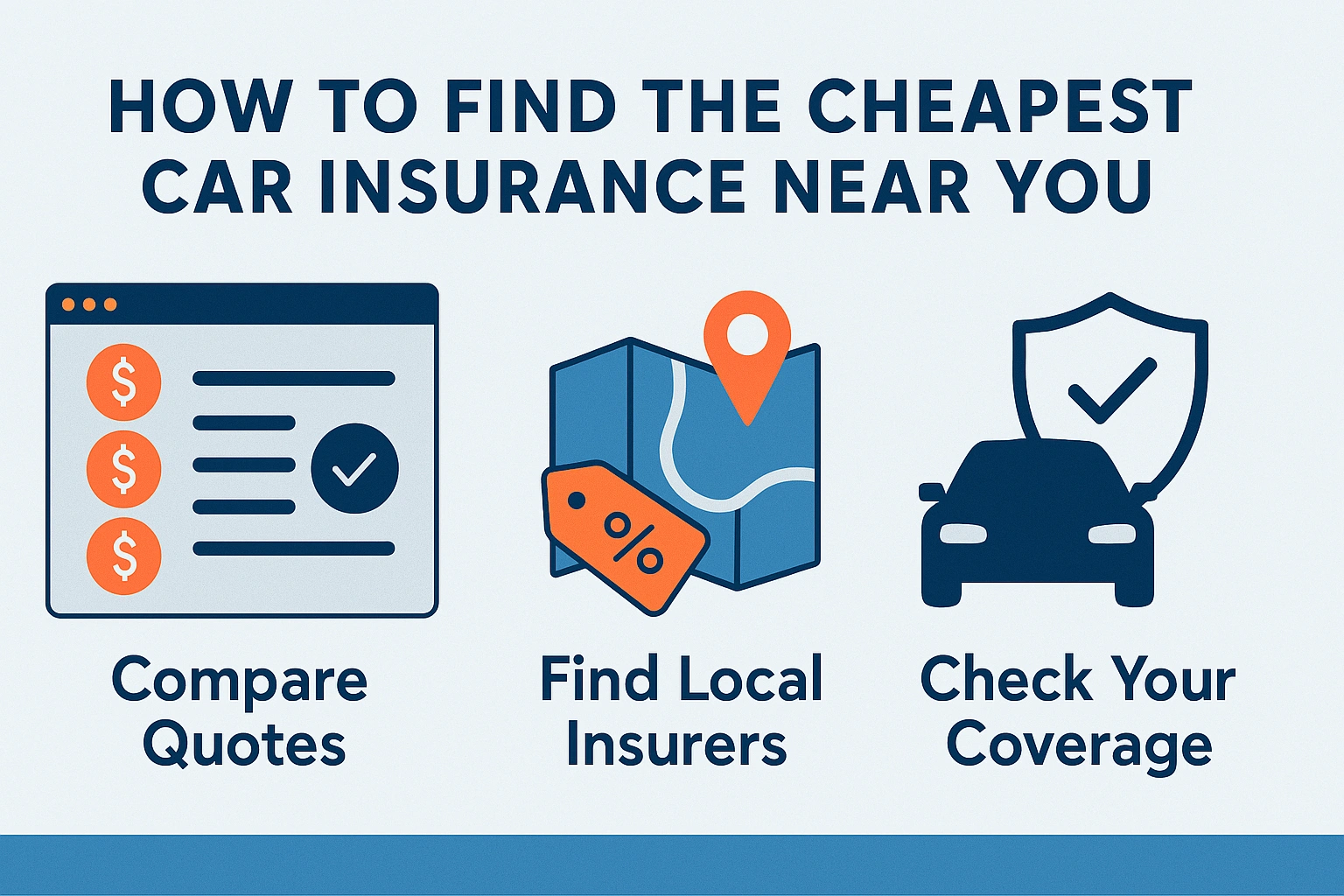
Digital aggregators have revolutionized the price-discovery phase of insurance shopping. These platforms allow users to input their data once and receive real-time quotes from various providers. Unlike individual carrier websites, aggregators provide a transparent look at the market spread. To get the best results, it is essential to use multiple aggregators, as different platforms may have exclusive partnerships with specific carriers. By comparing the results from several top-tier comparison engines, you can establish a baseline for what a “good” price looks like for your specific risk profile.
The Rise of Direct-to-Consumer Insurtech
A new wave of insurance technology (Insurtech) companies has emerged, operating with significantly lower overhead than traditional legacy carriers. By eliminating the need for brick-and-mortar offices and large commissions for agents, these companies can pass the savings directly to the consumer. These providers often use advanced algorithms and AI to assess risk more accurately, which can lead to lower premiums for low-risk individuals. When searching for cheap insurance, looking beyond the household names to these digital-first companies can often yield the most competitive rates in the market.
Real-Time Underwriting and Telematics
One of the most effective ways to lower insurance costs—particularly in the auto sector—is through usage-based insurance (UBI). Many modern providers offer “pay-per-mile” or “pay-how-you-drive” programs. By utilizing a smartphone app or a plug-in device to track driving habits, insurers can offer hyper-personalized rates. For those who drive infrequently or exhibit safe driving behaviors, this technology provides a direct path to the cheapest possible premiums, as you are no longer subsidizing the risks taken by more aggressive drivers in your demographic.
Structural Adjustments: Engineering Your Own Discounts
Beyond choosing the right provider, much of the cost of insurance is determined by the structure of the policy itself. By strategically adjusting the parameters of your coverage, you can exert significant control over your monthly or annual outlays.
The Mathematics of Deductibles
The deductible is the amount you pay out-of-pocket before insurance coverage kicks in. There is an inverse relationship between the deductible and the premium: the higher the deductible, the lower the premium. For individuals with a healthy emergency fund, increasing deductibles on home and auto policies is one of the fastest ways to reduce insurance costs. From a financial planning perspective, this move shifts the responsibility for “small” losses to the policyholder while retaining the insurer’s responsibility for “catastrophic” losses, which is the primary purpose of insurance.
Bundling and Multi-Policy Incentives
While shopping around is vital, there are instances where consolidation is the most cost-effective route. Most major insurers offer substantial discounts for “bundling”—combining auto, home, renters, or life insurance under one roof. These discounts can range from 10% to 25% across all policies. When calculating the cost of a new policy, always evaluate the “total household insurance spend” rather than looking at individual policies in isolation. The cheapest path is often found by moving all assets to a single carrier that rewards your total business.
Optimizing Coverage Limits
Many people pay for more insurance than they actually need. “Cheap” insurance is often found by trimming the fat from a policy. For an older vehicle with low market value, for example, maintaining collision and comprehensive coverage might cost more over a few years than the car is worth. Similarly, ensuring that your home insurance reflects the cost of rebuilding rather than the current real estate market value (which includes land) can prevent over-paying for coverage that will never be triggered.
The Loyalty Tax and the Power of Comparative Shopping

A common mistake in personal finance is the “set it and forget it” mentality regarding insurance. Many carriers use a practice known as “price optimization,” where they gradually increase premiums for long-term customers who are perceived as unlikely to switch.
Combatting Price Optimization
Insurers use data analytics to predict which customers are price-sensitive and which are “inert.” If you have been with the same insurer for more than three years, there is a high probability that you are paying a loyalty tax. To find the cheapest insurance, you must re-shop your policies at every renewal period. Even if you don’t intend to switch, obtaining a lower quote from a competitor provides you with leverage to negotiate a better rate with your current provider.
The Annual Insurance Audit
Treat insurance as an annual financial audit. Every 12 months, your risk profile changes. Perhaps you’ve moved, your credit score has improved, or you’ve installed a new security system. Each of these factors can lead to lower rates. By making comparative shopping a scheduled part of your financial calendar, you ensure that you are always capturing the current market lows rather than settling for outdated pricing models.
Leveraging Affinity Groups and Professional Discounts
One of the most overlooked avenues for cheap insurance is the use of affinity groups. Carriers often create specialized risk pools for specific organizations, viewing members of these groups as lower-risk or more stable clients.
Professional and Academic Associations
Many insurers offer deep discounts to members of professional organizations (such as the American Bar Association or the National Society of Professional Engineers) and alumni of specific universities. These discounts are often not advertised on main landing pages and require manual selection or a specific code. Before finalizing any insurance purchase, check if your employer, your degree, or your professional certifications qualify you for a specialized rate.
Military and Federal Employee Programs
Specialized carriers like USAA or Geico (which originally stood for Government Employees Insurance Company) were founded on the principle of providing lower rates to specific groups. If you or a family member has served in the military or works for a government entity, these specialized providers often offer rates that are difficult for general-market insurers to beat. Their underwriting models are tailored specifically to the lifestyle and risk profiles of these groups.
The Correlation Between Credit and Premiums
In the world of personal finance, your credit score is more than just a gateway to loans; it is a primary factor in how insurers price your risk. In most states, insurers use a “credit-based insurance score” to predict the likelihood of a claim.
Improving Your Financial Profile
Statistics show a strong correlation between financial responsibility and lower insurance claims. Consequently, an individual with a high credit score will almost always find cheaper insurance than someone with a poor score, even if all other factors are identical. If you are looking for long-term savings on insurance, the most effective strategy may be to focus on debt reduction and timely payments. As your credit score rises, your insurance premiums will naturally fall, provided you notify your carrier to re-run your score at renewal.
Maintaining a Clean Record
Just as credit affects your financial “reputation,” your claims history and driving record serve as a ledger of your risk. Avoiding small claims that you can afford to pay out-of-pocket keeps your “CLUE” (Comprehensive Loss Underwriting Exchange) report clean. Carriers offer significant “claims-free” discounts that can drastically lower the cost of a policy. Protecting these discounts by being selective about when you use your insurance is a vital part of keeping your premiums low over the long term.
Conclusion: The Strategic Mindset for Affordable Coverage
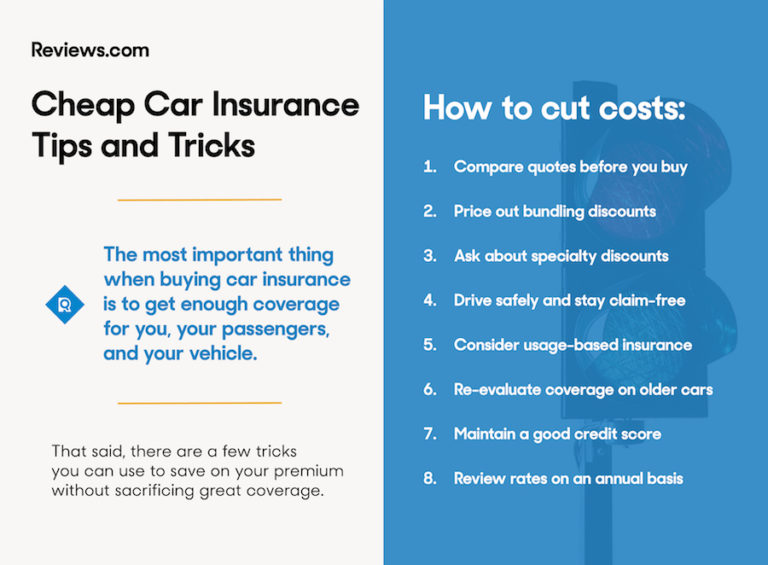
Finding where to get cheap insurance is not about finding a secret provider that no one else knows about; it is about engaging with the market as an informed and active participant. By utilizing digital comparison tools, optimizing the structural components of your policies, and leveraging your personal financial profile, you can drive down costs significantly.
Insurance should be viewed as a commodity that you audit frequently. The cheapest insurance is found at the intersection of technology, disciplined financial habits, and constant market vigilance. By refusing to pay the “loyalty tax” and staying informed about the innovations in the Insurtech space, you can ensure that your protection remains robust while your premiums remain as low as the market will allow. In the end, the most affordable policy is the one that is tailored precisely to your needs, audited annually, and supported by a strong personal financial foundation.
aViewFromTheCave is a participant in the Amazon Services LLC Associates Program, an affiliate advertising program designed to provide a means for sites to earn advertising fees by advertising and linking to Amazon.com. Amazon, the Amazon logo, AmazonSupply, and the AmazonSupply logo are trademarks of Amazon.com, Inc. or its affiliates. As an Amazon Associate we earn affiliate commissions from qualifying purchases.