
For most drivers, car insurance is not merely a legal requirement but a significant ongoing expense. The quest for affordable coverage often feels like navigating a labyrinth, with countless providers, policies, and prices vying for attention. While the market can seem overwhelming, finding cheap car insurance doesn’t have to mean sacrificing essential coverage or quality. Instead, it demands a strategic approach, a keen understanding of how premiums are calculated, and a willingness to explore all available avenues. This comprehensive guide will demystify the process, empowering you to make informed decisions that protect your finances without compromising your safety on the road.
Understanding the Fundamentals of Car Insurance Costs
Before embarking on the search for cheap car insurance, it’s crucial to grasp the myriad factors that influence your premium. Insurers assess risk, and your premium reflects their calculated likelihood of you filing a claim. By understanding these variables, you can identify areas where you might have leverage to reduce costs.
Factors Influencing Your Premium
Car insurance premiums are highly personalized, determined by a complex algorithm that weighs numerous individual characteristics and external circumstances. Your age and driving experience are primary considerations; younger, less experienced drivers typically face higher rates due to a statistical predisposition for accidents. Your driving record is paramount—a history of traffic violations, at-fault accidents, or DUIs will invariably lead to significantly elevated premiums, sometimes for years.
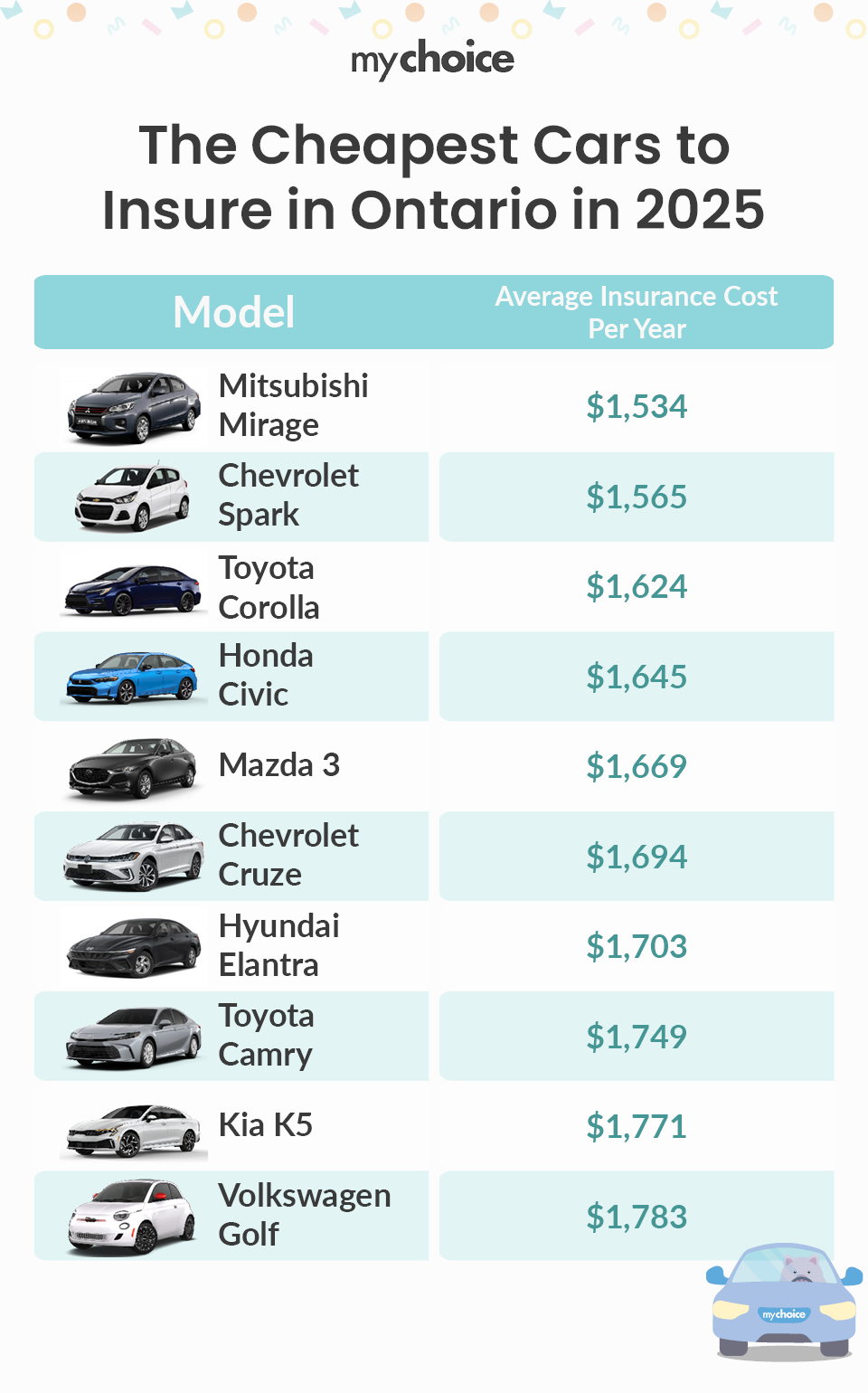
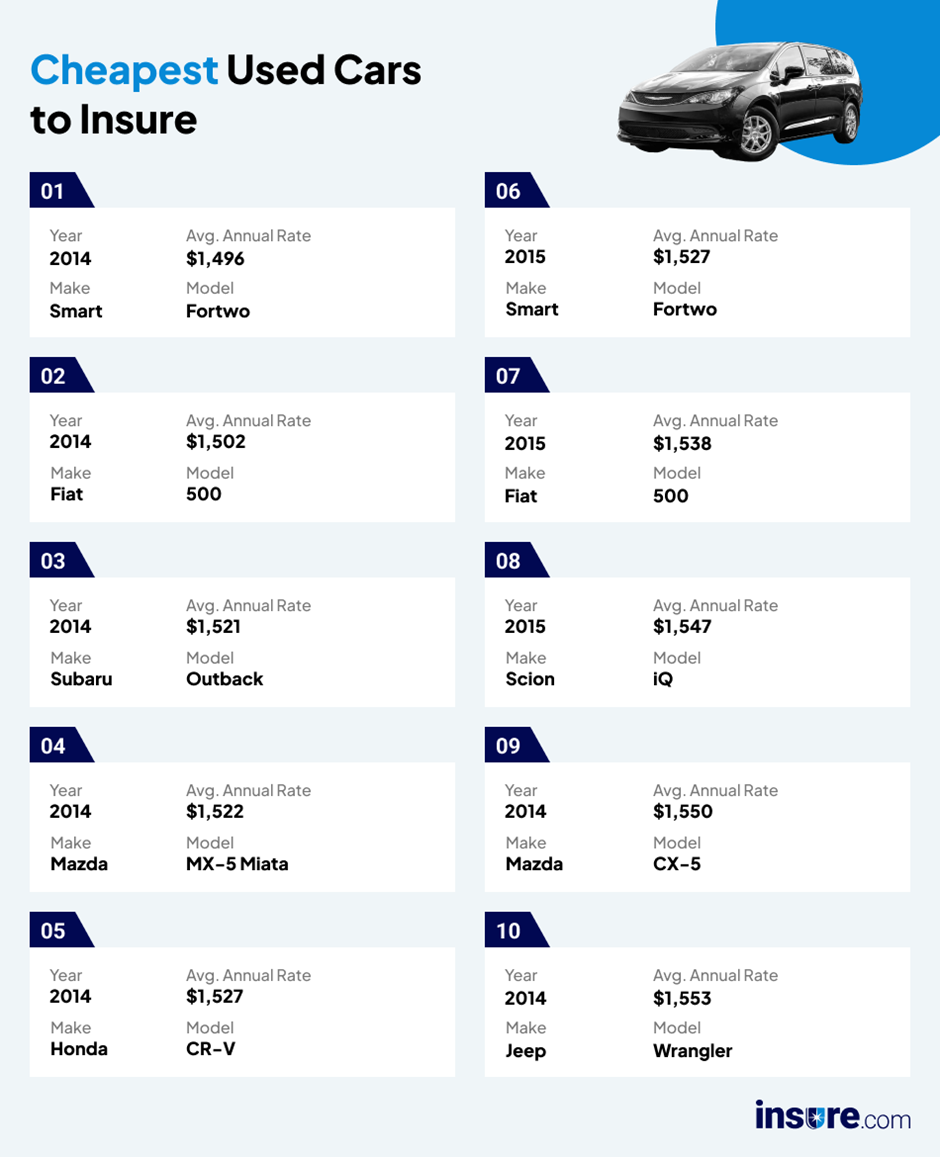
The type of vehicle you drive also plays a substantial role. Sports cars, luxury vehicles, and models with high theft rates or expensive repair costs generally command higher insurance premiums. Conversely, vehicles with excellent safety ratings or those less frequently targeted by thieves may be cheaper to insure. Your location matters too; urban areas with higher population densities, greater traffic congestion, and increased crime rates often incur higher rates than rural areas.
Furthermore, your credit score (in many states) can influence your insurance premium. Insurers often use a credit-based insurance score as a predictor of claim likelihood, with higher scores typically correlating to lower rates. Finally, the amount and type of coverage you select directly impact the cost—more comprehensive coverage means a higher premium.
Types of Coverage and Their Impact
Car insurance policies are not one-size-fits-all, comprising various coverage types that serve different purposes. Understanding these components is vital for tailoring a policy that meets your needs without overpaying.
- Liability Coverage: This is the most basic, legally required coverage in most states. It covers damages (bodily injury and property damage) you cause to others in an at-fault accident. While opting for minimum liability limits can lower your premium, it leaves you vulnerable to significant out-of-pocket costs if damages exceed those limits. Striking a balance between affordability and adequate protection is key.
- Collision Coverage: This pays for damages to your own car resulting from a collision with another vehicle or object, regardless of fault.
- Comprehensive Coverage: This covers damages to your car from non-collision events such as theft, vandalism, fire, natural disasters, or hitting an animal.
- Uninsured/Underinsured Motorist (UM/UIM) Coverage: This protects you if you’re hit by a driver who has no insurance or insufficient insurance to cover your damages.
- Personal Injury Protection (PIP) or Medical Payments (MedPay): These cover medical expenses for you and your passengers after an accident, regardless of who was at fault.
While collision and comprehensive coverages are optional if your car is paid off, they are typically required by lenders if you have a car loan or lease. Deciding which optional coverages to include and at what limits significantly impacts your premium. Carefully evaluate the value of your vehicle and your financial capacity to absorb potential repair or replacement costs before opting out of these protections.
Strategic Approaches to Finding Affordable Insurance
The search for cheap car insurance isn’t about magical solutions but rather methodical strategy. By employing smart shopping habits and leveraging available options, you can significantly reduce your annual premiums.
The Power of Comparison Shopping
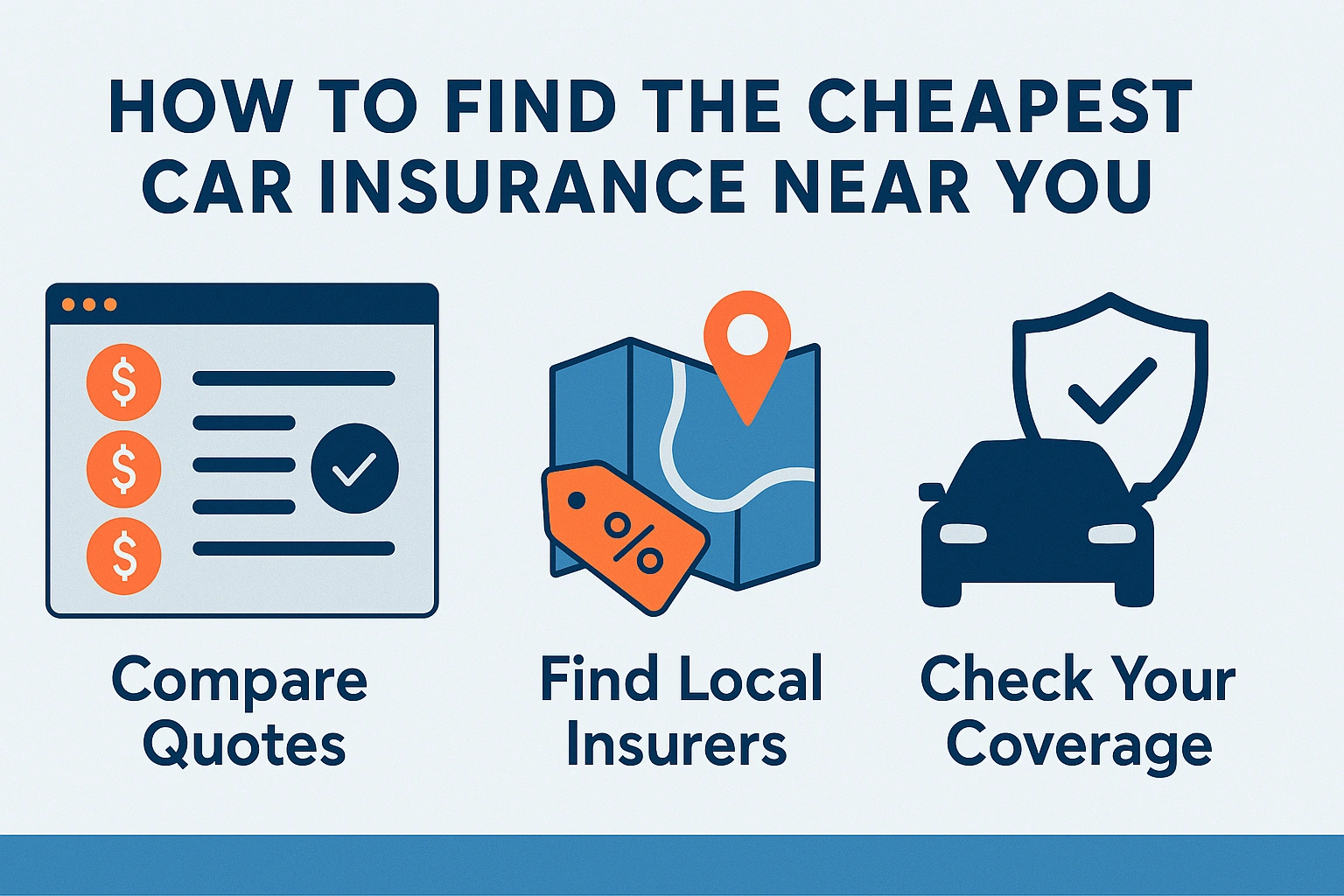
The single most effective strategy for finding cheap car insurance is to comparison shop rigorously. Rates can vary wildly between different insurance providers for the exact same coverage because each company uses its own proprietary algorithms and risk assessments. Relying on a single quote or simply renewing with your current insurer without exploring alternatives is a surefire way to overpay.
Start by gathering quotes from at least three to five different insurance companies. Utilize online comparison websites that allow you to input your information once and receive multiple quotes. Don’t forget to check with direct insurers (companies that sell policies directly to consumers without agents) and independent insurance agents (who can quote policies from several different carriers). Ensure you are comparing identical coverage limits, deductibles, and endorsements to get an accurate side-by-side comparison. This process should be undertaken annually, or whenever your policy is up for renewal, as rates and personal circumstances can change.
Leveraging Discounts and Bundling
Insurance companies offer a wide array of discounts, and diligently pursuing every discount you qualify for can lead to substantial savings. Common discounts include:
- Multi-Policy/Bundling Discount: This is often one of the most significant discounts, offered when you purchase multiple insurance policies (e.g., car and home insurance) from the same provider.
- Multi-Car Discount: Insuring more than one vehicle with the same company.
- Good Driver Discount: For maintaining a clean driving record free of accidents or tickets for a specified period.
- Good Student Discount: For young drivers who maintain a high GPA.
- Defensive Driving Course Discount: For completing an approved driver safety course.
- Anti-Theft Device Discount: For vehicles equipped with approved alarm systems or tracking devices.
- Low Mileage Discount: For drivers who don’t drive frequently or log fewer miles annually.
- Payment Discounts: For paying your premium in full, setting up automatic payments, or choosing paperless billing.
Always ask your insurer or agent about all available discounts. You might be surprised by how many you qualify for.
Adjusting Your Deductible
Your deductible is the amount you agree to pay out-of-pocket before your insurance coverage kicks in for a claim. There’s a direct inverse relationship between your deductible and your premium: a higher deductible typically means a lower premium, and vice-versa.
If you have a robust emergency fund and are comfortable taking on more financial risk in the event of a claim, increasing your deductible from, say, $500 to $1,000 or even $2,500 can significantly reduce your annual premium. However, it’s crucial to choose a deductible you can comfortably afford to pay at a moment’s notice. The savings you gain from a lower premium could be negated if you can’t cover your deductible when an accident occurs.
Rethinking Your Vehicle Choice
The car you drive has a direct impact on your insurance costs. Before purchasing a new vehicle, research its average insurance rates. Factors that make a car more expensive to insure include:
- High Value: More expensive cars cost more to repair or replace.
- Performance-Oriented: Sports cars or high-performance vehicles are often associated with higher risk.
- High Theft Rate: Models frequently stolen are more expensive to insure for comprehensive coverage.
- Expensive Parts/Repairs: Cars with specialized parts or complex repair processes can drive up costs.
- Poor Safety Ratings: Vehicles with lower safety ratings may lead to higher bodily injury claims.
Conversely, older, more modest, and safer vehicles with widely available and affordable parts generally incur lower insurance premiums. If you’re in the market for a new car and saving on insurance is a priority, consider models known for their affordability to insure.
Optimizing Your Driving Habits and Profile for Lower Rates
Beyond the immediate actions of shopping and adjusting policy specifics, your long-term habits and personal profile play a critical role in determining your car insurance rates. Cultivating responsible behaviors can lead to sustained savings.
Maintaining a Clean Driving Record
This is arguably the most impactful factor influencing your insurance premium. Every traffic violation, moving infraction, speeding ticket, and, most significantly, every at-fault accident or DUI conviction, will likely result in increased rates. Insurers view these incidents as indicators of higher risk. Depending on the severity, infractions can stay on your record and affect your premiums for three to five years, or even longer for serious offenses like DUIs.
The simplest and most effective way to keep your insurance costs down is to drive safely, obey traffic laws, and avoid preventable accidents. Investing in defensive driving skills and practicing vigilant driving habits not only ensures your safety but also directly translates into tangible financial benefits through lower insurance premiums over time.
Utilizing Telematics/Usage-Based Insurance
Many insurance companies now offer telematics programs, also known as usage-based insurance (UBI). These programs involve installing a small device in your car or using a smartphone app that monitors your driving habits, such as mileage, speed, braking, acceleration, and time of day you drive.
Safe drivers who opt into these programs can often receive significant discounts. If you’re a consistently responsible driver, a telematics program can be an excellent way to prove your low-risk status to your insurer and earn substantial savings that wouldn’t be available through traditional rating factors alone. Be aware, however, that consistently risky driving behavior might not yield discounts, and in some cases, could potentially lead to higher rates, depending on the insurer’s specific program terms.
Improving Your Credit Score
In many states, your credit-based insurance score is a significant factor in determining your car insurance premium. Insurers have found a correlation between higher credit scores and a lower likelihood of filing claims. While the exact methodology varies by insurer, maintaining a good credit score generally signals financial responsibility, which is often seen as a proxy for overall responsibility.
Focus on improving your credit score by paying bills on time, keeping credit utilization low, and regularly checking your credit report for errors. This financial discipline not only benefits you in other areas of your life (like mortgage or loan rates) but can also translate into lower car insurance premiums. If you live in a state where credit scores are not permitted as a rating factor, this particular tip will not apply to your insurance rates, but good credit is still a wise financial goal.
Re-evaluating Your Policy Regularly
Car insurance is not a set-it-and-forget-it expense. Life changes, market dynamics, and evolving needs mean that your “cheap” policy today might not be the most affordable or appropriate option tomorrow. Regular review and proactive communication with your insurer are essential for sustained savings.
Annual Policy Reviews
Commit to reviewing your car insurance policy at least once a year, preferably before your renewal date. This annual check-up should involve:
- Gathering new quotes: Always compare your current renewal offer with quotes from competitors.
- Assessing your coverage needs: Have your driving habits changed? Is your vehicle older, making collision/comprehensive coverage less cost-effective? Do you need higher liability limits due to increased assets?
- Checking for new discounts: Insurance companies periodically introduce new discount programs.
- Reviewing your deductibles: Re-evaluate if your current deductible still aligns with your financial comfort level.
This proactive approach ensures that you’re always getting the best possible rate for the coverage you need.
Notifying Your Insurer of Life Changes
Many life events can impact your car insurance rates, often for the better. Inform your insurer promptly about significant changes, such as:
- Marriage: Married individuals often receive lower rates.
- Moving: A change in residence, especially from an urban to a rural area, can reduce premiums.
- New Job/Commute Change: If your commute shortens or you no longer use your car for work, your annual mileage might decrease, qualifying you for a low-mileage discount.
- Children Moving Out: If a young driver is removed from your policy, your rates will likely decrease.
- Purchasing a New Home: This could open up opportunities for multi-policy discounts.
- Retirement: Reduced driving and changes in vehicle use can often lead to savings.
These changes can sometimes trigger new discounts or a re-evaluation of your risk profile, leading to lower premiums.
Dropping Unnecessary Coverage
As your car ages, its market value depreciates. At a certain point, the cost of collision and comprehensive coverage might outweigh the potential payout from a claim. If your car is, for example, 10-15 years old and worth only a few thousand dollars, paying hundreds of dollars annually for collision and comprehensive might no longer be financially prudent.
Calculate the cost of these coverages versus the current cash value of your vehicle, minus your deductible. If the annual premium for these coverages is a significant percentage of the car’s value, or if you could comfortably afford to repair or replace the car out-of-pocket, consider dropping them. This strategy primarily applies to older, fully paid-off vehicles where the financial risk of self-insuring against damage is manageable.
Resources and Tools to Aid Your Search
The landscape of car insurance can be complex, but numerous resources and tools are available to streamline your search for affordable coverage. Knowing where to look and who to consult can make a significant difference.
Online Comparison Websites
The internet has revolutionized the process of finding car insurance. Numerous online comparison websites allow you to input your information once and receive quotes from a multitude of insurers simultaneously. These platforms are incredibly efficient for initial price comparisons, providing a broad overview of the market without the need to visit each insurer’s website individually.
While convenient, remember that these sites may not include every single insurer, especially smaller regional ones or those that primarily work through independent agents. Always cross-reference the information and ensure the quotes are based on identical coverage to avoid misleading comparisons. They are, however, an excellent starting point for narrowing down your options and identifying potentially cheaper providers.
Independent Insurance Agents
An independent insurance agent is a valuable ally in your search for cheap car insurance. Unlike captive agents who work exclusively for one insurance company, independent agents represent multiple carriers. This means they can shop around on your behalf, comparing policies and prices from several different insurers to find the best fit and most affordable rate for your specific needs.
Independent agents offer personalized advice, can explain complex policy details, and often have access to companies or policies not readily available through online direct channels. They can also help identify all applicable discounts and guide you through the claims process if needed. Their services are typically free to you, as they are compensated by the insurance companies they represent.
Direct Insurers
Many major insurance companies, as well as newer, tech-focused insurers, operate as direct insurers. This means they sell policies directly to consumers online or over the phone, bypassing the need for an agent. This direct-to-consumer model can sometimes lead to lower premiums because it eliminates agent commissions and associated overheads.
When getting quotes from direct insurers, be sure to meticulously enter all your information to ensure accuracy. While you won’t have the personalized guidance of an agent, direct insurers often have robust online tools and customer service lines to assist you. Always include a few direct insurers in your comparison shopping, as they often offer competitive rates, especially for straightforward policies.
Finding cheap car insurance is an ongoing financial endeavor that requires diligence, strategic thinking, and a willingness to adapt. By understanding the factors that drive premiums, actively seeking out discounts, optimizing your driving profile, and regularly reviewing your policy, you can significantly reduce your car insurance costs without compromising the vital protection you need on the road. Embrace the power of comparison shopping, leverage available resources, and stay informed to ensure your car insurance always offers the best value for your money.
aViewFromTheCave is a participant in the Amazon Services LLC Associates Program, an affiliate advertising program designed to provide a means for sites to earn advertising fees by advertising and linking to Amazon.com. Amazon, the Amazon logo, AmazonSupply, and the AmazonSupply logo are trademarks of Amazon.com, Inc. or its affiliates. As an Amazon Associate we earn affiliate commissions from qualifying purchases.