
Securing adequate car insurance is not merely a legal requirement in most places; it’s a fundamental pillar of sound personal financial planning. For many, a vehicle represents a significant asset and a critical component of daily life, making its protection, and the protection it affords from potential liabilities, indispensable. Yet, navigating the myriad options available for purchasing car insurance can be daunting. From understanding policy types to comparing providers and deciphering jargon, the process demands a strategic approach to ensure both comprehensive coverage and financial prudence. This article delves into the various avenues available for acquiring car insurance, offering insights into each to empower you to make an informed, cost-effective decision that aligns with your financial well-being.

Understanding the Car Insurance Landscape
Before embarking on the quest for the right car insurance, it’s crucial to grasp the foundational elements that shape this financial product. Car insurance is, at its core, a financial contract designed to protect you against financial loss in the event of an accident, theft, or other covered incidents involving your vehicle.
The Necessity of Car Insurance for Financial Security
Beyond legal mandates, car insurance serves as a vital financial safety net. Without it, you would be personally responsible for property damage, medical bills, and legal fees resulting from an accident, which could easily amount to tens or even hundreds of thousands of dollars, potentially devastating your financial future. It protects your assets from lawsuits and ensures you can cover repair costs without dipping into savings or taking on debt. From a financial perspective, it’s an investment in risk mitigation, safeguarding your present and future financial stability.
Key Factors Influencing Premiums and Your Budget
The cost of car insurance, known as the premium, is not arbitrary. Insurers use sophisticated actuarial models to assess risk, and several factors directly impact the price you pay. Understanding these can help you manage your financial outlay effectively.
- Driving Record: A clean driving history with no accidents or violations generally translates to lower premiums, as it indicates a lower risk profile.
- Vehicle Type: The make, model, age, and safety features of your car significantly influence premiums. Expensive, high-performance, or commonly stolen vehicles typically cost more to insure due to higher repair costs or theft risk.
- Location: Where you live and primarily drive plays a role. Urban areas with higher traffic density and crime rates often incur higher premiums than rural areas.
- Age and Gender: Younger, less experienced drivers, particularly males, often face higher premiums due to statistical data indicating a greater propensity for accidents.
- Credit Score (in some states): A good credit score can signal financial responsibility, which some insurers correlate with a lower likelihood of filing claims, potentially leading to lower rates.
- Coverage Type and Deductibles: More comprehensive coverage and lower deductibles (the amount you pay out-of-pocket before insurance kicks in) generally result in higher premiums. Balancing coverage needs with an affordable deductible is a critical financial decision.
Different Types of Coverage: Tailoring Financial Protection
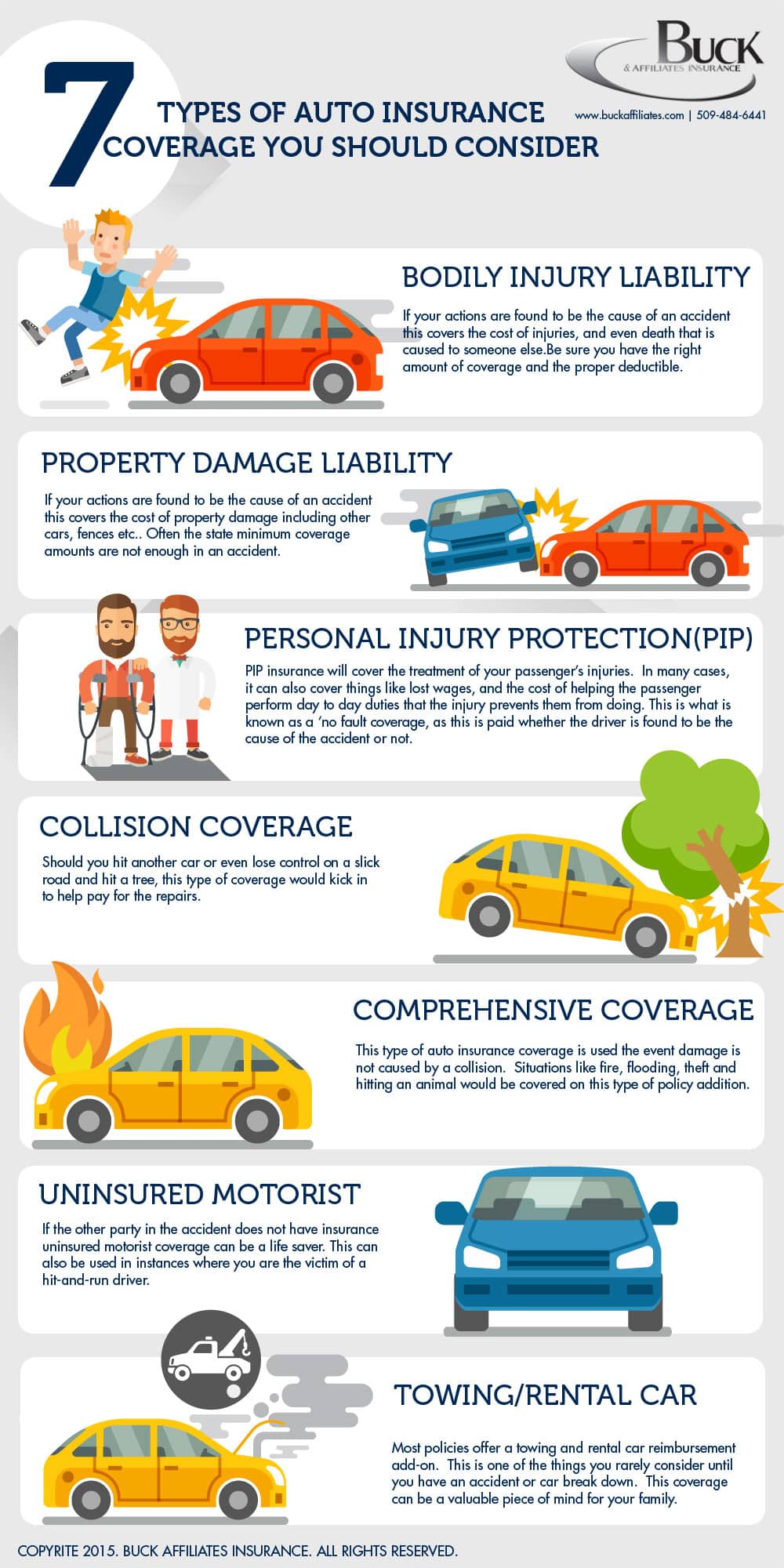
Car insurance isn’t a one-size-fits-all product. Various types of coverage exist, each providing a different layer of financial protection.
- Liability Coverage: This is the most common and often legally required type, covering damages and injuries you cause to others in an at-fault accident. It’s split into bodily injury liability and property damage liability.
- Collision Coverage: Pays for damage to your own vehicle resulting from a collision with another car or object, regardless of fault.
- Comprehensive Coverage: Protects against damage to your car from non-collision events like theft, vandalism, fire, natural disasters, or hitting an animal.
- Uninsured/Underinsured Motorist Coverage: Protects you if you’re hit by a driver who has no insurance or insufficient insurance to cover your damages.
- Personal Injury Protection (PIP) / Medical Payments: Covers medical expenses for you and your passengers after an accident, regardless of fault.
- Gap Insurance: Covers the financial “gap” between what you owe on a car loan/lease and its actual cash value if it’s totaled.
Selecting the right combination of these coverages is a financial balancing act between comprehensive protection and managing your monthly premiums.
Traditional Avenues for Securing Coverage
For decades, consumers have relied on established channels to purchase car insurance. These methods, while sometimes requiring more direct interaction, offer distinct advantages and are often preferred by those seeking personalized service or specific brand loyalty.
Direct Insurers: Pros and Cons for Your Wallet
Direct insurers are companies that sell policies directly to consumers, bypassing intermediaries like agents. They operate through their websites, call centers, or sometimes company-owned brick-and-mortar offices.
- Pros: Often, direct insurers can offer competitive rates because they have lower overhead costs by not paying agent commissions. This can translate into direct financial savings for the consumer. The process can be efficient for those comfortable with online transactions or phone calls, offering instant quotes and policy activation.
- Cons: The self-service nature means you might miss out on personalized advice regarding complex coverage options or potential discounts. If you’re unsure about specific financial implications of different policy choices, you might find yourself navigating confusing terms alone.
Independent Insurance Agents: Personalized Financial Guidance
Independent agents are licensed professionals who work with multiple insurance companies. They act as a broker, helping you find the best policy by comparing quotes from various insurers.
- Pros: Their primary advantage is the ability to shop around on your behalf, potentially finding better rates and coverage tailored to your specific financial situation and risk profile. They can offer invaluable advice, explain complex policy terms, and help you understand the financial implications of different choices. They can also assist with claims processes, acting as an advocate. This personalized service can save you significant time and money in the long run by ensuring you don’t overpay or underinsure.
- Cons: While they aim to find you the best deal, their services are typically compensated through commissions, which are built into the policy premium. However, the potential savings from their expertise often outweigh this.
Captive Agents: Brand-Specific Expertise and Financial Packages
Captive agents work exclusively for one insurance company (e.g., State Farm, Allstate, Farmers). They are experts in their company’s products and services.
- Pros: These agents have in-depth knowledge of their company’s offerings, including specific discounts and bundling opportunities (e.g., combining car and home insurance for a lower total premium). If you’re loyal to a particular brand or already have other policies with them, a captive agent can help you maximize potential financial benefits through package deals. They offer a stable point of contact for all your insurance needs within that company.
- Cons: Since they only represent one insurer, they cannot compare rates across the broader market. You might miss out on potentially lower premiums or more suitable policies offered by other companies, which could be a financial disadvantage if your needs don’t perfectly align with their sole provider’s offerings.
Leveraging Digital Platforms for Comparison and Purchase
The digital age has revolutionized how consumers access financial services, and car insurance is no exception. Online platforms offer unparalleled convenience, transparency, and the potential for significant financial savings through efficient comparison.
Online Comparison Websites: Efficiency and Financial Transparency
These platforms allow you to input your information once and receive multiple quotes from various insurers simultaneously.
- Pros: The biggest financial benefit is the ability to quickly compare prices and coverage options from numerous providers side-by-side, making it easier to identify the most cost-effective solution. This transparency empowers consumers to make financially savvy decisions without spending hours contacting individual companies. They often highlight available discounts, further aiding in cost reduction.
- Cons: While efficient, these sites don’t always include every insurer on the market, particularly smaller, regional ones. Furthermore, the quotes provided are often estimates and may change after a detailed underwriting process. Always verify the final premium directly with the chosen insurer.
Insurer Websites and Mobile Apps: Direct Digital Engagement
Most major insurance companies now have sophisticated websites and mobile applications that allow you to get quotes, purchase policies, manage your account, and even file claims directly.
- Pros: This direct channel often provides the most accurate quotes for that specific insurer. Many companies offer online-only discounts for purchasing directly through their website. Mobile apps can provide convenient access to policy documents, ID cards, and claims services, streamlining financial administration and potentially saving time.
- Cons: You’re limited to that single insurer’s offerings. To compare effectively, you’d need to visit multiple individual insurer sites, which can be time-consuming compared to using a comparison platform.
Fintech Innovations in Insurance: The Future of Financial Protection
The intersection of finance and technology (Fintech) is continually evolving the insurance landscape.
- Telematics/Usage-Based Insurance (UBI): Companies use devices or apps to monitor driving behavior (speeding, braking, mileage). Good driving habits can lead to significant financial discounts, often 10-30%, directly rewarding safer drivers with lower premiums. This is a game-changer for financially responsible drivers.
- AI and Machine Learning for Underwriting: AI can process vast amounts of data more efficiently than traditional methods, potentially leading to more personalized and accurate pricing based on individual risk, rather than broad demographic averages. This could mean fairer premiums for many.
- Blockchain for Claims Processing: While still emerging, blockchain technology promises to enhance transparency and security in claims processing, potentially speeding up payouts and reducing fraud, which can indirectly lead to lower costs for policyholders in the long run.
These innovations highlight how technology is being harnessed to optimize financial outcomes for both insurers and consumers, making insurance more dynamic and potentially more affordable for those who embrace these new models.
Strategies for Finding the Best Value
Finding car insurance isn’t just about getting a policy; it’s about securing the best financial value – robust coverage at the most competitive price. This requires a proactive and informed approach.
The Art of Comparison Shopping for Optimal Financial Outcomes
The single most effective strategy for saving money on car insurance is to shop around. Don’t settle for the first quote you receive, and don’t assume your current insurer still offers the best rates.
- Gather Multiple Quotes: Use online comparison sites, contact independent agents, and get quotes directly from 2-3 major insurers. Aim for at least 3-5 different quotes to get a comprehensive view of the market.
- Compare Apples to Apples: Ensure that when comparing quotes, you are looking at identical coverage levels, deductibles, and endorsements. A lower premium isn’t a good deal if it means significantly less financial protection.
- Review Annually: Your personal circumstances, driving record, and market rates change. What was a good deal last year might not be today. Make it a habit to re-evaluate your policy and compare quotes annually.
Bundling Policies for Significant Financial Savings
Many insurers offer discounts when you purchase multiple policies from them, such as combining car insurance with home, renters, or life insurance.
- Multi-Policy Discount: This can lead to substantial savings, often ranging from 5% to 25% on your total premium. It centralizes your insurance needs with one provider, simplifying financial management.
- Multi-Car Discount: If you insure more than one vehicle with the same company, you’ll typically qualify for a discount. This is a simple way for households with multiple cars to reduce their collective insurance expenditure.
Maximizing Discounts and Tailoring Coverage to Your Financial Needs
Beyond bundling, a plethora of other discounts can help reduce your premium. Actively inquire about these.
- Good Driver/Safe Driver Discount: For maintaining a clean driving record over several years.
- Good Student Discount: For young drivers who maintain good academic grades.
- Low Mileage Discount: If you drive fewer miles than the average person, some insurers offer a reduction.
- Anti-Theft Device Discount: Installing approved anti-theft devices can signal lower risk to insurers.
- Defensive Driving Course Discount: Completing an approved course can lead to discounts and improve driving skills.
- Professional/Affiliation Discounts: Some insurers partner with specific employers, alumni groups, or professional organizations to offer group discounts.
- Increase Your Deductible: Opting for a higher deductible will lower your premium. However, ensure you have sufficient emergency savings to cover that deductible amount if you need to file a claim. This is a direct financial trade-off: lower monthly payments in exchange for higher out-of-pocket costs at the time of an incident.
Reviewing Your Policy Annually for Optimal Financial Alignment
Your insurance needs are not static. Life changes, such as buying a new car, moving, getting married, or having a child, can all impact your insurance requirements and potential discounts.
- Update Your Information: Always inform your insurer of significant life changes. For example, if your commute shortens dramatically due to a job change, your mileage might decrease, leading to a lower premium.
- Assess Coverage Adequacy: As your financial situation evolves, so should your coverage. If you’ve paid off your car, you might consider dropping collision and comprehensive coverage to save money, assuming the car’s value doesn’t justify the premiums. Conversely, if you acquire more assets, you might need higher liability limits to protect them.
What to Consider Before You Buy
The decision of where to get car insurance extends beyond just finding the cheapest premium. It involves a holistic evaluation of your needs, the insurer’s reliability, and the long-term financial implications.
Assessing Your Coverage Needs: A Personal Financial Audit
Before you even start getting quotes, conduct a mini-financial audit of your situation.
- Your Assets: How much are your assets (home equity, savings, investments) worth? This helps determine how much liability coverage you need to protect yourself from lawsuits.
- Your Car’s Value: Is your car financed? What’s its market value? This informs your decision on collision and comprehensive coverage. For an older, low-value car, the cost of these coverages might outweigh the potential payout.
- Your Risk Tolerance: How much financial risk are you comfortable taking on yourself? This dictates your deductible choices and the extent of optional coverages.
- State Minimums vs. Prudent Coverage: While state minimums fulfill legal obligations, they often offer insufficient financial protection. Always consider purchasing higher limits than the minimum.
Understanding Policy Jargon: Empowering Financial Literacy
Insurance policies are notorious for their complex language. Take the time to understand key terms like “declarations page,” “exclusions,” “endorsements,” “actual cash value,” “replacement cost,” and “subrogation.” A clear understanding of these terms will help you comprehend exactly what you’re paying for and what financial protection you truly have. Don’t hesitate to ask agents or use online resources to clarify any ambiguities.

The Importance of Customer Service and Claims Handling: A Long-Term Financial Perspective
A low premium is attractive, but it’s only one piece of the puzzle. When an accident occurs, the true value of your insurance policy comes to light.
- Reputation for Claims Service: Research an insurer’s reputation for handling claims. Look at customer reviews, ratings from consumer organizations (like J.D. Power, A.M. Best, or the National Association of Insurance Commissioners), and their financial strength ratings. A smooth, fair, and timely claims process can save you immense financial and emotional stress during an already difficult time.
- Accessibility and Support: How easy is it to reach customer service? Do they offer 24/7 support? Is there an app for claims? Good support ensures that when you need your insurance, it’s there for you without unnecessary hurdles.
- Financial Stability of the Insurer: Ensure the insurance company is financially stable enough to pay out claims. Independent rating agencies assess this, and it’s a critical factor for long-term financial security.
In conclusion, where you get your car insurance is as important as the policy itself. By understanding the options, leveraging digital tools, employing smart shopping strategies, and carefully considering your financial needs and the insurer’s reliability, you can secure robust protection that safeguards your assets and provides peace of mind, all while optimizing your personal finance budget. The journey to securing the right car insurance is an investment in your financial future, and an informed decision will yield dividends for years to come.
aViewFromTheCave is a participant in the Amazon Services LLC Associates Program, an affiliate advertising program designed to provide a means for sites to earn advertising fees by advertising and linking to Amazon.com. Amazon, the Amazon logo, AmazonSupply, and the AmazonSupply logo are trademarks of Amazon.com, Inc. or its affiliates. As an Amazon Associate we earn affiliate commissions from qualifying purchases.