
In an increasingly digital economy, managing personal finances efficiently is paramount. For many, a prepaid debit card offers a practical and accessible solution for spending, budgeting, and even establishing a foothold in the financial system. Unlike traditional bank accounts that often require credit checks or minimum balances, or credit cards that involve borrowing, prepaid debit cards operate on a “pay-as-you-go” principle, allowing users to spend only the money they load onto the card. This makes them an attractive option for a diverse demographic, from those seeking better budget control to individuals who are unbanked or underbanked.
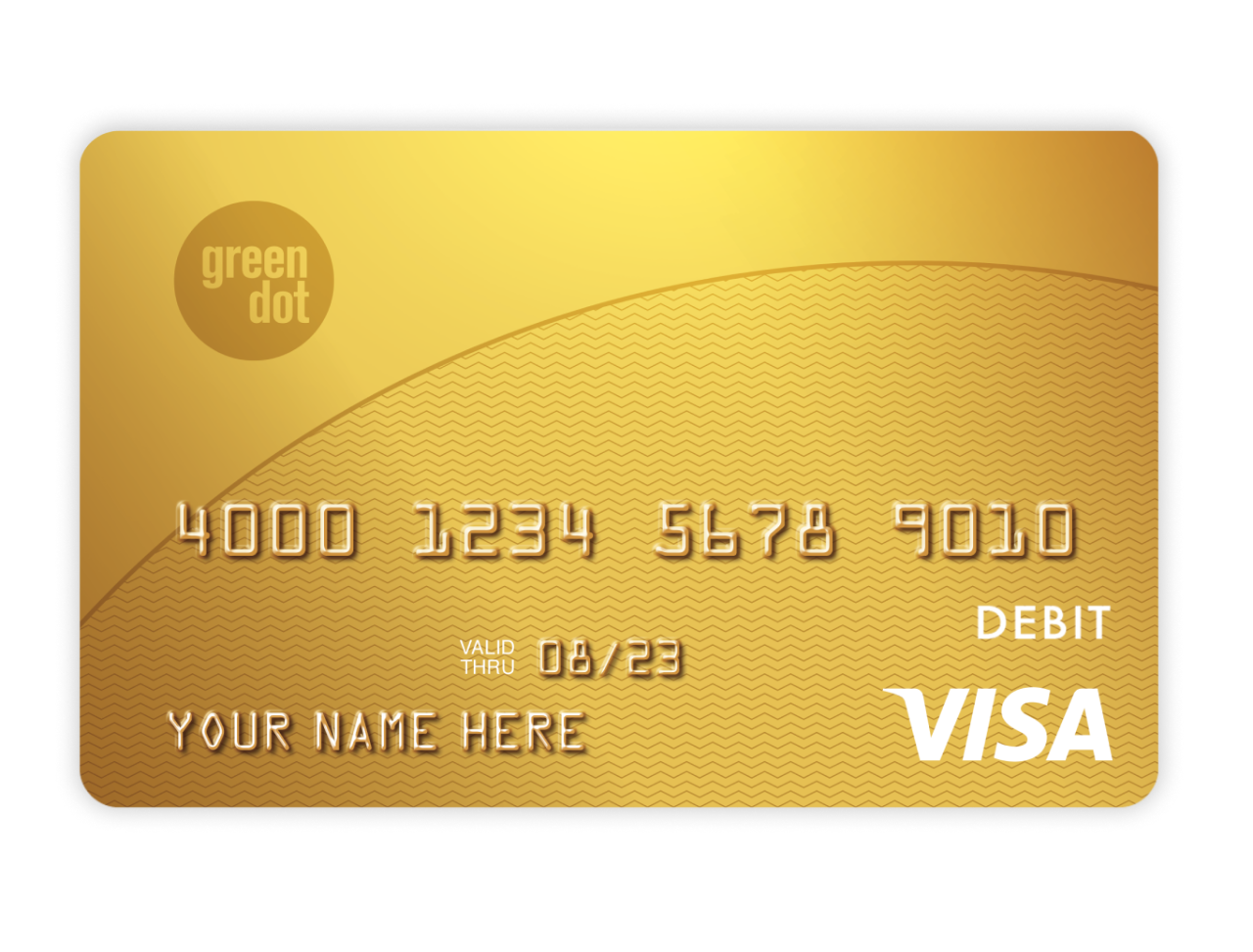
Understanding where to acquire these cards, and the nuances associated with each option, is crucial for making an informed decision. This guide delves into the various avenues available for obtaining a prepaid debit card, equipping you with the knowledge to select the best fit for your financial needs.
Understanding Prepaid Debit Cards: A Primer
Before embarking on the journey to acquire a prepaid debit card, it’s essential to grasp what they are, who they serve, and their inherent advantages and limitations. This foundational understanding will illuminate why these financial tools have become a staple for millions.
What is a Prepaid Debit Card?
At its core, a prepaid debit card is a payment card that allows you to spend funds that have been pre-loaded onto it. It functions similarly to a regular debit card in terms of transaction processing – you can use it anywhere major credit and debit cards (Visa, Mastercard, Discover, American Express) are accepted, both online and in physical stores. The key distinction is that it’s not linked to a bank checking account. Instead, the money resides directly on the card or in an associated account managed by the card issuer. Once the funds are depleted, you must reload the card to continue using it. This distinction makes them a direct competitor to cash for many transactions, offering greater security and convenience without the risk of accumulating debt.
Who Benefits Most from Prepaid Debit Cards?
Prepaid debit cards cater to a broad spectrum of individuals, each drawn to the product for unique reasons. The unbanked and underbanked population finds immense value, as these cards provide a gateway to electronic payments without the need for a traditional bank account, enabling online purchases, bill payments, and direct deposit of wages. Budget-conscious consumers use them as a tool for financial discipline, isolating funds for specific purposes like groceries, entertainment, or travel, thereby preventing overspending. Teenagers and young adults can benefit from prepaid cards as an introduction to managing money responsibly, offering parents control over spending limits. Finally, travelers often use them as a secure alternative to cash or a primary debit card, minimizing risk in case of theft or loss.
Key Advantages and Limitations
The appeal of prepaid debit cards stems from several compelling advantages. They offer enhanced security over carrying cash, as they can often be replaced if lost or stolen, and many come with fraud protection. They provide a high degree of accessibility, requiring no credit check and minimal personal information for acquisition. For those struggling with debt, they offer a path to debt-free spending, as you can only spend what you have. Furthermore, some cards offer convenient features like direct deposit, online bill pay, and even budgeting tools.
However, it’s crucial to acknowledge their limitations. Prepaid cards often come with various fees, including activation fees, monthly maintenance fees, reload fees, ATM withdrawal fees, and even inactivity fees, which can erode your balance if not carefully managed. They typically do not build credit, as they are not a line of credit. While some may offer FDIC insurance for the loaded funds, not all do, making issuer reputation vital. Lastly, they lack the interest-earning potential or overdraft protection commonly associated with traditional checking accounts.
Navigating the Landscape: Where to Acquire Your Card
With a clear understanding of what prepaid debit cards entail, the next step is identifying the various channels through which they can be obtained. The market offers a wide array of options, each with its own set of providers and typical offerings.
Online Providers and Financial Technology Companies
The digital realm has become a dominant force in the prepaid card market. Numerous online-only providers and financial technology (FinTech) companies specialize in offering feature-rich prepaid debit cards. Companies like Chime, PayPal (with their debit cards), Netspend, Green Dot (which also has a retail presence), and countless others operate primarily online.
Advantages: These platforms often boast innovative features, user-friendly mobile apps for managing funds, seamless direct deposit setup, and sometimes lower or waivable monthly fees if certain conditions (like direct deposit) are met. They frequently offer competitive exchange rates for international use and robust security features. The application process is typically quick and entirely online, allowing for immediate access to account details and virtual cards while awaiting physical card delivery.
Considerations: While convenient, it’s vital to research the specific fee structure and customer service reputation of online providers. Ensure the company is reputable and offers FDIC insurance for your funds, usually through a partner bank.
Traditional Banks and Credit Unions
While less emphasized than their checking or savings accounts, many traditional banks and credit unions also offer prepaid debit cards, sometimes branded as “reloadable cards” or “travel money cards.” Major institutions like Chase, Bank of America, Wells Fargo, and smaller community banks often have options available.
Advantages: Obtaining a prepaid card from a traditional financial institution can offer peace of mind, leveraging their established trust, extensive branch networks for in-person support, and familiar online banking interfaces. If you already bank with them, managing your prepaid card might integrate seamlessly with your existing accounts. They are typically FDIC-insured.
Considerations: Bank-issued prepaid cards might have more restrictive fee structures or fewer innovative features compared to FinTech alternatives. Their primary focus remains on traditional banking products, so the prepaid card offerings might be less competitive. It’s important to compare their specific prepaid card terms against other market options.
Retail Stores and General Merchandise Outlets
Perhaps the most accessible entry point for many, retail stores and general merchandise outlets widely offer prepaid debit cards. Major retailers like Walmart (GoBank, Netspend, Green Dot MoneyPak), CVS, Walgreens, 7-Eleven, and even many grocery stores stock a variety of prepaid card brands.
Advantages: The primary benefit here is immediate availability. You can walk into a store, pick up a card from the rack, pay for it at the checkout, and often activate it on the spot. This is particularly useful for urgent needs or for those who prefer an in-person transaction. Many retail-purchased cards also offer easy reload options directly at the store.
Considerations: Cards purchased off a retail rack may come with higher initial activation fees. It’s crucial to read the packaging carefully, as fee structures can vary significantly between brands. While convenient for purchase, customer service for these cards is usually handled by the card issuer, not the retail store. Some cards may require online registration after purchase to unlock full features and FDIC insurance.
Payroll Card Programs
For employees without traditional bank accounts, or those who prefer a separate account for their wages, many employers offer payroll card programs. Instead of a paper check or direct deposit to a bank account, an employee’s wages are loaded directly onto a prepaid debit card provided by the employer or a third-party payroll service.
Advantages: These cards provide instant access to wages on payday, eliminating check-cashing fees. They often come with no monthly fees if used as a primary direct deposit method and can offer similar functionalities to other prepaid cards, including bill pay and ATM access. They streamline the payroll process for both employer and employee.
Considerations: Employees should review the fee schedule associated with their specific payroll card, as some may impose charges for ATM withdrawals, balance inquiries, or inactivity. While convenient, switching jobs may require obtaining a new payroll card or finding an alternative payment method.
Essential Considerations When Choosing a Prepaid Debit Card
With numerous options available across different providers, selecting the right prepaid debit card requires a careful evaluation of several critical factors beyond just where to get it. A meticulous comparison can save you money and enhance your financial management experience.
Fee Structures: The Hidden Costs
The most significant factor influencing your choice should be the fee structure. Unlike traditional bank accounts, prepaid cards often come with a variety of charges that can quickly diminish your balance. Look out for:
- Activation Fee: A one-time charge to start using the card.
- Monthly Maintenance Fee: A recurring charge, though some cards waive it with direct deposit or minimum usage.
- Reload Fee: A fee incurred each time you add money to the card, especially at retail locations.
- ATM Withdrawal Fee: Charges for taking cash out, both from the card issuer and the ATM owner.
- Balance Inquiry Fee: Sometimes charged for checking your balance at an ATM.
- Inactivity Fee: Applied if the card isn’t used for a certain period.
- Foreign Transaction Fee: For purchases made in a foreign currency or outside the country.

Always read the cardholder agreement thoroughly, focusing on the fee schedule, to understand all potential costs.
Reload Options and Convenience
Consider how easily and conveniently you can add funds to your card. Common reload options include:
- Direct Deposit: Setting up your paycheck, government benefits, or tax refunds to be loaded directly onto the card. This is often the most cost-effective and convenient method.
- Cash Reload Networks: Utilizing services like Green Dot MoneyPak, VanillaDirect Load, or Reload @ the Register at participating retail locations. These often incur a fee.
- Bank Transfers: Linking a traditional bank account to transfer funds.
- Mobile Check Deposit: Depositing checks via a mobile app, though usually with a fee and potential holding periods.
Choose a card that offers reload methods that align with your lifestyle and preferences, prioritizing those with lower or no fees.
Features and Benefits: Beyond Basic Spending
While the core function is spending, many prepaid cards offer additional features and benefits that can add significant value:
- Online Bill Pay: The ability to pay bills directly from your card’s account.
- Budgeting Tools: Mobile apps with spending trackers, categorization, and alerts.
- Early Direct Deposit: Some cards offer access to paychecks up to two days earlier.
- Savings Subaccounts: Features that allow you to set aside money for specific savings goals.
- Purchase Protection/Extended Warranty: Similar to credit card benefits, though less common.
- FDIC Insurance: Crucial for protecting your funds up to $250,000 in case the issuing bank fails. Always confirm this.
Evaluate which features are most important for your financial management style.
Issuer Reputation and Customer Service
Researching the reputation of the card issuer is paramount. Look for reviews regarding their reliability, transparency, and responsiveness to customer inquiries. A card with excellent features and low fees can still be a poor choice if customer service is difficult to reach or unhelpful when issues arise. Check for multiple contact options (phone, email, chat) and their operating hours.
FDIC Insurance and Security
Always prioritize cards that are FDIC-insured, meaning your funds are protected by the U.S. government up to $250,000 per cardholder, per insured bank, in the event of the issuing bank’s failure. This is a critical safety net. Additionally, look for cards that offer standard security features like EMV chip technology, fraud protection, and the ability to lock/unlock your card via a mobile app. These features provide peace of mind and protect against unauthorized use.
Activating and Managing Your Prepaid Debit Card
Once you’ve selected and acquired your prepaid debit card, the next steps involve activation, funding, and ongoing management to ensure you get the most out of your financial tool.
The Application Process
The application process for a prepaid debit card is generally straightforward and less stringent than for traditional banking products.
- Retail Purchases: Often involves simply buying the card off the rack. You might need to register it online afterward by providing your name, address, date of birth, and Social Security number to verify your identity and unlock full features, including FDIC insurance.
- Online Providers: Typically requires filling out an online form with personal details (name, address, DOB, SSN) for identity verification. Once approved, a virtual card may be available immediately, with the physical card mailed within a few business days.
- Banks/Credit Unions: May involve visiting a branch or applying online, usually with similar identity verification requirements.
The emphasis on identity verification (Know Your Customer – KYC) is for security and regulatory compliance, preventing illicit financial activities.
Funding Your Card
After activation, the crucial step is funding your card. As previously discussed, options range from direct deposit of wages or benefits, cash reloads at retail locations (often with a fee), linking an external bank account for electronic transfers, or even mobile check deposits. For initial funding, many users opt for a cash reload or an immediate direct deposit setup. Understanding the speed and cost of each funding method is key to maintaining an accessible balance.
Tracking Your Spending and Balances
Effective tracking of your spending and balances is vital for any prepaid card user. Most providers offer:
- Online Portals: Secure websites where you can log in to view transactions, check balances, and manage card settings.
- Mobile Apps: User-friendly applications that provide real-time updates, transaction history, and often budgeting tools.
- Text or Email Alerts: Customizable notifications for transactions, low balances, or direct deposit arrivals.
- ATM Balance Inquiries: While sometimes incurring a fee, this provides an immediate balance update.
Regularly monitoring your account helps prevent overspending, identify fraudulent activity, and ensures you always know how much money is available.
Security Best Practices
Adhering to security best practices is paramount when using a prepaid debit card. Treat it with the same care you would a credit card or traditional bank debit card.
- Keep your PIN confidential and avoid writing it down.
- Report lost or stolen cards immediately to the issuer to minimize unauthorized use.
- Monitor transactions regularly for any suspicious activity.
- Use strong, unique passwords for online accounts linked to your card.
- Be wary of phishing attempts and never share your full card number, PIN, or security codes via unsolicited emails or calls.
Many prepaid cards offer zero-liability protection, meaning you won’t be held responsible for unauthorized purchases if you report them promptly.
Prepaid Debit Cards in the Broader Financial Ecosystem
Prepaid debit cards are not just standalone tools; they play a significant role within the larger financial landscape, often serving as a bridge to other financial services or complementing existing ones. Understanding their position relative to other financial products can provide a clearer perspective on their utility.
Comparing with Traditional Bank Accounts
The most direct comparison for a prepaid debit card is a traditional checking account.
- Access: Both provide a means for electronic payments and ATM withdrawals. However, checking accounts typically offer a wider range of services, including checks, interest earning, and often more robust overdraft protection (though this comes with its own set of considerations).
- Fees: Traditional checking accounts can also have monthly fees, but these are often waivable with direct deposit, minimum balances, or a certain number of transactions. Prepaid cards, as discussed, can have a more varied and sometimes higher fee structure depending on usage patterns.
- Credit Building: Traditional bank accounts do not directly build credit, but they are a prerequisite for many loans and credit cards. Prepaid cards do not influence your credit score.
- Identity Verification: Both require identity verification, but checking accounts may involve credit checks and more extensive background verification.
For individuals who struggle to open a traditional checking account due to past banking issues, credit history, or lack of minimum deposit, a prepaid debit card offers a viable alternative for managing daily finances electronically.
Prepaid vs. Secured Credit Cards
It’s important not to confuse prepaid debit cards with secured credit cards, although both can serve as stepping stones for those with limited credit.
- Prepaid Debit Card: You spend your own money that you’ve loaded onto the card. There is no line of credit, and thus, no debt incurred. It does not build credit history.
- Secured Credit Card: You provide a cash deposit to the issuer, which typically becomes your credit limit. This functions like a regular credit card, allowing you to borrow against that limit. Because it’s a form of credit, your payment history is reported to credit bureaus, making it an excellent tool for building or rebuilding credit.
While both require an upfront deposit (in the form of loaded funds for prepaid, or a security deposit for secured credit), their fundamental mechanics and financial objectives are distinct. A prepaid card is about managing existing funds, while a secured card is about establishing creditworthiness.
The Role of Prepaid Cards in Financial Inclusion
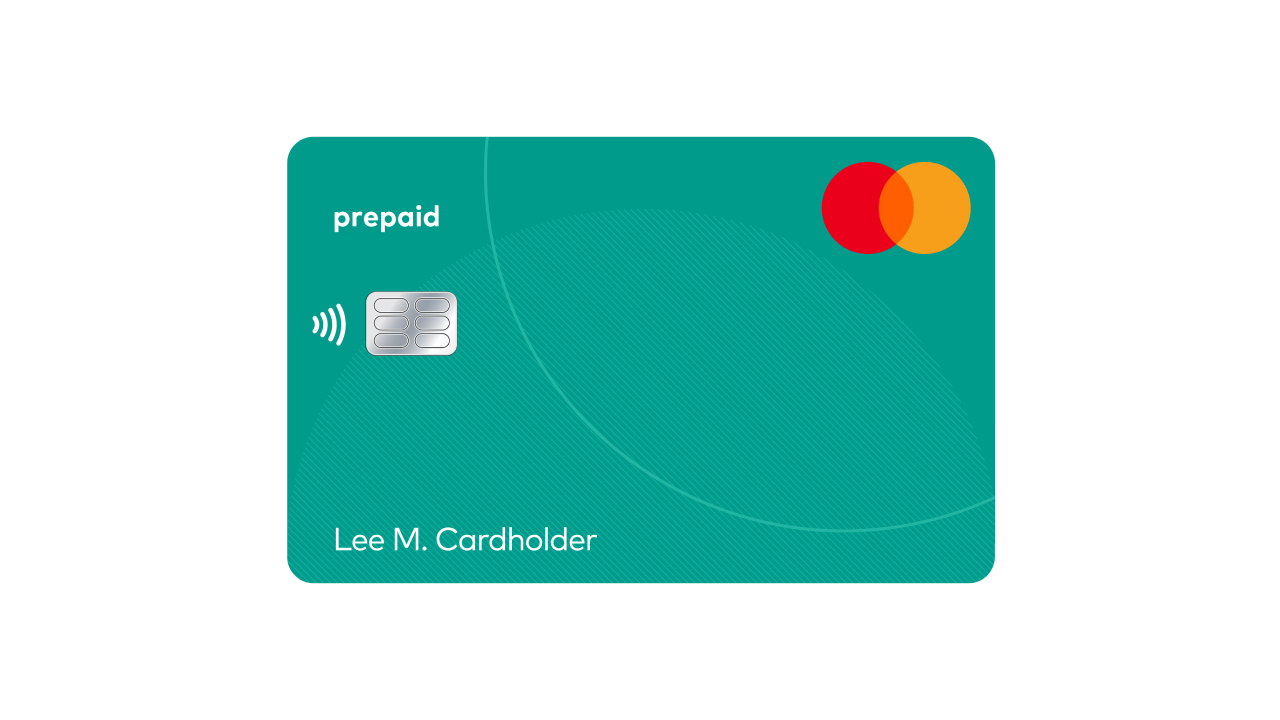
Perhaps one of the most significant contributions of prepaid debit cards is their role in financial inclusion. For the millions of unbanked and underbanked individuals globally, these cards provide a vital link to the modern financial system. They enable participation in the digital economy, facilitate the receipt of wages or government benefits without relying on costly check-cashing services, and offer a safer alternative to carrying large amounts of cash. By providing access to electronic payments and some essential banking-like features, prepaid cards empower individuals to manage their money more effectively and participate more fully in commerce.
In conclusion, prepaid debit cards are versatile financial tools that cater to a wide range of needs. Whether you’re looking for an alternative to traditional banking, a budgeting aid, or a secure way to manage funds, knowing where to get one and what to consider is the first step toward leveraging their benefits. By carefully evaluating providers, understanding fee structures, and prioritizing security, you can confidently choose a prepaid debit card that seamlessly integrates into your financial life.
aViewFromTheCave is a participant in the Amazon Services LLC Associates Program, an affiliate advertising program designed to provide a means for sites to earn advertising fees by advertising and linking to Amazon.com. Amazon, the Amazon logo, AmazonSupply, and the AmazonSupply logo are trademarks of Amazon.com, Inc. or its affiliates. As an Amazon Associate we earn affiliate commissions from qualifying purchases.