
Prepaid credit cards, often referred to simply as prepaid cards, represent a distinct and increasingly popular financial instrument that offers significant flexibility and control over spending. Unlike traditional credit cards, which involve borrowing money, or debit cards, which are directly linked to a bank account, prepaid cards are loaded with funds beforehand. This makes them a powerful tool for budgeting, managing finances without a bank account, or safeguarding against overspending. Understanding where to acquire these cards and how to choose the right one is crucial for leveraging their benefits effectively within one’s personal financial strategy.
Understanding Prepaid Cards: A Financial Tool for Budgeting and Control
Prepaid cards operate on a “pay-as-you-go” principle, meaning you can only spend the money that has been pre-loaded onto the card. This fundamental characteristic makes them an attractive option for a diverse group of individuals seeking greater financial discipline and accessibility. They bridge a gap for those who might not qualify for traditional credit cards or prefer not to use them, offering a widely accepted payment method for both online and in-store purchases.
What is a Prepaid Card?
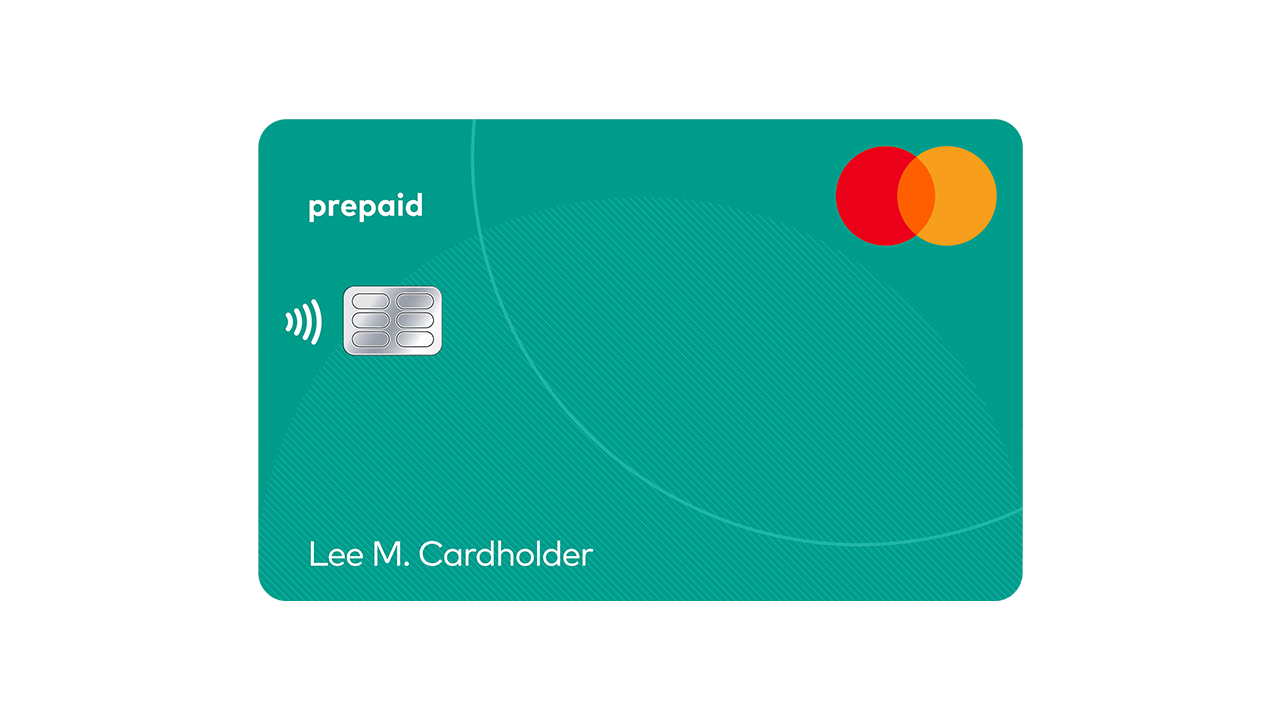
At its core, a prepaid card functions much like a debit card, allowing you to make purchases up to the amount loaded onto it. However, it’s not tied to a bank account. Instead, the funds are stored directly on the card or associated with a card account held by the issuer. Most prepaid cards carry the logos of major payment networks like Visa, MasterCard, American Express, or Discover, ensuring broad acceptance wherever these cards are typically processed. This distinction from traditional credit cards (borrowed funds) and debit cards (linked bank account) is critical for understanding its role in financial management. They offer a tangible, physical card that can be used globally, often with PIN protection and other security features similar to those found on bank-issued cards.
Who Benefits from Prepaid Cards?
The utility of prepaid cards extends across several financial demographics. For individuals aiming to stick to a strict budget, a prepaid card can be an invaluable asset. By loading only a specific amount for certain expenses—such as groceries, entertainment, or travel—users can prevent accidental overspending. They are also highly beneficial for the unbanked or underbanked population, providing a gateway to digital payments and online transactions without the need for a traditional checking account. Travelers often use prepaid cards to manage expenses abroad, minimizing the risk associated with carrying large amounts of cash and often providing better exchange rates than currency exchanges. Parents might use them to teach teenagers about responsible spending, while those looking to rebuild their credit, though it’s important to note prepaid cards do not directly build credit, can use them as a stepping stone towards financial stability by managing funds responsibly before moving to secured credit cards. Furthermore, freelancers and gig workers can use them to segregate business expenses or manage fluctuating income.
Key Advantages and Limitations
The primary advantage of prepaid cards lies in their ability to prevent debt, as you cannot spend more than you have loaded. They typically don’t require a credit check for approval, making them accessible to almost anyone. Security is another major draw; if a prepaid card is lost or stolen, only the loaded funds are at risk, and many come with zero-liability policies. However, limitations exist. Prepaid cards often come with various fees, including activation fees, monthly maintenance fees, transaction fees, and ATM withdrawal fees, which can erode your balance if not carefully managed. Unlike credit cards, they do not help build a credit history, and they usually don’t offer the same level of consumer protections or rewards programs found with premium credit cards. Understanding these trade-offs is essential for making an informed decision about integrating a prepaid card into your financial toolkit.
Primary Sources for Acquiring Prepaid Cards
The availability of prepaid cards has expanded significantly, making them accessible through a variety of channels, each with its own set of offerings and potential fees. The choice of where to obtain one often depends on factors like convenience, fee structure, and the specific features desired.
Major Retailers and Drugstores
One of the most common and convenient places to purchase a prepaid card is at major retail chains and drugstores. Stores like Walmart, Target, CVS, Walgreens, and even some gas stations typically carry a selection of prepaid cards from various providers. These cards are usually available on display racks near the checkout counters. The process is straightforward: you pick a card, take it to the register, pay the activation fee and the amount you wish to load onto it, and the card is ready for immediate or near-immediate use after online activation. This accessibility makes them an excellent option for quick acquisition, especially if you need a card right away. Brands commonly found in these locations include Green Dot, Netspend, and Vanilla Visa/MasterCard.
Financial Institutions (Banks and Credit Unions)
While less common than retailer-issued cards, some traditional banks and credit unions also offer their own branded prepaid cards. These cards might be linked more closely to existing banking services, potentially offering more integrated features or lower fees for existing account holders. For instance, a bank might offer a prepaid card that allows easy transfers from a checking account to the prepaid card without additional fees. The advantage here often lies in potential FDIC insurance on the funds (if the issuer is a bank) and access to established customer service channels. However, not all banks offer them, and their availability can vary by institution. It’s worth checking with your current bank or local credit union if you prefer to keep your financial services under one roof.
Online Providers and Specialty Services
A significant portion of the prepaid card market exists online through dedicated providers. Companies like Netspend, Green Dot, Chime (though Chime offers more comprehensive neo-banking services that include a debit card, it’s often considered by those looking for alternatives to traditional banking that prepaid cards also target), and various others allow consumers to apply for and manage prepaid cards entirely online. These platforms often offer a wider range of features, such as direct deposit, online bill pay, and sometimes even optional savings accounts. The application process typically involves providing personal identification information, and the card is then mailed to your address. Online providers can offer competitive fee structures and greater customization, making them suitable for users comfortable managing their finances digitally. Always verify that online providers are reputable and that their services align with your financial security expectations.
Government Agencies
In certain circumstances, government agencies may issue prepaid cards. For example, tax refunds are sometimes disbursed on prepaid debit cards, particularly for individuals who don’t have a traditional bank account for direct deposit. Similarly, state and federal benefit programs, such as unemployment benefits or food assistance (EBT cards), often use prepaid cards as a means of distribution. While these aren’t cards you can typically “get” on demand, they represent a significant segment of prepaid card usage for specific financial purposes tied to public services.
Navigating the Selection Process: Key Considerations
Choosing the right prepaid card involves more than just picking the first one you see. A careful evaluation of various factors will ensure the card aligns with your financial habits and goals, preventing unexpected costs and maximizing convenience.
Fee Structures
This is arguably the most critical aspect to examine. Prepaid cards are notorious for their complex fee structures. Look for:
- Activation Fees: A one-time fee paid when purchasing the card.
- Monthly Maintenance Fees: A recurring fee, often avoidable if you meet certain criteria (e.g., direct deposit a minimum amount).
- Transaction Fees: Fees for each purchase made, though these are becoming less common.
- ATM Withdrawal Fees: Charges for cash withdrawals, potentially from both the card issuer and the ATM owner.
- Reload Fees: Fees incurred each time you add money to the card.
- Inactivity Fees: Charges if the card remains unused for a certain period.
- Balance Inquiry Fees: Fees for checking your balance at an ATM.
Always read the fine print (the “cardholder agreement”) to understand all potential charges before committing.
Reload Options and Convenience
Consider how you plan to load money onto the card. Common reload methods include direct deposit, bank transfers, cash reloads at participating retailers (often through services like Green Dot Reload @ the Register or Visa ReadyLink), and sometimes even mobile check deposit. Assess the convenience and cost associated with each method. If you anticipate frequent cash reloads, ensure there are convenient locations near you that offer the service at a reasonable fee. For those receiving regular income, direct deposit can often help waive monthly fees and provides immediate access to funds.
Spending Limits and Daily Caps
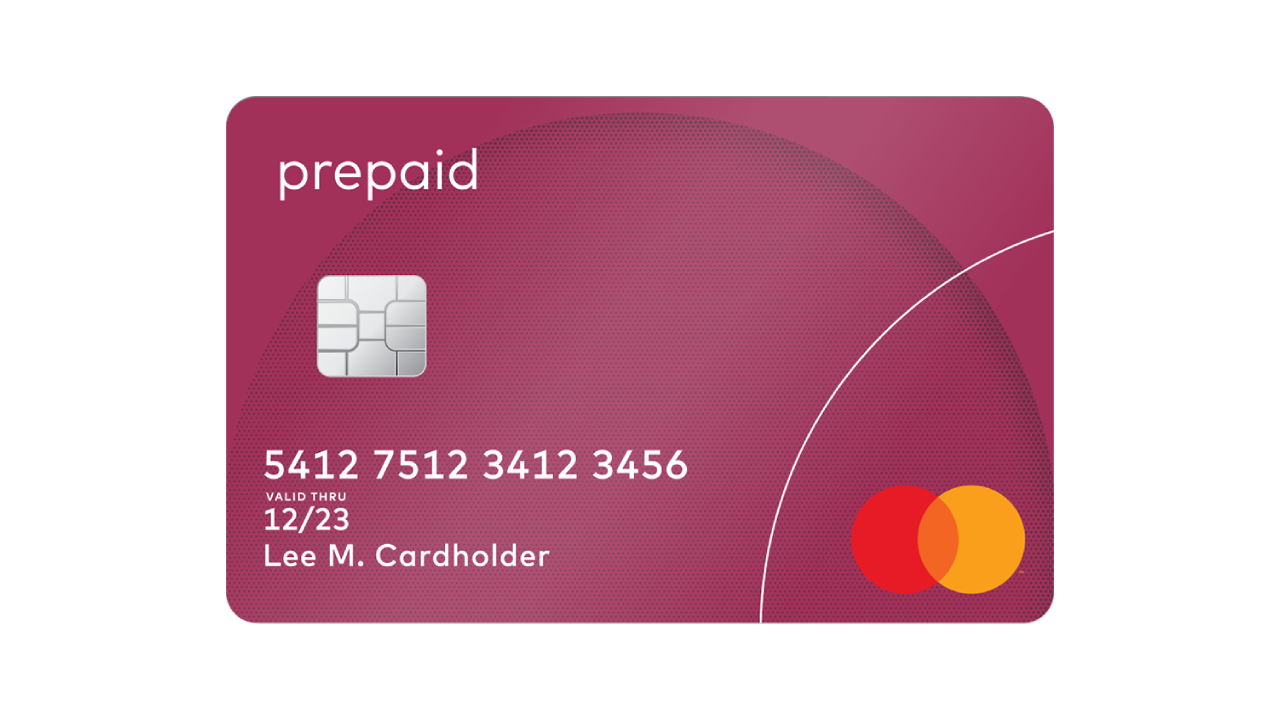
Prepaid cards often come with limits on how much money can be loaded onto the card, how much can be spent daily or per transaction, and how much can be withdrawn from ATMs. These limits are in place for security and regulatory compliance. Ensure the card’s limits are sufficient for your intended usage, especially if you plan to make large purchases or withdraw significant amounts of cash.
FDIC Insurance and Security Features
For peace of mind, ensure your prepaid card’s funds are FDIC-insured, typically meaning the card issuer is a bank or the funds are held by a partner bank that is FDIC-insured. This protects your money up to $250,000 in the unlikely event the issuer goes out of business. Also, look for standard security features like PIN protection, fraud monitoring, and zero-liability policies that protect you from unauthorized transactions.
Additional Features
Some prepaid cards offer features beyond basic spending. These might include online bill pay, mobile app access for balance tracking and transaction history, text or email alerts for transactions, and even sub-accounts for budgeting different categories of spending. While rare, a few premium prepaid cards might offer limited rewards programs, though the value often doesn’t outweigh potential fees. Evaluate which features are truly valuable to your financial habits.
Customer Support and Accessibility
Reliable customer support is crucial, especially if you encounter issues like a lost card or disputed transaction. Check the availability of customer service (phone, email, chat) and read reviews regarding their responsiveness and helpfulness. Also, consider the accessibility of online portals and mobile apps for self-service management.
Activation, Funding, and Responsible Use
Once you’ve selected a prepaid card, getting it ready for use and managing it effectively are straightforward processes that contribute to sound financial habits.
The Activation Process
After purchasing a prepaid card, the first step is typically activation. This often involves visiting a specific website or calling a toll-free number provided on the card packaging. During activation, you’ll usually be asked to provide personal information such as your name, address, date of birth, and possibly your Social Security number. This is a regulatory requirement (Know Your Customer, or KYC) to prevent fraud and money laundering. Once activated, the card is linked to your identity, making it more secure and allowing for potential recovery of funds if lost or stolen. Some cards purchased at retailers might be “ready to use” immediately after the initial load, but most still require online registration for full functionality and security features.
Loading Funds onto Your Card
Loading funds is the essence of a prepaid card. As discussed, methods vary but commonly include:
- Direct Deposit: Setting up your paycheck or government benefits to be deposited directly onto the card. This is often the most cost-effective method and can sometimes waive monthly fees.
- Cash Reloads: Adding cash at participating retail locations by handing cash to a cashier who loads it onto your card. Services like Green Dot’s Reload @ the Register or Visa ReadyLink are popular for this.
- Bank Transfers: Transferring money from a traditional bank account to your prepaid card, often through online banking or an ACH transfer.
- Mobile Check Deposit: Some cards offer the ability to deposit checks by taking a picture with your smartphone.
Always verify any fees associated with your chosen reload method before adding funds.
Budgeting and Tracking Expenditures
The “prepaid” nature of these cards makes them an excellent tool for budgeting. By loading specific amounts for different spending categories (e.g., $200 for groceries, $100 for entertainment), you can easily track and control your spending within those limits. Most prepaid card providers offer online portals or mobile apps where you can monitor your balance, review transaction history, and categorize expenses. Regularly checking these resources can help you stay on budget, identify spending patterns, and quickly spot any unauthorized transactions. This granular control is a significant advantage for those striving for financial discipline.
Security Best Practices
While prepaid cards offer a degree of security, adopting best practices is essential. Treat your prepaid card like cash; if it’s lost, the money is gone unless the card is registered and reported promptly.
- Register Your Card: Always register your card immediately after purchase and activation. This links the card to your identity, allowing for potential fund recovery if lost or stolen.
- Monitor Transactions: Regularly check your transaction history for suspicious activity.
- Protect Your PIN: Never share your PIN and avoid writing it down.
- Be Wary of Scams: Prepaid cards are sometimes used in scams. Be cautious of requests to pay for services or prizes using prepaid cards.
- Keep Records: Retain receipts for purchases to reconcile with your online statements.
Prepaid Cards in the Broader Financial Landscape
Understanding the niche role of prepaid cards within the broader context of personal finance is key to utilizing them effectively and strategically. They serve specific purposes but are not a universal solution for all financial needs.
Not a Credit-Building Tool
It’s crucial to reiterate that prepaid cards do not help build credit history. Unlike secured credit cards, which report payment activity to credit bureaus, prepaid cards simply allow you to spend your own money. Therefore, if your primary goal is to improve your credit score, a secured credit card or other credit-building products would be more appropriate. Prepaid cards can, however, be part of a larger strategy to achieve financial stability, which is a prerequisite for good credit. By helping you manage spending and avoid debt, they can indirectly support a healthier financial foundation.
An Alternative to Traditional Banking
For millions of individuals, prepaid cards offer a viable alternative to traditional checking accounts. This is particularly relevant for the unbanked or underbanked population who may not have access to or prefer not to use traditional banking services due to fees, credit history requirements, or lack of trust. Prepaid cards provide a safe and convenient way to receive income via direct deposit, pay bills, and make everyday purchases without the need for a bank account. They democratize access to electronic payments, integrating more people into the digital economy. While they don’t offer the full suite of services a bank provides (like loans or complex investments), they fulfill many essential transactional needs.
Temporary Solutions vs. Long-Term Financial Planning
Prepaid cards are often best viewed as a tactical tool for specific financial situations rather than a complete long-term financial solution. They excel for budgeting, travel, temporary spending, or as a stepping stone towards more comprehensive financial products. For long-term goals like saving for retirement, investing, or building significant wealth, traditional bank accounts, savings accounts, investment vehicles, and credit-building products are typically more suitable and cost-effective. However, by providing a foundation for responsible spending and financial control, prepaid cards can play a valuable role in an individual’s journey toward overall financial well-being and more sophisticated financial planning.
aViewFromTheCave is a participant in the Amazon Services LLC Associates Program, an affiliate advertising program designed to provide a means for sites to earn advertising fees by advertising and linking to Amazon.com. Amazon, the Amazon logo, AmazonSupply, and the AmazonSupply logo are trademarks of Amazon.com, Inc. or its affiliates. As an Amazon Associate we earn affiliate commissions from qualifying purchases.