
Securing a mortgage is arguably the most significant financial transaction an individual will undertake in their lifetime. For many, a home is not just a place of residence but the cornerstone of their personal wealth and long-term financial strategy. However, the path to homeownership is paved with complex financial decisions, the most critical of which is determining where to source the capital.
The mortgage market is no longer a monolithic entity dominated solely by local banks. Today, it is a diverse ecosystem consisting of traditional retail banks, member-owned credit unions, nimble fintech startups, and specialized government programs. Each of these avenues offers distinct advantages, fee structures, and interest rate profiles. Navigating this landscape requires a deep understanding of how different lenders operate and how their internal financial models affect your bottom line.
Traditional Commercial Banks and National Lenders
For decades, the traditional commercial bank has been the go-to destination for mortgage seekers. These are the large-scale financial institutions with a physical presence across the country, ranging from household names like JPMorgan Chase and Wells Fargo to regional powerhouses.
The Advantage of Relationship Banking
One of the primary reasons borrowers choose traditional banks is the concept of “relationship banking.” If you already hold a checking account, savings account, or investment portfolio with a specific bank, they may offer “relationship discounts.” This can manifest as a reduction in the interest rate (often by 0.125% to 0.25%) or a waiver of certain origination fees. From a personal finance perspective, consolidating your assets under one roof can also simplify the verification process, as the bank already has access to your financial history and liquidity status.
Stability and Diversified Product Suites
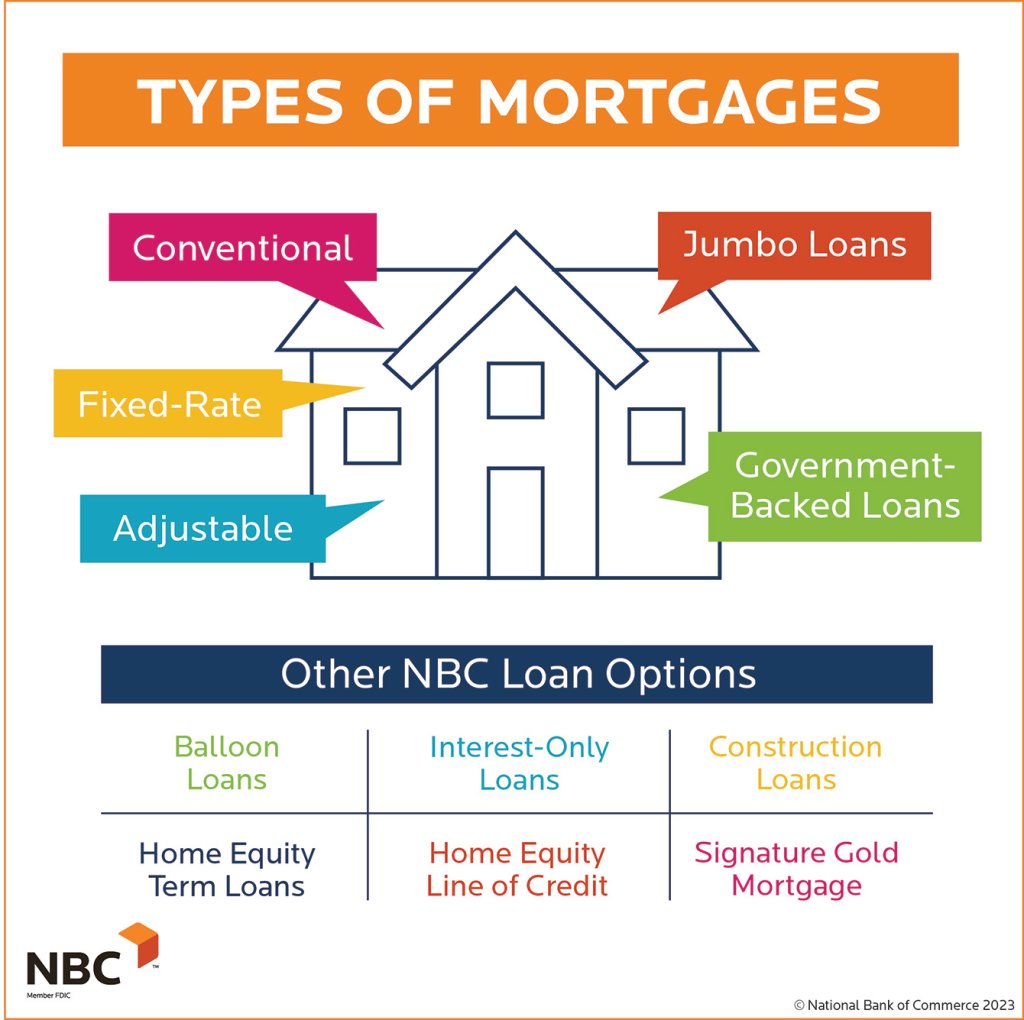
Large banks are often more capitalized and stable than smaller boutique firms. They offer a wide array of mortgage products, including fixed-rate mortgages, adjustable-rate mortgages (ARMs), and jumbo loans for high-value properties. Because these institutions handle high volumes, they are well-versed in the complexities of various financial profiles. However, the downside of their size is often a more rigid underwriting process. If your financial situation is unconventional—for example, if you are a self-employed entrepreneur with fluctuating income—the automated “box-ticking” nature of a large bank’s approval process might lead to a rejection where a more flexible lender might see an opportunity.
Credit Unions and Member-Owned Institutions
Credit unions represent a unique segment of the financial sector. Unlike commercial banks, which are beholden to shareholders and profit maximization, credit unions are not-for-profit cooperatives owned by their members. This structural difference has a direct impact on the cost of borrowing.
Lower Interest Rates and Reduced Fees
Because credit unions do not have to generate profits for external shareholders, they often return their earnings to members in the form of lower interest rates and lower fees. When comparing the Annual Percentage Rate (APR) between a national bank and a local credit union, the credit union frequently wins out. Furthermore, origination fees and “junk fees” are often lower at credit unions, which can save a borrower thousands of dollars in upfront closing costs.
Personalized Underwriting and Community Focus
Credit unions are known for their localized approach to lending. Their loan officers often have a better understanding of the local real estate market and may be more willing to look at a borrower’s total financial picture rather than just a FICO score. If you have a slightly lower credit score but a strong history with the institution, a credit union might offer a “manual underwriting” process, providing a path to a mortgage that a national bank would likely deny. The trade-off is often a slower technological interface; while big banks invest billions in mobile apps, some smaller credit unions may still rely on more traditional, manual paperwork.
The Rise of Online Lenders and Fintech Platforms
The digital revolution has fundamentally altered how consumers access credit. Online lenders, such as Rocket Mortgage or Better.com, have stripped away the physical overhead of brick-and-mortar branches to create a highly efficient, tech-driven mortgage experience.
Speed, Efficiency, and Transparency
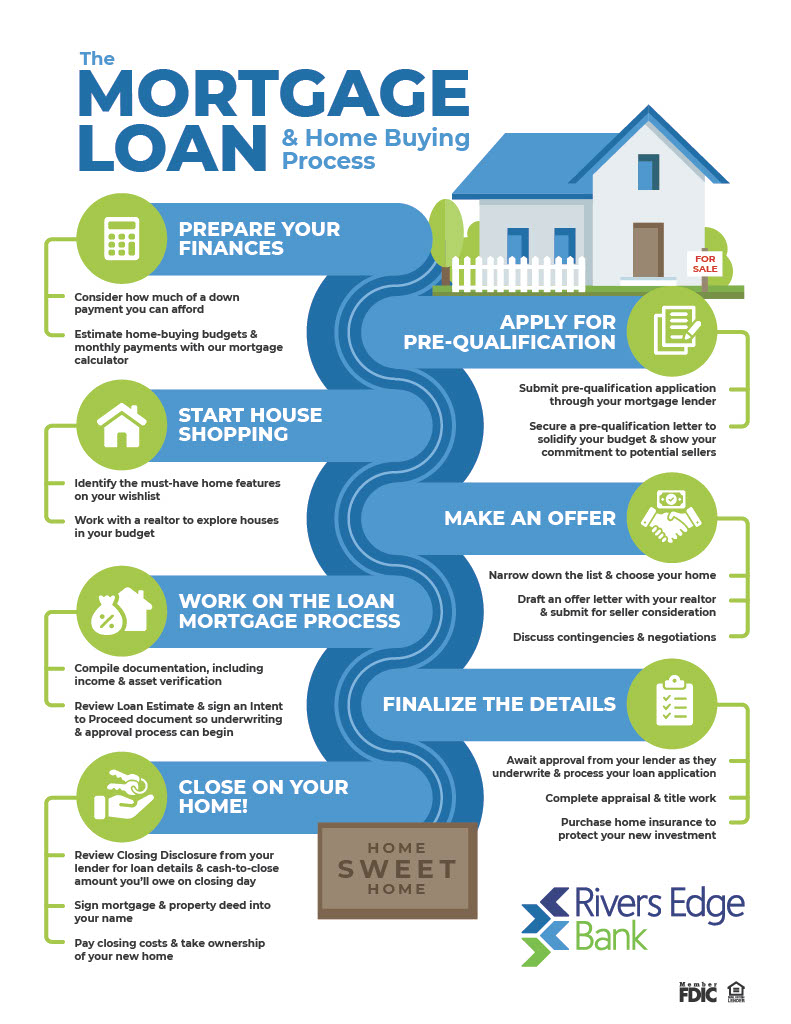
The hallmark of online lending is speed. These platforms use sophisticated algorithms and direct integrations with financial institutions to verify income, assets, and employment in real-time. In a competitive housing market where a “pre-approval” letter is needed within hours, online lenders excel. Their interfaces are designed for the modern consumer, offering 24/7 access to loan status updates and digital document uploads.
Competitive Pricing through Low Overhead
By operating without expensive physical branches, online lenders can often offer highly competitive rates. They rely on volume and efficiency to drive their business models. For a borrower with a straightforward financial profile—W-2 income, a high credit score, and a standard down payment—online lenders offer perhaps the most frictionless experience available. However, borrowers should be cautious; while the digital experience is seamless, the lack of a dedicated, local point of contact can be a disadvantage if the loan hits a snag during the appraisal or title phase.
Mortgage Brokers: The Strategic Intermediaries
A common misconception is that a mortgage broker is the same as a lender. In reality, a broker is an intermediary who acts as a matchmaker between the borrower and a vast network of wholesale lenders.
Access to Wholesale Markets
Mortgage brokers do not lend their own money. Instead, they have access to “wholesale” rates that are not available to the general public. A broker can take your financial profile and shop it across dozens of different banks and private lending institutions simultaneously. This “one-stop-shop” approach can save the borrower an immense amount of time and potentially secure a rate that is lower than what they could find on their own.
Ideal for Non-Traditional Borrowers
Brokers are particularly valuable for borrowers with “bruised” credit, high debt-to-income ratios, or complex income streams (such as 1099 contractors or real estate investors). Because they work with a variety of niche lenders—some of whom specialize in “non-QM” (non-qualified mortgage) loans—they can find creative financial solutions that retail banks simply do not offer. It is important to note, however, that brokers earn a commission, either paid by the lender or the borrower. While this is built into the cost of the loan, savvy borrowers should always ask for a clear breakdown of the broker’s compensation to ensure transparency.
Government-Sponsored Programs and Specialized Loans
For many Americans, particularly first-time homebuyers or those in specific professions, the best place to get a mortgage is through a government-backed program. These loans are not usually issued by the government directly but are insured by government agencies, which reduces the risk for the lender.
FHA, VA, and USDA Options
The Federal Housing Administration (FHA) offers loans that are ideal for those with lower credit scores or smaller down payments (as low as 3.5%). For veterans and active-duty service members, the Department of Veterans Affairs (VA) provides one of the most powerful financial tools in existence: a zero-down-payment mortgage with no private mortgage insurance (PMI). Similarly, the USDA loan program encourages rural development by offering 100% financing for homes in designated rural areas.
The Financial Impact of Low Down Payments
While these programs lower the barrier to entry, they come with specific financial trade-offs. FHA loans, for instance, require Mortgage Insurance Premiums (MIP) that can last for the life of the loan. From a personal finance management perspective, it is essential to calculate the “total cost of borrowing” over the long term. A government-backed loan might get you into a house sooner, but a conventional loan might be cheaper over 30 years if you have the 20% down payment to avoid insurance costs.
Conclusion: Crafting Your Mortgage Strategy
Deciding where to get a mortgage is not a decision that should be made in isolation. It requires an honest assessment of your financial health, including your credit score, your debt-to-income ratio, and your long-term investment goals.
If you value a personal relationship and have significant assets, a traditional bank may be your best bet. If you are looking for the absolute lowest rate and a community-centric approach, a credit union is a strong contender. For those who prioritize speed and a digital-first experience, online lenders are the modern solution. Meanwhile, mortgage brokers offer the most comprehensive market search, and government programs provide the necessary lifelines for those starting their journey with limited capital.
The most successful borrowers are those who “shop the rate.” By obtaining Loan Estimates from at least three different types of lenders, you can leverage the competitive nature of the financial industry to your advantage. In the world of personal finance, a few basis points of difference in an interest rate can equate to tens of thousands of dollars saved over the life of the loan, making the “where” just as important as the “how much.”
aViewFromTheCave is a participant in the Amazon Services LLC Associates Program, an affiliate advertising program designed to provide a means for sites to earn advertising fees by advertising and linking to Amazon.com. Amazon, the Amazon logo, AmazonSupply, and the AmazonSupply logo are trademarks of Amazon.com, Inc. or its affiliates. As an Amazon Associate we earn affiliate commissions from qualifying purchases.