
The search for financial assistance often begins with a simple, urgent query: “where to get a loan near me.” Whether you are facing an unexpected medical bill, planning a significant home renovation, or looking to consolidate high-interest debt, finding a local lender involves more than just a quick map search. It requires a strategic understanding of the personal finance ecosystem, an evaluation of your own creditworthiness, and a discerning eye for terms that protect your long-term financial health.
In the modern financial era, “near me” has two meanings: the physical brick-and-mortar institutions in your neighborhood and the digital platforms that offer localized lending solutions directly through your smartphone. To secure the best possible rates and terms, borrowers must navigate a complex landscape of community banks, credit unions, and alternative lenders.

Local Financial Institutions: The Traditional Path to Capital
For many, the most reliable source of funding remains the traditional financial institution. These entities provide a level of face-to-face service and accountability that is often missing from global megabanks. When you look for a loan within your immediate community, you are participating in a local economic cycle that can offer unique benefits.
Community Banks and Personal Relationships
Unlike large national banks, community banks are often locally owned and operated. Their lending decisions are frequently made by people who live in the same area as the borrower. This proximity allows for a more holistic approach to lending. While a national bank might automatically reject an application based solely on a credit score algorithm, a community bank may take “character loans” or local business potential into account. Establishing a relationship with a local banker can be a significant asset; they understand the local economy and can offer tailored financial advice that a distant corporation cannot.
Credit Unions: The Member-Owned Advantage
Credit unions are non-profit financial cooperatives owned by their members. Because they do not have to answer to outside shareholders, they often return their “profits” to members in the form of lower interest rates on loans and higher yields on savings accounts. If you are looking for a personal loan “near you,” a local credit union is often the most cost-effective choice. Membership requirements are usually based on where you live, work, or worship, making them highly accessible to local residents. Their focus on member service often results in more flexible repayment terms and a more empathetic approach to borrowers with less-than-perfect credit.
Alternative and Short-Term Lending Solutions
Sometimes, traditional banks and credit unions are not the right fit, either due to the speed of funding required or the specific credit profile of the borrower. In these instances, alternative lending channels provide a vital safety net, though they require a higher degree of financial literacy to navigate safely.
Peer-to-Peer (P2P) and Private Lending Networks
The rise of the “sharing economy” has extended into the world of personal finance. Peer-to-peer lending platforms connect individual investors directly with borrowers. While these platforms operate online, many allow you to filter for local investment groups or community-based lending circles. These loans can be faster to secure than traditional bank loans and often offer competitive fixed rates. For small business owners, local private lending groups or “angel investors” within the community can provide capital that comes with valuable local mentorship.
Navigating the Risks of Payday and Title Loans
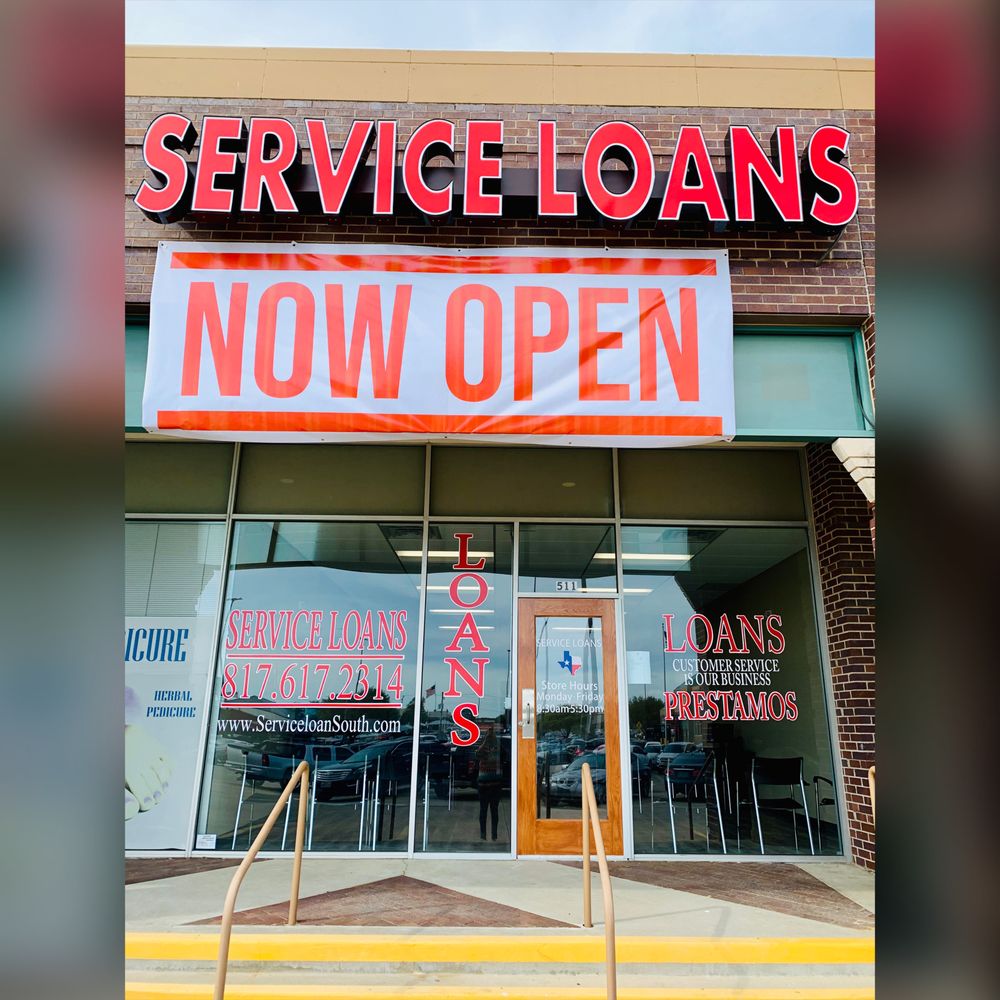
When searching for “loans near me,” you will inevitably encounter storefronts offering “instant cash” or “payday loans.” While these are highly accessible and require little more than a paycheck stub or a car title, they are among the most expensive forms of debt. Interest rates (APRs) on these loans can soar into the triple digits, leading to a cycle of debt that is difficult to break. Financial experts generally recommend these only as a last resort. If you must use these services, it is crucial to have a concrete plan to pay the balance in full by the first due date to avoid predatory interest compounding.
Leveraging Digital Platforms for Localized Lending

The definition of “near me” has been revolutionized by fintech (financial technology). Today, a borrower can access localized loan offers that are tailored to the specific economic conditions and regulations of their state or municipality without leaving their home.
How Geo-Targeted Fintech Bridges the Gap
Many modern lending apps use geolocation and regional data to match borrowers with local credit offers. These platforms aggregate data from various regional lenders to show you the best rates available in your specific zip code. This “digital-local” hybrid approach allows you to enjoy the convenience of an online application while still benefiting from the competitive rates offered by institutions that are legally registered to operate in your area. This is particularly important because lending laws and maximum interest rate caps vary significantly from state to state.
Mobile Banking Apps and Instant Approvals
If you already have a checking or savings account with a local institution, your quickest loan option might be sitting in your pocket. Most modern banks and credit unions offer “pre-approved” loan offers through their mobile apps based on your existing transaction history. Because the bank already has your financial data, the “near me” aspect is solved by the proximity of your data to their internal lending algorithms. This can result in funding that is disbursed within minutes rather than days, providing the ultimate convenience for urgent financial needs.
Preparing Your Financial Profile for Success
Finding a lender is only half the battle; the other half is ensuring that you qualify for the best possible terms. Before walking into a local branch or hitting “apply” on a website, you must understand how lenders view your financial health.
The Role of Credit Scores in Local Approvals
Your credit score is a numerical representation of your reliability as a borrower. Local lenders, while often more flexible than national ones, still rely heavily on your FICO score or VantageScore. A higher score not only increases your chances of approval but also significantly lowers the interest rate you will pay over the life of the loan. Before searching for a loan, it is wise to pull your credit report, check for errors, and ensure your credit utilization is as low as possible. Even a 20-point increase in your score can save you thousands of dollars in interest on a large loan.
Documentation Requirements for Brick-and-Mortar Lenders
Local lenders often pride themselves on thoroughness. To expedite your loan process, you should gather your financial documents in advance. This typically includes:
- Proof of Income: Recent pay stubs, W-2 forms, or tax returns for the self-employed.
- Identification: A valid driver’s license or passport.
- Proof of Residence: Utility bills or a lease agreement to prove you are “local.”
- Debt-to-Income (DTI) Information: A list of your current monthly obligations versus your gross monthly income.
Having these ready demonstrates professional responsibility and can lead to a faster “yes” from the loan officer.
Making the Choice: Factors to Consider Before Signing
The final step in getting a loan “near you” is the evaluation of the offer. Not all loans are created equal, and the “closest” option is not always the best one for your financial future.
APR, Terms, and the Fine Print
When comparing loans, do not look at the monthly payment in isolation. Instead, focus on the Annual Percentage Rate (APR), which includes both the interest rate and any fees associated with the loan. Additionally, look at the loan term—the length of time you have to pay it back. A longer term might mean lower monthly payments, but it also means you will pay more in total interest over time. Always ask if there are “prepayment penalties,” which are fees charged if you decide to pay off the loan early.
Avoiding Predatory Lending Practices
Insightful borrowing requires a degree of skepticism. If a local lender is “guaranteeing” approval regardless of credit, or if they are pushy about adding “loan insurance” or other hidden products, exercise caution. A professional, reputable lender will be transparent about the total cost of borrowing and will encourage you to read the entire contract before signing. In the world of personal finance, if an offer seems too good to be true, it likely carries hidden risks that could jeopardize your financial stability.
By understanding the difference between community-focused institutions, digital-first platforms, and the various tiers of alternative lending, you can transform a simple search for “loans near me” into a well-informed financial decision. Local lending remains a cornerstone of personal finance, offering a blend of modern convenience and traditional relationship-based service that can help you reach your financial goals.
aViewFromTheCave is a participant in the Amazon Services LLC Associates Program, an affiliate advertising program designed to provide a means for sites to earn advertising fees by advertising and linking to Amazon.com. Amazon, the Amazon logo, AmazonSupply, and the AmazonSupply logo are trademarks of Amazon.com, Inc. or its affiliates. As an Amazon Associate we earn affiliate commissions from qualifying purchases.