
Securing the right business loan is often a pivotal moment for entrepreneurs, whether they’re launching a startup, expanding an existing operation, or navigating unexpected financial challenges. The landscape of business financing is vast and dynamic, offering a multitude of options beyond the traditional bank loan. Understanding where to look and what each type of lender offers is crucial for making an informed decision that aligns with your business’s unique needs and long-term financial health. This comprehensive guide will navigate the various avenues available for obtaining a business loan, providing insights into their structures, requirements, and suitability for different business scenarios.
Understanding Your Business Loan Needs
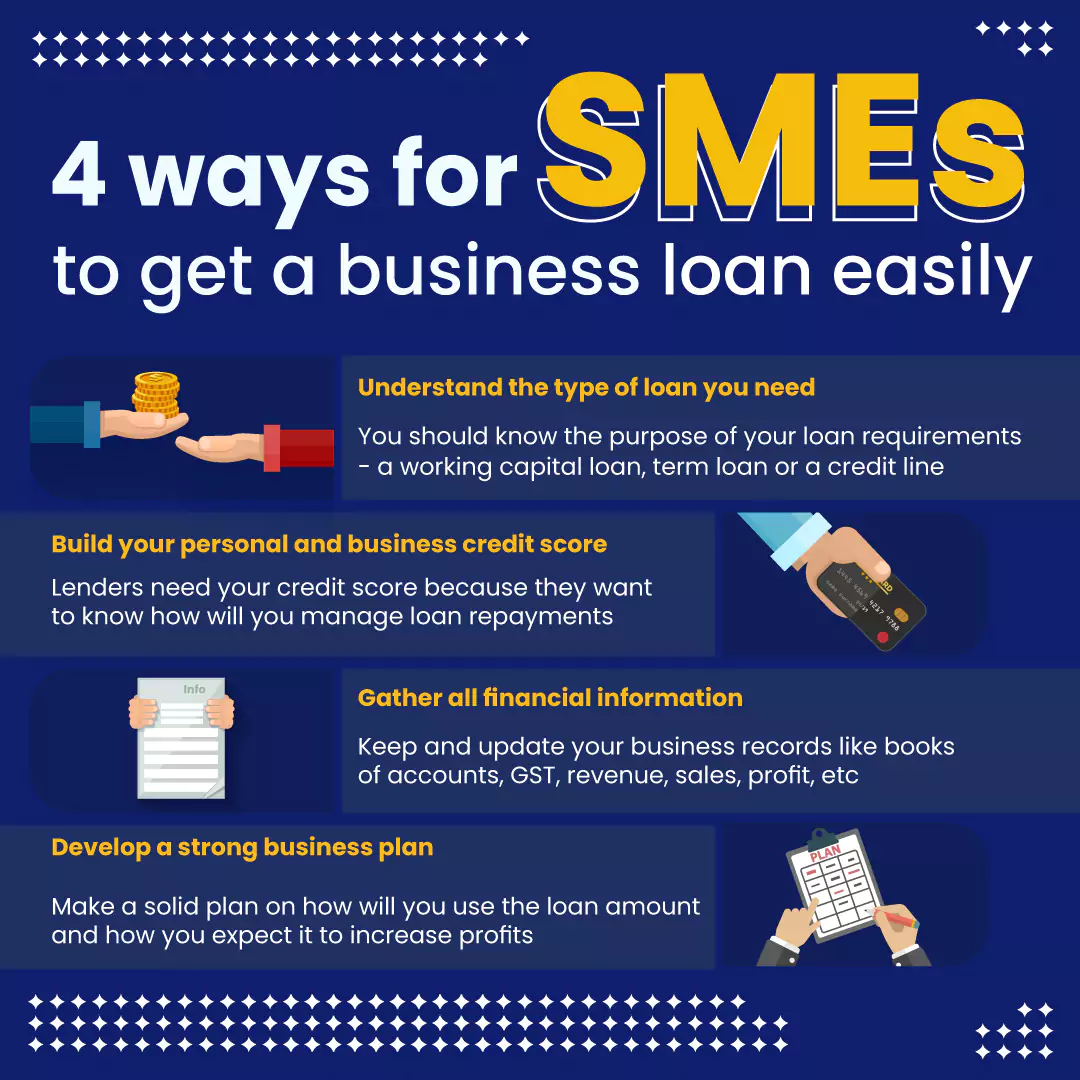
Before embarking on the search for funding, a critical first step is to thoroughly assess your own business’s financial requirements and current standing. This introspection will not only help you identify the most appropriate loan products but also prepare you for the rigorous application process.
Assessing Your Financial Requirements
Begin by quantifying exactly how much capital you need and for what specific purpose. Is it for working capital to cover day-to-day operations? Do you need to purchase new equipment, expand your premises, or invest in marketing? Each of these objectives might be better suited to a particular type of loan. Additionally, consider your projected cash flow and repayment capacity. A realistic assessment prevents over-borrowing, which can lead to unnecessary interest payments, or under-borrowing, which might leave you short of funds prematurely. Creating a detailed financial projection, including profit and loss statements, balance sheets, and cash flow forecasts, will be indispensable.
Types of Business Loans: A Quick Overview
The world of business finance offers a spectrum of loan types, each designed for specific purposes and borrower profiles. These include:
- Term Loans: A lump sum disbursed upfront, repaid over a fixed period with interest.
- Lines of Credit: Flexible access to funds up to a certain limit, drawn upon as needed and repaid, similar to a credit card.
- SBA Loans: Government-backed loans offered through traditional lenders, known for favorable terms.
- Equipment Financing: Loans specifically for purchasing machinery or equipment, often using the asset as collateral.
- Invoice Factoring/Financing: Selling or borrowing against your outstanding invoices.
- Merchant Cash Advances: An advance on future credit card sales.
- Microloans: Small loans, often for startups or very small businesses, typically from non-profit organizations.
Understanding these basic categories will help you narrow down your search as you explore different lenders.
Key Factors Lenders Consider
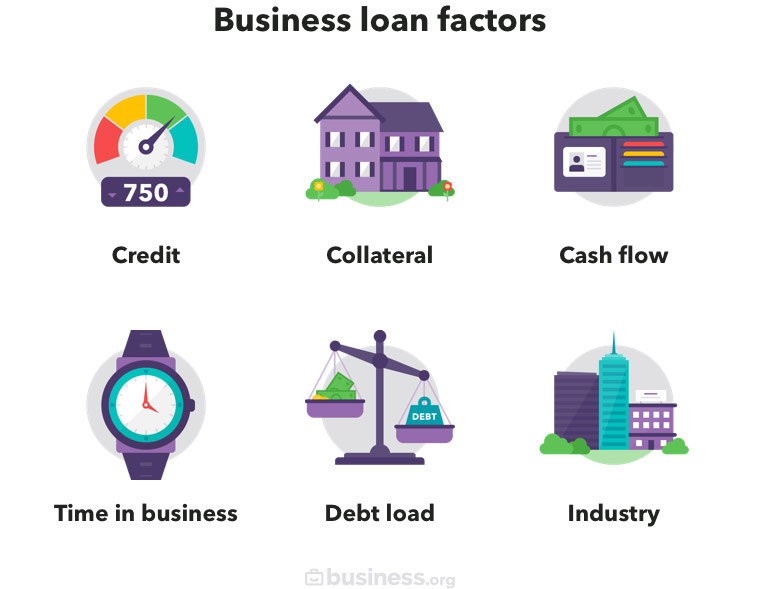
Lenders evaluate several critical factors when assessing a loan application. Commonly known as the “5 Cs of Credit,” these include:
- Character: Your business’s and your personal credit history, trustworthiness, and track record.
- Capacity: Your ability to repay the loan, assessed through cash flow, revenue, and existing debt.
- Capital: The amount of money you or other investors have personally invested in the business, demonstrating commitment.
- Collateral: Assets you can pledge to secure the loan, reducing risk for the lender.
- Conditions: Economic conditions, industry trends, and the specific purpose of the loan.
A strong understanding of these factors will allow you to present your business in the best possible light.
Traditional Lending Institutions
For many businesses, traditional banks and credit unions remain the first port of call for financing. These institutions are known for their established processes, competitive rates, and a broad range of products.
Commercial Banks: The Cornerstone
Commercial banks are the most common source of business loans. They offer a wide array of products, from short-term lines of credit to long-term commercial mortgages. Banks typically prefer businesses with a solid operating history, strong cash flow, and good credit scores (both personal and business). While their application processes can be more stringent and time-consuming, the rewards include lower interest rates and more favorable repayment terms for qualified borrowers. Building a relationship with a local bank can also provide access to advisory services and other financial products beneficial for long-term growth.
Credit Unions: Community-Focused Options
Credit unions, being member-owned non-profit organizations, often offer more personalized service and potentially more flexible terms, especially for small businesses and startups that might not fit strict bank criteria. They prioritize their members’ financial well-being, sometimes leading to slightly lower interest rates or fees compared to larger commercial banks. While their loan portfolios might be smaller, they are excellent options for businesses looking for a local, relationship-based lending experience.
Small Business Administration (SBA) Loans: Government Backing
The U.S. Small Business Administration (SBA) doesn’t lend money directly but guarantees a portion of loans made by approved lenders, including banks and credit unions. This government backing reduces the risk for lenders, making them more willing to offer loans to small businesses that might not otherwise qualify for traditional financing. SBA loans are renowned for their favorable terms, including lower down payments, longer repayment periods, and competitive interest rates. The most popular programs include the SBA 7(a) Loan Program (versatile for many business needs), SBA 504 Loans (for real estate and equipment), and SBA Express Loans (for smaller, faster funding). While the application process can be complex and require extensive documentation, the benefits often outweigh the effort for eligible businesses.
Modern and Alternative Financing Options
In recent years, the financial technology (fintech) sector has revolutionized business lending, introducing a host of alternative options that prioritize speed, accessibility, and specialized funding solutions.
Online Lenders: Speed and Accessibility
Online lenders have emerged as a significant force, particularly for businesses that need fast funding or those that may not qualify for traditional bank loans. These platforms leverage technology to streamline the application and approval process, often providing decisions and funding within days, sometimes even hours. They offer a diverse range of products, including term loans, lines of credit, and short-term working capital loans. While online lenders typically have higher interest rates than traditional banks, their convenience, less stringent requirements (often focusing more on revenue than credit scores), and speed make them an attractive option for businesses with urgent needs or those with less-than-perfect credit.
Merchant Cash Advances: Revenue-Based Funding
A merchant cash advance (MCA) is not technically a loan but an advance on a business’s future credit card sales. In exchange for an upfront lump sum, the lender takes a percentage of daily credit card and debit card receipts until the advance, plus a fee, is repaid. MCAs are often easier to obtain for businesses with consistent credit card sales and can provide very quick funding. However, they are generally among the most expensive forms of financing, with factor rates that can translate to very high annual percentage rates (APRs). They are best suited for businesses with short-term cash flow gaps and a clear plan for rapid repayment.
Equipment Financing: Asset-Backed Solutions
For businesses needing to purchase or upgrade machinery, vehicles, or technology, equipment financing offers a specialized solution. This type of loan uses the purchased equipment itself as collateral, making it easier for lenders to approve. Since the loan is secured, interest rates are often lower than unsecured loans. Equipment financing frees up working capital and allows businesses to acquire essential assets without a large upfront cash outlay. Repayment terms are typically structured to align with the useful life of the equipment, making it a sustainable funding option for capital expenditures.
Invoice Factoring and Financing: Leveraging Receivables
Businesses that frequently deal with slow-paying customers can benefit from invoice factoring or financing.
- Invoice Factoring involves selling your outstanding invoices to a third-party factor at a discount. The factor then collects the payment directly from your customers. This provides immediate cash flow but means you give up control over the collection process.
- Invoice Financing allows you to borrow money against your outstanding invoices. You retain control of collections, and once your customer pays, you repay the lender the advanced amount plus a fee.
Both options are excellent for businesses with substantial accounts receivable, providing quick access to working capital without incurring new debt.
Untapped Sources and Niche Lenders
Beyond the widely known options, several niche lenders and community-focused programs offer specialized support, particularly for underserved businesses or those with unique funding needs.
Community Development Financial Institutions (CDFIs)
Community Development Financial Institutions (CDFIs) are mission-driven financial organizations dedicated to providing financial services to underserved communities and populations. They offer a range of products, including business loans, often with more flexible underwriting criteria and personalized support than traditional banks. CDFIs are an invaluable resource for startups, minority-owned businesses, women-owned businesses, and businesses located in low-income areas that may struggle to access conventional financing. They often combine lending with technical assistance and business advisory services.
Microlenders: Small Loans for Small Businesses
Microlenders, often non-profit organizations, specialize in providing very small loans (microloans), typically under $50,000, to startups and small businesses. These loans are designed to help entrepreneurs who may lack the collateral or credit history required by larger lenders. Microlenders often combine financial assistance with business training and mentorship, aiming to foster economic development and create opportunities within local communities. They are an ideal starting point for very small businesses looking for initial capital to get off the ground or expand minimally.
Peer-to-Peer (P2P) Lending Platforms
Peer-to-peer (P2P) lending platforms connect individual investors directly with borrowers, bypassing traditional financial institutions. For businesses, P2P lending can offer competitive rates and more flexible terms than some conventional options, especially for those with decent credit but perhaps a short operating history. The application process is typically online and streamlined. While P2P lending has grown significantly, it’s important to research the platform’s reputation and borrower reviews, as interest rates and fees can vary widely.
Preparing for Your Loan Application
Regardless of where you decide to seek a business loan, thorough preparation is paramount to increasing your chances of approval and securing the best possible terms.
Essential Documentation Checklist
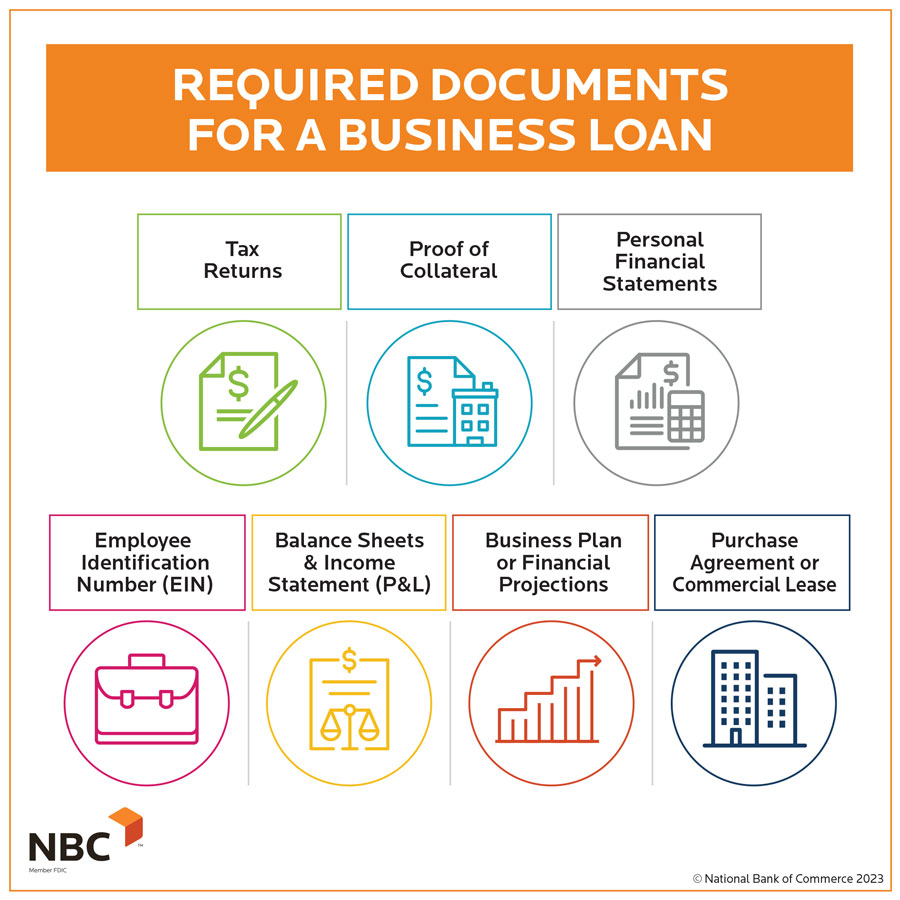
Lenders will invariably request a comprehensive set of documents to assess your creditworthiness and the viability of your business. While specific requirements vary, generally you will need:
- Business Plan: A detailed outline of your business, market analysis, strategies, and financial projections.
- Financial Statements: Historical profit and loss statements, balance sheets, and cash flow statements (typically for the past 2-3 years).
- Personal and Business Tax Returns: For the past 2-3 years.
- Bank Statements: Business bank statements for the past 6-12 months.
- Legal Documents: Business licenses, registrations, articles of incorporation, and operating agreements.
- Personal Credit Report: Lenders will often check both personal and business credit scores.
- Collateral Documentation: If applicable, details of assets to be pledged.
Having these documents organized and readily available will significantly expedite the application process.
Crafting a Compelling Business Plan
Your business plan is more than just a document; it’s your business’s story, vision, and roadmap for success. A well-written, clear, and compelling business plan demonstrates your understanding of the market, your operational strategies, and your financial projections. It assures lenders that you have a viable business model and a clear path to profitability and repayment. Emphasize your unique selling proposition, market opportunity, management team’s expertise, and realistic financial forecasts.
Understanding Loan Terms and Conditions
Before signing any loan agreement, meticulously review and understand all terms and conditions. Pay close attention to:
- Interest Rate: Fixed or variable, and how it’s calculated.
- Repayment Schedule: Monthly, weekly, or daily payments, and the total repayment period.
- Fees: Origination fees, closing costs, late payment penalties, and prepayment penalties.
- Collateral Requirements: What assets are pledged and their implications.
- Covenants: Any conditions or restrictions imposed on your business operations during the loan term.
Don’t hesitate to ask questions and seek clarification on anything you don’t fully understand. Consider consulting with a financial advisor or attorney to ensure the terms are fair and suitable for your business.
In conclusion, the journey to obtaining a business loan is multifaceted, requiring careful planning, research, and preparation. By understanding your specific needs, exploring the diverse range of traditional and alternative lenders, and meticulously preparing your application, you can significantly increase your chances of securing the capital necessary to fuel your business’s growth and success.
aViewFromTheCave is a participant in the Amazon Services LLC Associates Program, an affiliate advertising program designed to provide a means for sites to earn advertising fees by advertising and linking to Amazon.com. Amazon, the Amazon logo, AmazonSupply, and the AmazonSupply logo are trademarks of Amazon.com, Inc. or its affiliates. As an Amazon Associate we earn affiliate commissions from qualifying purchases.