
In the complex tapestry of modern finance, your account number stands as a fundamental identifier, a unique sequence of digits that links you directly to your financial assets, transactions, and a myriad of services. Far from being a mere string of numbers, it is the key to managing your personal finance, whether you’re setting up direct deposits, paying bills, or engaging in investment activities. While often overlooked until urgently needed, knowing exactly where to locate this crucial information for various financial accounts is an essential skill for anyone navigating the financial landscape. This guide delves into the specifics of finding your account numbers across different financial instruments, emphasizing their importance, security, and the best practices for managing this vital data.
Understanding the Importance of Your Account Number in Personal Finance
Before we dive into the practicalities of locating these numbers, it’s crucial to grasp their significance. An account number isn’t just a label; it’s the backbone of your financial interactions, enabling precision and security in a system that demands both. Without it, performing even the most basic financial tasks can become an insurmountable hurdle.
Beyond Simple Identification: Why Account Numbers Matter
Your account number serves multiple critical functions that extend far beyond simply identifying your account. It’s the unique identifier that distinguishes your funds and transactions from millions of others within a financial institution. For banks, it dictates where incoming funds should be credited and from where outgoing payments should be debited. For investment firms, it tracks your specific holdings and portfolio performance. For utility companies, it ensures your payments are correctly applied to your service. This precision is non-negotiable in an era where digital transactions occur at lightning speed and accuracy is paramount to preventing errors and fraud.
Moreover, account numbers are intrinsically linked to security protocols. While they should always be protected, financial institutions use them as part of a multi-factor authentication process or as a reference point when you contact customer service. Providing your account number, often in conjunction with other personal details, confirms your identity, safeguarding your assets from unauthorized access.
The Nexus of Transactions, Security, and Record-Keeping
Every financial transaction, from a simple payment to a complex wire transfer, relies on accurate account numbers. They are the conduits through which money flows, ensuring that your salary reaches your checking account or that your monthly mortgage payment arrives at the correct lender. Without the correct account number, funds can be misdirected, leading to delays, fees, and significant financial headaches.
From a record-keeping perspective, account numbers are indispensable. They form the basis for all your financial statements, tax documents, and transaction histories. When reviewing your past financial activity, reconciling your budget, or preparing for tax season, your account number provides the definitive link to the data you need. Understanding its role empowers you to manage your finances more effectively, fostering greater control and transparency over your monetary affairs.
Navigating Common Sources for Your Bank Account Number
Your primary bank account number—often your checking or savings account number—is arguably the most frequently needed. It’s essential for direct deposits, automatic bill payments, and wire transfers. Fortunately, there are several reliable places to find it.
Unlocking the Power of Your Chequebook and Bank Statements
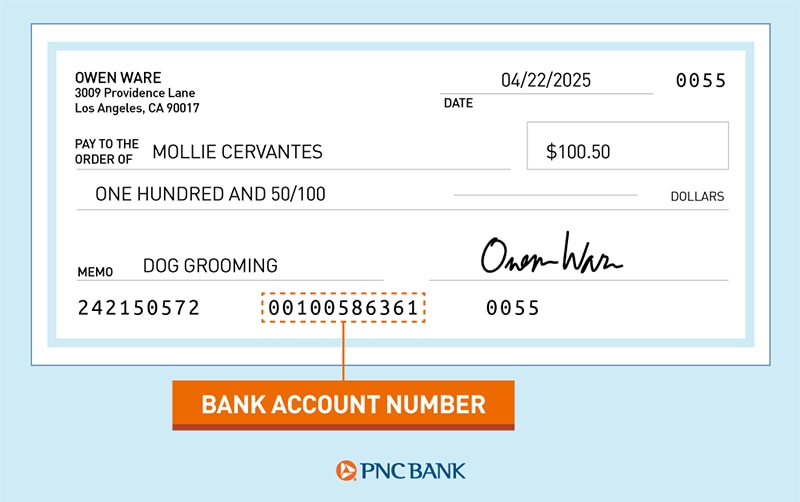
For many, the most traditional and readily accessible source for a checking account number is your physical chequebook. On a standard check, you’ll typically find three sets of numbers printed at the bottom:
- Routing Number: A nine-digit code that identifies your financial institution.
- Account Number: This is the specific number for your checking account, usually found between the routing number and the check number. It can vary in length, often between 10 to 12 digits.
- Check Number: The individual number for that specific check.
Bank statements, whether paper or electronic, are another definitive source. Your account number is prominently displayed on your monthly or quarterly statements, usually near the top of the document or within the account summary section. For electronic statements accessed through your online banking portal, the location will be similar. Keeping a clear record of these statements, either digitally or physically, offers a reliable backup.
Leveraging Digital Banking Platforms: Online Portals and Mobile Apps
In today’s digital age, your bank’s online portal or mobile banking app is often the quickest and most convenient way to access your account number. After securely logging into your account, navigate to the specific account you need (e.g., checking, savings). Most platforms will display the full account number within the account details, summary, or information section.
- Online Banking Portal: Look for sections like “Account Details,” “Account Summary,” “My Accounts,” or “Statements.” Sometimes, you might need to click on a specific account to reveal its full number. Be aware that for security reasons, some online platforms might mask parts of your account number (e.g., displaying only the last four digits) until you specifically click to reveal the full sequence, often requiring re-authentication.
- Mobile Banking App: Similar to online portals, mobile apps usually have a dedicated “Accounts” or “Summary” tab. Tap on the relevant account, and you should find the account number listed. Again, partial masking is common, and you might need to tap an “eye” icon or similar feature to display the full number.
These digital tools offer immediate access, but always ensure you are using official bank applications and websites to avoid phishing scams.
The Direct Route: Contacting Your Financial Institution
If you’ve exhausted the above options or prefer direct assistance, contacting your bank’s customer service is a reliable method. You can typically find their phone number on the back of your debit card, on their official website, or on your bank statements. When you call, be prepared to verify your identity through a series of security questions, such as your full name, address, date of birth, and possibly the last few digits of your Social Security Number or answers to secret questions. While this method can take longer, it’s a guaranteed way to retrieve your account number directly from the source. Remember to have a pen and paper ready to accurately record the information provided.
Locating Account Numbers for Other Financial Services
Beyond traditional bank accounts, many other financial services also utilize unique account numbers. These are equally important for managing your investments, credit, loans, and even household utilities.

Investment and Brokerage Accounts: Statements and Online Dashboards
For investment and brokerage accounts (e.g., for stocks, bonds, mutual funds, retirement accounts like 401k or IRA), the account number is crucial for tracking your portfolio, making contributions, or initiating withdrawals.
- Statements: Your quarterly or annual statements from your brokerage firm will clearly list your investment account number. These are often detailed documents that provide a snapshot of your holdings and transactions.
- Online Dashboards: Similar to banking, investment firms provide online portals where you can manage your portfolio. Log in to your brokerage account online and navigate to the “Account Summary,” “Portfolio,” or “My Accounts” section. Your investment account number should be readily visible there.
- Customer Service: As with banks, contacting your brokerage firm’s customer service is an option if digital or statement access proves difficult. Be ready to pass security verification.
Credit Card and Loan Accounts: Where to Look Beyond the Card Itself
While your credit card has a primary card number, this is not the same as your credit card account number. The card number is used for transactions, but the underlying account number, which links to your credit line and billing, is usually found elsewhere.
- Monthly Statements: Your credit card account number (or sometimes referred to as a “customer ID” or “reference number”) will be prominently displayed on your monthly credit card statements. This is the number you’d use if you’re making a payment by check or need to provide it for customer service inquiries.
- Online Portal: Log in to your credit card issuer’s online portal. Under “Account Details,” “Statements,” or “Billing Information,” you will typically find the full account number.
- Loan Documents: For mortgages, auto loans, student loans, or personal loans, your account number will be clearly stated on your original loan agreements, monthly billing statements, and within your online loan management portal. This number is vital for making payments and tracking your loan progress.
Utility and Service Provider Accounts: Billing Statements and Online Management
Even for non-bank financial services like utilities (electricity, water, gas), internet, or phone services, an account number is assigned. This number is critical for making payments, setting up automatic billing, and communicating with customer support.
- Billing Statements: Your monthly bills from utility and service providers are the primary source for these account numbers. They are usually located at the top of the bill, often near your name and address, or in a dedicated “Account Information” section.
- Online Account Management: Most service providers offer online portals where you can view your bills, manage your services, and find your account number. After logging in, look for sections like “My Account,” “Billing,” or “Profile.”
Best Practices for Securing and Managing Your Account Information
Given the sensitivity and importance of your account numbers, responsible management and robust security practices are paramount. A compromise of this information can lead to significant financial risk.
The Imperative of Digital and Physical Security
Treat your account numbers with the same care you would your wallet or passport.
- Digital Security:
- Strong Passwords: Use unique, complex passwords for all your online banking and financial accounts.
- Two-Factor Authentication (2FA): Enable 2FA wherever possible. This adds an extra layer of security, requiring a code from your phone in addition to your password.
- Secure Networks: Avoid accessing financial accounts on public Wi-Fi networks. Use a secure, private connection or a VPN.
- Beware of Phishing: Be extremely cautious of unsolicited emails or messages asking for your account numbers or login credentials. Always go directly to the official website or app to log in.
- Physical Security:
- Shred Documents: Shred old bank statements, checks, and any documents containing your account numbers before discarding them.
- Secure Storage: If you keep physical records, store them in a secure location, like a locked filing cabinet.
- Limit Sharing: Only share your account number when absolutely necessary and with trusted entities. For example, your employer for direct deposit, or a legitimate biller for automatic payments.
What to Do When Your Account Number is Compromised
Despite best efforts, a breach can occur. If you suspect your account number has been compromised:
- Contact Your Financial Institution Immediately: Notify your bank, credit card issuer, or investment firm. They can advise on next steps, such as monitoring your account for suspicious activity, placing alerts, or even changing your account number in severe cases.
- Monitor Your Accounts: Regularly review your transaction history for any unauthorized activity.
- Report to Authorities: Depending on the nature of the compromise, you may need to file a police report or report it to relevant consumer protection agencies.
- Change Passwords: Update passwords for all associated online accounts.
Organizing Your Financial Data for Easy Access and Safety
Establishing a system for organizing your financial information can save you time and stress.
- Digital Folder: Create a secure, password-protected digital folder on your computer or cloud storage to save electronic statements and key financial documents. Consider using encrypted file storage.
- Physical Filing System: For paper documents, a well-organized filing cabinet with clearly labeled folders can make it easy to retrieve information when needed.
- Financial Management Apps: Utilize reputable personal finance management apps (e.g., Mint, YNAB) that securely aggregate your financial data, but ensure they have strong security protocols and that you understand their data privacy policies.
- Secure Notes: Some individuals use secure password managers or encrypted note-taking apps to store frequently needed account numbers (though this should be done with extreme caution and only if the application provides robust encryption).
Distinguishing Your Account Number from Other Financial Identifiers
It’s common to confuse your account number with other financial identifiers. While each plays a vital role, understanding their distinct functions is crucial for accurate financial management.
Account Number vs. Routing Number: Understanding Bank Transfers
- Account Number: This is your specific identifier within your bank, pointing to your individual checking, savings, or other bank account.
- Routing Number (ABA Routing Transit Number): This nine-digit number identifies your specific financial institution (bank or credit union) and its location. It’s used in conjunction with your account number to direct funds to the correct bank and then to your specific account during transactions like direct deposits, wire transfers, and electronic funds transfers (EFTs). Think of the routing number as the “street address” of your bank and your account number as your “apartment number” within that building.
Account Number vs. Card Number: Clarifying Credit and Debit
- Account Number: As discussed, for credit or debit, this refers to the underlying financial account. It’s found on statements and online portals.
- Card Number: This is the 16-digit (or sometimes different length) number printed on the front of your credit or debit card. It’s primarily used for point-of-sale transactions, online purchases, and ATM withdrawals. While linked to your account, it’s designed for transactional convenience rather than direct account identification for administrative purposes. Sharing your card number carries a higher immediate risk of fraudulent transactions than sharing your underlying account number.

Why Each Identifier Serves a Unique Purpose
Each financial identifier has been designed with a specific function in mind, optimizing for either security, transactional efficiency, or unique identification within a complex financial ecosystem. Misunderstanding or misusing these numbers can lead to transaction errors, security vulnerabilities, or frustration when dealing with financial institutions. A clear grasp of where to find and how to use each identifier is a hallmark of strong personal financial literacy.
In conclusion, your account number is more than just a sequence of digits; it is a critical component of your financial identity and functionality. By understanding where to locate it for various financial instruments, implementing robust security measures, and knowing how it differs from other identifiers, you empower yourself with greater control and confidence in managing your money. This knowledge is not just a convenience, but a necessity in today’s interconnected financial world.
aViewFromTheCave is a participant in the Amazon Services LLC Associates Program, an affiliate advertising program designed to provide a means for sites to earn advertising fees by advertising and linking to Amazon.com. Amazon, the Amazon logo, AmazonSupply, and the AmazonSupply logo are trademarks of Amazon.com, Inc. or its affiliates. As an Amazon Associate we earn affiliate commissions from qualifying purchases.