
In today’s dynamic automotive market, the decision to purchase a vehicle is often a significant financial undertaking. While the allure of a brand-new car fresh off the lot can be strong, a more financially astute approach often points towards the robust and ever-expanding used car market. Far from being a compromise, opting for a pre-owned vehicle can represent one of the smartest money moves a consumer can make, offering substantial savings, reduced depreciation, and access to a broader range of models within a given budget. This guide delves into the various avenues for finding quality used cars, all viewed through the lens of financial prudence, ensuring you make an informed decision that benefits your wallet in both the short and long term.
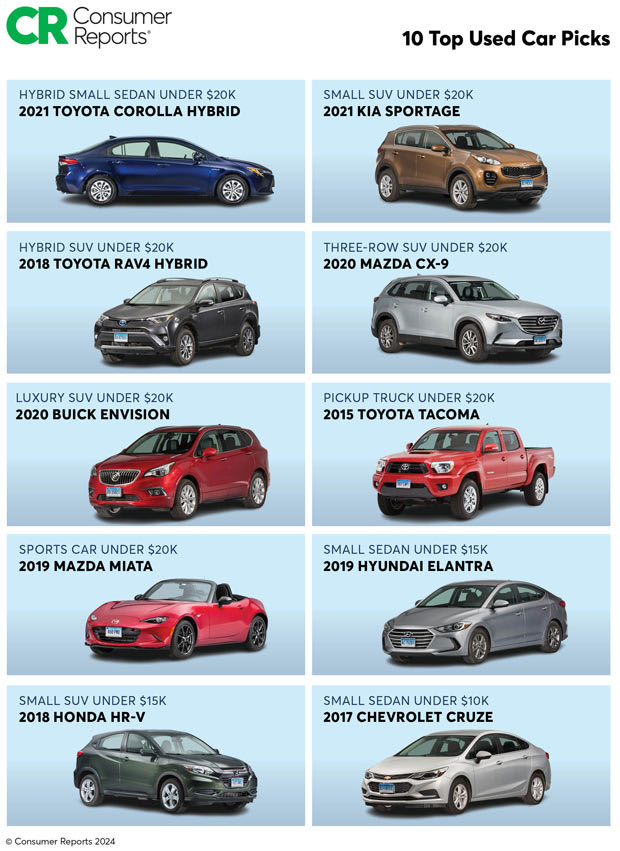
The Financial Imperative: Why Used Cars Make Cents (and Sense)
The primary driver behind the popularity of used cars is undeniably financial. Understanding the economic advantages can significantly influence your purchasing strategy and ultimately save you thousands of dollars. It’s not just about a lower sticker price; it encompasses a range of cost benefits that new cars simply cannot match.
Depreciation: Your Ally in Value Retention
One of the most compelling financial arguments for buying a used car is depreciation. New cars typically lose a substantial portion of their value – often 20-30% – within the first year of ownership, and continue to depreciate rapidly for the first few years. When you buy a used car, you are effectively letting the original owner absorb the brunt of this initial depreciation. This means you acquire an asset that has already undergone its most significant value drop, translating into a lower purchase price and a slower rate of future depreciation. Your investment retains its value more effectively over your ownership period, making a used car a more financially stable asset. It allows you to get more car for less money, and a greater percentage of your capital is preserved rather than evaporating as soon as you drive off the lot.
Reduced Auxiliary Costs: Insurance, Taxes, and Registration
Beyond the sticker price, the total cost of car ownership extends to various auxiliary expenses. Used cars often come with lower insurance premiums because their replacement value is less than that of new vehicles. Insurance companies base their rates on the perceived risk and cost of repair or replacement, so a less valuable car typically means lower monthly payments. Similarly, sales taxes, registration fees, and annual licensing costs are often calculated based on the vehicle’s purchase price or assessed value. A lower purchase price for a used car directly translates to reduced upfront taxes and potentially lower annual fees, further stretching your budget. These seemingly smaller costs accumulate over time, and choosing a used car can lead to significant long-term savings in these often-overlooked areas.
Budget-Friendly Options: More Car for Your Money
The financial leverage gained by choosing a used car is substantial. A budget that might only afford you a basic, entry-level new car could open doors to a well-equipped, higher-trim, or even luxury used vehicle from just a few years prior. This allows consumers to access superior features, better performance, and enhanced safety technologies that would be out of reach in the new car market for the same investment. For budget-conscious buyers, this means not having to compromise on desired features or settling for less reliable brands. It’s about maximizing your purchasing power and optimizing the value derived from every dollar spent on your vehicle.
Digital Highways: Navigating Online Marketplaces for Deals
The internet has revolutionized the way we shop for everything, and used cars are no exception. Online marketplaces offer unparalleled convenience, vast inventories, and powerful tools to help you find the perfect vehicle from a financial perspective.
Established Platforms: Autotrader, CarGurus, and KBB
These are the titans of the online used car market, providing extensive databases of vehicles from both dealerships and private sellers. Websites like Autotrader, CarGurus, and Kelley Blue Book (KBB) allow you to filter searches by make, model, year, price range, mileage, features, and even specific financial criteria like monthly payment estimates. CarGurus, for instance, employs a proprietary algorithm to rank deals from “great” to “overpriced,” offering immediate insights into a vehicle’s market value relative to similar listings. KBB offers valuation tools, enabling buyers to research fair purchase prices and understand trade-in values. Leveraging these platforms allows you to quickly compare prices, assess market trends, and identify potentially undervalued vehicles, ensuring you don’t overpay.
Certified Pre-Owned (CPO) Programs: A Secure Investment
For those seeking a middle ground between new and purely used vehicles, Certified Pre-Owned (CPO) programs offered by manufacturers are an excellent financial consideration. CPO vehicles are typically late-model, low-mileage used cars that have undergone a rigorous multi-point inspection by factory-trained technicians. They come with extended factory warranties, roadside assistance, and often other perks like special financing rates. While CPO cars command a higher price than non-CPO used cars, the added cost is often justified by the enhanced reliability, peace of mind, and reduced risk of unexpected repair costs, making them a sound long-term investment. From a financial standpoint, a CPO vehicle mitigates the financial uncertainty often associated with used car purchases, offering a factory-backed guarantee of quality.
Online Auctions and Niche Sites: Uncovering Hidden Gems (and Risks)
For the savvier and more risk-tolerant buyer, online car auctions (e.g., eBay Motors, Copart for salvage titles) and niche automotive forums can present opportunities for significant savings. These platforms often feature cars at lower-than-market prices, but they come with increased risk. Auction vehicles might have undisclosed issues or salvage titles, requiring thorough due diligence. Niche sites dedicated to specific brands or types of vehicles (e.g., classic car forums, electric vehicle owner groups) can be excellent for finding well-maintained, enthusiast-owned cars, where the previous owner has invested in diligent upkeep. The financial benefit here is the potential to snag a deal that others might overlook, but it demands a higher level of personal expertise and careful vetting to avoid a costly mistake.
Traditional Avenues: Dealerships, Private Sellers, and Auctions
While online platforms dominate, traditional methods of sourcing used cars still hold significant value, offering unique advantages and disadvantages from a financial perspective.
The Dealership Advantage: Convenience, Financing, and Limited Warranties
Traditional dealerships, encompassing both new car franchises with used car departments and dedicated used car lots, remain a popular choice. Their primary financial advantages include convenience, access to in-house financing, and often some form of limited warranty. Dealerships typically handle all the paperwork, offer trade-in options, and can provide financing options for various credit scores. For buyers who prefer a streamlined process and the assurance of professional support, the slightly higher price might be offset by these conveniences. However, it’s crucial to compare their financing rates with external lenders, as dealer financing isn’t always the cheapest option. Always negotiate not just the car price but also the interest rate and any additional fees.

Private Party Purchases: The Art of Direct Negotiation for Maximum Savings
Buying directly from a private seller often presents the greatest opportunity for financial savings. Without the overhead of a dealership, private sellers can typically offer lower prices. This direct interaction allows for more flexible negotiation and can cut out various administrative and dealer fees. The financial benefit is significant: you pay closer to the car’s true market value, as determined by independent valuation guides like KBB or Edmunds. However, private sales also come with less protection. “As-is” sales are common, meaning no warranty. This necessitates rigorous financial due diligence, including an independent pre-purchase inspection (PPI) and a comprehensive vehicle history report, to avoid purchasing a vehicle with hidden and potentially expensive problems.
Independent Used Car Lots: Weighing Local Opportunities Against Potential Pitfalls
Independent used car lots vary widely in size, reputation, and inventory. While some are pillars of their local communities, offering good value and personalized service, others can be less scrupulous. Financially, these lots often have more flexibility in pricing than franchise dealerships, potentially offering competitive deals. They might also cater to specific niches or offer a broader range of older or higher-mileage vehicles that franchise dealers might not stock. The key is to conduct thorough research into the dealership’s reputation, read online reviews, and inspect their inventory meticulously. While potential savings exist, the lack of manufacturer backing and the varied quality of inventory mean a heightened need for financial caution and independent verification of the vehicle’s condition.
Financial Due Diligence: Protecting Your Investment
Regardless of where you find your used car, meticulous financial due diligence is non-negotiable. This process safeguards your investment and prevents costly surprises down the road.
The Indispensable Vehicle History Report: CarFax vs. AutoCheck
Investing in a vehicle history report is paramount. Services like CarFax and AutoCheck compile data from various sources, including DMV records, police reports, and service shops, to provide a comprehensive history of a vehicle. These reports reveal critical information such as accident history, flood damage, salvage titles, odometer discrepancies, service records, and the number of previous owners. Knowing a car’s past can help you avoid a financial nightmare – a car that looks good on the outside but has a problematic history. The small cost of a report is a negligible investment compared to the potential expense of unforeseen repairs on a vehicle with a checkered past.
Pre-Purchase Inspections (PPIs): An Expert’s Eye for Your Wallet’s Sake
A pre-purchase inspection (PPI) by a trusted, independent mechanic is perhaps the single most important step in protecting your financial investment. This is especially true for private sales or vehicles without a warranty. A qualified mechanic will inspect the vehicle thoroughly, from the engine and transmission to the brakes, suspension, and electrical systems, identifying any existing problems or potential future issues. This inspection can uncover hidden mechanical flaws that could lead to thousands of dollars in repairs shortly after purchase. A PPI provides an objective assessment of the car’s condition, giving you leverage for negotiation or, if the problems are too severe, a reason to walk away from a financially risky purchase. The cost of a PPI is a minimal expense that can prevent a much larger financial loss.
Assessing Total Cost of Ownership: Fuel, Maintenance, and Potential Repairs
When evaluating a used car, it’s crucial to look beyond the purchase price and consider the total cost of ownership (TCO). This includes projected fuel costs, routine maintenance, and the potential for future repairs. Research the average reliability and repair costs for the specific make and model you are considering. Websites like Edmunds and Consumer Reports provide valuable data on reliability ratings and estimated five-year ownership costs. A cheaper purchase price might be negated by high fuel consumption, expensive parts, or a reputation for frequent breakdowns. Factor these ongoing expenses into your budget to ensure the car remains financially viable throughout your ownership. A “good deal” on the purchase price doesn’t make sense if the car consistently drains your bank account in operational costs.
Mastering the Transaction: Negotiation and Post-Purchase Safeguards
The final steps in acquiring a good used car involve savvy negotiation and understanding your post-purchase financial protections. These elements are critical for securing the best possible deal and mitigating future financial risks.
Researching Market Value: Your Foundation for Negotiation
Before you even begin to negotiate, arm yourself with knowledge of the car’s market value. Utilize online tools like Kelley Blue Book (KBB.com), Edmunds.com, and NADAguides.com to determine the fair market price based on the vehicle’s year, make, model, mileage, condition, and optional features. These resources provide a range of values (e.g., private party value, trade-in value, retail value) that will empower you to identify if a seller’s asking price is reasonable. Knowing the market value prevents you from overpaying and gives you a strong foundation for negotiating effectively, ensuring you get maximum financial value from the purchase.
Negotiation Tactics: Strategies for a Favorable Outcome
Negotiation is an art, but it’s fundamentally about leverage and information. Start by making an offer below the asking price, especially with private sellers, but ensure it’s a reasonable figure backed by your research. Be prepared to walk away if the deal isn’t right. Highlight any flaws or issues discovered during your pre-purchase inspection as points of negotiation. If financing through a dealership, negotiate the car price before discussing financing to avoid being distracted by monthly payment figures that obscure the true vehicle cost. Consider offering a cash payment (if applicable) as a potential bargaining chip. Remember, the goal is not to “win” but to arrive at a price that is fair for both parties and financially advantageous for you.
Deciphering Warranties and Service Contracts: Essential Financial Protection
When purchasing a used car, understanding available warranties and service contracts is crucial for financial protection. Many dealerships offer limited warranties, particularly on newer used models or CPO vehicles, covering specific components for a set period or mileage. Carefully read the terms to understand what is covered, deductibles, and exclusions. For cars without a dealer warranty, you might be offered an extended service contract (often mistakenly called an “extended warranty”). These are essentially insurance policies against future repairs. While they can provide peace of mind, they come at a cost and often have specific terms, conditions, and exclusions. Evaluate whether the cost of the service contract outweighs the potential financial risk of uncovered repairs, especially for reliable models. Sometimes, saving the money and having an emergency fund for repairs is a more financially sound strategy.
Conclusion
Finding a good used car is not merely about locating a vehicle; it’s about making a financially astute decision that impacts your personal budget for years to come. By understanding the immense financial benefits of depreciation, diligently navigating online and traditional marketplaces, performing thorough financial due diligence with history reports and pre-purchase inspections, and mastering the art of negotiation, you can secure a reliable vehicle that serves your needs without compromising your financial well-being. A used car, chosen wisely, represents a smart investment, offering exceptional value and significant savings that enable you to keep more money in your pocket for life’s other priorities. Approach the search with a focus on value, condition, and total cost of ownership, and you will undoubtedly find a used car that truly makes financial sense.
aViewFromTheCave is a participant in the Amazon Services LLC Associates Program, an affiliate advertising program designed to provide a means for sites to earn advertising fees by advertising and linking to Amazon.com. Amazon, the Amazon logo, AmazonSupply, and the AmazonSupply logo are trademarks of Amazon.com, Inc. or its affiliates. As an Amazon Associate we earn affiliate commissions from qualifying purchases.