
In a world where travel dreams often collide with budget realities, the quest for cheap plane tickets remains a perennial challenge for many. The allure of exploring new horizons, reconnecting with loved ones across continents, or simply escaping the mundane is undeniable. Yet, the price tag associated with airfare can often be the most significant barrier, transforming an exciting prospect into a daunting financial hurdle. This guide is crafted for the financially savvy traveler, aiming to demystify the complex world of airline pricing and equip you with practical strategies to significantly reduce your travel expenses. Finding cheap flights isn’t just about luck; it’s about understanding market dynamics, employing strategic planning, and leveraging the right financial tools and insights. By adopting a proactive and informed approach, you can unlock incredible value, stretching your travel budget further and turning those aspirational trips into tangible experiences.
Understanding the Dynamics of Airfare Pricing: The Economic Undercurrents
The price of an airline ticket isn’t static; it’s a fluid entity influenced by a complex interplay of economic factors, technological algorithms, and market behaviors. For the financially astute traveler, grasping these underlying dynamics is the first step toward strategically identifying and securing lower fares. Airlines operate on sophisticated revenue management systems designed to maximize profit, meaning they constantly adjust prices based on a multitude of variables.
Supply and Demand: How Routes and Seasons Impact Cost
At its core, airfare pricing is a classic example of supply and demand economics. Popular routes, especially during peak travel seasons, will naturally command higher prices due to increased demand. Conversely, less frequented routes or off-peak periods often present opportunities for significant savings.
- Peak Seasons: Holidays (Christmas, Easter, Thanksgiving), summer vacation months, and major festivals or events in destination cities invariably lead to price surges. Everyone wants to fly then, so airlines raise prices.
- Shoulder Seasons: The periods immediately before or after peak season (e.g., late spring, early autumn) often offer a sweet spot. The weather is still pleasant, tourist crowds are thinner, and airfare prices begin to drop as demand tapers off.
- Off-Peak: Winter months (excluding holidays) and mid-week flights are typically the cheapest. Flying on Tuesdays, Wednesdays, and Saturdays is often more economical than flying on Fridays or Sundays, which are high-demand days for business and leisure travelers alike. Understanding these cyclical patterns allows you to align your travel schedule with periods of lower financial outlay.
The Algorithms: Airline Pricing Strategies Explained
Airlines employ highly sophisticated algorithms that analyze vast amounts of data to set and adjust ticket prices in real-time. These algorithms consider factors such as:
- Booking Curves: Prices tend to be highest when tickets are first released, drop slightly as the departure date approaches (to stimulate early bookings), and then often rise sharply in the final weeks as availability dwindles and last-minute business travelers book.
- Competitor Pricing: Airlines constantly monitor each other’s prices on competing routes and adjust their own to remain competitive or to undercut rivals strategically.
- Historical Data: Past sales data for specific routes, dates, and times informs future pricing predictions.
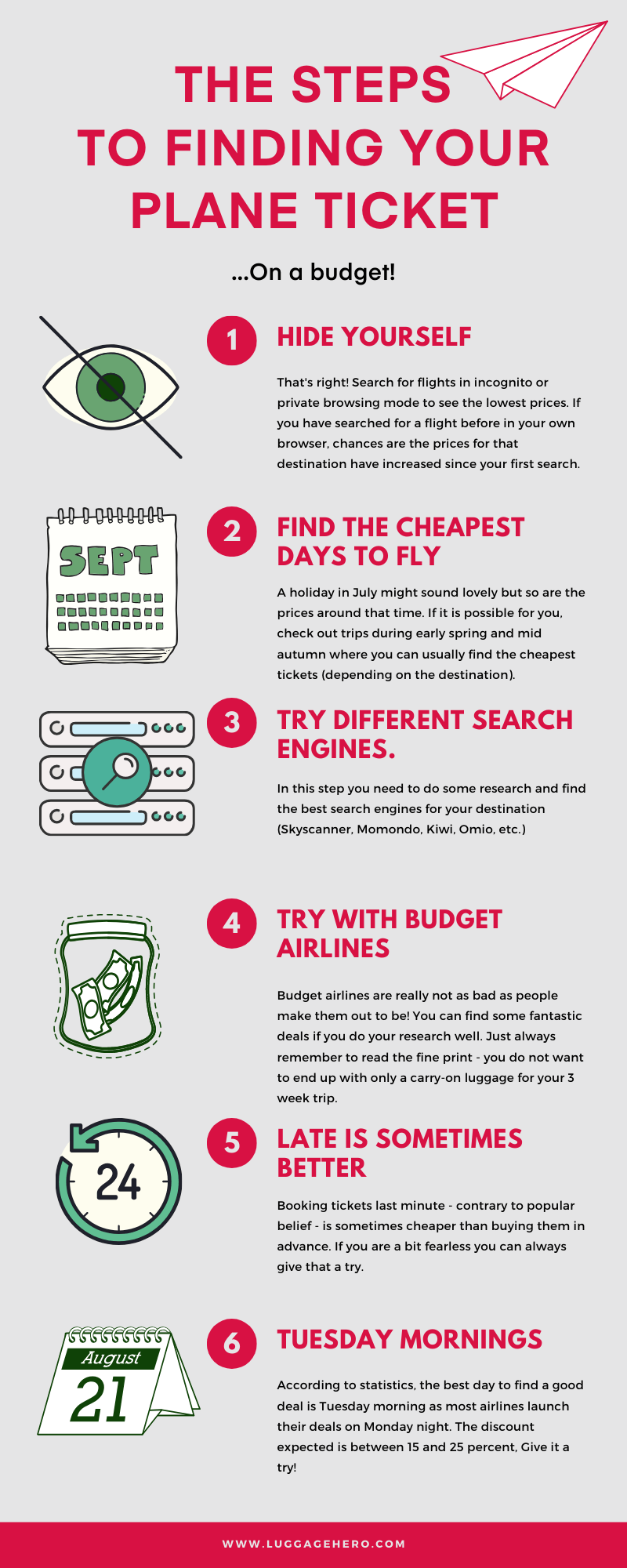
- User Behavior: Some algorithms can even track your browsing history (though using incognito mode can help mitigate this). If you repeatedly search for the same flight, the price might appear to increase, creating a sense of urgency to purchase. This is where a savvy financial consumer uses tools like VPNs or incognito windows to prevent perceived price manipulation.
Early Bird vs. Last Minute: Dispelling Myths
The myth that waiting until the last minute always yields the cheapest flights is largely outdated. While “error fares” or desperate last-minute sales do occasionally occur, they are rare exceptions. For most conventional travel, booking too late can be financially detrimental.
- The “Sweet Spot”: For international flights, the optimal booking window is generally considered to be 2-8 months in advance. For domestic flights, it’s typically 1-3 months out. This period allows airlines to gauge demand and adjust pricing before seats become scarce.
- The Risk of Waiting: As the departure date nears, especially within 2-3 weeks, airlines know that travelers booking are often doing so out of necessity (business trips, emergencies) and are less price-sensitive. Prices will often surge dramatically during this period, significantly impacting your travel budget. Planning ahead is a key financial discipline for airfare savings.
Strategic Planning for Maximum Savings: Financial Prudence in Travel
Beyond understanding how prices are set, active strategic planning is paramount for the financially astute traveler. This involves a disciplined approach to your travel itinerary, leveraging digital tools, and making conscious choices that directly impact the cost of your ticket.
Flexibility is Your Financial Friend: Dates, Times, and Airports
The single most impactful financial strategy for finding cheap flights is embracing flexibility. Rigidity in your travel plans can severely limit your options and drive up costs.
- Flexible Dates: If your schedule allows, search for flights across an entire month or even year. Many flight search engines offer this functionality (e.g., Google Flights’ “grid view” or Skyscanner’s “Cheapest Month”). Shifting your departure or return by just a day or two can sometimes save hundreds of dollars.
- Flexible Times: Red-eye flights (overnight) or very early morning departures are often less expensive because they are less convenient. If you can manage a few hours of discomfort, the financial reward can be substantial.
- Flexible Airports: Consider flying into or out of smaller, secondary airports near your destination. They often have lower landing fees, which airlines may pass on to consumers in the form of cheaper tickets. For example, flying into London Stansted or Luton instead of Heathrow, or Newark instead of JFK, could offer significant savings, even accounting for additional ground transportation costs. Always do the math to ensure the overall cost-benefit.
The Power of Incognito Mode and VPNs
While not a universal guarantee, using incognito browsing mode or a Virtual Private Network (VPN) can sometimes prevent dynamic pricing from impacting your search. Airlines and online travel agencies (OTAs) can track your searches through cookies and IP addresses. If they detect repeated searches for the same flight, they might (though this is debated and hard to prove definitively) infer increased demand and subtly raise prices.
- Incognito Mode: Clears cookies and browsing data for that session, making it harder for sites to track your search history.
- VPN: Masks your IP address, allowing you to appear as if you’re browsing from a different geographical location. Some suggest that searching from countries with lower purchasing power can sometimes yield cheaper fares, although this varies greatly and is not a consistent strategy.
Setting Price Alerts and Monitoring Tools
Passive monitoring is a highly effective, low-effort financial strategy. Many flight search engines offer free price alert services.
- How it Works: You set up an alert for a specific route and dates (or flexible dates), and the service notifies you via email or app notification when the price changes or drops.
- Recommended Tools: Google Flights, Skyscanner, Kayak, and Hopper are excellent for this. Hopper even offers predictions on whether prices are likely to go up or down. This allows you to “set it and forget it” until a financially opportune moment arises.
Avoiding Peak Travel Periods: Holidays and School Breaks
This ties back into supply and demand. Airlines know that during major holidays and school breaks, demand for flights is inelastic – people have to travel, regardless of cost. Therefore, prices skyrocket. If your travel dates are flexible, absolutely avoid these periods. If you must travel during these times, book far, far in advance (as discussed in the “early bird” section) to mitigate some of the financial impact.
Leveraging Specialized Search Tools and Platforms: Your Financial Arsenal
The digital age has blessed us with an array of powerful flight search tools, each with unique strengths. Understanding which tool to use for what purpose is crucial for the financially savvy traveler.
Meta-Search Engines: Google Flights, Skyscanner, Kayak, Momondo
These platforms don’t sell tickets directly; instead, they aggregate flight information and prices from hundreds of airlines and OTAs, acting as powerful comparison tools.
- Google Flights: Excellent for its intuitive interface, flexible date searches (calendar view, explore map), and price tracking features. It often shows you the cheapest days to fly for a given route.
- Skyscanner: Renowned for its “Everywhere” search function, allowing you to find the cheapest destinations from your home airport. Great for inspiration if you have a budget but no specific destination.
- Kayak: A comprehensive meta-search engine that also compares prices from various OTAs and even provides fare predictions.
- Momondo: Often finds slightly different (and sometimes cheaper) results by including smaller OTAs that other aggregators might miss. It’s known for its visual “flight insight” data.
Always cross-reference prices across several of these engines before making a booking decision. The financial difference can be significant.
Budget Airline Specialists: Wizz Air, Ryanair, Spirit, Southwest (and their direct sites)

While meta-search engines are great, budget airlines often play by their own rules. Many low-cost carriers (LCCs) don’t list their fares on aggregators or might offer special deals only on their direct websites.
- Direct Bookings: After finding a potential flight on a meta-search engine, always check the airline’s direct website. Sometimes they offer slightly lower prices or exclusive deals to encourage direct bookings.
- LCC-Specific Search: For specific regions known for budget airlines (e.g., Europe with Ryanair, Wizz Air; USA with Spirit, Southwest, Allegiant), it’s worth checking their sites directly, especially if you’re willing to forgo amenities and adhere to strict baggage policies to save money. Be acutely aware of their often extensive additional fees (baggage, seat selection, printing boarding passes) which can quickly erode initial savings if not factored into your total financial calculation.
Error Fares and Flash Sales: The Art of the Deal
While rare, identifying and acting quickly on error fares or flash sales can result in extraordinary savings.
- Error Fares: These are typically mistakes made by airlines or OTAs when inputting prices, leading to unbelievably low fares. They don’t last long, as airlines correct them quickly.
- Flash Sales: Promotional sales offered by airlines for a limited time.
- How to Find Them: Follow dedicated “deal” websites and social media accounts (e.g., Scott’s Cheap Flights, Secret Flying, The Flight Deal). Subscribe to their newsletters. If you see one, you need to be prepared to book immediately and be flexible with your travel plans.
Beyond the Search Engine: Unconventional Strategies for Financial Leverage
Smart travelers look beyond the obvious. There are several creative financial strategies that can unlock substantial savings or even allow you to fly for free.
Loyalty Programs and Credit Card Rewards: Flying for (Almost) Free
This is a cornerstone of advanced financial travel hacking.
- Airline Loyalty Programs: Join every airline’s frequent flyer program. Even if you don’t fly one airline exclusively, accumulating miles from partner airlines or transfers from credit card points can add up. Look for sign-up bonuses and elite status benefits.
- Travel Credit Cards: Many credit cards offer substantial sign-up bonuses in points or miles, which can be redeemed for flights. Look for cards with no annual fee for the first year, strong earning rates on travel or everyday spending, and valuable redemption options. Always ensure you can meet the minimum spending requirements responsibly and pay off your balance in full each month to avoid interest charges, which would negate any travel savings. This is a powerful but disciplined financial tool.
- Transfer Partners: Some credit card points (e.g., Chase Ultimate Rewards, American Express Membership Rewards) can be transferred to various airline loyalty programs, offering greater flexibility and potentially better redemption value.
Open-Jaw and Multi-City Tickets: Creative Itinerary Savings
Don’t assume you must fly round-trip into and out of the same airport.
- Open-Jaw: Fly into one city and out of another (e.g., New York to London, then Paris to New York). This can save money by avoiding backtracking and often allows you to see more destinations efficiently.
- Multi-City: Book multiple segments in one ticket (e.g., New York to London, London to Paris, Paris to New York). Sometimes, booking these as separate one-way tickets can be cheaper, but multi-city tools on search engines can help you compare.
These options require a bit more planning but can offer significant financial advantages, especially when combined with ground transportation between cities.
Consider Package Deals (Flights + Hotel): When Bundling Makes Sense
Sometimes, bundling your flight with a hotel or car rental through an OTA can result in a lower overall cost than booking each component separately. This is because OTAs often receive wholesale rates for packages.
- Financial Due Diligence: Always compare the package price against the cost of booking the flight and hotel individually. Use an incognito browser to compare. While not always cheaper, it’s a financial comparison worth making, especially for longer trips or specific destinations.
The Art of the Layover: Longer Journeys, Lower Costs
Direct flights are convenient but often carry a premium. Flights with one or more layovers are almost invariably cheaper.
- Strategic Layovers: If you have the time and are willing to endure a longer journey, choosing flights with layovers can result in substantial savings. Sometimes, a layover even allows for a brief stopover in an interesting city, turning a necessary wait into a mini-adventure.
- Hidden City Ticketing (Use with Caution): This advanced (and somewhat controversial) strategy involves booking a flight to a final destination with a layover at your actual desired destination, and then simply getting off at the layover city. For example, booking NYC-Dallas-Austin but only flying NYC-Dallas. While it can offer significant savings, airlines frown upon it and it comes with strict rules (e.g., no checked bags, only one-way tickets, potential loss of frequent flyer miles). Use at your own risk after thorough financial and operational consideration.
Avoiding Hidden Costs and Maximizing Value: Smart Spending Beyond the Ticket
The cost of your plane ticket is often just one component of your overall travel budget. A truly financially savvy traveler also considers and mitigates other potential expenses.
Baggage Fees: Carry-on Only or Strategic Packing
Budget airlines, in particular, are notorious for their baggage fees. These can quickly add up and negate any initial savings on the ticket price.
- Carry-on Only: If possible, embrace minimalist packing and travel with only a carry-on bag. Familiarize yourself with each airline’s specific carry-on dimensions and weight limits.
- Pre-purchasing Baggage: If you absolutely need to check a bag, almost always pre-purchase the allowance online during booking. Paying at the airport is significantly more expensive.
- Shared Baggage: If traveling with companions, pool your baggage allowance efficiently.
Seat Selection and In-Flight Amenities: What’s Worth Paying For?
Airlines unbundle services to offer cheaper base fares, then charge for “extras.”
- Seat Selection: If you don’t mind where you sit, skip paying for seat selection. You’ll be assigned a seat at check-in, often for free. If traveling with family, however, the peace of mind of sitting together might be a worthwhile financial investment.
- In-Flight Meals and Entertainment: Pack your own snacks and bring loaded entertainment on your personal devices. The markup on airplane food and paid Wi-Fi is substantial.
Transportation to and from Alternate Airports
While flying into a smaller, cheaper airport can save money on airfare, factor in the cost and time of ground transportation to your final destination. A cheap flight to an airport two hours away with an expensive taxi fare might end up costing more than a slightly pricier flight directly to a major hub. Always do a full cost-benefit analysis.

Travel Insurance: An Essential Investment?
While an added upfront cost, travel insurance can be a critical financial safeguard, especially for international trips or expensive bookings. It can protect you from unforeseen expenses related to trip cancellations, medical emergencies abroad, lost luggage, and more. Consider it a necessary part of your travel budget, much like health insurance for your home life.
In conclusion, finding cheap plane tickets is an achievable goal for those willing to invest time in research, embrace flexibility, and apply sound financial principles to their travel planning. By understanding how airlines price their tickets, leveraging powerful online tools, and employing unconventional booking strategies, you can significantly reduce your travel expenses. The world is waiting, and with these insights, you can explore it without breaking the bank, transforming your travel aspirations into affordable realities. Happy travels, and may your flights always be financially prudent!
aViewFromTheCave is a participant in the Amazon Services LLC Associates Program, an affiliate advertising program designed to provide a means for sites to earn advertising fees by advertising and linking to Amazon.com. Amazon, the Amazon logo, AmazonSupply, and the AmazonSupply logo are trademarks of Amazon.com, Inc. or its affiliates. As an Amazon Associate we earn affiliate commissions from qualifying purchases.