
In an era of rising living costs and increasing financial awareness, the quest for affordable yet stylish clothing is more relevant than ever. For many, dressing well on a budget isn’t just about saving a few dollars; it’s a fundamental aspect of prudent personal finance and a testament to smart consumerism. This guide delves into the multifaceted world of budget-friendly apparel, offering actionable strategies to locate quality garments without compromising your financial well-being. From understanding the true cost of fashion to navigating online marketplaces and embracing sustainable alternatives, we explore how savvy shopping habits can significantly impact your bottom line.
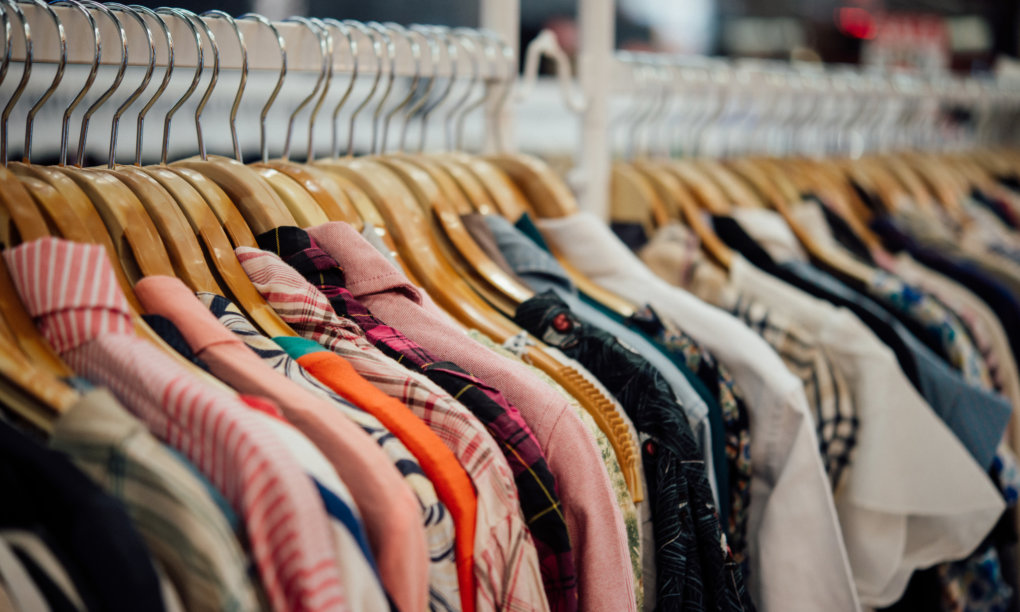
The Financial Imperative: Why Cheap Clothes Matter
The clothes we wear serve many purposes—protection, self-expression, professional presentation—but their financial implications are often overlooked. A significant portion of discretionary income can be absorbed by clothing purchases if not managed judiciously. Understanding the financial imperative behind finding “cheap” clothes isn’t about promoting a disposable fashion mindset, but rather about cultivating a strategic approach to apparel acquisition that aligns with broader financial goals.
Understanding Your Clothing Budget
Effective personal finance begins with a clear understanding of your income and expenses. Clothing, like food and housing, is a recurring expenditure that demands budgeting. Start by tracking how much you currently spend on clothes over a few months. Are you comfortable with this figure? Is it disproportionate to other essential categories? Setting a realistic monthly or quarterly clothing budget is the first step towards financial control. This doesn’t mean depriving yourself; it means making conscious choices and prioritizing where your money goes. Tools like budgeting apps or even a simple spreadsheet can help you allocate funds, identify spending patterns, and stick to your financial plan, ensuring clothing purchases contribute positively to your financial health rather than detracting from it.
The Hidden Costs of Fast Fashion
The allure of ultra-low-priced, trend-driven garments, often referred to as fast fashion, is undeniable. However, the true cost of these items extends far beyond their immediate price tag. Environmentally, fast fashion contributes significantly to pollution and waste, with millions of tons of textiles ending up in landfills annually. Ethically, the pursuit of ever-cheaper production often comes at the expense of fair labor practices in developing countries. Financially, while initially inexpensive, fast fashion items are typically made with low-quality materials and poor construction, leading to a short lifespan. This constant need for replacement creates a cycle of continuous purchasing, which ultimately costs consumers more in the long run than investing in fewer, more durable pieces. Recognising these hidden costs is crucial for a more financially sustainable wardrobe.
Shifting Towards Mindful Consumption
Moving away from impulse purchases and towards mindful consumption is a powerful financial strategy. This involves asking critical questions before buying: Do I truly need this item? Does it fit my existing wardrobe? Is it a quality piece that will last? Is the price reflective of its value? Mindful consumption encourages a focus on value, versatility, and longevity over fleeting trends and sheer volume. It’s about building a cohesive wardrobe that serves your needs, reflects your style, and respects your budget, ultimately leading to greater financial satisfaction and a reduced environmental footprint.
Navigating the Digital Landscape for Deals
The internet has revolutionized the way we shop, making it easier than ever to discover budget-friendly clothing options from the comfort of your home. The digital landscape is brimming with platforms and tools designed to help consumers find competitive prices and exclusive deals.
Online Retailers and Discount Powerhouses
Beyond the conventional brick-and-mortar stores, a vast array of online retailers specialize in offering competitive prices or curated discounts. Major e-commerce giants like Amazon often feature extensive apparel sections with regular sales, daily deals, and a diverse range of brands at various price points. Dedicated discount retailers such as Nordstrom Rack, Saks Off 5th, and Kohl’s frequently offer significant markdowns on brand-name clothing through their online stores. For a broader selection, platforms like ASOS and Zappos have sale sections that are constantly updated, allowing diligent shoppers to snag bargains on both trendy and classic pieces. The key is to explore these sites regularly, often filtering by price or discount percentage, to uncover the best value.
Flash Sale Sites and Daily Deals
For those who enjoy the thrill of a time-sensitive bargain, flash sale sites are a goldmine. Platforms like Gilt, Rue La La, and Woot offer steep discounts on designer and brand-name clothing for a limited time, usually 24-72 hours. While the inventory is constantly rotating and requires quick decision-making, these sites can provide access to high-quality items at significantly reduced prices. Similarly, many mainstream retailers offer “Deal of the Day” promotions, where a specific item or category is heavily discounted for a short period. Subscribing to email newsletters from your favorite flash sale sites and retailers can ensure you’re notified of these opportunities as soon as they arise, allowing you to act fast and secure impressive savings.
Leveraging Price Comparison Tools and Browser Extensions
In the vast digital marketplace, ensuring you’re getting the best price can be challenging. This is where technology steps in to empower the savvy shopper. Browser extensions like Honey, Capital One Shopping (formerly Wikibuy), and InvisibleHand automatically search for and apply coupon codes at checkout, or notify you if a product is available cheaper elsewhere. Google Shopping allows you to compare prices across multiple retailers for a specific item. These tools not only save you time but also ensure that you’re not leaving money on the table. Before making any online purchase, a quick check with these resources can often reveal unexpected savings, making them indispensable allies in your quest for cheap clothes.
Embracing the Circular Economy: Pre-Owned and Sustainable Options
The concept of “cheap clothes” is rapidly evolving beyond just low initial cost to encompass value, longevity, and sustainability. The circular economy, which emphasizes reducing waste and maximizing resource utility, offers numerous avenues for acquiring quality clothing at a fraction of its original price, benefiting both your wallet and the planet.
The Resurgence of Thrift and Consignment Stores
Physical thrift stores (like Goodwill, Salvation Army, local charity shops) and consignment stores represent a foundational pillar of budget-friendly shopping. These establishments offer a treasure trove of pre-owned garments, often in excellent condition, at incredibly low prices. Thrifting requires patience and an open mind, as inventory constantly changes, but the rewards can be substantial—finding unique vintage pieces, high-quality brands, or even new-with-tags items. Consignment stores, which typically curate higher-end items and pay sellers a percentage of the sale, offer a more curated shopping experience, often featuring designer labels at significantly reduced prices. Both options provide a sustainable alternative to new purchases and an exciting “treasure hunt” experience.

Online Resale Platforms and Marketplaces
The digital age has brought the thrift store experience online, creating a vibrant marketplace for second-hand fashion. Platforms like Poshmark, ThredUp, eBay, and Depop allow individuals to buy and sell pre-owned clothing, accessories, and shoes.
- Poshmark: Functions as a social marketplace where users create virtual closets, browse items, make offers, and connect with sellers. It’s excellent for finding specific brands or unique styles.
- ThredUp: An online consignment and thrift store that curates and sells items directly, offering a more streamlined shopping experience akin to traditional e-commerce. They also offer “clean out kits” for selling your own unwanted clothes.
- eBay: Remains a powerhouse for both auctions and “Buy It Now” listings, offering an unparalleled selection of new and used clothing across all price points.
- Depop: Particularly popular among younger demographics, specializing in vintage, streetwear, and unique individual styles.
These platforms provide vast inventories, convenience, and the ability to filter by brand, size, and condition, making it easier than ever to find exactly what you’re looking for at a reduced cost.
Clothing Swaps and Community Initiatives
For truly “free” clothes, look no further than clothing swaps and community initiatives. These events, often organized by local community groups, environmental organizations, or even informal friend networks, allow participants to bring their unwanted garments and exchange them for items brought by others. It’s a fantastic way to refresh your wardrobe without spending a penny, reduce textile waste, and connect with like-minded individuals. Many neighborhoods also have “Buy Nothing” groups on social media, where members can give away or request items for free, including clothing. These initiatives underscore the principle of sharing resources and fostering a more sustainable, community-driven approach to consumption.
DIY and Upcycling: Transforming What You Own
Sometimes, the cheapest clothes are the ones you already own. DIY (Do It Yourself) and upcycling involve transforming existing garments into something new or giving them a fresh lease on life. This could be as simple as learning basic mending skills to repair a torn seam or replace a button, or as creative as altering a dress into a skirt, tie-dyeing an old t-shirt, or adding embellishments to an outdated jacket. Not only does this save money on new purchases, but it also fosters creativity, reduces waste, and allows for a truly unique expression of personal style. Numerous online tutorials and workshops are available to guide you through various upcycling projects, turning potential discards into cherished items.
Strategic Shopping: Maximizing Savings Year-Round
Beyond where to shop, how you shop plays a critical role in finding cheap clothes and maximizing your financial efficiency. Strategic shopping involves timing your purchases, leveraging available discounts, and making informed decisions that contribute to a long-term, cost-effective wardrobe.
Mastering Seasonal Sales and Clearance Events
The fashion retail calendar is punctuated by predictable sales events that offer significant opportunities for savings.
- End-of-Season Sales: As seasons change, retailers clear out current inventory to make way for new collections. This means deep discounts on out-of-season items—think winter coats in spring or swimwear in fall. Planning ahead and buying items for the next season can lead to substantial savings.
- Holiday Sales: Major holidays like Black Friday, Cyber Monday, President’s Day, Memorial Day, and Fourth of July are prime times for retail promotions across all categories, including clothing. Post-holiday clearance events (e.g., after Christmas) also yield excellent deals.
- Anniversary Sales: Many department stores hold annual anniversary sales (e.g., Nordstrom Anniversary Sale) that feature new-season items at discounted prices for a limited time.
By tracking these events and planning your purchases accordingly, you can acquire desired items at a fraction of their original cost.
Harnessing Coupons, Promo Codes, and Loyalty Programs
Never underestimate the power of a good coupon or a well-utilized loyalty program.
- Digital Coupons and Promo Codes: Before completing any online purchase, always search for promo codes. Websites like RetailMeNot, Coupons.com, or simply a quick Google search for “[store name] promo code” can often yield significant discounts. Many retailers offer a first-time purchase discount if you sign up for their email newsletter.
- Loyalty Programs: Sign up for loyalty programs at your favorite stores. These often provide exclusive discounts, early access to sales, birthday rewards, and points that convert into future savings. While the initial inbox clutter might be a deterrent, the financial benefits can be considerable.
- Student/Military/Senior Discounts: Many retailers offer specific discounts for students, military personnel, or seniors. Always inquire if you qualify.
Consistently leveraging these tools can turn a moderate discount into a substantial saving over time.
The Power of the Basic Wardrobe
Building a basic wardrobe, also known as a capsule wardrobe, is a highly effective long-term financial strategy for clothing. This approach involves investing in a core collection of versatile, high-quality, timeless pieces (e.g., well-fitting jeans, classic shirts, a simple black dress, a sturdy blazer) that can be mixed and matched to create numerous outfits. While the initial investment in durable basics might be higher than fast fashion, these items last longer, require fewer replacements, and reduce the need for constant trend-driven purchases. A thoughtfully curated basic wardrobe ensures you always have something appropriate to wear, minimizes impulsive buying, and ultimately saves money by optimizing “cost-per-wear.”
Understanding Cost-Per-Wear
Cost-per-wear (CPW) is a simple yet powerful financial metric that helps evaluate the true value of a clothing purchase. Instead of focusing solely on the upfront price, CPW calculates how much each wear of an item costs. The formula is: Item Price / Number of Times Worn. A £20 t-shirt worn 5 times has a CPW of £4. A £100 jacket worn 100 times has a CPW of £1. The jacket, despite being more expensive upfront, offers better long-term value. Applying this mindset encourages investing in quality, versatility, and durability, leading to smarter purchasing decisions and a more financially efficient wardrobe over time.
Beyond the Bargain: Long-Term Financial Wisdom
Finding cheap clothes isn’t just about the immediate transaction; it’s about adopting a holistic financial wisdom that considers the entire lifecycle of your wardrobe. This perspective ensures that your clothing choices contribute positively to your long-term financial health.
Quality Over Quantity: Investing in Durability
While the title “where to find cheap clothes” might suggest prioritizing the lowest price, true financial wisdom often advocates for balancing cost with quality. Spending a bit more on well-constructed garments made from durable materials (e.g., natural fibers, reinforced stitching) can be a superior long-term strategy. These items resist wear and tear better, maintain their appearance longer, and require less frequent replacement. When you consider the cost-per-wear, a higher-priced, quality item that lasts for years often becomes “cheaper” than multiple low-quality items that quickly degrade and need to be replaced. This shift towards conscious investment reduces wasteful spending and fosters a more sustainable wardrobe.
Maintenance and Repair: Extending Garment Life
The longevity of your clothing isn’t solely determined by its initial quality; proper care and timely repairs play an equally vital role. Learning basic clothing maintenance—reading care labels, appropriate washing and drying techniques, proper storage—can significantly extend the life of your garments. Simple repairs, such as sewing a loose button, mending a small tear, or hemming trousers, can prevent items from being prematurely discarded. Many dry cleaners also offer alteration and repair services that are often more cost-effective than buying a new item. By taking responsibility for the upkeep of your wardrobe, you not only save money on replacements but also demonstrate respect for the resources and craftsmanship involved in clothing production.

Reselling Your Unwanted Items
Finally, the cycle of smart clothing finance comes full circle with the practice of reselling. Your unwanted, gently used clothes don’t have to be a dead financial asset. Platforms like Poshmark, ThredUp, eBay, and local consignment shops offer avenues to turn old garments into new income. By regularly decluttering your closet and selling items you no longer wear or need, you can recoup a portion of your original investment. This generated income can then be reinvested into your budget for new (or new-to-you) clothing purchases, effectively creating a self-sustaining cycle that offsets costs and maintains a fresh, functional wardrobe without constant drains on your primary income.
In conclusion, the pursuit of cheap clothes is far more nuanced than simply chasing the lowest price tag. It’s an integral part of responsible personal finance, demanding strategic thinking, mindful consumption, and an appreciation for long-term value. By exploring digital marketplaces, embracing the circular economy, mastering seasonal sales, and investing wisely in quality and maintenance, consumers can build a stylish, sustainable wardrobe that aligns perfectly with their financial goals. This approach not only saves money but also fosters a deeper appreciation for clothing, contributing to both personal well-being and a healthier planet.
aViewFromTheCave is a participant in the Amazon Services LLC Associates Program, an affiliate advertising program designed to provide a means for sites to earn advertising fees by advertising and linking to Amazon.com. Amazon, the Amazon logo, AmazonSupply, and the AmazonSupply logo are trademarks of Amazon.com, Inc. or its affiliates. As an Amazon Associate we earn affiliate commissions from qualifying purchases.