
In the intricate world of personal finance, certain pieces of information are fundamental to managing your money effectively. Among these, your bank account number stands out as a critical identifier, essential for a myriad of transactions from setting up direct deposits to facilitating bill payments and wire transfers. For customers of Chase, one of the largest and most prominent financial institutions globally, knowing exactly where to locate this number is not just a matter of convenience, but a cornerstone of efficient financial management.
This guide aims to demystify the process of finding your Chase account number, offering a comprehensive overview of its importance, various reliable locations to retrieve it, crucial distinctions from other financial identifiers, and best practices for safeguarding this sensitive information. Whether you’re a long-time customer or new to Chase, understanding these details will empower you to navigate your financial landscape with greater confidence and security.
Why Your Chase Account Number Matters
Your Chase account number is far more than just a string of digits; it’s a unique identifier that links directly to your specific checking, savings, or other bank accounts. Unlike a debit card number, which is primarily for point-of-sale transactions and online purchases, your account number is the core identifier for direct financial transfers and administrative tasks. Understanding its significance is the first step toward responsible financial management.
Distinguishing Between Account Number and Debit Card Number
It’s a common misconception to conflate your debit card number with your bank account number. While both are critical for accessing your funds, they serve entirely different purposes and have distinct security implications.
- Debit Card Number: Typically a 16-digit number found on the front of your debit card. It’s used for purchases, ATM withdrawals, and online transactions where the card itself is the primary method of payment. It’s linked to your account but is not your account number itself. Think of it as a key to a specific door that leads to your account.
- Account Number: This is the unique identifier for your actual bank account. For Chase checking and savings accounts, it’s typically between 9 and 12 digits long. It’s used for direct financial transfers into or out of your account, not for point-of-sale purchases. It’s the address of your financial home.
Knowing this distinction is crucial to ensure you provide the correct information for different types of transactions and to protect yourself from potential fraud. Sharing your debit card number carries different risks than sharing your account number, though both should be handled with care.
Essential for Financial Transactions
The utility of your Chase account number extends across a wide spectrum of personal financial activities. Without it, many fundamental transactions would be impossible or significantly more complicated.
- Setting Up Direct Deposit: One of the most common uses, enabling your employer to directly deposit your salary into your Chase account. This requires your account number along with Chase’s routing number.
- Automated Bill Payments (ACH Transfers): When you set up recurring payments directly from your bank account for utilities, mortgage, or loans, your account number is often required.
- Receiving Funds from Others: If someone needs to transfer money directly into your account (e.g., a family member, a refund from a company), they will need your account number.
- Wire Transfers: For larger or international money transfers, both your account number and specific wire transfer routing numbers are indispensable.
- Linking External Accounts: When connecting your Chase account to an investment platform, a budgeting app, or another bank account, you’ll typically be asked for both the account and routing numbers for verification and transfer purposes.
- Ordering Checks or Deposit Slips: When reordering these items, your bank uses your account number to ensure they are correctly linked to your funds.
Security Considerations
Given its central role in your financial life, your account number is sensitive information that requires careful handling. While it’s generally less risky to share your account number than your debit card number or social security number (as it doesn’t directly enable unauthorized purchases without other identifiers), it should still be protected. Knowledge of your account number alone is usually not sufficient for a fraudster to drain your account, but combined with other pieces of personal information, it can contribute to identity theft or unauthorized transactions. Always exercise caution and ensure you are sharing it only with trusted entities and through secure channels.
Key Locations to Locate Your Chase Account Number
Fortunately, Chase provides several convenient and secure methods for you to find your account number, catering to various preferences and situations. Whether you prefer digital access or physical documentation, there’s a reliable way to retrieve the information you need.
On Your Checkbook
For many, the physical checkbook remains the most traditional and often quickest way to find a bank account number. If you have a Chase checking account and have ordered checks, the information is readily available.
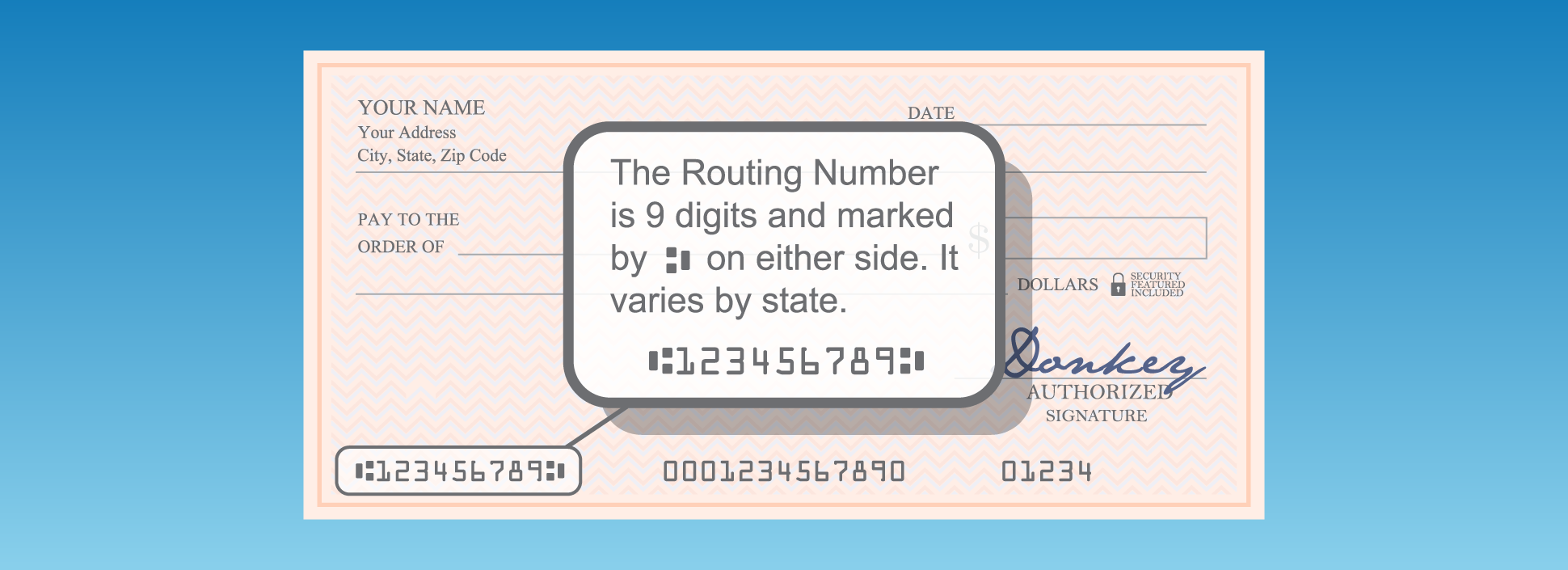
- Location: Look at the bottom of any personalized check from your Chase checkbook. You’ll see a series of three number groups separated by symbols.
- Identification: From left to right, the first group of numbers is usually your Chase routing number. The second group is your Chase account number. The third group is the check number.
- Example:
[Routing Number] [Account Number] [Check Number]- Note: Deposit slips also contain your routing and account numbers, often in the same format.
This method is highly reliable, as the information is printed directly by the bank for official use.
Via Chase Online Banking
In today’s digital age, online banking portals are a primary hub for managing finances, and Chase’s platform is no exception. It offers a secure and convenient way to access your account details from anywhere with an internet connection.
- Log In: Go to the official Chase website (chase.com) and log in to your account using your User ID and Password.
- Select Account: Once logged in, navigate to the “Accounts” section and select the specific checking or savings account for which you need the number.
- View Account Details: Look for a link or tab labeled “Show Details,” “Account Details,” or a similar option. It might be under an “I want to…” menu or represented by an “i” icon.
- Locate Number: Your account number will be displayed, often masked initially for security (e.g., “XXXXXXXX1234”). You may need to click “Reveal” or enter your password again to see the full number.
This method is secure because it requires your login credentials and often additional verification steps (like a one-time passcode).
Through the Chase Mobile App
The Chase Mobile App brings the convenience of online banking directly to your smartphone, offering a streamlined experience for on-the-go financial management, including finding your account number.
- Log In: Open the Chase Mobile App on your device and log in using your User ID and Password, or via biometric authentication (fingerprint, face ID) if enabled.
- Select Account: On the home screen, tap on the specific checking or savings account you need the number for.
- Find Account Details: Look for an icon (e.g., three dots, a gear icon, or an “i” in a circle) or a tab like “Account Details” or “Show Details.”
- Display Number: Similar to online banking, your account number will be displayed, often partially masked. Tap to reveal the full number, which may require re-entering your password for security.
The mobile app provides a quick and accessible way to get your account number while ensuring security through login protocols and data encryption.
On Your Monthly Bank Statement
Whether you receive paper statements in the mail or opt for electronic e-statements, your monthly bank statement is another official document that clearly lists your account number.
- Paper Statements: Your account number is typically printed near the top of the statement, usually next to your name and address, or under the “Account Summary” section.
- E-Statements: If you’ve opted for paperless statements, you can access them through your Chase Online Banking portal. Navigate to the “Statements” section, select the desired statement, and open the PDF. Your account number will be in the same prominent location as on a physical statement.
Bank statements are a reliable source because they are official records of your account activity and details.
By Calling Chase Customer Service
If you’re unable to access your online banking, don’t have a checkbook, or can’t locate a statement, contacting Chase customer service is a direct way to retrieve your account number.

- Call the Official Number: Dial the customer service number listed on the back of your debit card or found on the official Chase website (e.g., 1-800-935-9935 for general inquiries).
- Verify Your Identity: For security reasons, the representative will ask you several questions to verify your identity. This may include your full name, address, date of birth, last four digits of your Social Security Number, and recent transaction details.
- Request Account Number: Once your identity is confirmed, you can request your account number.
While this method might take a bit longer due to verification processes, it’s a secure option when other avenues are unavailable.
Visiting a Chase Branch
For those who prefer in-person assistance, or if you encounter persistent issues accessing your account details digitally, visiting a local Chase branch is a viable solution.
- Locate a Branch: Use the Chase website or mobile app to find the nearest branch location.
- Bring ID: Bring a valid form of identification, such as a driver’s license, state ID, or passport. This is crucial for verifying your identity.
- Speak with a Representative: A bank representative will be able to look up your account details and provide your account number after successfully verifying your identity.
This method offers direct human assistance and can be particularly helpful if you have complex questions or specific needs.
Important Distinctions: Account Number vs. Routing Number
While both your account number and routing number are critical for financial transactions, they serve distinct purposes and are used in different contexts. Understanding their individual roles is key to accurate financial management.
Understanding the Chase Routing Number
A routing number (also known as an ABA routing transit number) is a nine-digit code that identifies the financial institution holding the account. It’s essentially the bank’s address, ensuring that funds are transferred to the correct bank.
- Purpose: The routing number directs funds to the correct bank, while your account number directs them to your specific account within that bank.
- Location:
- On Checks: The routing number is the first nine-digit number on the bottom-left of your check.
- Online Banking/Mobile App: Often found alongside your account number in the “Account Details” section.
- Chase Website: Chase lists its routing numbers on its official website, as they can vary by state or region for different account types (checking, savings, wire transfers).
- Variations: It’s critical to note that Chase, like many large banks, has multiple routing numbers. The correct routing number depends on:
- Your geographic location (state/region) when the account was opened.
- The type of transaction (e.g., ACH/direct deposit vs. wire transfer).
- The account type (checking vs. savings, though often the same for ACH).
Always double-check the specific routing number required for your transaction, especially for wire transfers, as these often have unique routing codes.
When to Use Each Number
Knowing when to provide your account number versus your routing number is crucial to ensure transactions are processed correctly.
-
Use Your Account Number When:
- Setting up direct deposit with your employer.
- Setting up automated bill payments (ACH debits) directly from your bank account.
- Receiving a direct transfer of funds from another individual or entity (ACH credit).
- Linking your Chase account to an external financial service or app.
- Ordering new checks or deposit slips.
- Initiating a wire transfer (in conjunction with the specific wire transfer routing number).
-
Use Your Routing Number When:
- Providing it along with your account number for direct deposits or ACH payments/credits.
- Setting up a wire transfer (using the specific wire routing number).
- Confirming your bank’s identity for certain financial applications or services.
In essence, the routing number is the ‘street address’ of your bank, and the account number is your unique ‘apartment number’ within that bank. Both are usually needed for electronic transfers.
Best Practices for Account Number Security
While it’s essential to know where to find your Chase account number, it’s equally important to understand how to protect it. Safeguarding this information is a fundamental aspect of maintaining your financial security and preventing fraud.
Safeguarding Your Information
Treat your account number with the same caution you would any other sensitive financial data.
- Limit Sharing: Only provide your account number to trusted individuals or legitimate organizations that genuinely require it for financial transactions (e.g., your employer for direct deposit, a utility company for auto-pay).
- Secure Online Access: Always ensure you are on the official Chase website (chase.com) or using the official Chase Mobile App when accessing your account details. Look for “https://” in the URL and the padlock icon.
- Strong Passwords & MFA: Use strong, unique passwords for your online banking and enable multi-factor authentication (MFA) or two-factor authentication (2FA) if available. This adds an extra layer of security.
- Physical Document Security: Keep physical checks and bank statements in a secure location where they are not easily accessible to unauthorized individuals. Shred old statements and voided checks before discarding them.
- Public Wi-Fi Caution: Avoid accessing sensitive financial information, including your account number, when connected to unsecured public Wi-Fi networks. These networks can be vulnerable to eavesdropping.
Awareness of Phishing and Scams
Fraudsters constantly devise new ways to trick individuals into revealing their financial information.
- Phishing Emails/Texts: Be wary of unsolicited emails, texts, or calls claiming to be from Chase that ask for your account number or other personal details. Chase will rarely ask for your full account number via email or text. They may verify details after you log in to a secure portal or if you initiate the call to customer service.
- Fake Websites: Always verify the URL before entering login credentials or account information. Scammers often create convincing fake websites that mimic legitimate banking sites.
- Social Engineering: Be cautious of individuals who try to “socially engineer” information out of you by building trust or creating a sense of urgency. Never feel pressured to provide sensitive data.
Regular Monitoring
Proactive monitoring of your account activity is a vital defense against unauthorized use of your account number or other financial information.
- Review Statements: Regularly review your monthly bank statements (both paper and electronic) for any unfamiliar transactions.
- Check Online Activity: Log in to your Chase online banking or mobile app frequently to check transaction history and account balances. Report any suspicious activity immediately.
- Set Up Alerts: Chase allows you to set up various account alerts (e.g., for large transactions, low balances, or suspicious login attempts). Utilize these tools for early detection of potential issues.
When to Be Cautious
There are specific situations where you should be particularly cautious about providing your account number:
- Unsolicited Requests: If someone contacts you out of the blue asking for your account number, it’s a major red flag.
- Non-Secure Channels: Avoid sending your account number via unencrypted email, text message, or other non-secure communication methods.
- Suspicious Circumstances: If a situation feels “off” or too good to be true (e.g., a “sweepstakes win” requiring your account number for deposit), proceed with extreme caution.
Conclusion
Your Chase account number is an indispensable tool in managing your personal finances, serving as the unique identifier for all direct financial transactions involving your bank account. From setting up direct deposits to paying bills and transferring funds, its importance cannot be overstated. Fortunately, Chase offers multiple convenient and secure avenues to locate this crucial information, whether through your physical checkbook, the intuitive online banking platform, the mobile app, your monthly statements, or by reaching out to customer service or visiting a local branch.
By understanding the distinction between your account number and other identifiers like your debit card number or routing number, you empower yourself to use the correct information for every transaction. Moreover, adopting robust security practices – from safeguarding your login credentials and personal documents to remaining vigilant against phishing scams and regularly monitoring your account – is paramount to protecting your financial well-being.
Armed with this knowledge, you can confidently navigate your financial dealings with Chase, ensuring that your funds are managed efficiently and securely. Always prioritize security, and when in doubt, never hesitate to verify the legitimacy of a request or contact Chase directly through official channels.
aViewFromTheCave is a participant in the Amazon Services LLC Associates Program, an affiliate advertising program designed to provide a means for sites to earn advertising fees by advertising and linking to Amazon.com. Amazon, the Amazon logo, AmazonSupply, and the AmazonSupply logo are trademarks of Amazon.com, Inc. or its affiliates. As an Amazon Associate we earn affiliate commissions from qualifying purchases.