
Understanding the intricacies of your financial documents is a fundamental aspect of effective personal finance management. Among the most crucial pieces of information on a physical check is your bank account number, a unique identifier that facilitates a wide array of financial transactions. Knowing precisely where to locate this number, and distinguishing it from other vital figures, is essential for tasks ranging from setting up direct deposit to managing bill payments.
Understanding the Anatomy of a Check for Financial Transactions
A standard check is more than just a piece of paper; it’s a meticulously designed financial instrument containing several key data points that enable secure and accurate money transfers. Each element plays a specific role in processing transactions, ensuring funds are drawn from the correct account and sent to the intended recipient. Familiarity with these components not only helps you locate your account number but also enhances your overall financial literacy and security.
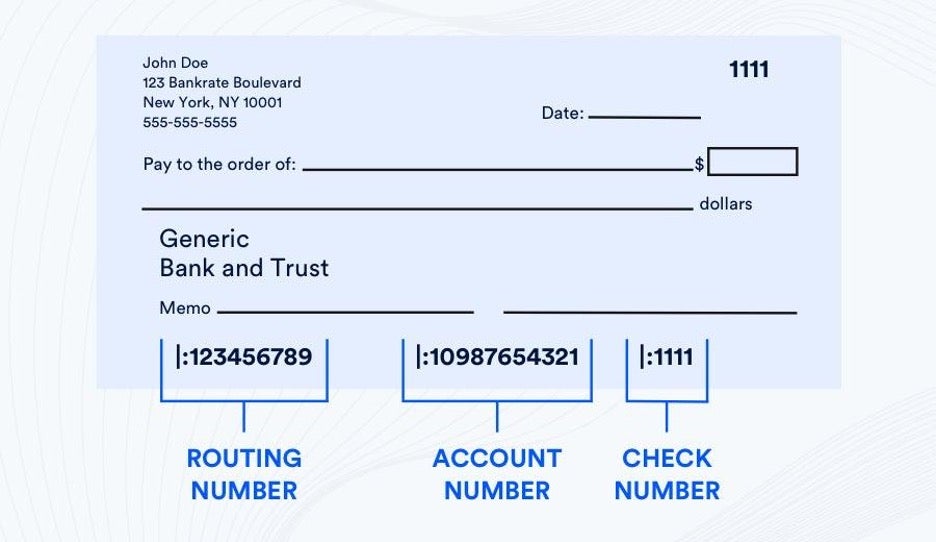
The Magnetic Ink Character Recognition (MICR) Line
At the bottom edge of every check, you’ll find a series of numbers printed in a distinctive, often slightly glossy, magnetic ink. This is the Magnetic Ink Character Recognition (MICR) line. This specialized printing allows high-speed check processing machines to read the information accurately, even if the check is folded or creased. The MICR line is critical because it contains the three primary numbers that identify your bank, your specific account, and the individual check. Without the MICR line, manual processing would be required, significantly slowing down the banking system.
Other Key Identifying Information
While the MICR line holds the core numerical identifiers, other parts of a check are equally important for a complete transaction:
- Payee Line: Where you write the name of the person or entity receiving the payment.
- Date Line: Indicates when the check was written.
- Amount Box and Line: For the numerical and written amounts of the payment, respectively. The written amount serves as the legal amount in case of a discrepancy.
- Signature Line: Your authorization for the bank to release funds from your account. Without a signature, the check is invalid.
- Memo Line: An optional field for you to note the purpose of the payment, useful for personal record-keeping.
Understanding these components provides a holistic view of how checks function within the broader financial ecosystem.
Pinpointing Your Bank Account Number
Locating your bank account number on a check is straightforward once you know where to look and how to differentiate it from other numbers on the MICR line. This number is your unique identifier with your financial institution, much like a social security number identifies you to the government.
The Location on a Standard Check
On nearly all standard checks issued in the United States, your bank account number is the middle set of numbers on the MICR line at the bottom. It typically follows the routing number and precedes the check number. This sequence is standardized to ensure consistent processing across all financial institutions. Visually, it’s often the longest set of digits within the MICR line, usually ranging from 8 to 12 digits, though this can vary slightly by bank. It’s crucial to identify this specific set, as sharing the wrong number can lead to delays or misrouted funds.
Differentiating from Routing and Check Numbers
The MICR line consists of three distinct sets of numbers, each serving a critical, unique purpose. Confusing them is a common mistake that can have financial repercussions.
-
Routing Number (ABA Transit Number): This is typically the first set of nine digits on the far left of the MICR line. The routing number identifies your specific financial institution (bank or credit union) and where it is located. When funds are transferred electronically, the routing number acts like a street address, directing the transaction to the correct bank. Different types of transactions (e.g., wire transfers, ACH payments) may use slightly different routing numbers, so it’s always best to verify with your bank for specific purposes.
-
Check Number: This is almost always the last set of three or four digits on the far right of the MICR line. It’s also usually printed in the top right corner of the check. The check number is a sequential identifier for that specific check from your checkbook. It helps you keep track of the checks you’ve written and assists in reconciling your bank statements. For example, if you write check #101, then the next check will be #102, and so on.
-
Account Number: As established, this is the middle set of numbers. Its purpose is to identify your specific account within your bank. Once a transaction reaches the correct bank via the routing number, the account number directs the funds to your individual checking or savings account.
Understanding these distinctions is paramount for anyone managing their personal finances, as providing the correct number for the correct purpose ensures seamless and secure financial operations.
Variability Across Checks (Though Minor)
While the general placement (routing, account, check number) on the MICR line is highly standardized, there can be minor variations depending on the bank. For instance, some financial institutions might include additional symbols or slightly different digit counts within the account number field. However, the fundamental order and magnetic ink printing remain consistent. If you ever have doubts, comparing the number you’ve found with what’s displayed in your online banking portal or on a bank statement is a reliable method for verification.
Beyond the Physical Check: Alternative Ways to Access Your Account Number
In today’s digital age, relying solely on a physical check for your account number isn’t always practical or necessary. Many secure and convenient alternatives exist, making it easier to access this vital information even when you don’t have your checkbook handy.
Online Banking Portals and Mobile Apps
The most common and convenient way to find your account number without a physical check is through your bank’s online banking portal or mobile application. After securely logging in:
- Online Banking: Navigate to the “Account Summary,” “Account Details,” or “Statements” section for your specific checking or savings account. The account number is usually prominently displayed alongside your account balance and recent transactions. Some banks might require an extra verification step (e.g., a security code sent to your phone) to display the full account number for security reasons.
- Mobile Apps: Similar to online banking, within your bank’s mobile app, select the relevant account (checking or savings). You’ll typically find the account number under “Account Details” or by tapping on the account itself. Many apps will only show the last few digits and require you to tap to “Show full account number,” often prompting for a PIN or biometric authentication (fingerprint/face ID).
Always ensure you are using the official app or website and a secure, private internet connection when accessing sensitive financial information.
Bank Statements

Your monthly or quarterly bank statements are another reliable source for your account number. Whether you receive physical statements in the mail or access e-statements through your online banking portal, your account number is always listed.
- Physical Statements: Look near the top of the statement, usually next to your name and address, or within the account summary section.
- Digital Statements: When viewing e-statements online, the layout will generally mirror a physical statement. Downloaded PDF versions can be saved for future reference, but remember to store them securely.
Bank statements provide a comprehensive overview of your account activity, making them an excellent resource for not just your account number but also for reconciling transactions and tracking your financial health.
Contacting Your Bank Directly
If digital methods aren’t an option or you prefer direct interaction, you can always contact your bank.
- Phone Banking: Call your bank’s customer service line. After going through security verification questions (e.g., verifying your identity with your Social Security number, mother’s maiden name, or recent transactions), a representative can provide your account number.
- In-Branch Visit: Visiting a local branch with a valid photo ID (like a driver’s license or passport) is perhaps the most secure way to obtain your account number. A teller or customer service representative can quickly provide it after verifying your identity.
These methods are particularly useful if you’ve lost your checkbook or are having trouble accessing online services.
Deposit Slips
When you make a deposit at a bank branch or ATM, you often use a deposit slip. These slips typically have both your routing number and account number pre-printed on them, mirroring the MICR line on a check. If you have any unused deposit slips, they can serve as a quick reference.
The Financial Significance and Security of Your Account Number
Your bank account number is a cornerstone of your financial identity. Its accurate use facilitates a multitude of essential financial activities, while its security is paramount to protecting your assets and identity.
Common Uses of Your Bank Account Number
The account number is frequently requested when setting up or managing various financial services:
- Setting Up Direct Deposit: For receiving paychecks, government benefits (like Social Security), or tax refunds directly into your bank account. This requires both your routing and account number.
- Paying Bills Electronically (ACH Payments): Many utilities, loan providers, and subscription services offer the option to set up automatic payments directly from your bank account using your account and routing numbers.
- Initiating Wire Transfers: For sending large sums of money quickly and securely, often internationally. Wire transfers require precise account details to ensure funds reach the intended recipient.
- Linking Accounts for Budgeting Apps or Investment Platforms: To connect your bank account to third-party financial tools, personal finance software, or brokerage accounts for streamlined money management or investment purposes.
- Sending or Receiving Funds from Other Individuals/Businesses: While peer-to-peer payment apps often abstract this information, for direct bank-to-bank transfers or certain business transactions, your account number may be required.
Safeguarding Your Account Number from Fraud
Given its critical role, treating your bank account number as sensitive personal information is non-negotiable. Compromise of this number can lead to serious financial risks.
- Risks of Unauthorized Access: If fraudsters obtain your account number along with other personal details, they could potentially initiate unauthorized withdrawals, set up fraudulent direct debits, or even attempt identity theft. While the account number alone isn’t enough to completely drain an account, it’s a significant piece of the puzzle for criminals.
- Best Practices for Keeping It Secure:
- Shred Old Checks and Statements: Never simply throw away documents containing your account information. Use a cross-cut shredder to destroy old checks, bank statements, and deposit slips.
- Use Secure Online Platforms: Only enter your account information on encrypted and trusted websites (look for “https://” in the URL and a padlock symbol).
- Be Wary of Phishing Attempts: Be suspicious of unsolicited emails, texts, or phone calls asking for your bank account number, even if they appear to be from your bank. Banks rarely ask for sensitive information via these channels. Always contact your bank directly using official numbers.
- Monitor Account Activity: Regularly review your bank statements and online transaction history for any unfamiliar or suspicious activity.
- When It Is Safe to Share: It is generally safe to share your account number with trusted entities for legitimate purposes, such as your employer for direct deposit, a reputable biller for automatic payments, or a financial advisor for investment purposes. Always verify the legitimacy of the request and the recipient.
Troubleshooting and Best Practices
Even with all the knowledge, situations may arise where you need to troubleshoot or adopt certain habits to manage your account numbers effectively.
What to Do If You Can’t Find It
If you’ve searched everywhere – your physical checks, online banking, and statements – and still can’t locate your account number, the most reliable course of action is to contact your bank directly. Their customer service representatives are equipped to help you after verifying your identity. Avoid asking for this information through unsecured channels or from unverified sources.
Regular Verification and Reconciliation
Making a habit of regularly reviewing your bank statements is a key financial practice. This reconciliation process allows you to:
- Verify Accuracy: Confirm that all transactions are legitimate and accurate.
- Spot Discrepancies: Quickly identify any unauthorized activity, errors, or unknown debits.
- Track Your Finances: Maintain a clear understanding of your spending and savings patterns.
Promptly reporting any discrepancies to your bank is crucial, as there are often time limits for disputing fraudulent charges.

When to Update Your Information
You may need to provide your account number again or update existing records in a few scenarios:
- Changing Banks: When you open a new account at a different financial institution, you’ll need to provide your new account number to employers, billers, and any other entities with whom you have automatic transactions.
- New Account Types: If you open a new checking or savings account with your existing bank, remember that each account will have a unique number.
- Security Concerns: If you suspect your account number has been compromised, your bank may advise you to close your existing account and open a new one with a new account number.
By understanding where to find your bank account number, its various uses, and the importance of its security, you empower yourself with fundamental knowledge that underpins responsible and secure personal finance management.
aViewFromTheCave is a participant in the Amazon Services LLC Associates Program, an affiliate advertising program designed to provide a means for sites to earn advertising fees by advertising and linking to Amazon.com. Amazon, the Amazon logo, AmazonSupply, and the AmazonSupply logo are trademarks of Amazon.com, Inc. or its affiliates. As an Amazon Associate we earn affiliate commissions from qualifying purchases.