
The annual ritual of filing taxes has, for many, undergone a significant transformation. What was once a daunting paper-based ordeal, often involving trips to an accountant or hours poring over forms, has largely moved into the digital realm. “Where to file taxes online” is no longer just a question of convenience; it’s a fundamental aspect of modern personal finance management, offering unparalleled efficiency, accuracy, and control over one’s financial obligations.
In an increasingly digital world, understanding the landscape of online tax filing options is crucial for every taxpayer. This guide will navigate the various platforms available, dissect the critical considerations for choosing the right one, and illuminate the inherent financial benefits of embracing this digital approach. By making an informed decision, you can transform tax filing from a burdensome chore into a strategic opportunity to optimize your financial well-being.

Navigating the Landscape of Online Tax Filing Platforms
The digital marketplace for tax preparation is vast, offering a spectrum of solutions catering to diverse financial situations, from the simplest returns to complex investment portfolios. Understanding the core distinctions between these platforms is the first step in identifying the best fit for your money matters.
Free vs. Paid Services: Understanding the Value Proposition
The initial decision often revolves around cost. Many taxpayers, particularly those with straightforward financial situations, can leverage free online tax filing options, a testament to the digital age’s ability to democratize financial tools.
- IRS Free File Program: This is a cornerstone for many. If your adjusted gross income (AGI) falls below a certain threshold (which changes annually), you likely qualify to use free tax preparation software offered by various commercial providers through the IRS Free File program. These guided online products ensure you can file both federal and often state returns at no cost. For those whose AGI is above the threshold, the IRS also offers Free File Fillable Forms, which are electronic versions of paper forms, though they require more self-guided tax knowledge. The financial benefit here is direct: zero cost for compliance, maximizing your available funds.
- Commercial Free Tiers: Many major tax software providers offer free versions of their platforms, typically for simple federal returns (e.g., W-2 income only, standard deduction). While these can be excellent for basic scenarios, they often come with limitations, such as additional fees for state filing or for handling more complex income sources like investments or self-employment. Understanding these limitations upfront is key to avoiding unexpected charges and accurately budgeting for your tax preparation.
When Paid Services Become Necessary:
For individuals with more intricate financial profiles – independent contractors, small business owners, those with extensive investments, rental properties, or significant deductions – paid tax software becomes not just an option but often a necessity. These services offer:
- Expanded Form Support: Access to a wider array of schedules and forms required for complex income and deductions.
- Advanced Deduction Optimisation: Tools designed to identify every potential deduction and credit, potentially leading to substantial tax savings and improved financial outcomes.
- Expert Assistance: Options for on-demand access to tax professionals for advice or even a full review of your return, acting as a valuable safety net for critical financial compliance.
- Audit Support and Guarantees: Many paid tiers include assurances of accuracy and support in the event of an IRS audit, mitigating financial risk and providing peace of mind.
The “value” in paid services isn’t just about features; it’s about accuracy, expert reassurance, and ultimately, ensuring optimal financial results.
Leading Commercial Tax Software Providers
The commercial market is dominated by several well-established players, each with its own strengths, catering to different segments of the financial landscape.
- TurboTax: Often regarded as the market leader, TurboTax is known for its user-friendly interface, comprehensive guidance, and robust features. It offers various tiers (Deluxe, Premier, Self-Employed) tailored to specific financial needs, from homeowners to investors and small business owners. Its interview-style format makes complex tax concepts approachable, helping users navigate their financial data effectively.
- H&R Block: A strong contender with a long history in tax preparation, H&R Block combines robust online software with the option of in-person support. Their online platform is intuitive, offering similar tiered services to TurboTax. The hybrid model can be particularly appealing for those who appreciate the convenience of online filing but desire the option of professional human assistance for complex financial questions.
- TaxAct: Positioned as a more budget-friendly alternative, TaxAct offers a strong feature set at a competitive price point. It’s often favored by individuals who are comfortable with a slightly less “hand-held” experience than TurboTax but still want comprehensive tools for various financial scenarios.
- TaxSlayer: Another cost-effective choice, TaxSlayer appeals to those who are price-conscious but still require robust functionality for different income sources and deductions. Its streamlined interface can be efficient for users who are already somewhat familiar with their financial documents.
Each of these platforms integrates into an individual’s financial toolkit, acting as an annual checkpoint for income, expenses, and potential tax liabilities. Choosing among them often comes down to balancing cost with the level of guidance and specific features required for your unique financial situation.
Direct Filing with Government Portals
While commercial software dominates, a growing movement towards government-provided direct filing services is emerging. The IRS has been piloting its “Direct File” program, aiming to offer a free, secure, and straightforward option for eligible taxpayers to file their federal tax returns directly with the agency. This initiative, if expanded, could significantly alter the landscape, providing a direct, no-cost financial compliance path for millions. Many states also offer their own direct e-filing portals for state income taxes. These government options often prioritize simplicity and direct submission but may lack the comprehensive guidance, deduction optimization tools, or audit support offered by commercial software, making them suitable primarily for the most straightforward financial situations.
Key Considerations When Choosing Your Online Tax Solution
Selecting the right online tax filing platform is a financial decision with lasting implications. Beyond the initial cost, several factors warrant careful consideration to ensure accuracy, security, and peace of mind.
Ease of Use and User Interface
An intuitive and user-friendly interface is paramount, especially for complex financial data. A well-designed platform can significantly reduce the stress and time involved in tax preparation. Look for features such as:
- Guided Interviews: Step-by-step questions that walk you through each section of your return, making it feel less like you’re filling out forms and more like you’re having a conversation.
- Data Import Capabilities: The ability to import W-2s, 1099s, and other financial documents directly from employers or financial institutions saves time and minimizes data entry errors, which can have significant financial consequences.
- Clear Explanations: Plain-language explanations of tax terms and concepts help you understand the impact of your financial choices and entries.
- Mobile Accessibility: The option to work on your taxes from a smartphone or tablet offers flexibility and convenience, allowing you to manage your financial compliance on the go.
Ultimately, an easy-to-use platform reduces the likelihood of costly errors and makes the annual financial task far less daunting.
Accuracy Guarantees and Audit Support
Given the financial penalties associated with incorrect tax filings, accuracy is non-negotiable. Most reputable online tax software providers offer guarantees regarding the accuracy of their calculations. If a software error leads to an IRS penalty, they often cover it.
Furthermore, consider the level of audit support provided:
- Basic Guidance: Many platforms offer resources and guidance on how to respond to an IRS notice.
- Expert Assistance: Higher-tier packages may include access to tax professionals who can answer questions, review your return, or even represent you during an audit. This can be an invaluable financial safety net, particularly for those with complex returns or higher audit risk.
- Max Refund/Lowest Tax Due Guarantees: While a marketing claim, these guarantees reflect the software’s commitment to optimizing your financial outcome by identifying all eligible deductions and credits.
This layer of support and assurance is critical for mitigating financial risks associated with tax compliance.
Data Security and Privacy
You are entrusting highly sensitive personal and financial information to your chosen platform. Therefore, robust data security and privacy protocols are absolutely critical. Look for platforms that employ:
- Advanced Encryption: Ensuring your data is encrypted both in transit and at rest.
- Multi-Factor Authentication (MFA): Adding an extra layer of security to prevent unauthorized access to your account.
- Regular Security Audits: Demonstrating a proactive approach to identifying and patching vulnerabilities.
- Clear Privacy Policies: Understanding how your data is collected, used, and shared.
A data breach can have devastating financial and personal consequences, making security a top priority in your selection process.
Cost and Included Features
While the initial price tag is important, a thorough cost-benefit analysis involves looking beyond just the base fee. Consider:
- State Filing Fees: Many “free” federal options charge for state returns.
- Expert Review Costs: If you anticipate needing professional help, factor in the cost of expert review or consultation services.
- Add-ons: Features like audit defense, prior-year return access, or identity theft protection might incur additional charges.
- Tiered Pricing: Understand what features are included in each pricing tier and select the one that aligns precisely with your financial complexity.
The cheapest option isn’t always the most cost-effective if it means sacrificing essential features or incurring penalties due to insufficient support. A slightly higher upfront cost for a more robust solution might save you significant money and stress in the long run.
The Financial Benefits of Online Tax Filing
Beyond merely fulfilling an obligation, filing taxes online offers substantial financial advantages that contribute to overall financial health and strategy.
Time and Cost Efficiency
The most immediate and tangible benefit is the saving of both time and money.
- Reduced Professional Fees: For many, online software eliminates the need for expensive tax preparer fees, allowing those funds to be allocated elsewhere in their financial plan.
- Time Savings: No appointments to schedule, no travel to an office, no waiting in line. The flexibility to work on your taxes whenever and wherever suits you, often in multiple sittings, is invaluable. This saved time can be redirected towards other income-generating activities or personal pursuits.
- Instant Submission: E-filing means your return is submitted almost immediately, leading to faster processing of refunds. This quicker access to your money can be crucial for short-term financial needs or investment opportunities.
Enhanced Accuracy and Error Reduction
Online tax software is engineered to minimize human error, which is a common source of costly mistakes in manual tax preparation.
- Automated Calculations: The software performs all calculations, virtually eliminating mathematical errors.
- Error Checks and Warnings: Platforms flag potential errors, missing information, or inconsistencies before submission, giving you the chance to correct them.
- Optimized Deductions and Credits: Sophisticated algorithms help identify every eligible deduction and credit you qualify for, ensuring you pay the lowest legal amount of tax or receive the maximum possible refund. This directly impacts your net income and contributes positively to your financial balance sheet.
This enhanced accuracy translates directly into better financial outcomes, whether it’s a larger refund or a reduced tax liability.
Improved Record Keeping and Accessibility
Digital filing inherently improves your financial record-keeping.
- Digital Archives: Your filed returns are securely stored online, easily accessible for future reference, amendments, or verification for loan applications, mortgages, or other financial dealings.
- Year-Over-Year Comparison: Most software allows you to import data from previous years, making current year filing faster and providing a clear snapshot of your financial evolution. This historical data is invaluable for long-term financial planning.
- Proof of Filing: Digital confirmation of submission provides irrefutable proof that you met your tax obligations.
These digital records are not just convenient; they are a critical component of robust personal financial management.
Proactive Financial Planning
Online tax filing can serve as an annual financial health check, offering insights that can inform your future financial decisions.
- Income and Expense Review: The process forces you to compile and review all your income and expenses for the year, providing a clear picture of your cash flow.
- Deduction Analysis: By seeing which deductions you qualified for, you can identify areas where you might increase your deductible expenses next year (e.g., maximizing retirement contributions, charitable giving).
- Tax Strategy Adjustment: Understanding your tax liability or refund helps you adjust your withholding or estimated tax payments for the coming year to avoid surprises and better manage your cash flow throughout the year. For instance, if you consistently get a large refund, you might adjust your W-4 to have less withheld, putting more money in your pocket throughout the year for investing or debt repayment.
This reflective process empowers you to be more proactive and strategic with your money, aligning your tax compliance with your broader financial goals.
Preparing for a Smooth Online Tax Filing Experience
To maximize the financial benefits and ensure a hassle-free experience, a little preparation goes a long way. This proactive approach ensures accuracy and reduces stress.
Gathering Essential Documents
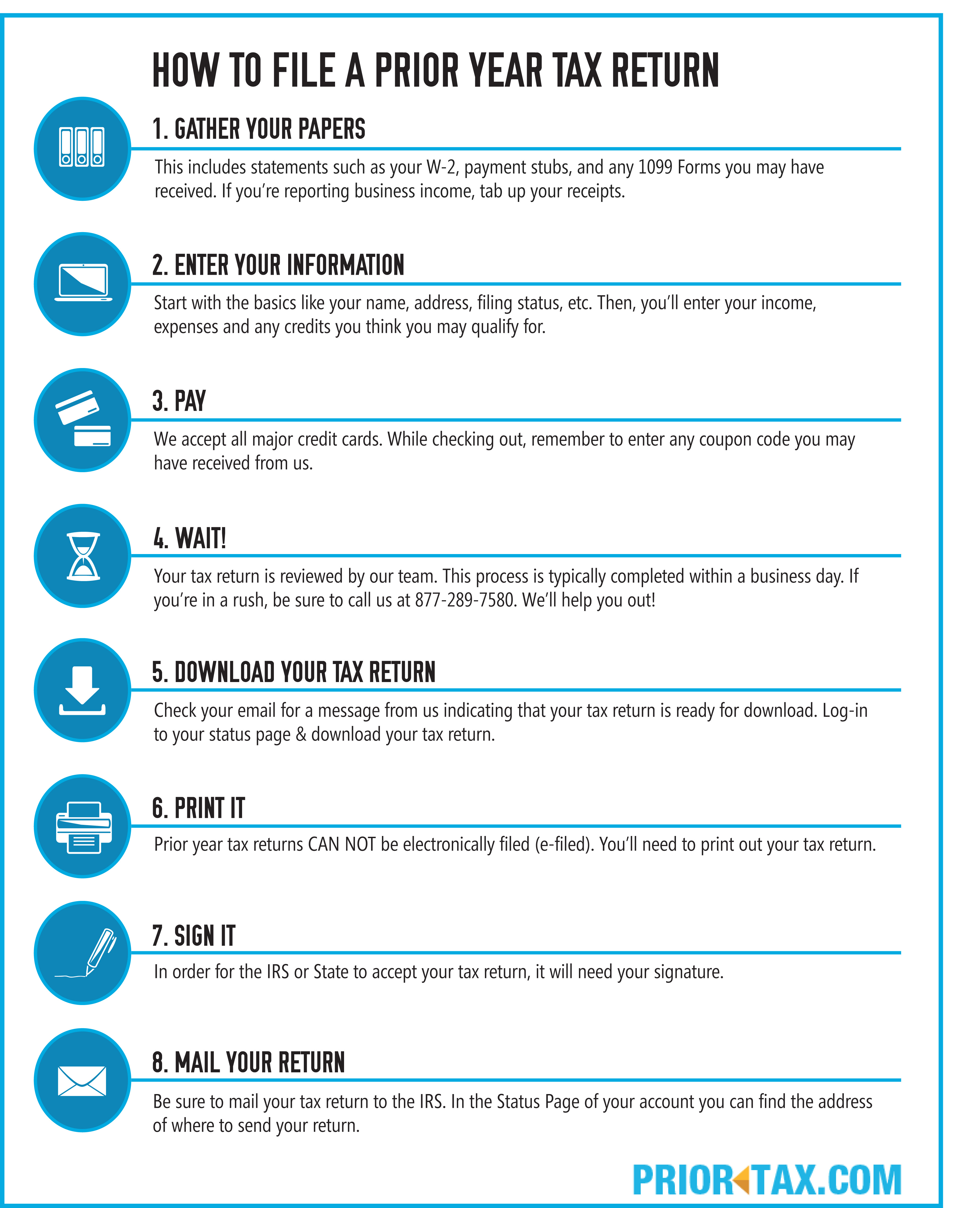
Before you even log into a tax platform, assemble all necessary financial documents. This includes:
- Income Statements: W-2s from employers, 1099-NEC (Nonemployee Compensation) for freelancers, 1099-MISC, 1099-INT (Interest Income), 1099-DIV (Dividend Income), K-1s from partnerships or S corporations.
- Investment and Retirement Statements: 1099-B (Brokerage Transactions), statements for IRA contributions, 401(k) contributions, and distributions.
- Deduction and Credit Documentation: Mortgage interest statements (1098), student loan interest statements (1098-E), tuition statements (1098-T), records of charitable contributions, medical expenses, property taxes, child care expenses, and business expenses for self-employed individuals.
- Prior Year’s Return: Essential for quick data import and reference, especially if you’re using the same software.
Organizing these documents beforehand saves time, reduces errors, and ensures you capture every possible deduction, ultimately optimizing your financial return.
Understanding Your Tax Situation
Take a moment to reflect on any significant life changes that occurred during the tax year, as these can drastically impact your tax situation and the type of platform you’ll need. These include:
- Marital Status Changes: Marriage or divorce.
- Dependents: Birth or adoption of a child, or supporting other relatives.
- Homeownership: Buying or selling a home.
- Employment Changes: Starting a new job, changing jobs, or becoming self-employed.
- Major Investments: Significant stock market transactions, property sales, or starting a business.
- Education: Starting college, paying for children’s tuition.
Each of these events has specific tax implications that the right online software can help you navigate, ensuring you take advantage of any new credits or deductions and avoid potential pitfalls.
The Importance of Review and E-filing
Once you’ve entered all your data, the critical final step is a thorough review.
- Double-Check Everything: Carefully review all entered information, paying close attention to names, Social Security Numbers, income figures, and deduction amounts. Even small errors can lead to delays or issues with your financial compliance.
- Utilize Software Error Checks: Most platforms have built-in error checks that will flag common mistakes or inconsistencies. Don’t override these warnings without understanding why they appeared.
- Confirm E-filing: Once you’re confident in your return, submit it electronically (e-file). You should receive a confirmation email from both the software provider and the IRS (and your state, if applicable) indicating that your return was accepted. Keep these confirmations for your records.
This meticulous approach ensures that your hard work translates into an accurate, accepted return, securing your financial compliance for the year.
Conclusion
Filing taxes online has evolved into a sophisticated and accessible cornerstone of modern personal finance. It offers a powerful blend of convenience, accuracy, and financial optimization that traditional methods simply cannot match. By understanding the diverse range of platforms available, carefully considering their features, security, and cost, and preparing diligently, you can transform what was once a yearly chore into an efficient and financially rewarding process.
Whether you opt for a free government service, a robust commercial software package, or a hybrid approach, the goal remains the same: to meet your tax obligations accurately while maximizing your financial position. Embrace the digital tools at your disposal, and turn your annual tax filing into a strategic step towards a more organized and financially secure future.
aViewFromTheCave is a participant in the Amazon Services LLC Associates Program, an affiliate advertising program designed to provide a means for sites to earn advertising fees by advertising and linking to Amazon.com. Amazon, the Amazon logo, AmazonSupply, and the AmazonSupply logo are trademarks of Amazon.com, Inc. or its affiliates. As an Amazon Associate we earn affiliate commissions from qualifying purchases.