
Tax season is often met with a mixture of anxiety and administrative dread. For many Americans, the complexity of the tax code is compounded by the perceived cost of compliance. However, the landscape of personal finance has shifted significantly over the last decade. Filing your taxes does not have to be an expensive endeavor involving high-priced accountants or premium software packages. In fact, for a vast majority of taxpayers, there are robust, secure, and entirely free tools available to ensure you meet your obligations while maximizing your potential refund.

Understanding where to file for free requires a strategic look at the available financial ecosystem. From government-led initiatives to private-sector disruptors, the options are more diverse than ever. This guide explores the most effective ways to navigate tax season without spending a dime on filing fees.
The IRS Free File Program: The Gold Standard for Eligibility-Based Filing
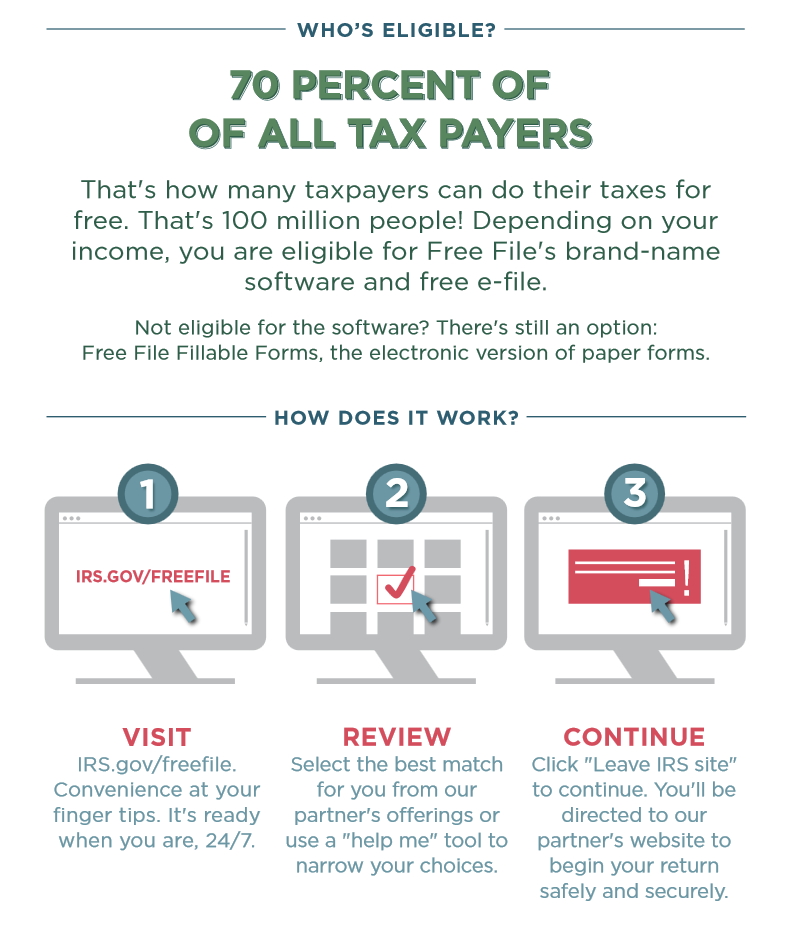
The IRS Free File program is a public-private partnership between the Internal Revenue Service and the Free File Alliance, a group of industry-leading tax software companies. This program was designed specifically to reduce the financial burden on low-to-moderate-income taxpayers.
Understanding the Adjusted Gross Income (AGI) Thresholds
The primary gatekeeper for the IRS Free File program is your Adjusted Gross Income (AGI). For the 2024 filing season (covering the 2023 tax year), the threshold is generally set at an AGI of $79,000 or less. If your income falls below this mark, you are eligible to use brand-name software to prepare and e-file your federal tax return for free. It is important to note that this threshold applies regardless of your filing status—whether you are single, married filing jointly, or head of household.
Navigating Participating Software Providers
Not every software provider offers the same terms within the Free File program. Companies like TaxAct, 1040Now, and Free1040TaxPrep participate, but their specific offers may vary based on age, state residency, or military status. To ensure you are truly using the free version, you must access these providers through the official IRS.gov website. Going directly to a provider’s commercial site often leads to “upselling” prompts that do not exist within the Free File portal.
State Filing Considerations and Limitations
While federal filing is always free under this program for those who qualify, state filing is a different matter. Some providers include free state returns for certain states or income levels, while others may charge a fee. If you live in a state with no income tax, this is a non-issue. However, for those in states like California or New York, it is crucial to review the provider’s specific Free File offer to avoid unexpected costs at the final step of the process.
Leading Private Software Solutions with Robust Free Tiers
Beyond the official IRS partnership, several financial technology companies offer “free” tiers to the general public. These are often used as “loss leaders” to bring users into a broader financial ecosystem, but for the savvy taxpayer, they represent an excellent opportunity to save money.
FreeTaxUSA: The User Favorite for Complexity
FreeTaxUSA has gained a cult following in the personal finance community for its transparency and depth. Unlike many “big brand” competitors, FreeTaxUSA allows users to file complex forms—including Schedule C for freelancers and Schedule E for rental property owners—entirely for free on the federal level. Their business model relies on a small, flat fee for state returns (typically around $15). For taxpayers with side hustles or investments who don’t qualify for the IRS Free File AGI limit, this is often the most cost-effective “pro” level tool available.
Cash App Taxes: Truly Free Federal and State
Formerly known as Credit Karma Tax, Cash App Taxes is one of the few platforms that offers both federal and state filing for $0, with almost no exceptions. There are no income limits, and it supports a wide array of tax situations, including capital gains from stocks or crypto and self-employment income. The “catch” is that you must have a Cash App account and prepare your taxes via their mobile app or a mobile-linked web browser. From a financial strategy standpoint, this is the most “truly free” comprehensive software currently on the market.
TurboTax and H&R Block “Simple Returns”
The industry giants, TurboTax and H&R Block, both offer free versions, but they are strictly limited to “simple returns.” This generally means a Form 1040 with no adjustments. If you have student loan interest deductions, unemployment income, or any form of 1099 income, these platforms will often prompt you to upgrade to a paid version mid-process. While these tools have the most polished user interfaces, they require the most vigilance to ensure you don’t inadvertently trigger a fee.
Community-Based and Volunteer Resources
For those who prefer a human touch or who find digital software intimidating, there are several federally funded programs that provide free, expert tax preparation services.
VITA (Volunteer Income Tax Assistance)
The VITA program has been in operation for over 50 years. It offers free tax help to people who generally make $64,000 or less, persons with disabilities, and limited English-speaking taxpayers. VITA sites are managed by IRS-certified volunteers who are trained to identify common tax credits like the Earned Income Tax Credit (EITC) and the Child Tax Credit. These sites are typically located in community centers, libraries, and schools, providing a vital service to those who need personalized guidance.
TCE (Tax Counseling for the Elderly)
The TCE program is specifically geared toward taxpayers aged 60 and older. It specializes in questions about pensions and retirement-related issues unique to seniors. Many TCE sites are operated through the AARP Foundation’s Tax-Aide program. Like VITA, these volunteers are IRS-certified and provide a high level of security and accuracy without the high cost of a private CPA.
MilTax for Service Members
The Department of Defense provides MilTax to active-duty service members, their families, and certain survivors and veterans. This resource includes tax preparation and e-filing software, as well as phone support from consultants who understand the nuances of military pay, deployments, and multi-state filing requirements. This is a critical financial tool for those in the armed forces to ensure they are taking advantage of every military-specific tax break available.
The Future of Filing: IRS Direct File
A significant shift is occurring in the US tax landscape with the introduction of IRS Direct File. This is a new pilot program where the IRS provides its own direct filing portal, removing the third-party middleman entirely.
The Scope of the Direct File Pilot
Currently, the Direct File pilot is limited to specific states and taxpayers with relatively straightforward tax situations (W-2 income, standard deductions, etc.). The goal is to provide a permanent, government-run alternative to private software. For those eligible in participating states (such as Washington, Florida, Texas, and several others), this represents the most direct and digitally secure way to file.
Integration with State Systems
One of the primary challenges the IRS is solving with Direct File is the integration of state returns. In several pilot states, the IRS has partnered with state revenue departments to create a seamless transition from the federal return to the state return. As this technology scales, it has the potential to become the primary “free” option for millions of Americans, disrupting the traditional tax software industry.
Strategic Tips for a Cost-Free Filing Season
Choosing the right tool is only half the battle. To ensure you don’t pay for filing, you must approach the process with a clear financial strategy.
Organize Your Documentation Early
Most “free” software attempts to upsell you when you encounter a form or a deduction that the free version doesn’t support. By organizing your W-2s, 1099s, and 1098s ahead of time, you can cross-reference your needs with the “Free Tier” capabilities of various software. If you see you have a 1099-NEC for freelance work, you can immediately skip TurboTax Free and head to Cash App Taxes or FreeTaxUSA to avoid a mid-process paywall.
Understand the “Simple Return” Trap
Financial literacy involves understanding fine print. In the tax world, a “simple return” is a technical definition, not a subjective one. If you have any “above-the-line” deductions or specific credits, your return is no longer “simple” in the eyes of many software providers. Always check the “What’s Included” list on a software’s pricing page before you start entering data.

Leverage Direct Deposit for Speed
Filing for free is about saving money; getting your refund quickly is about cash flow. Regardless of which free tool you choose, always opt for e-filing and direct deposit. The IRS typically issues refunds in less than 21 days for e-filed returns. This avoids the “refund anticipation loans” or “check cashing fees” that can eat into your financial gains.
By utilizing these free resources and maintaining a strategic approach to your personal finances, you can transform tax season from a costly burden into a streamlined, zero-cost administrative task. Whether you choose the IRS Free File program, a private disruptor like Cash App Taxes, or the volunteer expertise of VITA, the tools to file for free are more accessible than ever before.
aViewFromTheCave is a participant in the Amazon Services LLC Associates Program, an affiliate advertising program designed to provide a means for sites to earn advertising fees by advertising and linking to Amazon.com. Amazon, the Amazon logo, AmazonSupply, and the AmazonSupply logo are trademarks of Amazon.com, Inc. or its affiliates. As an Amazon Associate we earn affiliate commissions from qualifying purchases.