
Navigating the complexities of the tax code is a perennial challenge for taxpayers across the country. As the filing deadline approaches, the search for “where to file my taxes near me” becomes one of the most frequent inquiries in the realm of personal finance. While tax software has become increasingly sophisticated, the value of local, personalized financial expertise cannot be overstated. Choosing where to file involves more than just finding the closest office; it requires an understanding of the different tiers of tax professional services, the availability of community resources, and the specific financial nuances of your local and state tax jurisdictions.

Choosing a local tax professional is a strategic financial decision. It is an investment in accuracy, potential savings through overlooked deductions, and peace of mind. This guide explores the various avenues available for local tax filing, ranging from high-level professional firms to free community-based programs, ensuring you can make an informed choice that aligns with your financial complexity and budget.
Evaluating Your Local Tax Preparation Options
When searching for local tax assistance, the options generally fall into three categories: specialized professionals, retail tax chains, and independent local practitioners. Each offers a different balance of cost, expertise, and personalized service.
Certified Public Accountants (CPAs) and Enrolled Agents (EAs)
For individuals with complex financial lives—such as small business owners, high-net-worth investors, or those with rental properties—a Certified Public Accountant (CPA) or an Enrolled Agent (EA) is often the best choice. CPAs are licensed by state boards of accountancy and have rigorous requirements for education and experience. While not all CPAs specialize in taxes, those who do offer a high level of strategic planning that goes beyond simple form-filling.
Enrolled Agents, on the other hand, are federally authorized tax practitioners who have technical expertise in the field of taxation. They are empowered by the U.S. Department of the Treasury to represent taxpayers before the IRS for audits, collections, and appeals. If your primary concern is navigating a complex IRS issue or ensuring your business finances are perfectly aligned with federal law, searching for an EA near you is a prudent move.
Retail Tax Chains: Convenience and Standardized Service
Retail tax preparation chains, such as H&R Block or Jackson Hewitt, are ubiquitous in shopping centers and main streets. These outlets are designed for the average taxpayer who has a relatively straightforward return but prefers not to use software alone. The primary advantages of these locations are convenience and standardized pricing. They often offer “walk-in” availability and provide a physical location where you can drop off documents and speak to someone face-to-face.
While the preparers at these chains may not always hold the same advanced credentials as a boutique CPA firm, they are trained in the company’s proprietary software and are backed by the corporate entity’s guarantees. This is an excellent middle-ground option for those who want professional eyes on their documents without the higher fees associated with specialized accounting firms.
Local Independent Tax Practices
Between the high-end CPA firms and the massive retail chains lie thousands of independent local tax practices. These are often small businesses deeply rooted in your community. These preparers often provide a more personal touch than the big chains and more competitive pricing than large accounting firms. Because they live and work in your area, they are often exceptionally well-versed in local property tax credits, state-specific education savings deductions, and municipal tax requirements that a national software or a non-local preparer might miss.
Free Local Tax Filing Resources and Programs
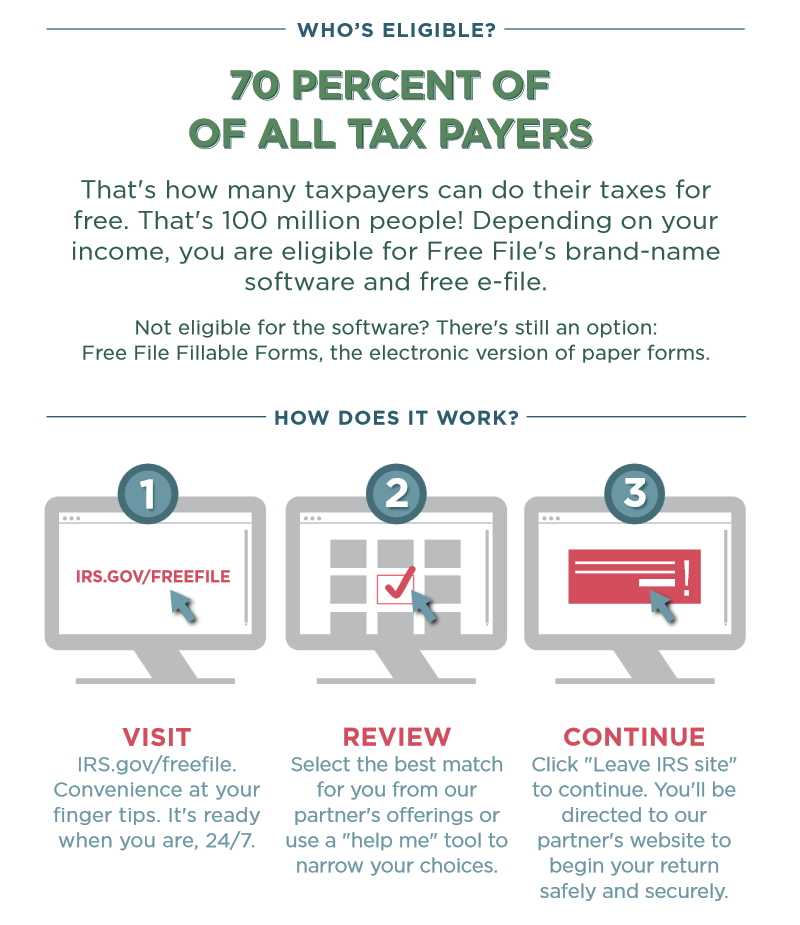
For many taxpayers, particularly those with low-to-moderate incomes, students, or the elderly, paying for professional tax preparation can be a significant financial burden. Fortunately, there are several federally funded and community-run programs designed to provide free, high-quality tax assistance.
The Volunteer Income Tax Assistance (VITA) Program
The VITA program offers free tax help to people who generally make $64,000 or less, persons with disabilities, and limited English-speaking taxpayers. VITA sites are often located at local libraries, community centers, schools, and shopping malls. The preparers are IRS-certified volunteers who provide basic income tax return preparation with electronic filing.
The strength of VITA lies in its local accessibility. By searching for a VITA site near you, you are accessing a service that is specifically designed to help the community maximize credits like the Earned Income Tax Credit (EITC) and the Child Tax Credit. These sites are typically active from late January through the April filing deadline.
Tax Counseling for the Elderly (TCE)
The TCE program offers free tax help for all taxpayers, particularly those who are 60 years of age and older, specializing in questions about pensions and retirement-related issues unique to seniors. Much of the TCE program is operated through the AARP Foundation’s Tax-Aide program. AARP Tax-Aide sites are staffed by volunteers who understand the nuances of Social Security benefits, required minimum distributions (RMDs), and elder-specific medical deductions. These sites are often found in local senior centers or community halls.
Low Income Taxpayer Clinics (LITCs)
While not for preparation per se, LITCs are a vital local resource if you find yourself in a dispute with the IRS. LITCs represent individuals whose income is below a certain level and who need to resolve tax problems with the IRS, such as audits, appeals, and tax collection disputes. These clinics are independent of the IRS and are often located within law schools or legal aid organizations in your city.
How to Choose the Right Tax Professional in Your Community
Once you have identified potential locations for filing your taxes, the next step is due diligence. Not all tax preparers are created equal, and because they will have access to your most sensitive financial information, you must vet them thoroughly.
Verifying Credentials and PTINs
The IRS requires anyone who prepares or assists in preparing federal tax returns for compensation to have a valid Preparer Tax Identification Number (PTIN). Before committing to a local service, ask for their PTIN. Furthermore, you can use the IRS Directory of Federal Tax Return Preparers with Credentials and Select Qualifications. This searchable database allows you to find preparers in your zip code who hold professional credentials recognized by the IRS.
Understanding Fee Structures
Transparency in pricing is a hallmark of a professional tax service. Avoid preparers who base their fee on a percentage of your refund or who claim they can get you a larger refund than their competitors. This is a significant red flag for unethical practices. Instead, look for professionals who charge based on the complexity of the forms required or a flat fee for specific services. Ask for an estimate upfront and ensure you understand what is included (e.g., does the fee cover both state and federal filing? Does it include electronic filing fees?).
Year-Round Availability and Audit Support
Tax issues don’t always arise between January and April. A critical factor in choosing where to file “near me” is whether the office stays open year-round. If you receive a notice from the IRS in August, you want to be able to visit your preparer to resolve the issue. Inquire about their “audit representation” policy. While most preparers will explain how they arrived at the numbers on your return, only CPAs, EAs, and attorneys have the authority to represent you before the IRS in all matters.
Preparing for Your Local Tax Appointment
To get the most value out of a local tax filing service, you must arrive prepared. Proper documentation ensures that your preparer can work efficiently and accurately, potentially lowering your bill and increasing your refund.
The Essential Document Checklist
Before heading to your chosen local office, gather the following:
-
Identification: Government-issued photo ID and Social Security cards (or ITINs) for everyone listed on the return.
-
Income Statements: W-2s from employers, 1099s for freelance work (1099-NEC or 1099-K), interest (1099-INT), and dividends (1099-DIV).
-
Adjustment Documentation: Records of student loan interest, HSA contributions, or educator expenses.
-
Deduction Information: If you itemize, gather mortgage interest statements (Form 1098), charitable donation receipts, and records of medical expenses.
-
Previous Returns: Bringing your tax return from the previous year helps the preparer identify carrying costs, depreciation schedules, and consistency in filing.
Maximizing Local and State Benefits
One of the primary reasons to file with a local professional rather than using a generic national software is the mastery of state and local tax laws. Different states have varying rules regarding the taxation of retirement income, military pay, and out-of-state earnings. A local preparer in a “commuter state” (like New Jersey or Connecticut for those working in New York) will be intimately familiar with reciprocal tax agreements and credit for taxes paid to other jurisdictions. They can also advise on local-level incentives, such as state-specific 529 plan contributions or local property tax relief programs that may not be prominently featured in DIY software.
The Intersection of Tax Filing and Financial Strategy
Filing your taxes should not be viewed as an isolated annual event, but rather as a critical component of your overall financial strategy. When you choose a local tax professional, you are establishing a relationship with a financial advisor who can help you look forward, not just backward.
Proactive Tax Planning
The best time to save on taxes is during the year, not while you are filing in April. A local CPA or tax expert can provide “tax planning” services. This involves analyzing your current income and expenses to suggest moves that reduce your tax liability for the following year. This might include adjusting your W-4 withholdings, timing the sale of capital assets to minimize gains, or maximizing contributions to tax-advantaged accounts like IRAs or 401(k)s.
Business Finance and Side Hustles
In the modern “gig economy,” many taxpayers have secondary income streams that complicate their tax situation. Local tax professionals are invaluable for those with side hustles. They can provide guidance on what constitutes a legitimate business expense, how to track mileage, and the implications of the Self-Employment Tax. By filing your taxes with someone who understands the local business environment, you ensure that your side hustle is structured in the most tax-efficient manner possible, potentially saving thousands in self-employment taxes over time.

Security and Data Privacy
In an era of increasing digital fraud and identity theft, the physical security of your financial data is paramount. Filing taxes “near me” allows for a physical chain of custody for your documents. You can hand-deliver sensitive papers rather than uploading them to a cloud server that may be vulnerable to breaches. Furthermore, local firms often have robust, localized security protocols and a reputation within the community that they must uphold, providing an extra layer of accountability.
In conclusion, while the digital age offers many “do-it-yourself” options, the decision of where to file your taxes should be based on the complexity of your financial situation and your need for professional advocacy. Whether you choose a high-level CPA, a convenient retail chain, or a free community resource like VITA, local tax filing provides a level of regional expertise and personal service that software simply cannot replicate. By choosing the right local partner, you turn a mandatory annual chore into an opportunity for financial optimization and long-term security.
aViewFromTheCave is a participant in the Amazon Services LLC Associates Program, an affiliate advertising program designed to provide a means for sites to earn advertising fees by advertising and linking to Amazon.com. Amazon, the Amazon logo, AmazonSupply, and the AmazonSupply logo are trademarks of Amazon.com, Inc. or its affiliates. As an Amazon Associate we earn affiliate commissions from qualifying purchases.