
In an increasingly complex economic landscape, the simple act of donating canned goods transcends mere charity; it becomes a strategic financial intervention, both for the donor and for the community at large. While the immediate impulse might be to simply offload surplus pantry items, a deeper dive reveals significant financial considerations, opportunities for maximizing impact, and a tangible return on investment in community well-being. This article will explore the donation of canned goods through a financial lens, identifying how donors can optimize their contributions for the greatest economic and social benefit.
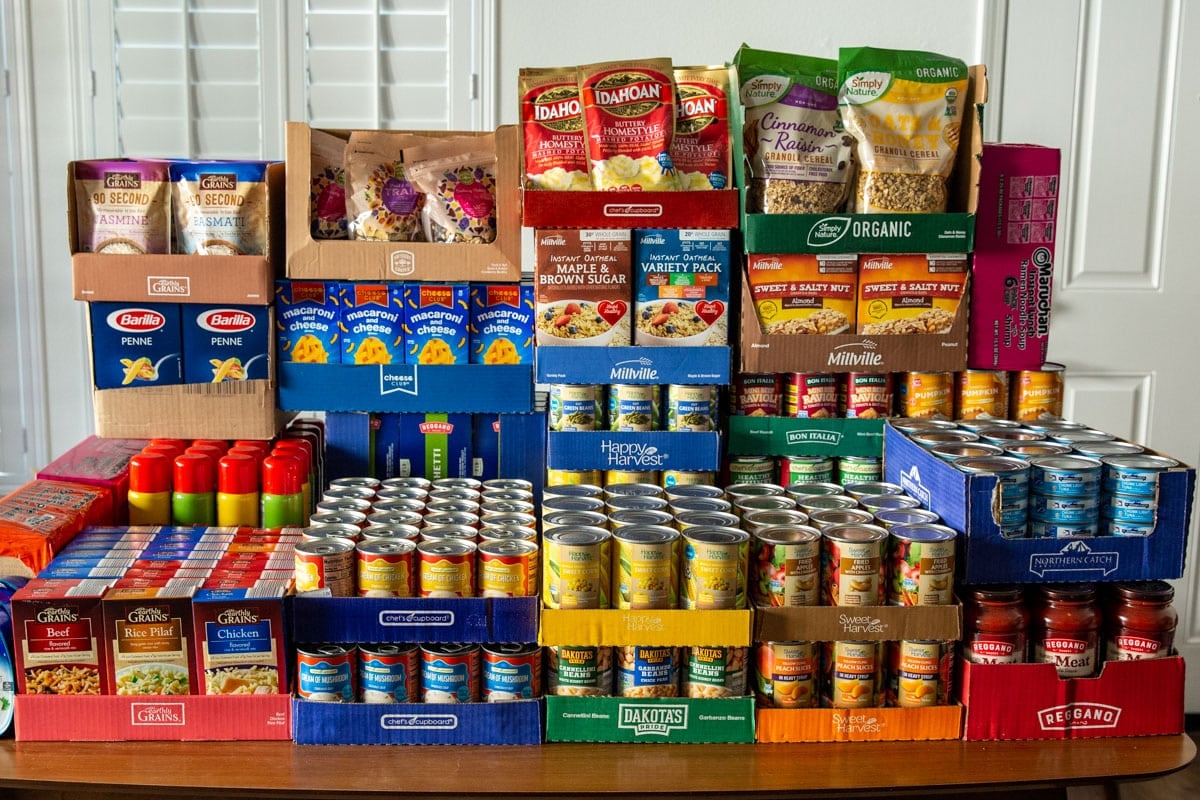
The Economic Imperative of Food Security: Understanding the Need for Canned Goods Donations
Food insecurity is not merely a social issue; it’s an economic burden with far-reaching consequences. For many households, the ability to consistently access nutritious food is a constant financial struggle, impacting everything from health outcomes to educational attainment and workforce productivity. Understanding this underlying economic strain is crucial for appreciating the financial value of canned goods donations.
The Rising Cost of Living and Its Strain on Household Budgets
Inflation and stagnant wages have created a challenging financial environment for countless families. Essential expenses like housing, utilities, and transportation consume an ever-larger portion of household income, leaving little disposable income for food, let alone savings. When a household struggles to meet basic food needs, it often resorts to cheaper, less nutritious options, or worse, sacrifices other necessities. This creates a cycle of financial instability where short-term savings on food lead to long-term health issues and increased economic vulnerability. Canned goods donations directly alleviate this immediate financial pressure, freeing up household funds that can then be allocated to other critical expenses, thereby preventing a deeper plunge into financial distress. It’s a direct injection of value into a strained budget, offering immediate financial relief.
The Hidden Costs of Food Insecurity on Communities and Economies
The financial implications of food insecurity extend far beyond individual households. Malnutrition and hunger are correlated with increased healthcare costs, reduced academic performance, and lower workforce productivity. Children who experience food insecurity are more likely to face developmental delays and chronic health conditions, placing a greater burden on public health systems. Adults struggling with hunger are less productive in their jobs, leading to reduced economic output. Furthermore, communities with high rates of food insecurity often experience higher rates of poverty and crime, leading to increased social services expenditure and reduced property values. From a macroeconomic perspective, investing in food security through donations is an investment in human capital and community infrastructure, offering a preventative measure against escalating future costs. By ensuring individuals have access to basic nutrition, we are directly contributing to a healthier, more productive, and financially stable populace.
Bridging the Gap: How Canned Goods Bolster Financial Stability
Canned goods, often shelf-stable and versatile, serve as a vital financial bridge for those experiencing food shortages. They provide a cost-effective means of delivering essential nutrients without immediate perishability concerns. For food banks and pantries, these donations represent a significant saving on procurement costs, allowing them to stretch their operational budgets further and serve more people. For recipient families, a steady supply of canned goods means less money spent at the grocery store on essential items, freeing up funds for rent, utilities, medical bills, or even modest savings. This seemingly small financial reprieve can be the difference between making ends meet and falling into deeper debt, thus bolstering overall household financial stability in a practical, immediate way.
Strategic Giving: Maximizing Your Philanthropic Investment in Canned Goods
Donating canned goods isn’t just about the act of giving; it’s about giving smartly. By adopting a strategic approach, donors can transform their contributions into a more impactful philanthropic investment, generating greater financial and social returns.
Beyond Quantity: The Financial Wisdom of Donating High-Impact Items
While any donation is appreciated, certain canned goods offer a higher “return on investment” in terms of nutritional value and utility. Food banks often identify “most needed” items not just based on scarcity, but on their ability to provide comprehensive nutrition and versatility in meal preparation. Financially, donating items like canned proteins (tuna, chicken, beans), vegetables (low-sodium), fruits (in light syrup or water), and whole grains (oats, brown rice) is more impactful than donating highly processed, sugary items. These items provide essential nutrients that would otherwise be expensive for recipients to purchase, contributing more significantly to their long-term health and, consequently, their financial well-being by reducing future health expenditures. Before donating, a quick check of a local food bank’s “most needed” list is a financially astute move, ensuring your contribution meets specific, high-value demands.
Timing Your Donations for Optimal Financial Leverage
The seasonality of donations can significantly impact their effectiveness. While the holiday season sees a surge in giving, many food banks face critical shortages during the summer months when children are out of school and lack access to school meal programs. Donating during these leaner periods can have a disproportionately positive impact, addressing greater need when resources are scarcer. From a financial planning perspective, allocating a portion of your annual charitable budget specifically for off-peak donations ensures a consistent flow of support where and when it’s most needed, effectively spreading your philanthropic investment across the year for maximum utility.
Leveraging Corporate Matching Programs and Other Incentives
Many employers offer corporate matching programs for charitable contributions, extending the financial reach of an individual’s donation. While these typically apply to monetary donations, some companies may offer volunteer hour matching, or even specific programs around product donations. Exploring such avenues can effectively double or even triple the financial value of your philanthropic effort, turning a single donation into a multi-faceted investment. Additionally, keeping records of your donations, even of goods, can be relevant for tax purposes, as we’ll discuss, potentially leading to financial benefits that further incentivize giving.
Navigating Donation Pathways: Identifying Financially Prudent Channels
Choosing the right channel for your canned goods donation is key to ensuring its financial and logistical efficiency. Different organizations serve different needs and operate with varying levels of overhead, impacting how much of your donation directly reaches those in need.
Local Food Banks and Pantries: Direct Impact and Community Investment
Local food banks and pantries are often the most direct and efficient pathways for canned goods. They have established infrastructure for collection, storage, and distribution, minimizing logistical costs. Donating directly to these organizations means your goods reach recipients quickly and with minimal processing overhead. From a financial perspective, this represents a highly efficient investment; the “cost” of your donated goods is almost entirely translated into direct benefit for the community. Furthermore, supporting local food banks strengthens the community’s own resource network, reducing the reliance on more distant or costly supply chains.

Schools and Community Centers: Supporting Vulnerable Populations
Schools, particularly those with a high percentage of students eligible for free or reduced-price lunch, often run food pantry programs or collaborate with local food banks. Donating to these entities ensures that food reaches vulnerable children and their families, often discreetly and directly. Community centers, similarly, serve as hubs for various support services, including food distribution. These channels are financially prudent because they often identify needs through existing relationships, ensuring donations are targeted effectively. They also reduce the transportation burden for recipients, making access to food more equitable and less financially draining for families.
Faith-Based Organizations: Established Networks and Resource Distribution
Many churches, mosques, synagogues, and other faith-based organizations operate robust food donation programs, leveraging their volunteer networks and existing community trust. These organizations often have low administrative overhead, meaning a higher percentage of your donation goes directly to beneficiaries. Their established networks can also reach specific demographics or geographic areas that might be underserved by larger institutions, ensuring a broader distribution of your philanthropic investment across the community.
Exploring Newer Models: Community Fridges and Peer-to-Peer Networks
Emerging models like community fridges and peer-to-peer food sharing apps offer another avenue for donating canned goods. While perhaps not as organized as traditional food banks, these options provide hyper-local, immediate access to food, often outside of traditional operating hours. Financially, they represent zero-overhead donation points, meaning the entirety of your contribution is passed directly to the consumer. For smaller donations or spontaneous giving, these can be incredibly efficient channels, particularly for addressing immediate, localized needs. However, donors should exercise due diligence to ensure these newer models operate safely and hygienically.
Integrating Food Philanthropy into Your Personal Financial Plan
Strategic philanthropy, even with something as seemingly simple as canned goods, can and should be a part of a comprehensive personal financial plan. Beyond the immediate act of giving, there are tangible financial benefits and long-term advantages to considering.
Budgeting for Charitable Contributions: A Sustainable Approach to Giving
Just as you budget for savings, investments, and expenses, allocating a specific line item for charitable contributions—whether monetary or in-kind donations like canned goods—ensures a sustainable and consistent approach to giving. Rather than being a sporadic act, philanthropy becomes an integral part of your financial discipline. By proactively setting aside funds or items, you can plan your donations strategically, aligning them with periods of greatest need or personal financial capacity, thereby maximizing your philanthropic impact without straining your own budget. This planned approach transforms giving into an investment in social capital rather than an ad-hoc expenditure.
Understanding Tax Benefits: Donating Canned Goods and Monetary Equivalents
While direct tax deductions for non-cash donations like canned goods can be complex, it’s worth understanding the potential. Generally, you can deduct the fair market value of donated items to qualified charities if you itemize deductions. While tracking the exact value of every canned good might be cumbersome, understanding the principle allows for more informed decisions, especially if you’re making substantial in-kind contributions. More directly, budgeting for monetary donations to food banks can offer clearer tax advantages. A financially savvy approach might involve a mix: donating canned goods for their direct impact and immediate relief, and making monetary contributions for their operational support and clear tax benefits. Always consult with a tax professional to understand specific eligibility and documentation requirements.
The Intangible Returns: Psychological and Social Capital Gains
Beyond the direct financial implications, there are significant intangible returns to incorporating philanthropy into your financial life. The act of giving can lead to increased personal well-being, reduced stress, and a greater sense of purpose—all factors that can indirectly contribute to better financial decision-making and overall life satisfaction. Furthermore, strategic giving builds social capital within your community, strengthening networks and fostering a sense of collective responsibility. This investment in social cohesion can lead to a more stable and supportive environment, which, in turn, can have positive long-term economic effects for everyone.
The Broader Economic Returns of Community Food Support
Ultimately, the collective act of donating canned goods contributes to a larger economic ecosystem, generating returns that benefit society as a whole. Viewing these donations as a collective investment underscores their profound financial significance.
Reducing Healthcare Burdens and Increasing Productivity
When individuals have consistent access to nutritious food, their physical and mental health improves. This translates directly into reduced healthcare expenditures for individuals, families, and the public health system. Healthier individuals are also more capable of working and learning, leading to increased productivity in the workforce and improved academic outcomes for students. From a national economic perspective, a well-nourished population is a more productive and innovative one, driving economic growth and reducing the strain on social safety nets.
Fostering Local Economic Resilience
Food insecurity often disproportionately affects certain neighborhoods and demographics, creating pockets of economic vulnerability. By supporting local food banks and pantries through canned goods donations, communities are building a resilient local food support infrastructure. This reduces reliance on distant supply chains and external aid during crises, strengthening the community’s capacity to care for its own. This localized resilience is a critical component of broader economic stability, making communities more robust in the face of economic downturns or unforeseen challenges.

Building a Stronger, More Equitable Society
The act of donating canned goods, when viewed through a financial lens, is an investment in equity. It helps bridge the economic gap between those who have sufficient resources and those who struggle. By mitigating the immediate financial burden of food, these donations contribute to a more level playing field, giving individuals and families the basic stability needed to pursue educational opportunities, career advancement, and personal growth. A society where fundamental needs are met is one where talent can flourish, innovation can thrive, and economic opportunities can be more equitably distributed, ultimately leading to a stronger, more prosperous, and financially secure future for all.
In conclusion, “where to donate canned goods” is far more than a simple question of logistics. It’s an invitation to engage in financially astute philanthropy, understanding the economic needs, strategizing for maximum impact, and recognizing the profound financial and social returns on investment. By approaching canned goods donations with a financial perspective, individuals can ensure their generosity translates into a powerful force for economic stability and community resilience.
aViewFromTheCave is a participant in the Amazon Services LLC Associates Program, an affiliate advertising program designed to provide a means for sites to earn advertising fees by advertising and linking to Amazon.com. Amazon, the Amazon logo, AmazonSupply, and the AmazonSupply logo are trademarks of Amazon.com, Inc. or its affiliates. As an Amazon Associate we earn affiliate commissions from qualifying purchases.