
Finding “true” car insurance rates—quotes that actually reflect what you will pay rather than “teaser” rates designed to capture your contact information—is one of the more challenging tasks in personal finance. The insurance industry is a multi-billion dollar sector built on complex risk assessment and actuarial data. For the average consumer, navigating this landscape requires more than just a quick search; it requires an understanding of which financial tools provide real-time, accurate data.
In the realm of personal finance, insurance is often one of the largest recurring expenses. Reducing this cost through accurate comparison is a foundational step in optimizing one’s monthly budget. This guide explores the most reliable platforms and strategies for finding authentic insurance premiums, moving past the marketing noise to find real financial value.

Understanding the Landscape of Modern Insurance Comparison Tools
The digital evolution of financial services has birthed various types of platforms that claim to offer the lowest rates. However, not all comparison engines are created equal. To find true rates, one must distinguish between the different types of financial intermediaries operating online today.
Aggregators vs. Direct Comparison Engines
Insurance aggregators are essentially search engines for insurance. They collect your data and provide a list of estimated quotes from various carriers. However, many of these platforms function as “lead-generation” sites. Their primary goal is to sell your information to agents who will then call you to finalize a quote.
In contrast, direct comparison engines or “insurtech” brokers have deeper integrations with insurance carriers. These platforms use APIs (Application Programming Interfaces) to pull real-time underwriting data. When you use a high-fidelity comparison tool, the price you see is much closer to the final premium because the tool is communicating directly with the insurer’s pricing software.
The Role of Data Accuracy in Rate Estimation
A “true” rate is only as good as the data provided. Financial tools that ask only three or four questions cannot provide an accurate premium. To get a quote that sticks, the platform must analyze your driving history, vehicle identification number (VIN), and, in most states, your credit-based insurance score.
Personal finance experts suggest using tools that require a “soft credit pull.” Unlike a hard pull, this does not impact your credit score, but it allows the comparison engine to factor in your financial reliability—a major component in how insurance companies calculate risk and final pricing.
Top Platforms for Accurate and Unbiased Car Insurance Quotes
When looking for the best financial tools to manage your insurance costs, you should prioritize platforms that offer transparency and a broad market view. The following categories of platforms are generally recognized for providing the most reliable data.
Established Marketplaces for Broad Market Coverage
Marketplaces like The Zebra or Gabi have revolutionized how consumers interact with insurance data. These platforms emphasize “transparency first.” They allow users to compare dozens of carriers side-by-side. The strength of these marketplaces lies in their independence; they are not owned by an insurance company, which reduces the likelihood of biased results. By presenting a wide array of options—from “The Big Four” to smaller, regional carriers—they provide a holistic view of the market.
Specialized FinTech Tools for Personalized Risk Assessment
Newer FinTech entrants have moved beyond simple spreadsheets. Some tools now integrate with your existing insurance account to “read” your current declarations page. This ensures that when you compare rates, you are comparing “apples to apples” regarding coverage limits, deductibles, and endorsements. For a person focused on precise financial planning, these tools are invaluable because they eliminate the guesswork of manual data entry, which often leads to inaccurate “teaser” quotes.

Key Factors That Influence Your “True” Insurance Premium
To find the most accurate rates, you must understand the variables that insurance companies use to determine your financial risk profile. A true rate is a reflection of your unique financial and behavioral footprint.
Credit Score and Financial History Integration
In the world of personal finance, your credit score is more than just a gateway to loans; it is a primary driver of insurance costs in most U.S. states. Actuarial data shows a high correlation between financial responsibility and driving safety. Therefore, when comparing rates, the most accurate tools will ask for permission to view your credit-based insurance score. If a site provides a quote without considering your credit, that quote is likely a generic estimate and will change significantly once you attempt to purchase the policy.
Usage-Based Insurance (UBI) and Telematics
One of the most significant shifts in insurance pricing is the move toward “pay-how-you-drive” models. Platforms that specialize in telematics can offer true rates that are significantly lower for safe drivers. When comparing rates, look for options that mention UBI. If you are a low-mileage driver or an exceptionally cautious one, these specialized financial products can offer savings that traditional, static comparison tools might miss. This represents a shift from “demographic-based” pricing to “behavior-based” pricing, offering a more equitable financial arrangement for many consumers.
How to Vet a Comparison Site for Financial Integrity
With so many sites vying for your attention, it is crucial to apply a level of due diligence to the tools you use. Not every site that promises a “free quote” is acting in your best financial interest.
Identifying Lead-Gen Sites vs. Licensed Brokers
A major red flag in the insurance comparison world is a site that immediately redirects you to a third-party website or results in a barrage of telemarketing calls. To find true rates, look for platforms that are licensed insurance agencies. Licensed brokers have a fiduciary-like responsibility to provide accurate information and are regulated by state insurance departments. If a site does not list its licensing information in the footer, it is likely a lead-generation site that will not provide finalized pricing.
Checking for Carrier Diversity and Real-Time Pricing
Reliable financial tools will disclose which carriers they work with. A tool that only compares three companies is not giving you a “true” market rate; it is giving you a limited subset. The best tools compare 20 to 50 carriers simultaneously. Furthermore, look for a “timestamp” on quotes or an indication that the price is “real-time.” Because insurance rates can fluctuate based on corporate loss ratios and state regulatory changes, a quote from three months ago is no longer a true rate.
Strategic Steps to Securing the Best Value for Your Coverage
Comparison is only the first step. To truly optimize this area of your personal finances, you must take a proactive approach to how you structure your policies.
Bundling and Multi-Policy Optimization
When using comparison tools, always check the “bundle” options. Most platforms allow you to input your homeowners or renters insurance data alongside your auto information. From a financial perspective, bundling is often the single most effective way to drop a premium by 10% to 25%. A true comparison isn’t just about the lowest price for one policy; it’s about the lowest total cost for your entire insurance portfolio.
Timing Your Comparison for Maximum Savings
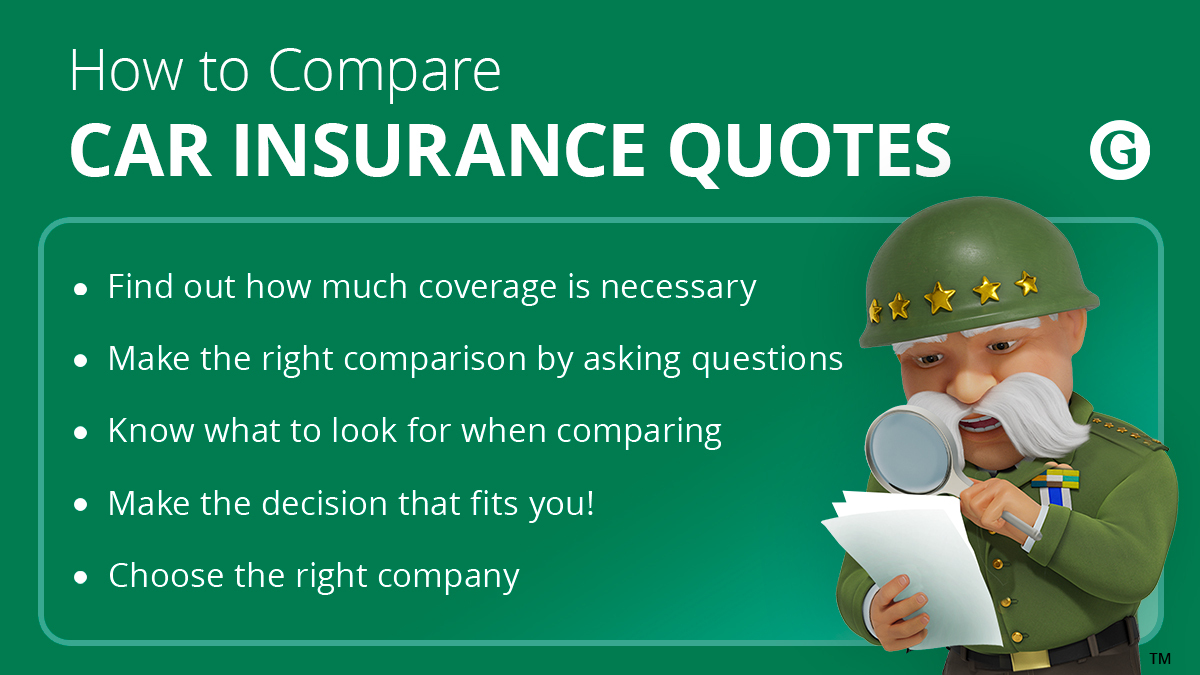
Insurance rates are not static. Financial experts recommend “shopping” your insurance every six to twelve months, or whenever a major life event occurs (such as a move, a change in credit score, or a car purchase). Many people make the mistake of letting their policies auto-renew. However, “price optimization” is a common industry practice where carriers slowly raise rates on loyal customers who are unlikely to switch. By using high-quality comparison tools regularly, you ensure that you are always paying the current market rate rather than a “loyalty tax.”
In conclusion, finding true car insurance rates is a sophisticated exercise in financial management. By moving away from basic lead-generation sites and toward integrated, licensed comparison engines, you can gain a clear and accurate picture of your insurance costs. This transparency allows for better budgeting, more informed decision-making, and ultimately, a more secure financial future. Use tools that value your data, respect your privacy, and provide direct access to the underwriters who hold the keys to your potential savings.
aViewFromTheCave is a participant in the Amazon Services LLC Associates Program, an affiliate advertising program designed to provide a means for sites to earn advertising fees by advertising and linking to Amazon.com. Amazon, the Amazon logo, AmazonSupply, and the AmazonSupply logo are trademarks of Amazon.com, Inc. or its affiliates. As an Amazon Associate we earn affiliate commissions from qualifying purchases.