
In an increasingly digital financial landscape, personal checks, while less frequent than in decades past, remain a common method for transferring funds between individuals. Whether it’s a birthday gift from a relative, a payment from a friend, or a reimbursement, receiving a personal check still necessitates a clear understanding of how and where to convert it into usable cash. For many, especially those who might not have a traditional bank account or need immediate access to funds, knowing the available options and potential pitfalls is crucial. This guide provides an insightful and professional overview of the various avenues for cashing a personal check, detailing the requirements, fees, and best practices to ensure a smooth and secure transaction.
Traditional Banking Options: Your Go-To Solutions
When it comes to cashing a personal check, conventional financial institutions are often the most straightforward and secure choice. These establishments are designed to handle such transactions and typically offer the most favorable terms, especially if you have an existing relationship with them.
Cashing a Check at Your Own Bank
The simplest and most cost-effective method for cashing a personal check is typically through your own bank or credit union, provided you have an account there. When you deposit a check into your account, the funds are usually available within one to two business days, though some banks may offer immediate availability for smaller amounts or for checks drawn on the same bank. Most banks will allow you to withdraw the equivalent cash immediately if the funds are available.
Advantages:
- No Fees: Most banks do not charge a fee for cashing a check if you are a customer.
- Full Value: You receive the full value of the check, either as cash or as a deposit to your account.
- Security: Your bank is a secure environment for financial transactions.
- Convenience: Many banks offer mobile deposit options through their apps, allowing you to deposit checks from anywhere without physically visiting a branch.
Requirements:
- A valid government-issued photo ID (driver’s license, state ID, passport).
- Your bank account number or debit card.
- The properly endorsed check (signed on the back).
Cashing a Check at the Issuing Bank (Even Without an Account)
Even if you don’t have an account at the bank on which the check is drawn (the bank of the person who wrote the check), you can often cash it directly at one of their branches. This is a common and often preferred option if you don’t have your own bank account, as the issuing bank can immediately verify the funds and authenticity of the check.
Advantages:
- Immediate Verification: The bank can instantly confirm that the check is valid and that sufficient funds are available in the issuer’s account.
- No Waiting Period: Funds are typically available immediately as cash.
- Potentially Lower Fees: While some issuing banks may charge a non-customer fee, it’s often competitive or sometimes even waived.
Requirements:
- A valid government-issued photo ID.
- The properly endorsed check.
- Be prepared for a potential fee, which can vary but is often a flat rate or a small percentage of the check amount. Some banks might only cash checks up to a certain limit for non-customers.
Leveraging Credit Unions for Check Cashing
Credit unions operate much like banks but are member-owned, often leading to more personalized service and potentially lower fees. If you are a member of a credit union, the process for cashing a personal check will be identical to that at a traditional bank. Even if you’re not a member, some credit unions may offer check cashing services to non-members, particularly if the check is drawn on that specific credit union. Policies vary widely, so it’s always best to call ahead. The shared branching network among credit unions can also be an advantage, allowing members of one credit union to conduct transactions at another participating credit union branch.
Alternative Check Cashing Services: When Banks Aren’t an Option
For individuals without a bank account, or those needing immediate cash outside of banking hours, several alternative services provide check-cashing solutions. While convenient, these options often come with higher fees.
Retail Stores with Check Cashing Services
Many large retail chains offer check cashing services, making them a popular choice due to their widespread locations and extended hours. These stores understand the need for quick access to funds and cater to a broad customer base.
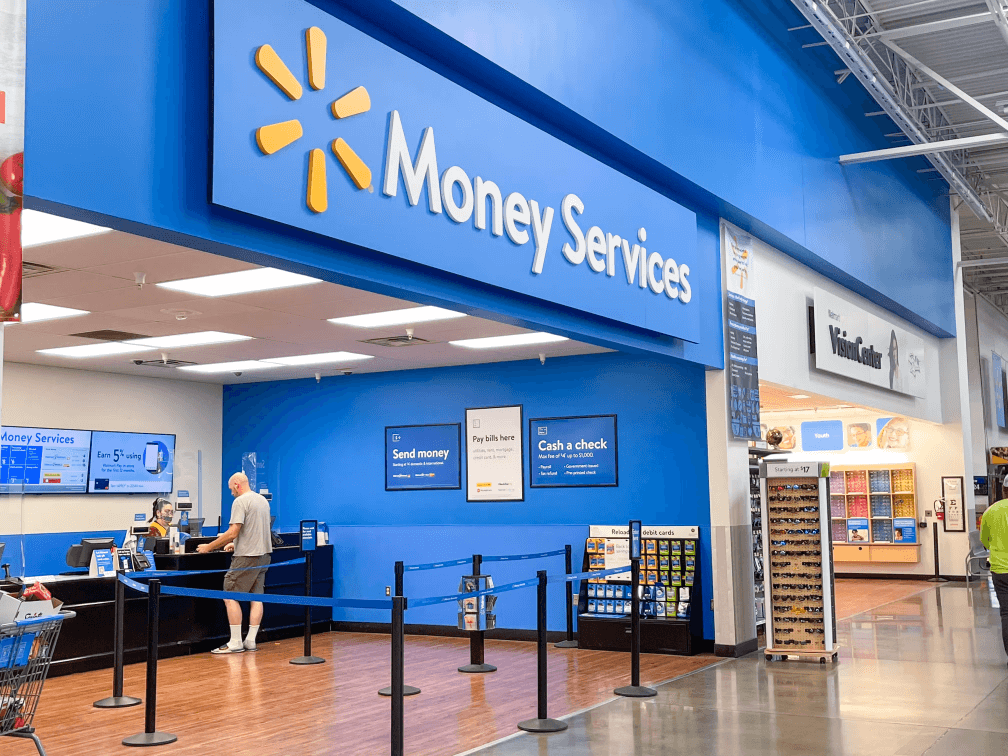
- Walmart: Arguably the most well-known and widely used retail option, Walmart cashes a variety of checks, including personal checks, for a competitive fee. They typically have a maximum check amount and require a valid ID. Fees are generally low, making it an attractive option for many.
- Kroger Family of Stores (Kroger, Fred Meyer, King Soopers, etc.): Many grocery store chains within the Kroger family also provide check cashing. Their policies and fees are comparable to Walmart’s, often requiring a loyalty card for the lowest fees and a valid ID.
- Other Grocery Stores: Check with your local grocery stores, as many independent and regional chains offer similar services.
Advantages:
- Convenience: Numerous locations and extended operating hours, often open on weekends and evenings.
- Accessibility: A good option for those without traditional bank accounts.
Requirements:
- A valid government-issued photo ID.
- The properly endorsed check.
- Expect a fee, usually a small percentage of the check amount (e.g., 1-3%) or a flat rate.
- Be aware of daily or per-check limits.
Dedicated Check Cashing Stores
These establishments specialize exclusively in cashing checks and providing other financial services like money orders, bill payments, and sometimes small loans. They are designed for quick service, often with minimal questions asked beyond verifying ID and check validity.
Advantages:
- Speed: Very fast transaction times.
- High Acceptance Rate: They often cash a broader range of checks than retail stores or even some banks.
- No Bank Account Needed: Their primary clientele are those without traditional banking relationships.
Requirements:
- A valid government-issued photo ID.
- The properly endorsed check.
- Higher Fees: This convenience comes at a cost, with fees typically ranging from 3% to 10% or more of the check’s value. These fees can significantly erode the value of your check, so it’s essential to compare rates.
- Be cautious of predatory lending practices if they offer other services.
Prepaid Debit Cards and Mobile Banking Apps
The rise of financial technology has introduced new ways to handle personal checks, particularly for those who prefer not to use traditional banks.
- Prepaid Debit Cards: Many reloadable prepaid debit cards (e.g., NetSpend, Green Dot) offer check deposit services, often through a mobile app. You can take a photo of the check, and the funds are loaded onto your card. There might be a fee for this service, and funds might not be immediately available. This method provides an alternative to physical cash and allows for online purchases and ATM withdrawals.
- Mobile Banking Apps (Non-Bank Providers): Some fintech companies and apps offer mobile check deposit services without requiring a traditional bank account. These apps work by connecting to a third-party service that processes the check and then disburses the funds, either to a linked prepaid card or a virtual account within the app. Fees and processing times vary.
Advantages:
- Digital Convenience: Deposit checks from anywhere using your smartphone.
- Security (Digital): Reduces the risk of carrying large amounts of cash.
- Budgeting Tools: Many prepaid cards and apps offer budgeting features.
Requirements:
- A smartphone with a stable internet connection.
- An active prepaid debit card account or registered app account.
- Valid ID may be required for initial setup or large transactions.
- Fees can apply for mobile deposits, and funds availability can range from minutes to several days.
Understanding Fees and Requirements: What You Need to Know
Regardless of where you choose to cash your personal check, it’s vital to be aware of the costs involved and the necessary documentation. Being prepared can save you time and money.
Common Fees Associated with Check Cashing
The cost of cashing a check can vary significantly:
- Your Own Bank/Credit Union: Generally no fee for customers.
- Issuing Bank (Non-Customer): May charge a flat fee (e.g., $5-$10) or a small percentage (e.g., 1-2%).
- Retail Stores: Typically charge a percentage fee (e.g., 0.5% – 3%) with minimum and maximum limits.
- Dedicated Check Cashing Stores: Usually the highest fees, ranging from 3% to 10% or more, depending on the check amount and type.
- Prepaid Cards/Mobile Apps: Can have flat fees per deposit or a percentage fee.
Always ask about the exact fees before initiating the transaction. These fees can quickly add up, especially for smaller checks.

Essential Documents for Cashing a Check
Every institution will require you to prove your identity. The most commonly accepted forms of ID include:
- Valid government-issued photo ID: Driver’s license, state-issued identification card, passport, military ID.
- Some places may also accept a Matricula Consular ID or other forms of national identification.
Ensure your ID is current and matches the name on the check (if you are the payee). The check itself must be properly endorsed with your signature on the back. For specific situations, some places might ask for a secondary form of identification or proof of address.
Potential Holds and Availability of Funds
When you deposit a check into your bank account, especially a large one, the bank may place a “hold” on the funds. This means the money isn’t immediately available for withdrawal or use, even though it might show up in your account balance. Holds are typically placed to allow the bank time to ensure the check clears the issuer’s bank.
- Standard Holds: Federal regulations generally require the first $225 of a deposited check to be available on the next business day, with the remainder available within two business days for local checks. Longer holds (up to 5-7 business days or more) can apply for larger amounts, non-local checks, new accounts, or if the bank suspects fraud.
- Immediate Cash: If you cash a check at the issuing bank or a dedicated check cashing store, the funds are typically provided immediately in cash, as they can verify the funds on the spot.
- Mobile Deposits: Availability for mobile deposits can vary from minutes (for a fee) to several business days, depending on the service provider and the amount.
Always inquire about the fund availability policy before you complete the transaction, especially if you need the money urgently.
Security and Best Practices: Cashing Your Check Safely
Cashing a check involves financial transactions, and like any financial activity, it carries inherent risks. Adhering to best practices can significantly reduce your exposure to fraud and ensure a smooth process.
Verifying Check Authenticity
Unfortunately, check fraud is a persistent issue. Before you even attempt to cash a check, take a moment to inspect it for signs of tampering:
- Check Quality: Is the paper thick and professional, or does it feel flimsy?
- Print Quality: Are the lines crisp? Is the routing number and account number clear?
- Spelling/Grammar: Are there any obvious errors?
- Security Features: Many checks have microprinting, watermarks, or other security features. Hold it up to the light.
- Maker’s Information: Does the issuer’s name and address look legitimate? If you know the person, does it match their typical checks?
If anything feels off, contact the person who wrote the check or the issuing bank (using a verified phone number, not one on the check itself) to verify its legitimacy before endorsing or attempting to cash it.
Endorsing Your Check Correctly
Proper endorsement is crucial for cashing a check. Your endorsement signifies your acceptance of the check and authorizes its payment.
- Standard Endorsement: Simply sign your name exactly as it appears on the “Pay to the Order of” line on the back of the check, within the designated endorsement area.
- For Deposit Only: If you are depositing the check into your bank account, you can add “For Deposit Only” above your signature. This adds an extra layer of security, as it prevents someone else from cashing the check if it gets lost after endorsement.
- Don’t Pre-Endorse: Never sign the back of a check until you are physically at the location where you intend to cash or deposit it. An endorsed check without a payee can easily be cashed by anyone who finds it.
Guarding Against Scams
Be vigilant against common check cashing scams:
- “Overpayment” Scams: Someone sends you a check for more than the agreed amount and asks you to cash it and wire back the difference. The original check is usually fake, leaving you responsible for the wired money once the check bounces.
- Lottery/Sweepstakes Scams: You receive a check as “winnings” from a lottery you never entered, with instructions to cash it and pay a “tax” or “processing fee.”
- Work-from-Home Scams: Scammers send fake checks for supplies or initial payments for a bogus job.
Always remember: if it sounds too good to be true, it probably is. Never cash a check for someone you don’t know, especially if they ask you to send money back.
Alternatives to Cashing Physical Checks
While this guide focuses on cashing checks, consider these alternatives that might be more convenient or secure:
- Direct Deposit: For recurring payments (paychecks, government benefits), direct deposit is the safest and most efficient method.
- Mobile Deposit: As mentioned, many banks and some fintech apps allow you to deposit checks using your smartphone camera.
- Person-to-Person Payment Apps: For small transfers between friends or family, apps like Zelle, Venmo, or PayPal offer instant digital transfers, eliminating the need for checks altogether.
Finding “Near Me”: Tools and Tips for Locating Services
When you need to cash a personal check, especially outside of regular banking hours or if you’re in an unfamiliar area, locating a nearby service is key.
Using Online Search Engines and Maps
The simplest way to find check cashing services near you is to leverage the power of online search:
- Google Maps/Apple Maps: Type “check cashing near me,” “banks near me,” or “Walmart near me” into the search bar. The map will display nearby locations, often with hours of operation, phone numbers, and customer reviews.
- General Search Engines (Google, Bing): A broader search for “where can I cash a personal check” can yield articles and directories that list various options.
Be sure to filter results by opening hours if you need immediate service.
Leveraging Bank/Store Locators
Many major banks, credit unions, and retail chains have dedicated “locator” tools on their websites or within their mobile apps.
- Bank Websites: Most banks (e.g., Bank of America, Chase, Wells Fargo) have a “Find a Branch” or “ATM Locator” feature. You can search by zip code or address.
- Retailer Websites: Walmart, Kroger, and similar stores often have a “Store Locator” that will also indicate if they offer specific services like check cashing.
- Prepaid Card Websites: If you use a prepaid card with mobile deposit features, their websites or apps will guide you on how to utilize their check cashing service.

Asking Around: Word-of-Mouth Recommendations
Don’t underestimate the power of local knowledge. If you’re new to an area or simply unsure, asking friends, family, or even local shopkeepers can often lead you to reliable check cashing options. They might know of a reputable local check cashing store or a grocery store that offers competitive rates.
Cashing a personal check doesn’t have to be a complicated ordeal. By understanding the various options available, knowing the associated fees and requirements, and adhering to security best practices, you can confidently and securely convert your check into cash, ensuring your financial needs are met efficiently.
aViewFromTheCave is a participant in the Amazon Services LLC Associates Program, an affiliate advertising program designed to provide a means for sites to earn advertising fees by advertising and linking to Amazon.com. Amazon, the Amazon logo, AmazonSupply, and the AmazonSupply logo are trademarks of Amazon.com, Inc. or its affiliates. As an Amazon Associate we earn affiliate commissions from qualifying purchases.