
In an increasingly cashless and digital world, the humble paper check continues to play a significant role in financial transactions for millions. Whether it’s a payroll check, a tax refund, an insurance payout, or a personal gift, the need to convert that piece of paper into usable cash or a bank deposit is a common occurrence. For many, especially those outside the traditional banking system or those needing immediate access to funds, the question, “Where can I cash a check near me?” is more than just a convenience – it’s a crucial financial inquiry.
This comprehensive guide delves into the various avenues available for cashing checks, exploring the benefits and drawbacks of each, and providing insights into the associated costs and requirements. Our aim is to empower you with the knowledge to make informed decisions, ensuring you can access your funds efficiently and securely, aligning with sound personal finance principles.
The Enduring Relevance of Cashing Checks in a Digital Age
While digital payment methods and direct deposits have become the norm for many, paper checks haven’t vanished. They serve specific niches and address particular needs, making the ability to cash them a fundamental aspect of financial literacy and accessibility. Understanding why checks still matter helps in appreciating the various options for cashing them.
Why Checks Still Matter: Beyond the Digital Horizon
For businesses, checks offer a verifiable paper trail for expenses and payments, particularly for larger transactions where digital limits might apply or where a physical signature is preferred. Government entities, too, frequently issue checks for refunds, benefits, and stimulus payments. Individuals without bank accounts, or those who prefer to manage their money primarily in cash, rely heavily on checks as a primary means of receiving funds. Furthermore, in situations where direct deposit setup is delayed or unavailable, a physical check bridges the gap. The sheer volume of checks issued daily underscores their continued, albeit specialized, importance in the financial ecosystem.
Common Scenarios Requiring Immediate Cash Access
The urgency to cash a check often stems from pressing financial needs. Perhaps it’s a paycheck that needs to cover immediate bills, groceries, or transportation costs before the next direct deposit. It could be an insurance settlement that needs to be accessed quickly for repairs or medical expenses. For those managing tight budgets, every dollar counts, and the delay inherent in certain banking processes can be prohibitive. Understanding these common scenarios helps in evaluating which check-cashing method offers the best balance of speed, cost, and convenience for your unique situation. Access to immediate funds can be the difference between meeting critical obligations and facing penalties or hardship.
Traditional Pathways: Banking Institutions
The most conventional and often most cost-effective way to cash a check is through a bank or credit union. However, the ease of this process can vary significantly depending on whether you hold an account with the institution.
Your Primary Bank or Credit Union: The Ideal Scenario
If you have an account with the bank that issued the check, or with any bank you hold an account with, cashing or depositing a check is typically straightforward and often free. Depositing the check into your account usually allows for immediate access to at least a portion of the funds, with the remainder becoming available within one to two business days. Cashing the check outright provides immediate physical cash, subject to branch cash availability and your account balance (if the check is drawn on your own account). This method is almost always the most secure and fiscally prudent option, as it incurs no additional fees and provides a clear record of the transaction within your financial history. It leverages the relationship you’ve built with your financial institution, often with the added benefit of fraud protection.
Cashing a Check at a Non-Account Holder’s Bank: Understanding the Hurdles
Cashing a check at the bank it was drawn on, even if you don’t have an account there, is often possible but comes with specific requirements and potential fees. The bank’s primary concern is verifying the check’s legitimacy and protecting itself from fraud. They will meticulously confirm that the check is valid, that the account it’s drawn from has sufficient funds, and that you are the legitimate payee. This often involves a phone call to the account holder or a verification process that can take time. Furthermore, non-account holders are almost always charged a fee for this service, which can vary but is generally a flat rate or a small percentage of the check amount. While possible, it’s not the most efficient or cheapest option, but it can be a viable last resort for immediate cash.
Key Requirements and Considerations for Bank Transactions
Regardless of whether you’re an account holder, you will invariably need valid identification. This typically includes a government-issued photo ID such as a driver’s license, state ID, or passport. Banks maintain strict “Know Your Customer” (KYC) regulations to prevent fraud and money laundering. For non-account holders, the requirements are even more stringent, sometimes requiring a secondary form of ID or additional verification steps. Always ensure the check is properly endorsed on the back with your signature, matching the payee name on the front. Be aware of potential “holds” on larger deposits, which might delay full access to your funds, even if deposited into your own account. Understanding these nuances is crucial for smooth and successful check cashing.
Retailers and Specialty Check Cashing Services: Accessibility and Convenience
For those without bank accounts or needing immediate cash outside of banking hours, various retail chains and dedicated check cashing stores offer accessible alternatives, albeit with varying costs.
Major Retail Chains: A Convenient Alternative
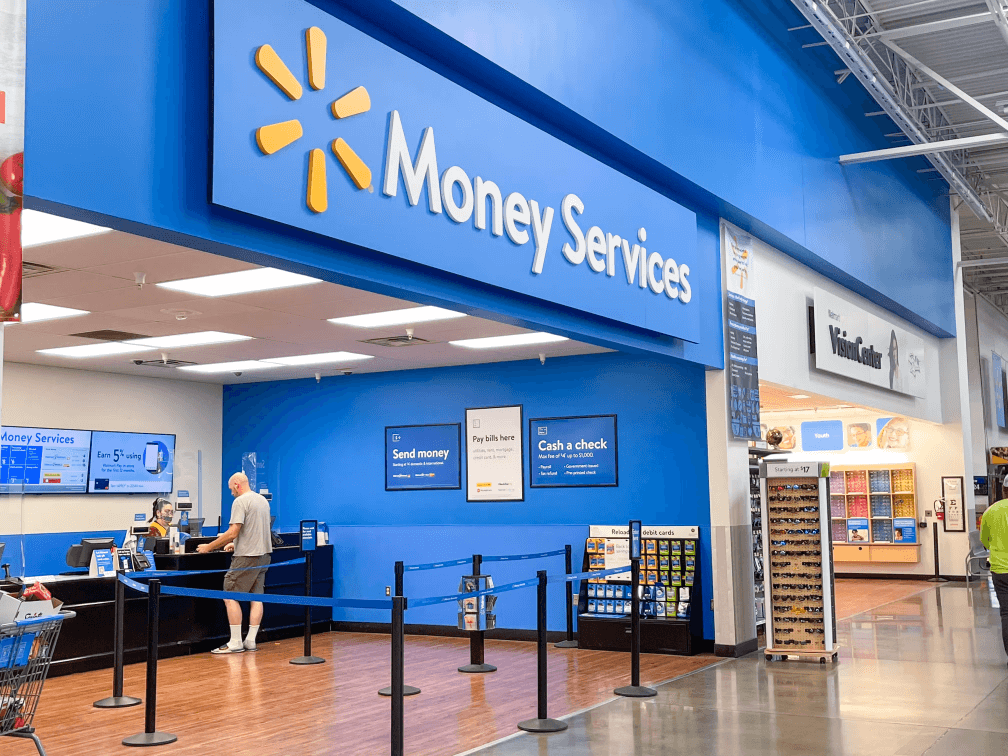
Many large retail chains, such as Walmart, Kroger, some major grocery store chains (e.g., Safeway, H-E-B), and even some convenience stores, offer check cashing services. These services are popular due to their extended operating hours, widespread locations, and often lower fees compared to dedicated check cashing stores. Walmart, for instance, is well-known for cashing payroll, government, tax refund, and some other types of checks for a flat fee or a small percentage, often with a maximum limit.
Grocery stores frequently offer similar services, particularly for smaller payroll checks. While convenient, it’s essential to be aware of their specific policies, daily limits, and required identification, as these can differ significantly between retailers. This option bridges the gap for many who need quick access to funds without a traditional bank account, serving as a critical financial tool in many communities.
Dedicated Check Cashing Stores: Speed at a Price

Check cashing stores, often found in urban areas or neighborhoods with limited bank access, specialize in converting checks to cash quickly. They are designed for speed and convenience, often operating with longer hours and without the need for a bank account. However, this convenience comes at a higher cost. Their fees are typically higher than banks or even major retailers, often ranging from 1% to 10% of the check amount, depending on the check type (e.g., payroll vs. personal checks). While they can cash a wider variety of checks, including personal checks that many retailers won’t accept, the high fees can significantly erode the value of your funds. It’s crucial to weigh the urgency of needing cash against the financial impact of these fees. For those without other options, they provide a lifeline, but for sound personal finance, they should be considered a last resort.
The Role of Prepaid Debit Cards in Check Cashing
Some check cashing services, including certain retailers and standalone stores, offer the option to load the funds onto a prepaid debit card instead of receiving cash. This can be a useful alternative, especially if you prefer not to carry large amounts of cash or need a way to make digital purchases or pay bills online. The fees for loading checks onto these cards might be similar to cash cashing fees, and the cards themselves often come with their own set of fees (e.g., activation fees, monthly maintenance fees, ATM withdrawal fees). While providing a level of convenience and security similar to a bank account without the stringent requirements, it’s important to understand the full fee structure of both the check cashing service and the prepaid card to avoid unexpected costs that could negate the benefit.
Modern Solutions and Safeguards: Leveraging Technology and Prudence
While the act of cashing a physical check might seem old-fashioned, technology has brought significant advancements, primarily through mobile banking, and modern financial wisdom dictates certain safeguards.
Mobile Check Deposit: The Digital Evolution of Check Cashing
For those with bank accounts and smartphones, mobile check deposit has revolutionized the process. Instead of physically going to a bank or ATM, you can simply take photos of the front and back of your endorsed check using your bank’s mobile app. The funds are then deposited directly into your account. While this method doesn’t provide immediate cash (the funds are still subject to bank hold policies, similar to an ATM deposit), it offers unparalleled convenience and significantly reduces the need for physical travel. It’s a prime example of a “financial tool” that streamlines personal finance management. Always ensure you securely store or shred the physical check after it has cleared to prevent potential fraud.
Utilizing Online Locators and Financial Apps
Beyond mobile deposit, technology also helps answer the “near me” part of the question. Many banks, credit unions, and even major retail chains provide online branch/store locators on their websites or within their mobile apps. These tools allow you to quickly find the nearest location offering check cashing services. Some third-party financial apps also aggregate information on check cashing locations and their fees, providing a comparative overview. While not directly cashing checks, these digital resources are invaluable “financial tools” for efficient decision-making, helping you save time and potentially money by finding the most suitable option closest to you.
Essential Tips for Safe and Smart Check Cashing
No matter which method you choose, exercising caution and smart financial practices is paramount. Always ensure you have valid, unexpired photo identification. Endorse your check only when you are about to cash it, and sign it exactly as your name appears on the payee line. Before cashing, visually inspect the check for any signs of tampering or alteration; legitimate checks typically have security features like microprinting or watermarks. Be wary of checks for amounts significantly larger than expected, especially from unknown sources, as this is a common tactic in fraud schemes. If a check seems suspicious, contact the issuing bank directly to verify its authenticity before attempting to cash it. Protecting your personal information and being vigilant against fraud are critical components of responsible money management.
Understanding Fees, Limits, and Identification Requirements
The cost and limitations of cashing a check are often the deciding factors for individuals. A clear understanding of these aspects helps in selecting the most financially advantageous option.
Demystifying Check Cashing Fees Across Different Venues
Fees for cashing checks can vary dramatically. As discussed, your own bank generally offers free check cashing or deposit. Cashing a check at the issuing bank where you don’t have an account might incur a flat fee, typically between $5 and $10, or a small percentage. Retailers like Walmart usually charge low, flat fees (e.g., $4 for checks up to $1,000, and $8 for checks between $1,000.01 and $5,000). Dedicated check cashing stores, while convenient, charge the highest fees, often a percentage of the check’s value that can range from 1% for payroll checks to as much as 10% for personal checks. These fees directly reduce the amount of money you receive, impacting your personal budget. Always ask about the total fee before proceeding with the transaction.
Navigating Transaction Limits and Hold Policies
Most check cashing services, whether banks, retailers, or specialty stores, impose daily or per-transaction limits. For instance, a retail store might have a maximum check cashing limit of $5,000 per day. Banks also have internal limits, especially for non-account holders or for checks deposited via mobile app, beyond which they might place a longer hold on the funds. It’s vital to inquire about these limits beforehand, particularly if you have a large check to cash, to ensure you don’t face unexpected delays or multiple trips. Understanding a bank’s hold policy for deposits is also crucial for budgeting, as “available balance” might not always equate to “immediately spendable cash.”
The Non-Negotiable Need for Valid Identification
This point bears repeating: valid government-issued photo identification is universally required for cashing a check. This is not merely a formality but a critical security measure to prevent fraud and comply with federal regulations. Acceptable forms typically include a driver’s license, state ID card, military ID, or passport. Some institutions may require a secondary form of identification, especially for large amounts or if there’s any discrepancy. Your ID must be current and clearly show your photo and signature. Without proper identification, regardless of the venue, you will almost certainly be denied the ability to cash your check.

Conclusion: Empowering Your Financial Choices
Cashing a check, while seemingly a simple transaction, involves navigating a landscape of options, fees, and requirements. For those integrated into the traditional banking system, the process is usually seamless and cost-free. However, for the unbanked or those needing immediate access to funds outside standard banking hours, retailers and dedicated check cashing services provide invaluable alternatives.
By understanding the distinct advantages and disadvantages of each method – from the zero-cost convenience of your own bank to the rapid but pricier services of a check cashing store – you can make informed decisions that best suit your immediate financial needs and long-term monetary goals. Leveraging modern financial tools like mobile deposit and online locators further streamlines the process. Ultimately, armed with this knowledge, you are better equipped to manage your personal finances, ensuring your hard-earned money is accessible when and where you need it most, safely and efficiently.
aViewFromTheCave is a participant in the Amazon Services LLC Associates Program, an affiliate advertising program designed to provide a means for sites to earn advertising fees by advertising and linking to Amazon.com. Amazon, the Amazon logo, AmazonSupply, and the AmazonSupply logo are trademarks of Amazon.com, Inc. or its affiliates. As an Amazon Associate we earn affiliate commissions from qualifying purchases.