
The digital asset landscape has evolved from a niche interest for cryptographic hobbyists into a cornerstone of the modern financial portfolio. Among the thousands of digital currencies available today, XRP stands out as a unique asset with a specific utility: facilitating lightning-fast, low-cost international settlements. For the retail investor or the high-net-worth individual looking to diversify their holdings, the question of “where to buy XRP” is not merely about finding a platform, but about selecting an ecosystem that aligns with their financial goals, security requirements, and regulatory comfort.

This guide explores the diverse avenues for acquiring XRP, focusing strictly on the financial mechanisms, platform evaluations, and strategic considerations necessary for prudent capital allocation in the digital age.
1. Understanding the XRP Ecosystem and Its Value Proposition
Before deploying capital, a sophisticated investor must understand the underlying asset’s role in the broader financial market. XRP is the native digital asset of the XRP Ledger—an open-source, permissionless, and decentralized blockchain technology. Unlike Bitcoin, which was designed as a “peer-to-peer electronic cash system,” XRP was engineered specifically for the financial services industry.
The Role of Ripple vs. XRP
A common misconception in the personal finance space is the conflation of Ripple (the company) and XRP (the asset). Ripple is a technology company that builds infrastructure for global payments, utilizing XRP to provide liquidity. XRP itself is an independent digital asset. From an investment perspective, this distinction is vital. The value of XRP is driven by market supply and demand, its utility in bridging different currencies, and its adoption by financial institutions for cross-border transactions.
Liquidity and Market Capitalization
XRP consistently ranks as one of the top digital assets by market capitalization. For an investor, high market cap and liquidity are essential indicators of a “healthy” asset. High liquidity ensures that large buy or sell orders can be executed with minimal “slippage”—the difference between the expected price of a trade and the price at which the trade is actually executed. This makes XRP a viable option for both long-term wealth preservation and active trading.
2. Top-Tier Centralized Exchanges for XRP Transactions
For the majority of investors, Centralized Exchanges (CEXs) represent the most accessible “on-ramp” for purchasing XRP. These platforms function similarly to traditional stock brokerages, providing a user-friendly interface to trade fiat currency (like USD, EUR, or GBP) for XRP.
Security Protocols and Regulatory Compliance
When choosing a platform, the primary consideration should be the exchange’s regulatory standing and security infrastructure. Following the legal clarity established in recent judicial proceedings regarding XRP’s status, major global exchanges have re-listed the asset. Investors should prioritize platforms that utilize Two-Factor Authentication (2FA), maintain “cold storage” for the majority of user funds, and have a proven track record of transparency, such as providing “Proof of Reserves.”
Fee Structures and User Experience
The cost of acquisition is a critical component of investment ROI. Exchanges typically charge a “maker-taker” fee or a flat percentage per transaction.
- Tier 1 Exchanges: Platforms like Uphold, Kraken, and Bitstamp are renowned for their deep liquidity and support for XRP. They offer advanced charting tools for technical analysis and simplified “buy” buttons for beginners.
- Regional Platforms: Depending on your jurisdiction, local exchanges may offer better integration with local banking systems (SEPA in Europe, ACH in the US), potentially reducing the time and cost associated with depositing fiat currency.
Geographic Accessibility
It is important to note that the availability of XRP varies by region due to local financial regulations. While the asset is widely available in most of the world, investors must ensure the platform they choose is licensed to operate in their specific country or state.
3. Exploring Decentralized and Alternative Procurement Methods
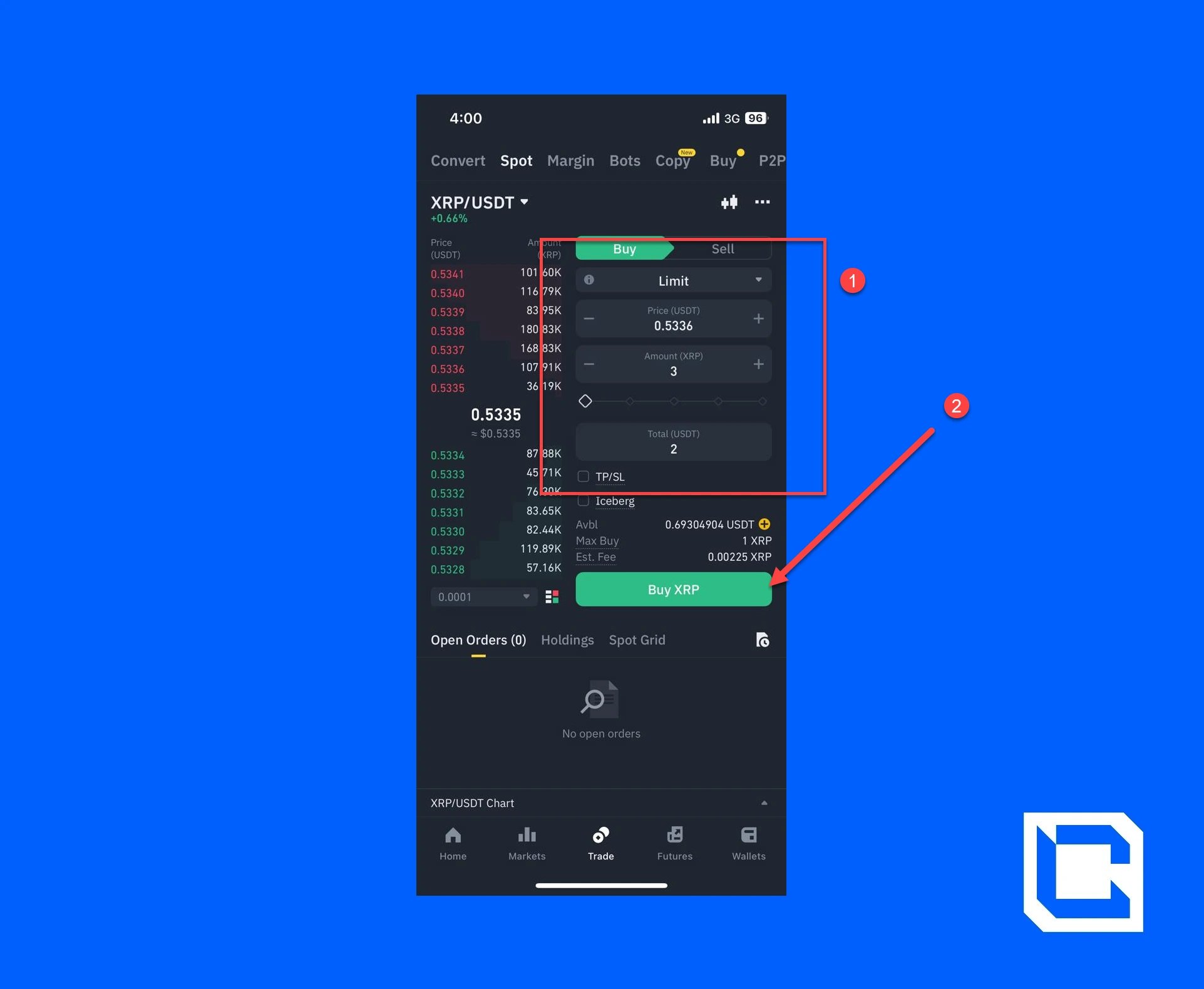
As the financial world moves toward decentralization, many investors are looking beyond traditional centralized entities to acquire XRP. These methods often provide greater autonomy and, in some cases, enhanced privacy.
The XRP Ledger (XRPL) Native DEX
One of the most powerful features of the XRP Ledger is its built-in Decentralized Exchange (DEX). Unlike Ethereum-based DEXs that rely on Automated Market Makers (AMMs), the XRPL DEX uses a traditional limit-order book. Investors can use non-custodial wallets (such as Xaman) to trade other assets or “issued currencies” directly for XRP. This eliminates the “counterparty risk” associated with leaving funds on a centralized exchange.
Peer-to-Peer (P2P) Platforms
Peer-to-peer marketplaces allow individuals to buy XRP directly from other sellers. These platforms act as an escrow service to ensure the safety of the transaction. While P2P can offer a wider variety of payment methods—including bank transfers, digital payment apps, and even gift cards—investors should be cautious of the “premium” often charged over the market spot price and the potential for fraud if the platform’s escrow protocols are not strictly followed.
Crypto ATMs and Over-the-Counter (OTC) Desks
For those looking to move significant amounts of capital (typically $50,000 and above), OTC desks provide a personalized service. This prevents large orders from moving the market price on public exchanges. On the other end of the spectrum, Bitcoin/Crypto ATMs provide a physical location to buy XRP with cash, though these often come with the highest fees in the industry (sometimes exceeding 10%).
4. Critical Security Measures for Post-Purchase Management
In the realm of personal finance, the “buy” is only half the battle; the storage is what ensures the longevity of the investment. In the crypto world, the mantra “Not your keys, not your coins” is a fundamental principle of financial sovereignty.
Hardware Wallets vs. Hot Wallets
Once you have purchased XRP, you must decide where to keep it.
- Hot Wallets: These are software applications (mobile or desktop) connected to the internet. They are convenient for frequent traders but are susceptible to malware or phishing attacks.
- Hardware Wallets (Cold Storage): Devices like Ledger or Trezor are considered the gold standard for long-term investors. These devices keep your “private keys” (your digital signature) offline, making it virtually impossible for a remote hacker to steal your assets. For any significant investment, a hardware wallet is not an option; it is a necessity.
The Importance of Private Key Custody
When you buy XRP on a centralized exchange, the exchange holds the keys on your behalf. If the exchange goes bankrupt or is hacked, your claim to those assets may be compromised. Moving your XRP to a self-custody wallet gives you total control. However, this comes with the responsibility of securing your “recovery seed phrase.” If you lose this phrase, you lose access to your money forever.
5. Integrating XRP into a Broader Financial Portfolio
Investing in XRP should not be an isolated event but part of a cohesive financial strategy. Because digital assets are highly volatile compared to traditional stocks or bonds, they require a disciplined approach to risk management.
Risk Management and Volatility
Volatility is a double-edged sword. While it provides the opportunity for significant gains, it also carries the risk of rapid capital erosion. Financial advisors often suggest a “tiered” entry strategy, such as Dollar-Cost Averaging (DCA). By investing a fixed amount of money at regular intervals, you mitigate the risk of buying at a local “top” and lower your average cost basis over time.
Future Outlook and Regulatory Considerations
The financial landscape for XRP is heavily influenced by the regulatory environment. Recent legal milestones have provided a level of clarity that few other digital assets possess. As central banks explore Central Bank Digital Currencies (CBDCs) and financial institutions seek more efficient ways to move value, the utility of XRP as a “bridge currency” may increase.
Investors should stay informed about global shifts in fintech regulation, as these will directly impact the asset’s adoption and, subsequently, its market value. XRP represents a convergence of traditional finance and blockchain technology—a “financial tool” that offers a glimpse into the future of global value exchange.

Conclusion
Knowing where to buy XRP is the first step in a journey that requires technical diligence, financial literacy, and a robust security mindset. Whether you choose a high-liquidity centralized exchange for its ease of use or a decentralized ledger for its privacy and control, the key to success lies in professional management and a long-term perspective on the evolution of money.
aViewFromTheCave is a participant in the Amazon Services LLC Associates Program, an affiliate advertising program designed to provide a means for sites to earn advertising fees by advertising and linking to Amazon.com. Amazon, the Amazon logo, AmazonSupply, and the AmazonSupply logo are trademarks of Amazon.com, Inc. or its affiliates. As an Amazon Associate we earn affiliate commissions from qualifying purchases.