
The automotive landscape has transformed dramatically, with the internet becoming an indispensable tool for nearly every consumer purchase. For used cars, this shift has been particularly impactful, offering buyers unprecedented access to inventory, transparent pricing, and streamlined processes that can lead to significant financial advantages. Gone are the days when a car search was confined to local dealerships; today, the world is your showroom. This article delves into the burgeoning online marketplace for used vehicles, guiding you through the platforms, strategies, and financial considerations necessary to make a savvy, budget-conscious decision in this digital age. By leveraging the power of the internet, consumers can not only find their ideal car but also secure better deals, mitigate risks, and optimize their personal financial outlay.
The Financial Advantages of Online Used Car Purchases
The allure of buying a used car online isn’t merely about convenience; it’s fundamentally about smart money management. The digital realm offers a distinct set of financial benefits that traditional brick-and-mortar dealerships often struggle to match, empowering consumers to stretch their budgets further and make more informed investment decisions.
Unlocking Greater Value and Savings
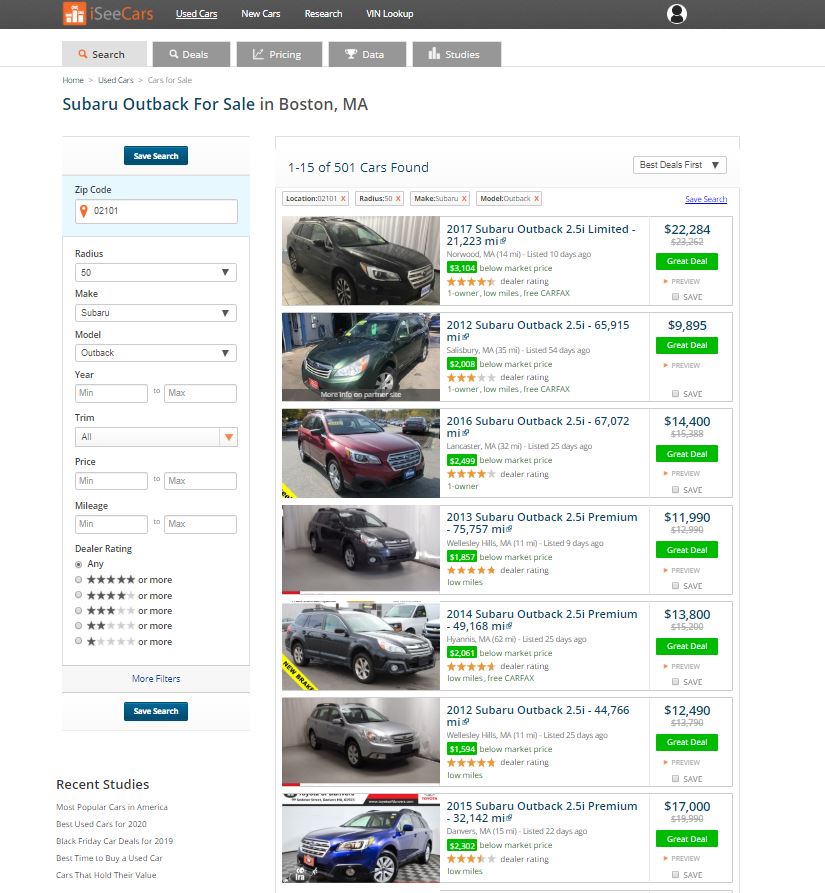
One of the primary financial incentives for buying used cars online is the potential for significant cost savings. Online platforms, particularly those that bypass physical showrooms or operate with lower overheads, can pass these savings directly to the consumer. The sheer volume and variety of vehicles available online also foster a more competitive market. Buyers can easily compare prices for similar models from multiple sellers across different states, identifying undervalued vehicles or negotiating from a position of strength, armed with comprehensive market data. This price transparency alone can lead to hundreds, if not thousands, of dollars in savings compared to buying locally without extensive research. Furthermore, the used car market naturally offers a depreciated asset, meaning you avoid the steep depreciation hit that new cars experience, preserving more of your capital.
Expanding Your Budget-Friendly Options
The internet transcends geographical boundaries, which is a game-changer for budget-conscious buyers. If your local market doesn’t offer a specific make, model, or trim level within your price range, the online world opens up possibilities nationwide. This expanded access is crucial for finding “hidden gems” – vehicles that might be priced lower in a less competitive market or those with desirable features that are rare locally. For instance, a particular model might be abundant and therefore cheaper in one region compared to another. By searching nationally, you dramatically increase your chances of finding a vehicle that precisely matches your financial criteria and desired specifications, preventing you from settling for a less ideal (or more expensive) option out of local necessity. This breadth of choice translates directly into better value for your money and a more satisfying purchase.
Streamlining the Financial Process
Beyond the sticker price, online platforms are revolutionizing the financing aspect of car buying. Many online retailers offer integrated financing tools, allowing buyers to pre-qualify for loans, compare interest rates from various lenders, and even complete credit applications from the comfort of their home. This transparency and ease of access can lead to more favorable loan terms, as buyers aren’t pressured into on-the-spot decisions at a dealership. Moreover, some platforms offer direct-to-consumer sales with fixed, no-haggle pricing, which, while not always the lowest, provides clarity and simplifies budgeting by eliminating negotiation stress and hidden fees often associated with traditional sales processes. The ability to manage the entire financial transaction digitally – from valuation of a trade-in to securing a loan and arranging payment – streamlines the process, saves time, and empowers buyers with greater control over their money.
Top Online Platforms for Used Car Acquisitions
Navigating the digital used car market requires understanding the distinct characteristics and financial implications of different platform types. Each offers a unique blend of convenience, security, and potential for savings, catering to varying buyer preferences and risk tolerances.
Dealership-Backed Online Retailers: Convenience with a Premium
Platforms like CarMax, Carvana, and Vroom represent a new frontier in used car sales. These companies operate primarily online, offering a curated inventory of inspected vehicles, fixed “no-haggle” pricing, and often home delivery.
- Financial Angle: While generally offering a seamless, convenient experience with strong customer service and often robust warranties, vehicles from these retailers may come at a slight premium compared to private sales or traditional dealerships after intense negotiation. The trade-off is often reduced financial risk (due to thorough inspections and return policies) and a transparent buying process that eliminates negotiation stress. They are excellent for buyers prioritizing peace of mind and convenience, willing to pay a little extra for it. Financing through these platforms is also typically straightforward.
Peer-to-Peer Marketplaces: Maximizing Savings, Managing Risk
Platforms such as Craigslist, Facebook Marketplace, and eBay Motors facilitate direct transactions between private sellers and buyers. This segment of the market thrives on direct engagement and the potential for significant cost savings.
- Financial Angle: These platforms typically offer the lowest prices because there’s no dealer markup. Sellers are often motivated to sell quickly, creating opportunities for savvy negotiators to secure excellent deals. However, the financial risk is higher. There are no guarantees, inspections are the buyer’s responsibility, and scams can be prevalent. Buyers must invest time in due diligence – verifying seller credibility, obtaining vehicle history reports, and arranging independent pre-purchase inspections. Payment often involves cash or secure bank transfers, demanding caution. This option is ideal for financially literate buyers comfortable with higher personal involvement and risk in exchange for maximum savings.
Aggregators and Listing Sites: Broadening Your Search
Websites like Autotrader, Cars.com, and Edmunds act as comprehensive listing services, compiling inventories from both private sellers and dealerships nationwide. They don’t sell cars directly but connect buyers with sellers.
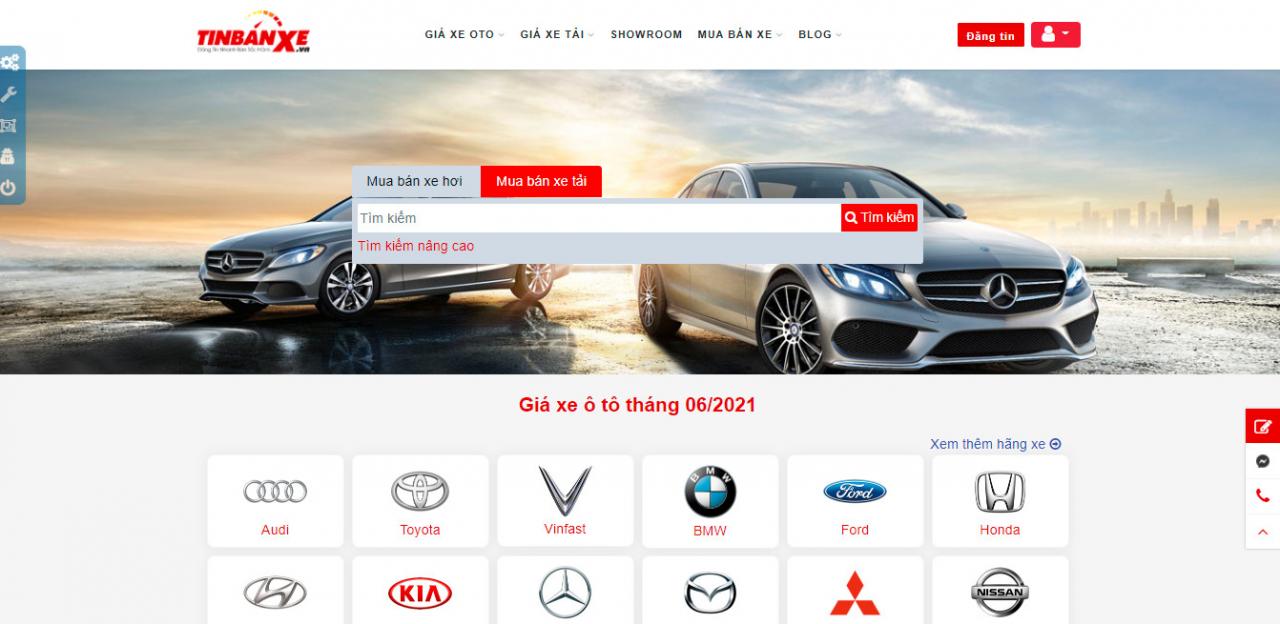
- Financial Angle: These sites are invaluable for market research and price comparison. They allow buyers to quickly gauge the fair market value of specific vehicles, helping them budget effectively and negotiate with confidence. By casting a wide net, you increase the likelihood of finding a vehicle that fits your financial parameters, whether it’s a dealership offering a promotional price or a private seller with a competitive listing. While the transaction itself happens off-site, these platforms empower buyers with information, leading to better financial outcomes.
Essential Financial Due Diligence for Online Buyers
Purchasing a used car, especially online, is a substantial financial commitment. Diligent research and verification are paramount to protect your investment and avoid unforeseen costs. Smart buyers understand that a little upfront effort can prevent significant financial headaches down the road.
Budgeting and Financing: Planning Your Purchase
Before even browsing, establish a clear budget. This isn’t just about the purchase price; it includes sales tax, registration fees, insurance, potential shipping costs, and an emergency fund for immediate maintenance or repairs. Get pre-approved for a loan from your bank or credit union before approaching sellers or online retailers. This not only gives you a clear spending limit but also strengthens your negotiating position, as you’re a cash buyer in essence. Understand the total cost of ownership, including fuel, maintenance, and insurance, to ensure the car remains financially viable for your long-term budget. A well-defined budget is the bedrock of a financially sound car purchase.
Understanding Vehicle History Reports: An Investment in Peace of Mind
A Vehicle History Report (VHR) from services like CarFax or AutoCheck is non-negotiable. While these reports typically cost a small fee (often around $40-$60), it’s a minimal investment that can save you thousands. A VHR provides critical information about a car’s past, including accident history, salvage titles, odometer rollbacks, flood damage, service records, and previous ownership. A clean report significantly reduces the financial risk of inheriting a problematic vehicle. Be wary of sellers who refuse to provide one or offer only incomplete information; this is a major red flag indicating potential hidden financial liabilities.
The Critical Pre-Purchase Inspection (PPI): Mitigating Future Repair Costs
Even with a clean VHR, a Pre-Purchase Inspection (PPI) by an independent, certified mechanic is crucial. This is particularly vital for online purchases where you might not see the car in person until delivery. A PPI involves a thorough examination of the vehicle’s mechanical, safety, and cosmetic condition. The mechanic can identify existing issues, potential future repairs, and estimate their costs, giving you leverage for negotiation or a reason to walk away from a bad deal. The cost of a PPI (typically $100-$200) is a small price to pay to avoid purchasing a vehicle that requires thousands in immediate repairs, effectively transferring hidden costs to the buyer. This step is your ultimate safeguard against costly surprises.
Navigating Warranties and Guarantees
When buying online, understand what, if any, warranties or guarantees are offered. Online dealerships like CarMax often provide limited warranties and return policies, which add a layer of financial protection. Private sales, conversely, are typically “as-is,” meaning you assume all risks upon purchase. If purchasing from an individual, consider aftermarket warranty options, but carefully weigh their cost against their coverage and your personal risk tolerance. Understanding the scope and limitations of any warranty can significantly impact your long-term financial exposure to repair costs.
Smart Negotiation and Transaction Strategies
Even with the convenience of online buying, the financial transaction itself requires strategic thinking to ensure you get the best deal and protect your assets. Effective negotiation and secure payment methods are key components of a financially savvy online car purchase.
Researching Market Value for Optimal Deals
Knowledge is power, especially when negotiating price. Before engaging with any seller, thoroughly research the market value of the specific make, model, year, and trim level you’re interested in. Use resources like Kelley Blue Book (KBB), Edmunds, and NADAguides to get a clear understanding of the fair private party and dealer retail values. Cross-reference these with current listings on various online platforms. This data allows you to identify if a car is overpriced or a potential bargain. When negotiating, whether with a private seller or an online dealer (if applicable), use this research to justify your offers and counter-offers, ensuring you don’t overpay. For “no-haggle” sites, this research confirms if their fixed price is genuinely competitive.
Secure Payment Methods and Escrow Services
The method of payment for an online used car purchase carries significant financial risk. For private sales, never carry large amounts of cash. Instead, opt for a cashier’s check or a wire transfer from your bank, ensuring you have verified the seller’s identity and the vehicle’s title. Be extremely wary of unusual payment requests, such as gift cards or cryptocurrency, which are red flags for scams. For long-distance private purchases, consider using a reputable escrow service. While adding a small fee, an escrow service holds the funds until both buyer and seller fulfill their agreed-upon obligations (e.g., buyer receives the car, seller receives payment), providing a crucial layer of financial security against fraud. Online dealerships typically have secure integrated payment systems, but always verify their legitimacy.
Understanding Taxes, Fees, and Registration
The sticker price is rarely the final price. Factor in sales tax, registration fees, title transfer fees, and potentially documentation fees (for dealerships) or shipping costs (for long-distance purchases). These can add hundreds or even thousands of dollars to the total financial outlay. Research the specific tax and registration laws for your state and locality, as they can vary significantly. When buying from an out-of-state seller or online dealer, understand who is responsible for collecting sales tax and how registration will be handled. Some online retailers manage this process, while private sales will require you to handle it yourself, potentially incurring temporary plate fees or additional trips to the DMV. Budget for these additional costs upfront to avoid unexpected hits to your finances.

Conclusion
Buying a used car online presents a unique opportunity for consumers to make financially intelligent decisions. From unlocking greater value and expanding options to streamlining the financing process, the digital marketplace offers distinct advantages over traditional methods. However, harnessing these benefits requires diligent due diligence. By leveraging vehicle history reports, insisting on pre-purchase inspections, understanding various platform offerings, and adopting smart negotiation and secure transaction strategies, buyers can confidently navigate the complexities of online car purchasing. The internet empowers you to be a more informed, financially secure buyer, ensuring your next used car is not just a vehicle, but a wise investment that aligns perfectly with your budget and financial goals. Embrace the digital shift, but do so with prudence and preparation, and you’ll drive away with both savings and satisfaction.
aViewFromTheCave is a participant in the Amazon Services LLC Associates Program, an affiliate advertising program designed to provide a means for sites to earn advertising fees by advertising and linking to Amazon.com. Amazon, the Amazon logo, AmazonSupply, and the AmazonSupply logo are trademarks of Amazon.com, Inc. or its affiliates. As an Amazon Associate we earn affiliate commissions from qualifying purchases.