
Navigating the complexities of the tax code is one of the most significant financial challenges the average individual or small business owner faces each year. As tax season approaches, the quest for the most efficient, accurate, and cost-effective filing method becomes a priority. For millions, the solution is TurboTax, the industry leader in tax preparation software. However, knowing “where to buy TurboTax” is only the first step; understanding which version aligns with your financial portfolio and where to find the best value is essential for sound personal finance management.
In this guide, we will analyze the various procurement channels for TurboTax, evaluate the cost-to-benefit ratio of its different versions, and explore how to strategically integrate this tool into your broader financial planning.
1. Understanding Your Financial Profile Before You Purchase
Before heading to a digital or physical storefront, you must conduct a brief audit of your financial year. TurboTax is not a “one size fits all” product; its value proposition changes based on the complexity of your income streams and your goals for tax optimization.
Assessing Income Complexity
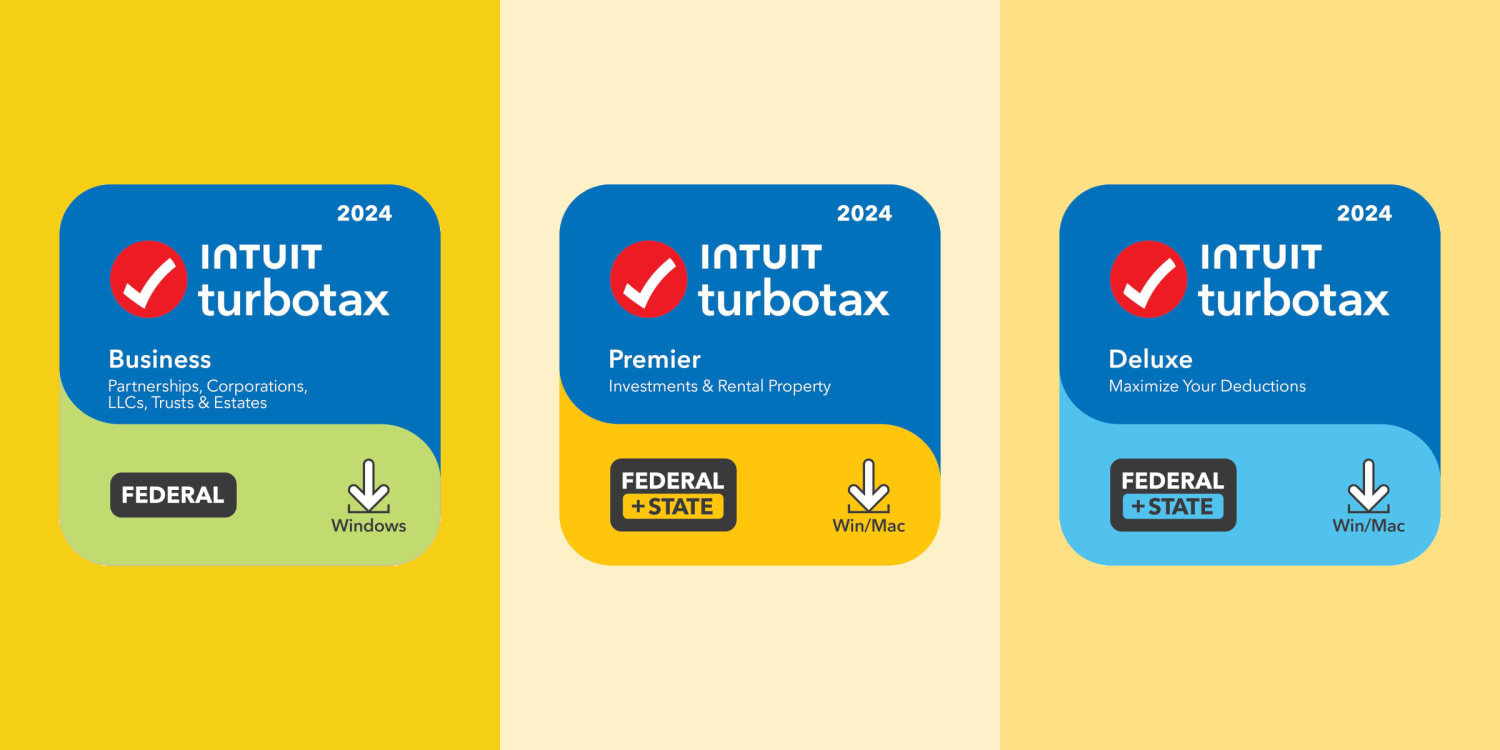
If your financial life consists solely of a standard W-2 from a single employer and you do not own a home or have significant investments, your needs are minimal. In many cases, you may qualify for “Free Edition” versions, which are often available directly through the manufacturer or the IRS Free File program. However, as soon as you introduce variables like student loan interest, mortgage interest, or childcare expenses, the financial logic shifts toward the “Deluxe” or “Premier” versions.
Factoring in Investment Portfolios
For those involved in active investing—whether through traditional stocks, bonds, or the more volatile world of cryptocurrency—the “Premier” version becomes a necessary financial investment. Buying the software at the right level ensures that you are not only reporting income correctly to avoid penalties but also utilizing “tax-loss harvesting” strategies that can offset gains and lower your overall taxable income.
Self-Employment and Business Finance
Small business owners and freelancers face the most significant tax hurdles. If you have 1099-NEC income, you are essentially a business entity in the eyes of the government. The “Self-Employed” or “Home & Business” versions are designed to track business expenses, depreciation, and home office deductions. From a money-management perspective, the cost of the software is usually a deductible business expense, effectively reducing its net price.
2. Strategic Sourcing: Where to Buy TurboTax for the Best Value
The price of TurboTax fluctuates significantly depending on the retailer and the time of year. To optimize your personal budget, you should compare the primary procurement channels.
Direct from Intuit
Purchasing directly from the source (Intuit) offers the most seamless experience regarding updates and cloud synchronization. However, it is rarely the cheapest option. Intuit often charges the full MSRP, though they do provide a “Max” bundle that includes audit defense and identity restoration services—valuable financial insurance for those with high-risk returns.
Big-Box Retailers and Warehouse Clubs
For the budget-conscious consumer, warehouse clubs like Costco and Sam’s Club often provide the best “bang for your buck.” These retailers frequently sell “exclusive” versions that may include a free state filing (which usually costs extra) or a $10–$15 discount compared to other retailers. Similarly, Amazon and Best Buy often run “Deal of the Day” promotions in early January and mid-February. If you are looking to minimize your administrative costs, monitoring these retailers during the “Early Bird” window is a savvy financial move.
Financial Institutions and Credit Unions
Many banks (such as Chase or Capital One) and investment firms (like Fidelity or Vanguard) offer their clients discounted or even free versions of TurboTax. This is part of their broader wealth management service. Before paying full price, log in to your brokerage account or banking app to see if there is a partnership link. Saving $40 to $80 on software is a small but meaningful win for your annual savings rate.
3. Evaluating the ROI: Which Version Fits Your Budget?
In personal finance, every expenditure should be viewed through the lens of Return on Investment (ROI). Paying more for a higher tier of software is only logical if it uncovers deductions or credits that exceed the price difference.

The Value of TurboTax Deluxe
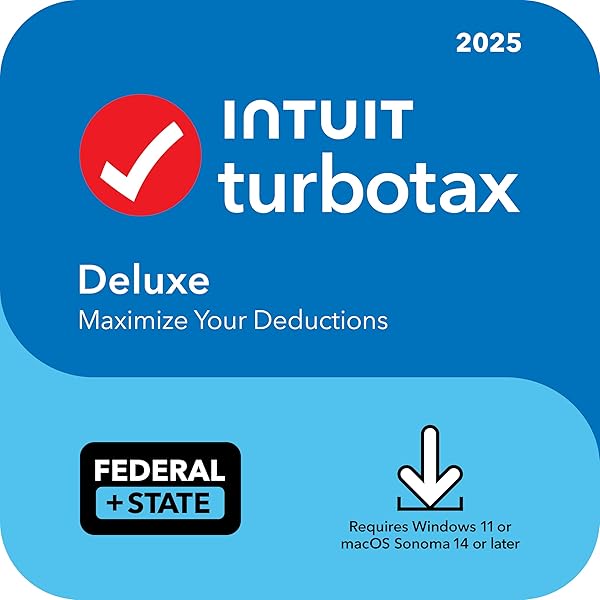
Deluxe is marketed as the best value for homeowners and those with significant itemized deductions. From a financial standpoint, the ROI here is found in the “ItsDeductible” feature, which helps accurately value charitable donations. For a family that donates clothes, furniture, or money throughout the year, the tax savings generated by these deductions often far outweigh the $50–$70 price tag of the software.
The Investment Protection of TurboTax Premier
The Premier version is specifically tuned for investors. It can import thousands of transactions directly from brokerages. In a year where the market is volatile, the ability to accurately calculate your cost basis and capital gains is vital. The “money” focus here isn’t just about filing; it’s about ensuring you aren’t overpaying on capital gains taxes due to accounting errors.
Business Optimization with TurboTax Self-Employed
This version is the most expensive but offers the highest potential for tax savings for 1099 workers. It focuses on identifying “hidden” industry-specific deductions. For a freelance consultant or a rideshare driver, finding an extra $500 in deductible mileage or home office square footage provides a massive ROI on a software purchase that costs less than $150.
4. Security and Financial Compliance in the Digital Age
When you buy tax software, you are not just buying a calculator; you are buying a digital vault for your most sensitive financial data. From a risk management perspective, where and how you buy and use this software matters immensely.
Protecting Your Financial Identity
TurboTax employs multi-factor authentication and high-level encryption. When purchasing, ensure you are buying from a legitimate, authorized retailer to avoid “spoofed” software or malware-laden versions often found on secondary marketplaces or “discount” key sites. Protecting your Social Security number and bank account details is the most critical part of your digital financial health.
Audit Support as Financial Insurance
One of the secondary “products” you buy within TurboTax is peace of mind. The software includes an “Audit Support Guarantee.” In the world of finance, an IRS audit can be a costly, time-consuming nightmare. Having a software-backed record of how every number was calculated provides a layer of protection for your assets. For those with complex filings, paying for the “Full Service” or “Live” versions—where a CPA reviews your return—serves as a form of professional indemnity.
5. Strategic Timing: The Financial Calendar of Tax Prep
In the world of money, timing is everything. Just as you shouldn’t time the stock market, you shouldn’t wait until April 14th to buy your tax software.
The Early Bird Discount
Most major retailers offer the steepest discounts on TurboTax between late December and late January. Purchasing during this window can save you up to 30% off the MSRP. From a cash-flow perspective, buying early also allows you to start importing your data as your forms (W-2s, 1099s) arrive, giving you a clearer picture of your financial standing sooner.
The Cost of Procrastination
As April 15th approaches, discounts tend to vanish. Furthermore, the “TurboTax Live” services—where you speak to a tax professional—often see price increases as demand peaks. By purchasing and filing early, you also protect yourself against tax identity theft (where someone files a fraudulent return in your name to claim your refund). Getting your refund back in February rather than May also allows you to put that money into a high-yield savings account or an IRA earlier, benefiting from the power of compound interest.
Integration with Financial Ecosystems
When you buy TurboTax, you should view it as part of your total financial ecosystem. It integrates with QuickBooks for business owners and can often export data to personal finance trackers. This connectivity allows for a “holistic” view of your money. By looking at your tax liability in real-time or through the lens of last year’s data, you can make better decisions about 401(k) contributions or charitable giving for the following year.
Conclusion
Determining “where to buy TurboTax” is a decision that sits at the intersection of convenience and financial strategy. Whether you choose the cost-savings of a warehouse club, the reliability of a direct purchase from Intuit, or the hidden discounts provided by your bank, the goal remains the same: to minimize your tax liability and maximize your financial clarity.
By selecting the version that matches your specific financial complexity—be it investments, small business income, or standard deductions—you turn a mandatory chore into a strategic financial win. Remember, the best financial tools are those that provide more value than they cost, and when used correctly, TurboTax is an investment in your financial future, ensuring that you keep more of your hard-earned money where it belongs: in your pocket.
aViewFromTheCave is a participant in the Amazon Services LLC Associates Program, an affiliate advertising program designed to provide a means for sites to earn advertising fees by advertising and linking to Amazon.com. Amazon, the Amazon logo, AmazonSupply, and the AmazonSupply logo are trademarks of Amazon.com, Inc. or its affiliates. As an Amazon Associate we earn affiliate commissions from qualifying purchases.