
Investing in precious metals like silver and gold has been a time-honored strategy for wealth preservation and growth, spanning civilizations and economic cycles. In an increasingly volatile financial landscape, these tangible assets offer a beacon of stability, acting as a hedge against inflation, currency devaluation, and geopolitical uncertainties. For many, the allure of holding physical wealth—something you can touch and feel—is a powerful draw. However, the modern investor has a spectrum of options beyond merely buying a gold coin from a local dealer. From online bullion marketplaces to sophisticated financial instruments, understanding the diverse avenues for acquisition is crucial for making informed and strategic investment decisions.

This guide aims to demystify the process, providing a thorough exploration of where and how to safely and effectively purchase silver and gold. We’ll delve into the reasons behind investing in these metals, dissect the various forms they take, and meticulously examine the most reputable platforms and methods available today, ensuring you’re equipped with the knowledge to navigate this specialized market with confidence.
Why Invest in Precious Metals? Understanding the Fundamentals
Before embarking on the journey of acquiring silver and gold, it’s essential to grasp the core reasons that drive investors towards these precious commodities. Their intrinsic value and unique market characteristics position them differently from traditional assets like stocks or bonds, offering distinct advantages within a diversified portfolio.
Hedging Against Inflation and Economic Uncertainty
One of the most compelling reasons to invest in gold and silver is their proven ability to act as a hedge against inflation. When the purchasing power of fiat currencies declines, the value of precious metals tends to rise, preserving wealth. During periods of economic downturns, recessions, or geopolitical instability, investors often flock to gold and silver as “safe-haven” assets. Their universal acceptance and lack of reliance on any single government or financial institution make them a reliable store of value when confidence in conventional markets wavers. This counter-cyclical behavior can provide a crucial buffer against portfolio erosion during turbulent times.
Diversification of Investment Portfolio
Diversification is a cornerstone of sound investment strategy, and precious metals play a vital role in achieving it. Gold and silver often exhibit a low or negative correlation with other asset classes such as stocks, bonds, and real estate. This means that when one asset class performs poorly, precious metals may hold their value or even appreciate, thereby reducing overall portfolio risk. Including a modest allocation to these metals can smooth out portfolio volatility and enhance long-term returns, acting as a ballast against market fluctuations. It’s not about making precious metals the entirety of one’s portfolio, but rather a strategic component to enhance resilience.
Tangible Asset with Intrinsic Value
Unlike paper assets, gold and silver are tangible commodities. They have been recognized as a medium of exchange and a store of value for millennia. Their intrinsic value is derived from their rarity, durability, and practical applications in industries like electronics, dentistry, and jewelry. This physical nature provides a sense of security that digital assets or abstract financial instruments cannot replicate. In extreme scenarios, such as widespread financial system failures or natural disasters, physical gold and silver could potentially retain their utility as a direct medium of exchange, reinforcing their status as ultimate stores of wealth.
Navigating the Market: Physical vs. Digital Precious Metal Investments
The modern investor has a choice between owning the physical metal itself or investing in instruments that derive their value from precious metals. Each approach comes with its own set of advantages, disadvantages, and logistical considerations, catering to different investor profiles and objectives.
Buying Physical Gold and Silver: Coins, Bars, and Jewelry
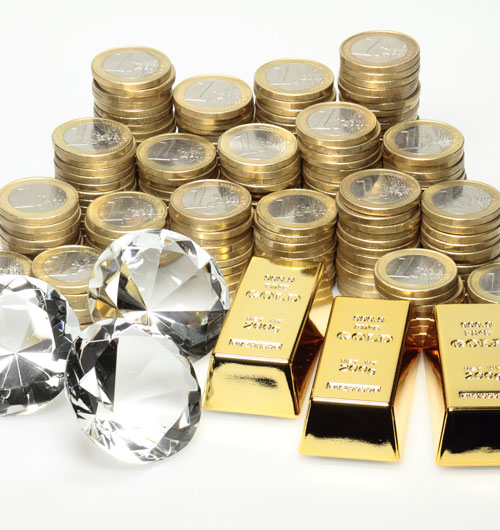
Physical bullion refers to actual gold or silver in the form of coins, bars (ingots), or rounds. This is the most direct way to own precious metals.
- Coins: Typically minted by government sovereign mints (e.g., American Gold Eagle, Canadian Maple Leaf, South African Krugerrand), they carry a face value but are primarily valued for their metal content. They are generally smaller, highly liquid, and widely recognized.
- Bars/Ingots: Ranging from small (1 gram) to large (400 ounces for gold, 1000 ounces for silver), bars are often a cost-effective way to acquire larger quantities of metal due to lower premiums over spot price.
- Rounds: Similar to coins but without a legal tender face value, usually produced by private mints.
- Jewelry: While beautiful, buying gold or silver jewelry as an investment is generally not recommended due to high markups for craftsmanship and design, meaning you pay significantly more than the melt value of the metal. The investment aspect of jewelry is limited unless it’s an antique or highly collectible piece.
The primary benefit of physical ownership is direct control and protection from counterparty risk. However, it requires secure storage, insurance, and comes with higher transaction costs (premiums, shipping, potential sales tax).
Investing in Paper Gold and Silver: ETFs, Mining Stocks, and Futures
Paper precious metals offer exposure to the price movements of gold and silver without the need to physically possess the metal.
- Exchange-Traded Funds (ETFs): These funds hold physical gold or silver on behalf of investors (e.g., SPDR Gold Shares GLD, iShares Silver Trust SLV). They trade like stocks on major exchanges, offering high liquidity and easy access. However, investors own shares in a trust, not the physical metal directly, introducing counterparty risk and management fees.
- Mining Stocks: Investing in shares of companies that mine gold and silver can provide leverage to metal prices. When metal prices rise, mining company profits can increase disproportionately. However, these investments come with operational risks specific to the mining industry (e.g., labor disputes, environmental regulations, exploration failures) and are not a pure play on the metal’s price.
- Futures Contracts: These are agreements to buy or sell a specific quantity of gold or silver at a predetermined price on a future date. Futures are highly leveraged instruments primarily used by sophisticated investors or institutions for speculation or hedging. They involve significant risk and are not suitable for most retail investors looking for long-term precious metal exposure.
- Certificates: Some banks or financial institutions offer certificates representing ownership of a certain amount of gold or silver held in their vaults. This eliminates storage concerns but introduces bank-specific counterparty risk.
Paper investments offer convenience, liquidity, and often lower transaction costs. However, they introduce varying degrees of counterparty risk, meaning your investment relies on the solvency and integrity of the issuing institution.
Reputable Avenues for Physical Precious Metals Acquisition
For those choosing to invest in physical gold and silver, selecting a trustworthy vendor is paramount. The market is populated by various types of dealers, each with their own pros and cons regarding pricing, selection, and customer service.
Online Precious Metal Dealers
Online dealers have revolutionized the bullion market, offering unparalleled convenience, competitive pricing, and vast selections. They typically operate with lower overheads than brick-and-mortar stores, passing those savings onto customers in the form of tighter spreads (the difference between buying and selling prices).
- Pros: Wide selection of products, competitive pricing, convenience of 24/7 ordering, discreet shipping, professional customer service.
- Cons: Shipping times, potential shipping costs, reliance on secure delivery, need for due diligence on dealer reputation.
- Key Players: Reputable names include JM Bullion, SD Bullion, APMEX, Provident Metals, and Golden State Mint. Always check reviews, accreditation (e.g., from the Better Business Bureau), and their return/buyback policies.
Local Coin Shops and Bullion Dealers
Traditional brick-and-mortar coin shops and dedicated bullion dealers offer a more personal buying experience. They can be an excellent option for immediate acquisition or for those who prefer face-to-face transactions.
- Pros: Instant gratification (take possession immediately), personal service, ability to inspect products before purchase, potential for negotiation, privacy (for cash transactions within legal limits).
- Cons: Higher premiums compared to online dealers, limited inventory, variable pricing, hours of operation.
- Verification: Ensure the dealer is well-established, has a good local reputation, and is transparent about their pricing and authentication methods. Bringing a magnifying glass or specific gravity kit can help with on-the-spot verification if you’re knowledgeable.
Auction Houses and Private Sales
For rare coins, historical pieces, or large quantities, auction houses (e.g., Heritage Auctions, Stack’s Bowers Galleries) can be a source. Private sales, typically between individuals, can offer good deals but carry the highest risk of fraud or counterfeits.
- Considerations: Auction houses provide authentication services but charge buyer’s premiums. Private sales require extreme caution, expert verification of authenticity, and secure transaction methods. Generally not recommended for novice investors.
Direct from Mints
Some government mints (e.g., U.S. Mint) sell directly to the public, primarily collector coins.
- Limited Options: Selection is typically limited to their own products.
- High Premiums: Often carry higher premiums over spot price due to their collector value and pristine condition. This channel is usually more suited for numismatists rather than pure bullion investors.
Key Considerations Before You Buy
Acquiring precious metals involves more than just picking a product and a vendor. Several critical factors must be addressed to ensure your investment is secure, cost-effective, and aligned with your financial goals.
Premiums and Spreads: Understanding the Cost
The “spot price” of gold or silver is the current market price for an ounce of the raw commodity. However, when you buy physical metal, you’ll always pay a “premium” above the spot price. This premium covers the costs of fabrication, distribution, dealer overhead, and profit margins.
- Premiums: Generally, smaller denominations (e.g., 1 oz coins) and highly sought-after collectible items will have higher premiums than larger bars. Silver typically carries higher premiums than gold, percentage-wise, due to its lower per-ounce value and similar fabrication costs.
- Spreads: The “spread” is the difference between a dealer’s buy price (what they’ll pay you for your metal) and their sell price (what you’ll pay them). A tighter spread indicates a more competitive price. Always factor premiums and spreads into your total cost of ownership.
Storage Solutions: Securing Your Investment
Once you acquire physical precious metals, securing them is paramount.
- Home Storage: For small quantities, a quality home safe can suffice. Ensure it’s fireproof, bolted down, and discreetly located. Be aware that most home insurance policies have limits on coverage for precious metals, so check your policy or consider a rider.
- Bank Safe Deposit Boxes: A traditional option, offering security and discretion away from your home. However, access is limited to bank hours, and their insurance policies often don’t cover contents directly.
- Third-Party Vaults/Depositories: Specialized facilities offering high-security storage, often insured, and sometimes offering segregated storage (your specific bars/coins are kept separate). This is often the preferred option for larger investments. Examples include Brinks, Delaware Depository, and certain IRA custodians.
Authenticity and Verification
The market, unfortunately, has its share of counterfeits. When buying physical metals, especially from less reputable sources, verifying authenticity is critical.
- Reputable Dealers: Stick to well-established dealers with strong reputations.
- Visual Inspection: Familiarize yourself with genuine products (size, weight, markings).
- Testing Methods: Sophisticated investors might use specific gravity tests, magnetic slide tests, or even ultrasonic testing. Always exercise caution and, when in doubt, get a second opinion from a trusted expert.
Liquidity and Selling Your Assets
Consider how easily you can convert your precious metals back into cash when needed.
- Common Bullion: Widely recognized coins and bars (e.g., American Eagles, Canadian Maple Leafs, 1 oz PAMP bars) are generally highly liquid and easily sold back to most dealers.
- Less Common/Collectible Items: May take longer to sell and might require finding a niche buyer, potentially impacting liquidity.
- Dealer Buyback Programs: Many online and local dealers offer buyback programs, providing a convenient way to sell your holdings, often at a slight discount to the current spot price.
Tax Implications of Precious Metal Investments
The tax treatment of precious metals can vary significantly based on your jurisdiction and how you hold them.
- Capital Gains Tax: Profits from the sale of precious metals are generally subject to capital gains tax. In some countries, physical bullion held for investment might be considered a “collectible” and taxed at a higher rate than long-term stock gains.
- Sales Tax: Some states or countries levy sales tax on physical precious metal purchases, while others have exemptions, particularly for larger purchases.
- Reporting Requirements: Large cash transactions or significant sales may trigger reporting requirements for dealers to tax authorities.
- Precious Metals IRAs: In the U.S., it’s possible to hold certain types of physical gold, silver, platinum, and palladium bullion within a self-directed Individual Retirement Account (IRA), offering tax-advantaged growth. However, specific IRS rules apply regarding approved metals and storage.
Consult with a qualified financial advisor or tax professional to understand the specific tax implications relevant to your situation before making significant investments in precious metals. This proactive step ensures you’re making fully informed decisions that align with your broader financial planning.
In conclusion, investing in silver and gold offers a compelling avenue for diversifying wealth and hedging against economic instability. Whether you opt for the tangible security of physical bullion or the convenience of paper assets, a thorough understanding of the market, reputable sources, and the associated considerations is paramount. By approaching this investment with diligence and an informed strategy, you can confidently integrate precious metals into your portfolio, contributing to long-term financial resilience.
aViewFromTheCave is a participant in the Amazon Services LLC Associates Program, an affiliate advertising program designed to provide a means for sites to earn advertising fees by advertising and linking to Amazon.com. Amazon, the Amazon logo, AmazonSupply, and the AmazonSupply logo are trademarks of Amazon.com, Inc. or its affiliates. As an Amazon Associate we earn affiliate commissions from qualifying purchases.