
Halloween, a perennial favourite for many, is a time of imaginative transformation and festive revelry. Yet, beneath the veneer of spooky delights and creative expression lies a significant financial decision for millions of households: where and how to acquire the perfect costume without overspending. For the financially astute, “where to buy” transcends a mere geographical or digital location; it’s a strategic inquiry into value, cost-effectiveness, and investment. This guide delves into the economic landscape of Halloween outfit acquisition, offering insights for consumers to navigate the market wisely, ensuring both a spectacular look and a healthy wallet.
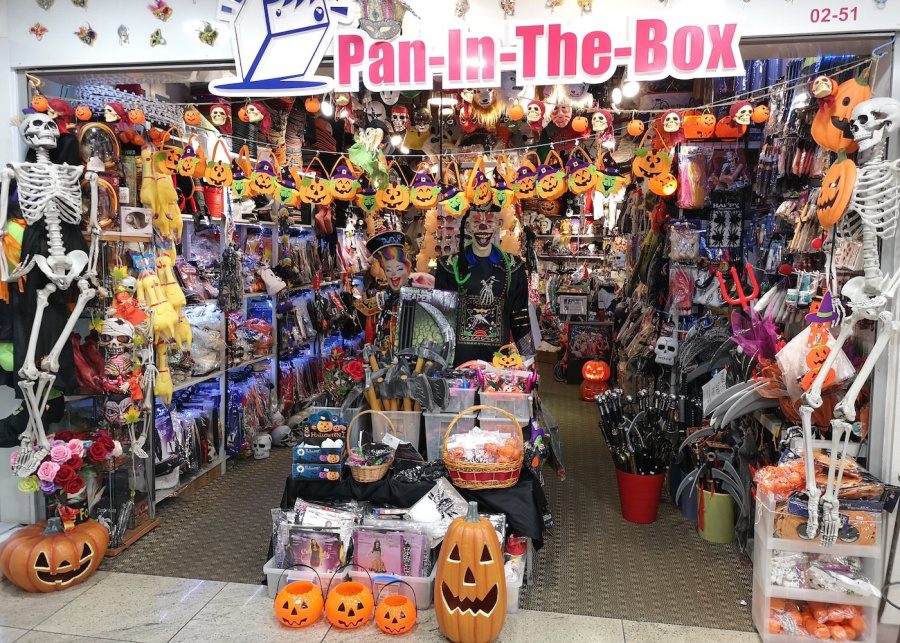
Navigating the Halloween Costume Market: A Financial Overview
The annual demand for Halloween costumes creates a vibrant, albeit complex, retail ecosystem. Understanding the financial dynamics of this market is the first step towards making economically sound decisions. It’s not just about finding an outfit; it’s about understanding its true cost, its potential value, and how your purchasing choices impact your personal finances.
Understanding Seasonal Pricing Dynamics
Like many seasonal goods, Halloween costumes are subject to pronounced pricing fluctuations. Early birds often find a broader selection, but not necessarily the best prices. Retailers typically introduce new lines at full price in late August or early September. As October progresses, an initial surge in demand may keep prices firm. However, as the 31st approaches, especially in the final week, aggressive discounting often begins. Stores aim to clear inventory, presenting a window of opportunity for bargain hunters willing to risk a narrower selection. Conversely, specialty or highly sought-after costumes might command premium prices throughout the season due to limited supply and high demand. Savvy shoppers track prices, utilising tools and alerts to identify the optimal buying window, balancing the desire for a specific item against potential savings. This requires a nuanced understanding of market trends and a disciplined approach to spending, avoiding impulse buys when prices are at their peak.
The Cost Spectrum: From Budget to Boutique
The sheer variety of Halloween outfits available means there’s a costume for virtually every budget, ranging from a few dollars to several hundreds. At the lower end, mass-produced polyester costumes from big-box retailers offer affordability and convenience. While these might satisfy a child’s momentary whim, their low quality often translates to a single-use item with little to no resale value. Moving up the spectrum, mid-range costumes from dedicated party stores or online retailers often feature better materials and more intricate designs, commanding a higher price point but potentially offering greater durability.
At the pinnacle are boutique costumes, custom-made pieces, or high-end replicas. These involve significant financial outlay, often justified by superior craftsmanship, unique designs, or the use of premium materials. For some, these represent an investment in an annual tradition or a specific themed event, where the cost-per-wear can be rationalised over multiple uses or through subsequent resale. The financial decision here hinges on perceived value, the importance of exclusivity, and the buyer’s discretionary income. A critical financial evaluation involves assessing whether the emotional or experiential value aligns with the monetary expenditure.
Value Beyond the Price Tag: Durability and Reusability
A common financial trap in Halloween shopping is focusing solely on the initial purchase price. True value, particularly from a money perspective, extends to the durability and reusability of an outfit. A costume purchased for $20 that falls apart after one wear represents a higher “true cost” than a $60 costume that can be worn for several Halloweens, loaned out, or even resold. Investing in a higher-quality outfit that can withstand multiple uses, be adapted for future themes, or repurposed into other garments can significantly reduce the overall cost-per-wear.
Consider materials, stitching, and the robustness of accessories. A well-made costume can become a staple in a dress-up box, providing entertainment value beyond the single night of Halloween. From a financial planning standpoint, this approach transforms a fleeting expense into a longer-term asset, maximising utility and mitigating future spending. This also aligns with principles of sustainable consumption, reducing waste and encouraging a more thoughtful allocation of resources.
Strategic Sourcing for Cost-Effective Costumes
Identifying the financial landscape is merely the preamble; the real financial strategy lies in intelligent sourcing. Where you choose to acquire your Halloween outfit can dramatically impact your expenditure and the overall value you receive. From leveraging digital platforms to embracing the circular economy, numerous avenues exist for the financially prudent consumer.
Leveraging Online Marketplaces for Deals
The digital realm offers an unparalleled arena for price comparison and deal-hunting. E-commerce giants like Amazon, eBay, and Etsy host an immense variety of Halloween costumes, from mass-produced items to unique, handmade creations.
-
Amazon and Large Retailers: These platforms are excellent for comparing prices across multiple vendors, often offering competitive shipping rates and expedited delivery. However, buyers must remain vigilant about price gouging closer to Halloween and factor in potential return shipping costs if the item doesn’t meet expectations. Utilising price tracking extensions and setting budget alerts can be invaluable.
-
eBay and Second-Hand Platforms: eBay, Vinted, and similar sites are treasure troves for pre-owned costumes. This approach offers significant savings, often allowing access to higher-quality items at a fraction of their original cost. The financial considerations here include scrutinising seller ratings, understanding shipping costs, and verifying item condition through detailed descriptions and photos. It’s an exercise in risk assessment and finding value in the secondary market.
-
Etsy: For unique, handmade, or custom-designed costumes, Etsy connects buyers directly with artisans. While prices may be higher than mass-produced options, the value proposition lies in exclusivity, quality, and supporting independent creators. From a financial perspective, consider the potential for customisation to extend an outfit’s life or make it more versatile, justifying a higher initial spend. Always factor in lead times and shipping costs, especially for bespoke items.
Thrifting and Second-Hand Stores: The Ultimate Budget Hack
For the financially savvy and environmentally conscious, thrift stores, consignment shops, and charity retail outlets are often the most potent weapon in the battle against Halloween overspending. These physical locations offer an ever-changing inventory of pre-loved garments and accessories that can be repurposed, combined, or entirely transformed into unique costumes.
-
Cost Savings: The primary appeal is cost. Garments can often be purchased for a few dollars, making a complete outfit achievable for a minimal budget. This strategy liberates funds that might otherwise be spent on a single-use, low-quality costume.
-
Creative Potential: Thrifting encourages creativity, transforming the costume-making process into an enjoyable challenge rather than a simple purchase. This DIY approach not only saves money on the core outfit but also on accessories, as discarded items can be reimagined.
-
Ethical Spending: From a financial and ethical standpoint, thrifting promotes a circular economy, reducing waste and extending the life cycle of clothing. This aligns with broader personal finance goals of responsible consumption and resource management.
DIY vs. Pre-Made: A Cost-Benefit Analysis
The age-old debate between creating a costume from scratch (DIY) and purchasing a ready-made one is fundamentally a financial calculation involving both monetary cost and the value of time.
-
DIY Costs: While seemingly cheaper, DIY can incur significant material costs (fabric, embellishments, craft supplies). Factor in the expense of tools, paints, and other consumables. More importantly, time is a valuable resource. If your hourly wage or opportunity cost of time is high, spending countless hours on a costume might not be the most financially efficient choice, even if material costs are low. However, for those who enjoy the creative process, the “return” on this time investment might be non-monetary, offering personal satisfaction.
-
Pre-Made Costs: Convenience is the hallmark of pre-made costumes. The price includes the design, materials, and labour. The financial assessment here involves weighing this convenience against the quality and uniqueness of the item. Impulse purchases of expensive, low-quality pre-made costumes can be a significant financial drain.
A balanced approach often yields the best financial results: buy key components pre-made and then DIY the accessories or add personal touches. This blends convenience with customisation and cost control.
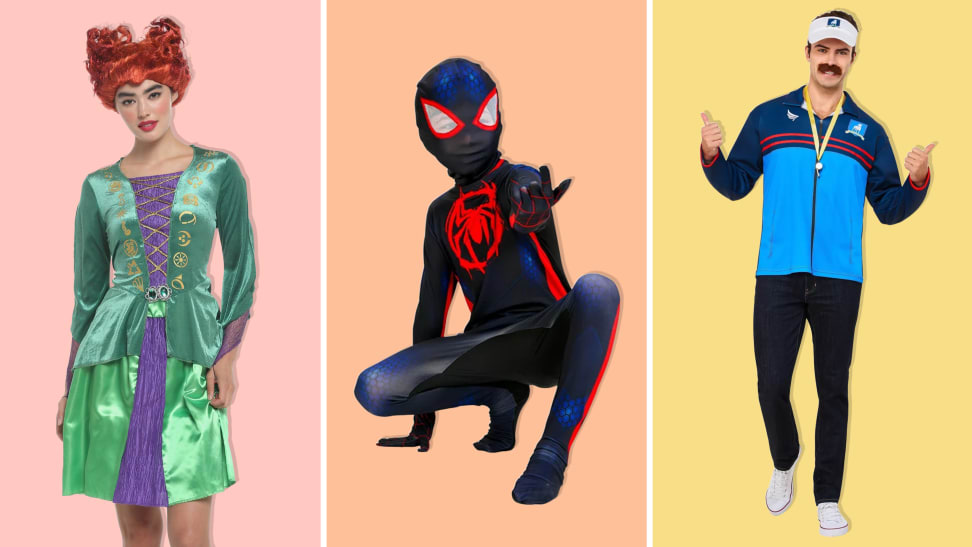
Rental Services: A Smart Option for High-End Ensembles
For those seeking an elaborate, high-quality, or historically accurate costume without the prohibitive upfront cost, rental services present a financially astute alternative. These are particularly popular for adults attending themed parties or professional events where appearance is paramount.
-
Cost-Effectiveness for One-Off Events: Renting a costume often costs a fraction of its purchase price, making a premium outfit accessible for a single event. This avoids the depreciation of a bought item and the hassle of storage.
-
Deposit and Late Fees: Financially, renters must be aware of security deposits, which are standard practice, and potential late return fees. Understand the rental agreement thoroughly to avoid unexpected charges.
-
Variety and Quality: Rental shops typically offer a vast array of high-quality, well-maintained costumes that would be prohibitively expensive to buy outright. This provides access to superior materials and craftsmanship without a long-term financial commitment.
Maximizing Your Halloween Outfit Investment
A truly savvy financial approach extends beyond the purchase itself, considering the long-term utility and potential for future value extraction from your Halloween outfit. Treating a costume not merely as a single-use item but as a potential asset can unlock further financial benefits and mitigate initial expenditures.
Beyond a Single Wear: Repurposing and Storage Strategies
The most straightforward way to maximise a costume’s investment is to extend its usable life.
-
Repurposing: Can elements of the costume be integrated into everyday wear? Can it be adapted for other themed events, cosplay, or even a child’s dress-up box? A well-chosen base item (e.g., a specific jacket, skirt, or pair of boots) can serve multiple roles, reducing the need for future purchases. This requires foresight during the initial buying process, opting for versatile pieces over highly specific, single-purpose items.
-
Strategic Storage: Proper storage preserves the costume’s condition, preventing damage, fading, or creasing. This protects your investment, ensuring it remains viable for future use or resale. Financial implications include not having to replace damaged items and maintaining their resale value.
The Resale Market: Turning Costumes into Cash
For higher-quality or more elaborate costumes, the resale market offers an opportunity to recoup a portion of your initial investment.
-
Timing is Key: The best time to sell a used Halloween costume is typically in late September or early October of the following year, when demand surges again. Listing items too early or too late can lead to lower prices or no sale.
-
Presentation Matters: High-quality photos, detailed descriptions of the item’s condition, and transparent pricing are crucial for attracting buyers. Treat the listing process as a mini-business venture, aiming for maximum return on your original purchase.
-
Platform Selection: Choose appropriate platforms like eBay, Facebook Marketplace, or local consignment shops. Each has different fee structures and audience reach, impacting your net profit. Understanding these nuances is vital for optimising your financial return.
Group Buys and Costume Swaps: Collective Savings
Community-based approaches can offer significant financial advantages.
-
Group Buys: For families or groups of friends attending the same event, coordinating a group purchase can unlock bulk discounts from retailers or reduce per-person shipping costs for online orders. Delegating one person to manage the purchase, with clear financial contributions from all, can streamline the process.
-
Costume Swaps: Organising or participating in a costume swap amongst friends, family, or community groups is a zero-cost solution. Everyone brings their used costumes, and new “outfits” are acquired without any monetary exchange. This not only saves money but also promotes recycling and community engagement.
Loyalty Programs and Discount Hunting: Saving Smartly
For those who regularly purchase costumes or related items, leveraging retailer loyalty programs can yield future savings.
-
Points and Rewards: Accumulating points or earning rewards through dedicated store cards can translate into discounts on subsequent purchases. While this might not directly apply to every single Halloween purchase, it’s a valuable long-term financial strategy for recurring expenses.
-
Coupon and Discount Codes: Before any online purchase, a quick search for discount codes can often shave a significant percentage off the total. Subscribing to retailer newsletters can also provide exclusive access to sales and promotions, ensuring you’re alerted to price drops that align with your budget.
Financial Pitfalls and Smart Spending in Halloween Shopping
Even with the best intentions, the allure of Halloween can lead to impulsive decisions and unexpected expenditures. A robust financial strategy for costume buying must include awareness of common pitfalls and proactive measures to mitigate them.
Avoiding Impulse Buys and Overspending
The festive atmosphere and peer pressure can easily lead to overspending. Setting a strict budget beforehand is paramount.
-
Pre-defined Budget: Before even browsing, decide on a maximum spending limit for your costume(s). Allocate funds specifically for the main outfit, accessories, and any DIY materials.
-
Comparative Shopping: Never settle for the first option. Always compare prices across multiple vendors and platforms. Use price comparison websites or browser extensions to ensure you’re getting the best deal.
-
Waiting Period: For expensive items, implement a 24-48 hour waiting period before purchasing. This allows emotional impulses to subside and provides time for a rational financial assessment of the item’s true value and necessity.
Hidden Costs: Accessories, Shipping, and Alterations
The sticker price of a costume rarely represents the total financial outlay.
-
Accessories: Wigs, makeup, props, and specialised footwear can easily double the cost of an outfit. Factor these into your initial budget.
-
Shipping Fees: Online purchases almost always incur shipping costs. While some retailers offer free shipping above a certain threshold, ensure this isn’t leading you to buy unnecessary items just to qualify. Consider local pick-up options if available.
-
Alterations: If a costume doesn’t fit perfectly or requires modifications, the cost of tailoring can add up quickly. Assess this potential expense before buying, especially for non-returnable items.

The Ethics of Spending: Supporting Small Businesses vs. Large Retailers
Beyond purely financial metrics, some consumers also consider the ethical implications of where their money goes.
-
Supporting Local/Small Businesses: Opting to buy from independent designers, local costume shops, or Etsy artisans often means a higher price point. However, this spending directly supports individual livelihoods and creative communities, aligning with values of local economic stimulation. The financial return here is less about personal savings and more about community investment.
-
Large Retailers: While often cheaper due to economies of scale, purchasing from large corporations may raise questions about labour practices, environmental impact, or profit repatriation. This is a personal financial decision that balances cost-effectiveness with broader societal and ethical considerations. A truly holistic financial plan considers not just personal gain, but also the ripple effect of spending choices.
In conclusion, acquiring a Halloween outfit doesn’t have to be a financially draining experience. By adopting a strategic, informed, and disciplined approach to shopping, consumers can not only find the perfect costume but also manage their finances effectively. Whether through careful budgeting, leveraging the second-hand market, embracing DIY, or intelligently timing purchases, the path to a memorable and fiscally responsible Halloween is well within reach for the savvy spender.
aViewFromTheCave is a participant in the Amazon Services LLC Associates Program, an affiliate advertising program designed to provide a means for sites to earn advertising fees by advertising and linking to Amazon.com. Amazon, the Amazon logo, AmazonSupply, and the AmazonSupply logo are trademarks of Amazon.com, Inc. or its affiliates. As an Amazon Associate we earn affiliate commissions from qualifying purchases.