
The evolution of digital assets from a niche experiment to a cornerstone of modern portfolio diversification has fundamentally changed how individuals approach personal finance. As cryptocurrency matures, the question of “where to buy” is no longer just about finding a functional website; it is about selecting a financial partner that aligns with your long-term investment goals, risk tolerance, and capital management strategy.
Choosing the right platform is a critical decision that impacts your net returns through fee structures, available liquidity, and security protocols. In the following guide, we explore the landscape of digital asset marketplaces through a financial lens, helping you navigate the complexities of centralized and decentralized platforms to optimize your wealth-building journey.

1. Understanding the Landscape of Digital Asset Marketplaces
Before committing capital, an investor must understand the two primary architectures of the crypto market: Centralized Exchanges (CEXs) and Decentralized Exchanges (DEXs). Each serves a distinct purpose within a broader financial strategy.
Centralized Exchanges (CEXs): The Gateway for Traditional Investors
For most individuals entering the market, Centralized Exchanges like Coinbase, Binance, or Kraken serve as the primary entry point. These platforms operate similarly to traditional stock brokerages. They provide a user-friendly interface, robust customer support, and, most importantly, “fiat on-ramps”—the ability to trade US Dollars, Euros, or other sovereign currencies for digital assets.
From a money management perspective, CEXs offer the advantage of high liquidity. When you want to execute a large trade, these platforms have deep order books that ensure you get a price close to the market average with minimal “slippage.” Furthermore, many CEXs provide tax reporting tools, which are essential for maintaining compliance with financial authorities.
Decentralized Exchanges (DEXs): P2P Trading and Financial Sovereignty
As investors become more sophisticated, they often explore Decentralized Exchanges like Uniswap or PancakeSwap. These platforms allow for peer-to-peer trading via smart contracts without a central intermediary.
The primary financial appeal of a DEX is the privacy and control it affords. You do not need to undergo a “Know Your Customer” (KYC) process, and you maintain custody of your assets in your own private wallet throughout the process. However, DEXs require a higher level of financial literacy. Users must manage their own security keys and understand the nuances of “gas fees” (transaction costs on the blockchain), which can fluctuate wildly and eat into investment margins.
2. Evaluating Platforms Based on Financial Performance and Cost
In the world of investing, what you keep is just as important as what you earn. The cost of acquiring cryptocurrency can vary significantly depending on the platform’s revenue model.
Fee Structures: Impact on Long-term Portfolio Growth
Exchanges typically charge fees based on a “maker-taker” model. A “maker” provides liquidity to the book (setting a limit order), while a “taker” removes liquidity (executing a market order). Generally, makers pay lower fees.
For the active trader, a difference of 0.1% versus 0.5% in transaction fees may seem negligible in the short term, but compounded over hundreds of trades, it represents a significant drag on portfolio performance. When choosing where to buy, look for platforms that offer tiered fee structures—where your costs decrease as your trading volume increases—and be wary of hidden “spreads” where the exchange inflates the price of the asset rather than charging a transparent fee.
Liquidity and Market Depth: Why It Matters for Your Capital
Liquidity refers to how easily an asset can be converted into cash without affecting its market price. High-tier exchanges have high liquidity, meaning they can handle large buy or sell orders with ease.
For an investor looking to move a significant amount of capital, low-liquidity exchanges are a financial hazard. If you attempt to buy $50,000 worth of a mid-cap token on a small exchange, you might experience 2–3% slippage, effectively losing $1,500 the moment you click “buy.” Prioritizing platforms with high daily trading volumes is a fundamental rule of capital preservation.
3. Strategic On-Ramping: Payment Methods and Fiat Support
The “where” of buying cryptocurrency is often dictated by “how” you intend to fund your account. The intersection of traditional banking and digital assets is where many investors encounter their first hurdles.
Bank Transfers vs. Credit Cards: Balancing Speed and Cost
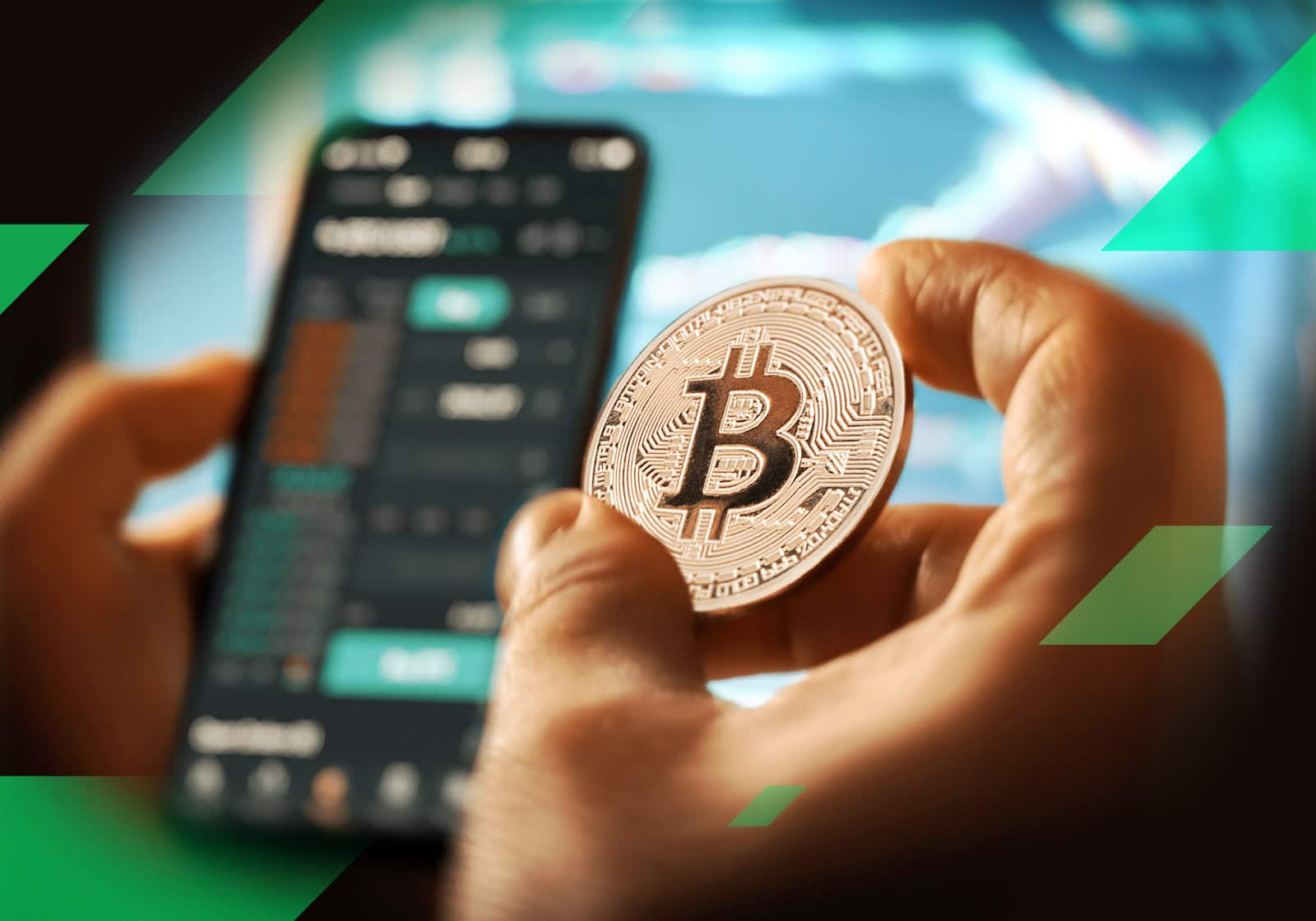
Most platforms offer various funding methods, each with a different financial profile. ACH transfers (in the US) or SEPA transfers (in Europe) are typically the most cost-effective, often involving zero fees from the exchange side. However, they can take several business days to clear.
Conversely, buying cryptocurrency with a credit or debit card offers instant gratification but at a high cost. Convenience fees for card purchases can range from 3% to 5%, and some credit card issuers treat these transactions as “cash advances,” triggering immediate high-interest charges. From a sound personal finance perspective, planning your entries in advance to utilize bank transfers is almost always the superior strategy.
Integration with Traditional Financial Tools
Modern fintech apps like PayPal, Venmo, and Cash App have integrated cryptocurrency buying features. These are excellent for beginners who prioritize ease of use and want to keep their financial life within a single ecosystem.
However, investors should be aware of the trade-offs. Some of these “walled garden” platforms do not allow you to move your cryptocurrency to an external wallet, limiting your ability to use your assets in the broader decentralized finance (DeFi) ecosystem. If your goal is true financial flexibility, choose a dedicated crypto exchange that allows for full withdrawals.
4. Security and Custody as Capital Protection
In traditional finance, your bank deposits are often insured by the government (like the FDIC in the US). In the world of cryptocurrency, the burden of security falls largely on the investor and the chosen platform.
Cold vs. Hot Storage: Safeguarding Your Principal
When you buy crypto on an exchange, the platform holds the assets for you. This is known as “hot storage” because the funds are connected to the internet. While convenient for trading, it poses a hacking risk.
Serious investors often use exchanges only as a “checking account” for immediate trades, while moving the bulk of their holdings to “cold storage”—hardware wallets that are offline. When choosing where to buy, ensure the platform has a proven track record of security and offers features like Two-Factor Authentication (2FA) via hardware keys (e.g., YubiKey) rather than just SMS, which is vulnerable to SIM-swapping attacks.
Regulatory Compliance and Insurance for Investor Protection
As the market matures, regulatory compliance has become a hallmark of a trustworthy exchange. Platforms that are registered with financial conduct authorities (such as the SEC or FINRA in the US, or the FCA in the UK) provide an added layer of institutional oversight.
Furthermore, some top-tier exchanges carry private insurance policies to cover assets held in their hot wallets. While this doesn’t protect against the market price falling, it does protect against a platform-wide hack. Checking an exchange’s “Proof of Reserves” (a transparent audit of their holdings) is another essential step in verifying that the platform is solvent and your capital is safe.
5. Aligning Your Exchange Choice with Investment Goals
Your choice of where to buy should ultimately reflect your broader financial objectives. Not all platforms are created equal when it comes to sophisticated wealth management tools.
Passive Income Opportunities: Staking and Yield Farming
For many investors, buying cryptocurrency is just the first step. The real goal is to put those assets to work. Many exchanges now offer “staking” services, where you can earn an annual percentage yield (APY) on your holdings—similar to earning interest on a savings account.
If your strategy involves long-term holding (HODLing), you should prioritize platforms that offer competitive staking rewards for assets like Ethereum, Solana, or Cardano. This allows you to grow your quantity of tokens regardless of price action, accelerating the path to your financial goals.
Scalability for High-Net-Worth and Institutional Portfolios
If you are managing a high-net-worth portfolio or a business treasury, you may require more than a standard retail account. Institutional-grade platforms (such as Coinbase Prime or Gemini Institutional) offer white-glove service, advanced reporting for tax and auditing, and OTC (Over-the-Counter) desks for executing massive trades without moving the market price.
Choosing a platform that can grow with your portfolio is vital. An exchange that serves you well when you are investing $1,000 might lack the sophisticated reporting and security features you need when your portfolio reaches $1,000,000.
Conclusion
Determining where to buy cryptocurrency is a foundational step in your financial journey. By prioritizing low-fee structures, high liquidity, robust security, and regulatory compliance, you transition from a speculative participant to a disciplined investor. Whether you choose the accessibility of a major centralized exchange or the sovereignty of a decentralized protocol, ensure that your platform of choice serves as a tool for wealth preservation and growth, rather than a barrier to it. In the rapidly shifting world of digital finance, the most valuable asset you can possess is a well-informed strategy.
aViewFromTheCave is a participant in the Amazon Services LLC Associates Program, an affiliate advertising program designed to provide a means for sites to earn advertising fees by advertising and linking to Amazon.com. Amazon, the Amazon logo, AmazonSupply, and the AmazonSupply logo are trademarks of Amazon.com, Inc. or its affiliates. As an Amazon Associate we earn affiliate commissions from qualifying purchases.