
Acquiring a vehicle is more than just a convenience; for many, it’s a necessity and one of the largest financial commitments they will make after housing. The seemingly simple question of “where to buy a car” unravels into a complex web of financial decisions, strategic planning, and risk management. In an era of evolving marketplaces and diverse financing options, understanding the financial implications of each purchasing avenue is paramount to making an intelligent investment that aligns with your personal finance goals. This article will navigate the financial landscape of car acquisition, guiding you through the critical considerations to ensure your next vehicle purchase is a financially sound one.

Understanding Your Financial Readiness: The Foundation of Car Buying
Before you even begin to browse models or dealerships, the first and most critical step is a thorough financial self-assessment. This foundational stage dictates not only what car you can afford but also the most advantageous way to finance and acquire it. Ignoring this step can lead to significant financial strain and long-term regret.
Budgeting for the Total Cost of Ownership
The purchase price is merely the tip of the iceberg when it comes to car ownership. A truly financially responsible approach requires budgeting for the Total Cost of Ownership (TCO). This includes:
- Purchase Price/Down Payment: The initial outlay, whether cash or a down payment for a loan.
- Monthly Loan Payments: If financing, these will be a recurring expense for several years.
- Insurance: Premiums vary significantly based on vehicle type, driver history, and coverage.
- Fuel Costs: A significant ongoing expense, influenced by mileage and fuel efficiency.
- Maintenance and Repairs: Regular servicing, unexpected repairs, and eventual part replacements. Newer cars might have lower immediate costs, but luxury or specialty vehicles can be expensive to maintain. Older cars might be cheaper upfront but carry higher repair risks.
- Registration, Taxes, and Fees: State-specific charges that add to the initial cost and potentially annual renewals.
- Depreciation: The loss in value over time. While not an out-of-pocket expense, it’s a crucial financial factor, especially if you plan to resell or trade-in in the future.
By calculating the TCO, you gain a realistic picture of the financial commitment, allowing you to set a true affordability limit and avoid being “car-poor.” This assessment also helps in the crucial new vs. used car debate. While a new car avoids immediate maintenance concerns and often comes with warranties, its rapid depreciation in the first few years can be a significant financial drain. Used cars, conversely, have absorbed the brunt of this initial depreciation but may require more immediate maintenance.
Navigating Financing Options: Cash, Loans, and Leases
Your method of payment profoundly impacts your overall financial health. Each option—cash, traditional auto loans, or leasing—comes with its own set of advantages and disadvantages.
- Paying with Cash: The most financially sound option, if feasible. It eliminates interest payments, frees up monthly cash flow, and provides outright ownership, giving you full control over the asset. However, it ties up a large sum of liquid capital that could potentially be invested elsewhere for higher returns. A careful cost-benefit analysis of opportunity cost is necessary here.
- Auto Loans: The most common method. Loans allow you to acquire a car without depleting your savings. Key financial variables include the interest rate, loan term (length), and down payment amount. A longer loan term means lower monthly payments but results in paying significantly more interest over the life of the loan. Conversely, a shorter term increases monthly payments but reduces total interest paid. Your credit score is a major determinant of the interest rate you’ll qualify for, directly impacting the total cost of borrowing.
- Leasing: Essentially long-term renting. You pay for the depreciation of the vehicle during the lease term, plus interest and fees. While monthly payments are typically lower than loan payments for a comparable car, you don’t build equity, and there are often mileage restrictions and wear-and-tear clauses that can incur significant fees at the lease’s end. Leasing can be appealing for those who want a new car every few years with lower monthly payments, but financially, it’s generally less advantageous for long-term ownership goals.
The Impact of Your Credit Score
Your credit score is a powerful financial tool when purchasing a car. A higher credit score (typically above 700) signifies lower risk to lenders, translating into lower interest rates on auto loans. Even a difference of one or two percentage points on a multi-year loan can save you hundreds, if not thousands, of dollars over the loan’s lifetime. Before applying for a loan, it’s wise to check your credit report for inaccuracies and take steps to improve your score if necessary. Securing pre-approval from your bank or credit union before visiting dealerships can give you negotiating leverage and a clear understanding of your borrowing capacity.
Navigating Different Purchase Avenues: Where Your Money Goes
Once your financial house is in order, the next step is to explore the various channels available for purchasing a car, each presenting distinct financial considerations, risks, and benefits.
Dealerships: New & Used Car Lots
Dealerships remain the most popular avenue for car buying, offering convenience and a structured buying experience.
- New Car Dealerships: Offer brand-new vehicles, often with manufacturer warranties, access to the latest technology, and integrated financing options. The financial downside is immediate, steep depreciation upon driving off the lot. While prices are generally non-negotiable on certain models, understanding the invoice price (what the dealer paid) can help you negotiate better. Be wary of expensive add-ons (rustproofing, paint protection) that often have high markups and questionable value.
- Used Car Dealerships: Provide a vast selection of pre-owned vehicles, often at significantly lower prices than new cars. Many offer certified pre-owned (CPO) vehicles, which come with extended warranties and rigorous inspections, providing some peace of mind for a slightly higher price. Financially, the key is thorough inspection and understanding the dealer’s markup. While convenience and financing availability are benefits, they often come at a premium compared to private sales.
Private Sellers: Direct Transactions, Higher Stakes
Buying directly from a private seller can be financially advantageous, often yielding lower prices as there’s no dealer overhead or profit margin to account for. However, this avenue demands greater due diligence and carries higher financial risks.
- Pros: Potential for significant cost savings. Direct negotiation with the owner.
- Cons: “As-is” sales offer no warranty or recourse for post-purchase issues. Verification of the car’s history (through services like CarFax or AutoCheck) and a pre-purchase inspection by a trusted mechanic are absolutely essential to avoid costly surprises. Handling title transfers, registration, and potential scams also adds complexity.
Online Marketplaces & Auctions: Convenience Meets Risk
The digital age has expanded options, with online platforms and auctions providing broad access to vehicles from various sellers.
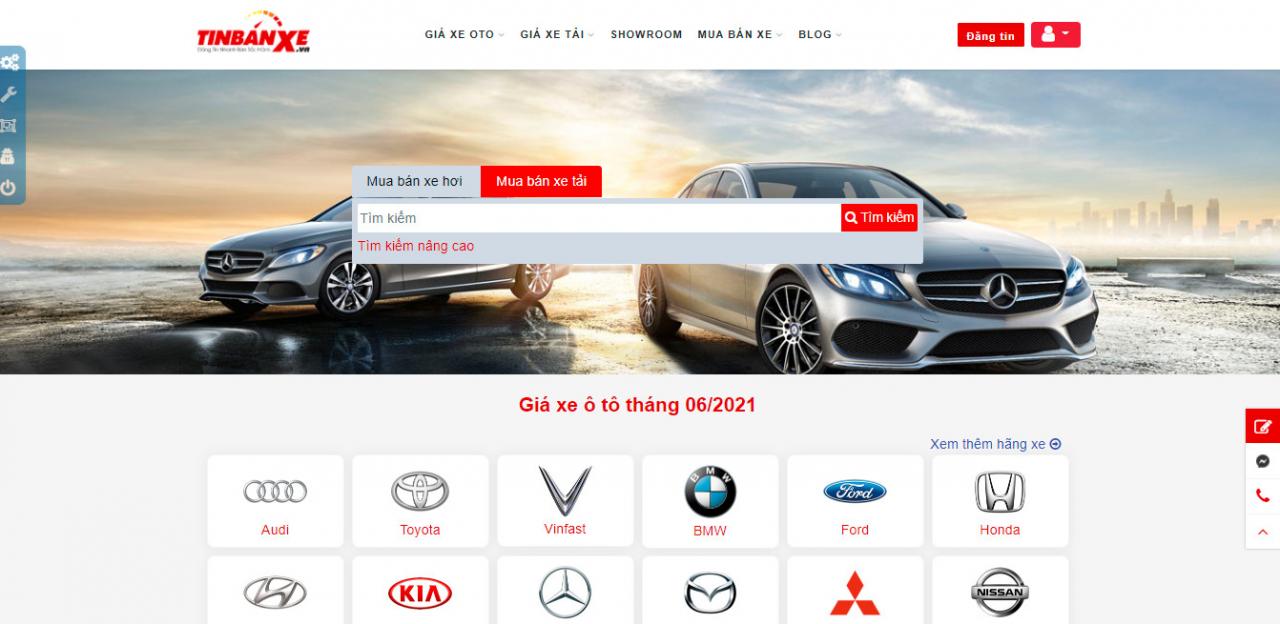
- Online Marketplaces (e.g., AutoTrader, Craigslist, Facebook Marketplace): These aggregate listings from both dealerships and private sellers. They offer convenience in browsing and comparing, but the transaction still often involves in-person interactions. Financial considerations remain similar to direct private sales or dealership purchases, depending on the seller type.
- Online Car Retailers (e.g., Carvana, Vroom): These platforms streamline the buying process, often offering delivery and a return policy. They remove the negotiation stress, but prices might be fixed and slightly higher than what you could achieve through negotiation elsewhere. They typically offer in-house financing, which should be compared to external pre-approvals.
- Car Auctions: Can offer steep discounts, particularly government or police auctions. However, they are high-risk ventures often aimed at experienced buyers. Vehicles are typically sold “as-is” with little to no opportunity for inspection or test drives, making them a significant financial gamble for the uninitiated.
Car Brokers & Buying Services: Value for a Fee?
For those short on time or uncomfortable with negotiation, car brokers or buying services can be a valuable option. They leverage their expertise and network to find a car and negotiate a price on your behalf.
- Financial Consideration: Brokers charge a fee, but their ability to secure a lower price or better financing terms might offset this cost. It’s crucial to clarify their fee structure upfront and ensure their savings outweigh their charges. They can be particularly useful for finding hard-to-get models or navigating complex lease agreements.
Smart Money Moves Before You Buy: Due Diligence is Key
Regardless of where you decide to buy, certain financial due diligence steps are non-negotiable to protect your investment.
Securing Pre-Approval for Loans
As mentioned earlier, getting pre-approved for an auto loan from a bank or credit union before stepping into a dealership is a power move. It provides you with a clear maximum budget, a competitive interest rate to compare against dealer financing offers, and transforms you into a cash buyer in the eyes of the dealer, simplifying price negotiations.
Researching Car Values and Market Trends
Knowledge is financial power. Websites like Kelley Blue Book (KBB), Edmunds, and NADAguides provide invaluable data on fair market values for both new and used vehicles. Understanding these values helps you assess if a seller’s asking price is reasonable and gives you a strong foundation for negotiation. Researching depreciation trends for specific models can also inform your choice, helping you pick a vehicle that retains more of its value over time.
The Financial Value of Test Drives & Inspections
Never underestimate the financial impact of a thorough test drive and an independent pre-purchase inspection (PPI). A test drive reveals if the car meets your practical needs and comfort expectations, preventing a costly mistake. A PPI, conducted by an unbiased mechanic, can uncover hidden mechanical issues, accident damage, or looming expensive repairs. This small upfront investment (typically $100-$200) can save you thousands by either allowing you to walk away from a problematic vehicle or providing leverage for price negotiation based on identified repair needs.
Insurance Considerations: A Major Financial Factor
Before finalizing a purchase, get insurance quotes for the specific vehicle you’re considering. Insurance premiums can vary dramatically based on the car’s make, model, year, safety features, repair costs, and your personal driving history. A car that seems affordable to buy might be prohibitively expensive to insure, significantly increasing your TCO.
The Art of Negotiation and Closing the Deal: Protecting Your Investment
The final stage of car buying is where savvy financial negotiation comes into play, ensuring you don’t leave money on the table.
Price Negotiation Strategies
Focus on the “out-the-door” price, which includes all taxes, fees, and the vehicle price itself. Don’t let salespeople distract you with discussions solely about monthly payments. Always be prepared to walk away if the deal isn’t right. Researching competitive offers from other dealerships or private sellers provides strong negotiation leverage.
Avoiding Costly Add-ons and Upsells
Dealerships often try to boost profits with high-margin add-ons like extended warranties, rustproofing, paint protection, or VIN etching. While some extended warranties might offer peace of mind, carefully evaluate their cost versus their actual coverage and your perceived risk. Many add-ons are overpriced and unnecessary. Politely but firmly decline anything you haven’t researched and deemed essential.
Understanding the Contract: The Financial Fine Print
Before signing any documents, read the entire contract carefully. Ensure all agreed-upon terms—price, interest rate, down payment, trade-in value, and any included features—are accurately reflected. Look out for hidden fees, discrepancies, or clauses you don’t understand. If anything seems unclear, ask for clarification or consult a trusted advisor. This is your financial commitment, and understanding every detail is paramount.

Conclusion: Driving Towards Financial Prudence
The journey of buying a car is fundamentally a financial one. From the initial budgeting and financing decisions to selecting the right purchasing avenue and mastering the art of negotiation, every step has significant monetary implications. By approaching the process with a professional, insightful, and financially disciplined mindset, you can transform a potentially stressful expenditure into a strategic investment. Prioritize understanding your true financial capacity, conducting thorough research, exercising diligent inspection, and engaging in assertive negotiation. In doing so, you’ll not only find the right car but also ensure that your purchase enhances, rather than detracts from, your overall financial well-being.
aViewFromTheCave is a participant in the Amazon Services LLC Associates Program, an affiliate advertising program designed to provide a means for sites to earn advertising fees by advertising and linking to Amazon.com. Amazon, the Amazon logo, AmazonSupply, and the AmazonSupply logo are trademarks of Amazon.com, Inc. or its affiliates. As an Amazon Associate we earn affiliate commissions from qualifying purchases.