
Amazon (AMZN) stands as a colossus in the modern economy, a company that has not only revolutionized retail but also profoundly impacted cloud computing, digital advertising, and entertainment. Its remarkable growth trajectory and consistent innovation have made it a cornerstone of many investment portfolios, drawing interest from seasoned investors and newcomers alike. For those looking to participate in the success of one of the world’s most influential companies, understanding the process of buying Amazon stock is a fundamental step. This article will demystify the journey, from grasping Amazon’s investment appeal to navigating brokerage platforms and managing your subsequent holdings, all within the context of sound financial principles.
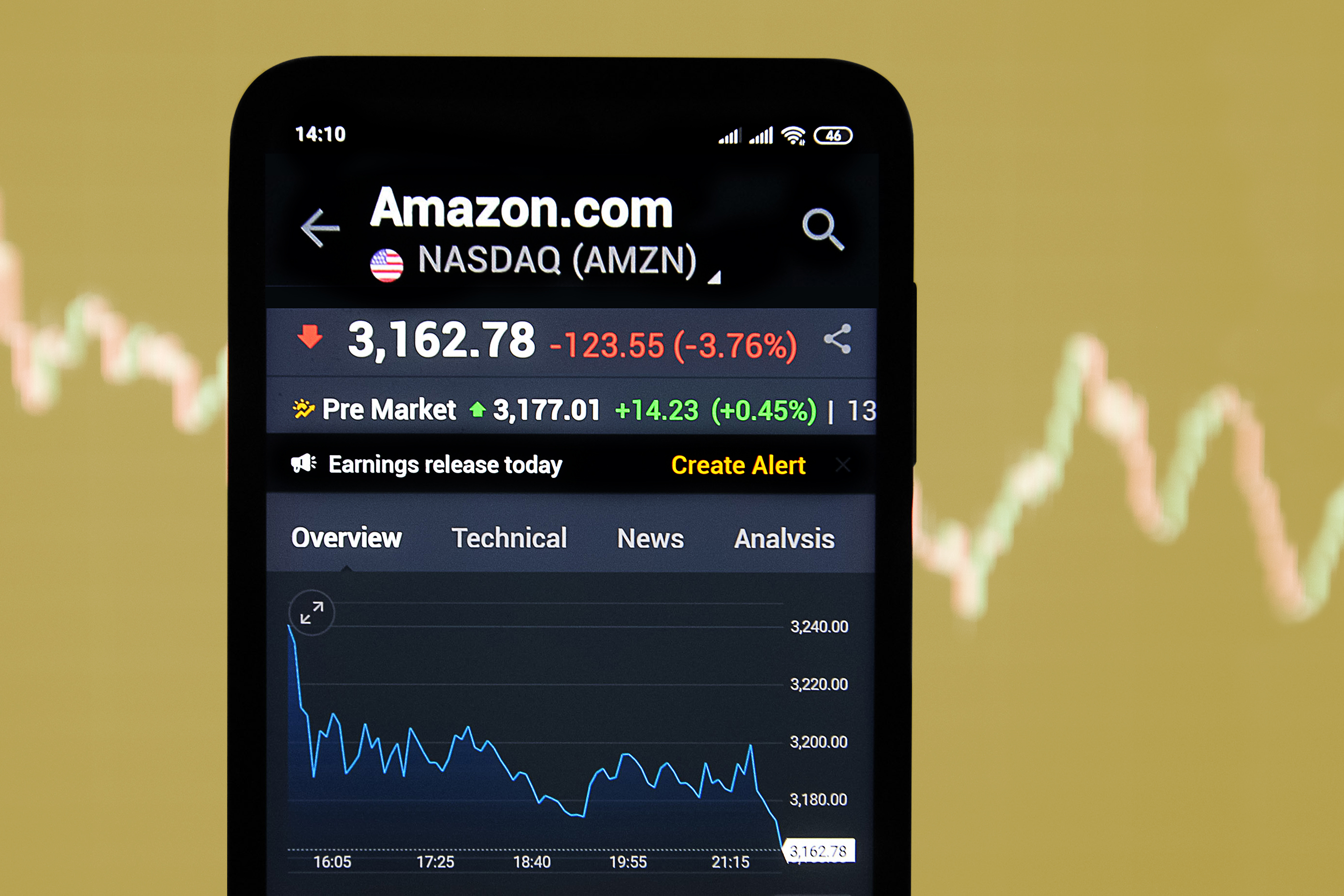
Understanding Amazon as an Investment
Before diving into the mechanics of purchasing shares, it’s crucial to appreciate what makes Amazon an attractive, albeit complex, investment. A thorough understanding of its business model, historical performance, and inherent risks will empower you to make an informed decision aligned with your financial objectives.
Amazon’s Business Empire
Amazon’s strength lies in its diversified, yet interconnected, business segments. While its e-commerce platform is globally recognized, it’s far from its only revenue driver. Amazon Web Services (AWS) is a cloud computing juggernaut, providing essential infrastructure to businesses worldwide and consistently contributing a significant portion of Amazon’s operating income. Beyond these, Amazon’s advertising business is a rapidly growing segment, leveraging its vast consumer data. Furthermore, its ventures into digital content (Prime Video, Amazon Music), smart home devices (Alexa), and logistics infrastructure (delivery network) solidify its ecosystem and create powerful network effects. This multi-faceted approach offers resilience and multiple avenues for future growth, reducing dependence on any single market segment.
Historical Performance and Growth Drivers
Amazon’s stock performance has been nothing short of spectacular over the past decades, reflecting its relentless expansion and market dominance. Early investors have reaped substantial rewards, driven by continuous innovation, strategic acquisitions, and an unwavering focus on customer experience. Key growth drivers include: the ongoing shift from brick-and-mortar to online retail globally; the escalating demand for cloud services; the expansion of its Prime subscription service, which fosters customer loyalty and boosts sales across segments; and its burgeoning advertising revenue, challenging the duopoly of Google and Meta. While past performance is never a guarantee of future results, Amazon’s history provides valuable context for its potential as a long-term holding.
Risks and Considerations
No investment is without risk, and Amazon is no exception. Investors must weigh several factors. Intense competition from other tech giants (e.g., Microsoft in cloud, Walmart in retail) and innovative startups constantly pressure Amazon. Regulatory scrutiny, particularly regarding antitrust concerns and labor practices, poses a significant and evolving challenge that could impact its business model and profitability. Macroeconomic factors, such as inflation, interest rates, and consumer spending patterns, also play a role, as a slowdown in economic growth could affect both its retail and cloud segments. Furthermore, Amazon’s sheer size means that sustaining its historical growth rates becomes increasingly challenging, and future innovation must continually deliver significant value to justify its valuation.
Navigating the Investment Landscape: Prerequisites
Once you’ve assessed Amazon’s investment potential, the next step involves establishing the practical framework for buying stocks. This includes understanding basic market mechanics and setting up the necessary financial accounts.
Demystifying Stock Market Basics
Before placing an order for AMZN, a foundational understanding of the stock market is essential. When you buy stock, you are purchasing a small ownership stake in a public company. The price of this stock fluctuates based on supply and demand, influenced by company performance, industry trends, economic news, and investor sentiment. Shares are traded on exchanges, like the NASDAQ (where Amazon is listed), which facilitate these transactions. Understanding concepts like market capitalization, trading volume, bid-ask spread, and stock volatility will provide a clearer picture of the environment in which you’re operating. Remember that investing in individual stocks carries inherent risks, and prices can go down as well as up.
Setting Up Your Investment Account
To buy Amazon stock, you’ll need an investment account with a brokerage firm. These firms act as intermediaries, allowing individual investors to buy and sell securities. There are various types of brokerage accounts, but the most common for individual stock purchases are:
- Taxable Brokerage Accounts: These are standard investment accounts where capital gains and dividends are generally subject to taxation in the year they are realized. They offer maximum flexibility with no contribution limits.
- Retirement Accounts (e.g., Roth IRA, Traditional IRA, 401(k) with self-directed options): These accounts offer tax advantages (tax-deferred growth or tax-free withdrawals in retirement) but come with contribution limits and withdrawal rules. If your 401(k) offers a brokerage window, you might be able to invest in individual stocks like Amazon.
Choosing the right type depends on your financial goals, time horizon, and tax situation. Most investors start with a taxable brokerage account for direct stock purchases. The application process typically involves providing personal information, verifying your identity, and linking a bank account for funding.
Funding Your Investment
Once your brokerage account is open, you’ll need to fund it. Common methods include:
- Electronic Funds Transfer (ACH): This is the most common method, allowing you to transfer money directly from your linked bank account. It’s usually free but can take a few business days for funds to settle and become available for trading.
- Wire Transfer: Faster than ACH, but often incurs fees.
- Check Deposit: Slower and less common today but still an option for some brokers.
Ensure you only invest funds you can afford to lose, as stock market investments carry risk. It’s prudent to have an emergency fund fully stocked before allocating capital to the market.
Step-by-Step Guide: Buying AMZN Shares
With your brokerage account funded, you’re ready to make your first purchase. This process is straightforward but requires attention to detail.

Choosing the Right Brokerage Platform
The choice of brokerage platform significantly impacts your trading experience. Factors to consider include:
- Fees and Commissions: Many online brokers now offer commission-free trading for stocks and ETFs, making it highly accessible. However, be aware of other potential fees like account maintenance fees, wire transfer fees, or options trading commissions.
- User Interface and Tools: Evaluate the platform’s ease of use, especially for beginners. Look for intuitive mobile apps, robust research tools, real-time data, and educational resources. Popular choices include Fidelity, Charles Schwab, E*TRADE, Vanguard, and newer platforms like Robinhood or Webull.
- Customer Service: Access to reliable customer support is crucial, especially if you encounter issues or have questions.
- Fractional Shares: Some brokers allow you to buy fractional shares, meaning you can invest a specific dollar amount (e.g., $100) rather than needing to buy a full share, which can be expensive for high-priced stocks like Amazon. This is particularly beneficial for smaller investors.
Placing Your Order
Once you’ve selected a broker and are logged into your account, navigate to the trading section. You’ll typically search for Amazon using its ticker symbol, which is AMZN.
When placing your order, you’ll generally encounter two primary order types:
- Market Order: This instructs your broker to buy (or sell) shares immediately at the best available price. While it ensures immediate execution, the price you pay might vary slightly from what you saw seconds before, especially in volatile markets. This is generally suitable for highly liquid stocks like Amazon.
- Limit Order: This allows you to specify the maximum price you’re willing to pay per share. Your order will only execute if the stock’s price falls to or below your specified limit. This gives you more control over the purchase price but means your order might not execute if the stock doesn’t reach your desired level.
For most beginners, a market order is sufficient for a highly liquid stock like Amazon, assuming they are comfortable with the current market price. Specify the number of shares you wish to buy, or the dollar amount if your broker supports fractional shares. Review your order carefully before confirming.
Understanding Share Types: Whole vs. Fractional
Historically, you had to buy whole shares. If Amazon stock was trading at $150, you’d need $150 to buy one share, $300 for two, and so on. This could be a barrier for investors with smaller capital or those wanting to diversify across many high-priced stocks.
The rise of fractional shares has democratized access to expensive stocks. Many modern brokers now allow you to buy a fraction of a share based on a dollar amount. For example, if you want to invest $50 in Amazon, and the stock is $150 per share, you would own approximately 0.33 shares. This feature is particularly valuable for new investors, enabling them to build a diversified portfolio even with modest sums. Check if your chosen broker offers fractional share trading if this is important to you.
Beyond the Initial Purchase: Managing Your Investment
Buying Amazon stock is just the beginning. Effective portfolio management involves continuous monitoring, strategic diversification, and alignment with your long-term financial philosophy.
Monitoring Your Portfolio
After your purchase, regularly monitor your investment. Your brokerage account will provide tools to track your portfolio’s performance, showing the current value of your Amazon shares, your gains or losses, and historical data. Stay informed about Amazon’s financial news, earnings reports, product launches, and broader industry developments. Reputable financial news outlets and your brokerage’s research section are excellent resources. However, avoid the temptation to check prices obsessively, as short-term fluctuations are normal and rarely indicative of long-term trends. Focus on the fundamental health and strategic direction of the company.
Diversification Strategies
While investing in a robust company like Amazon can be highly rewarding, it’s crucial not to put all your eggs in one basket. Diversification is a cornerstone of prudent investing. Holding only Amazon stock exposes you to company-specific risks. Consider diversifying across:
- Different Industries: Invest in companies from various sectors (e.g., healthcare, energy, financials, industrials) to mitigate industry-specific downturns.
- Asset Classes: Beyond individual stocks, consider bonds, real estate, and other alternative investments to balance risk and return.
- Geographies: Invest in international markets to reduce dependence on a single economy.
- Company Size: Combine large-cap stocks like Amazon with mid-cap and small-cap stocks for different growth profiles.
Exchange-Traded Funds (ETFs) and mutual funds are excellent tools for instant diversification, as they hold baskets of multiple stocks, bonds, or other assets. Many broad market ETFs will include Amazon as a top holding, offering a way to gain exposure without relying solely on its individual performance.
Long-Term vs. Short-Term Investing Philosophies
Your investment horizon should heavily influence your strategy.
- Long-Term Investing: This approach involves holding stocks for several years or even decades, aiming to benefit from compounding growth and weathering short-term market volatility. Long-term investors in Amazon have historically been well-rewarded. This strategy often involves less frequent trading, lower transaction costs, and a focus on fundamental analysis.
- Short-Term Trading: This involves buying and selling stocks rapidly to capitalize on immediate price movements. It requires significant time commitment, advanced analytical skills, and carries substantially higher risk. For most individual investors, particularly those new to the market, a long-term, buy-and-hold strategy is generally recommended as it aligns better with wealth building and minimizes the impact of market noise.
Understanding where Amazon fits within your overall financial plan—whether as a growth engine for retirement savings or part of a more speculative portfolio—will guide your decisions post-purchase.

Conclusion
Investing in Amazon stock offers a compelling opportunity to own a piece of a global economic powerhouse. By understanding the company’s multifaceted business, diligently setting up your investment infrastructure, and approaching the purchase with a clear strategy, you can confidently add AMZN to your portfolio. Remember that successful investing is a marathon, not a sprint. It requires patience, a commitment to continuous learning, and adherence to sound financial principles like diversification and risk management. As you embark on this journey, stay informed, invest wisely, and align your decisions with your personal financial goals.
aViewFromTheCave is a participant in the Amazon Services LLC Associates Program, an affiliate advertising program designed to provide a means for sites to earn advertising fees by advertising and linking to Amazon.com. Amazon, the Amazon logo, AmazonSupply, and the AmazonSupply logo are trademarks of Amazon.com, Inc. or its affiliates. As an Amazon Associate we earn affiliate commissions from qualifying purchases.