
Applying for a credit card is a significant financial decision that can impact your spending power, credit score, and overall financial health. The “where” of applying is just as crucial as the “which” card, as different channels and issuers cater to diverse financial profiles and offer varying levels of support and convenience. Understanding the landscape of credit card applications requires a strategic approach, beginning with a clear assessment of your own financial standing and extending to a careful evaluation of the various platforms and institutions eager to offer you credit.
Understanding Your Credit Profile Before Applying
Before you even consider where to submit an application, the most critical first step is to thoroughly understand your current credit profile. This foundational knowledge will not only guide you to suitable card products but also inform you about the most effective places to seek them out.
The Importance of Your Credit Score
Your credit score is a numerical representation of your creditworthiness, primarily calculated by models like FICO and VantageScore. This three-digit number, typically ranging from 300 to 850, is a key determinant for lenders in assessing your risk. An excellent score (750-850) typically opens doors to premium rewards cards with generous benefits and low interest rates. A good score (670-749) still offers a wide array of competitive options. Fair credit (580-669) might limit you to cards with higher interest rates or fewer perks, while poor credit (below 580) often necessitates secured credit cards or credit-builder alternatives. Knowing your score helps you target cards you’re more likely to be approved for, minimizing the risk of application rejections, which can negatively impact your score through multiple hard inquiries.
Reviewing Your Credit Report
Beyond just your score, your full credit report provides a detailed history of your borrowing and repayment behavior. It lists all your credit accounts, payment history, public records (like bankruptcies), and inquiries from lenders. You are entitled to a free copy of your credit report from each of the three major credit bureaus—Equifax, Experian, and TransUnion—once every 12 months via AnnualCreditReport.com. It’s imperative to review these reports for accuracy. Errors, such as incorrect late payments, fraudulent accounts, or outdated information, can drag down your score and hinder your application success. Correcting these inaccuracies before applying can significantly improve your chances of approval for better card products. Your credit history, which includes factors like payment history (the most influential), credit utilization (how much credit you use versus how much you have available), length of credit history, new credit inquiries, and credit mix, all contribute to how lenders perceive your financial responsibility.
Primary Application Channels: Online, In-Person, and Direct Mail
Once you have a clear picture of your credit health, you can explore the various avenues available for applying for a credit card. Each channel offers distinct advantages and disadvantages, catering to different preferences and needs.
Online Applications: Convenience and Speed
The internet has become the dominant platform for credit card applications due to its unparalleled convenience. You can apply 24/7 from anywhere with an internet connection, and decisions are often provided within minutes.
- Official Bank/Issuer Websites: The most direct and secure method is applying directly through the official website of the bank or credit card issuer (e.g., Chase.com, AmericanExpress.com, Discover.com). This ensures you are dealing directly with the source, accessing the most up-to-date information, and benefiting from any online-exclusive offers.
- Financial Aggregators and Comparison Sites: Websites like NerdWallet, Credit Karma, and Bankrate serve as valuable resources for comparing multiple credit card offers side-by-side. These platforms often allow you to filter cards by credit score requirements, rewards categories, introductory APRs, and fees. Many also offer pre-qualification tools (which involve a soft credit inquiry, not affecting your score) to gauge your eligibility before you submit a formal application. While these sites don’t directly issue cards, they provide links to the issuers’ official application pages. It’s crucial to ensure you are ultimately directed to a secure, official issuer site to complete your application.
In-Person Applications: Personalized Assistance
For those who prefer face-to-face interaction or require personalized guidance, applying in person at a bank branch or credit union remains a viable option.
- Bank Branches: Visiting a physical branch of a bank where you already have an existing relationship (checking, savings, loans) can be advantageous. Bankers can guide you through the application process, answer specific questions about terms and conditions, and sometimes offer insights into cards that might be a good fit given your relationship with the institution. They can also assist with troubleshooting any issues that arise during the application.
- Credit Unions: Credit unions often pride themselves on personalized member service. If you are a member of a credit union, applying for a credit card there can offer the benefit of a trusted advisor who understands your financial history with the institution. They may also be more willing to work with members who have slightly less-than-perfect credit.
Direct Mail and Pre-Approved Offers
Many credit card issuers send out targeted direct mail offers to consumers. These often come in the form of “pre-approved” or “pre-selected” invitations.
- Pre-Approved Offers: While the term “pre-approved” sounds like a guarantee, it’s important to understand that it typically means you’ve passed an initial soft credit inquiry based on certain criteria. You still need to complete a full application, which will trigger a hard credit inquiry, and final approval is not guaranteed. However, these offers often indicate a higher likelihood of approval for the specific card advertised. It’s a convenient way for issuers to reach potential customers who fit their lending profile. Always read the fine print carefully, as terms can vary widely.
Navigating Different Issuer Types: Banks, Credit Unions, and Fintechs
The type of institution you apply through can significantly influence the types of cards available, the application experience, and even the customer service you receive.
Traditional Banks: Broad Range of Products
Large national banks (e.g., Chase, Citi, Bank of America, Wells Fargo) dominate the credit card market. They typically offer a vast portfolio of cards catering to every credit profile, from basic secured cards to premium travel rewards cards with extensive benefits.
- Pros: Extensive branch networks, robust online and mobile banking platforms, diverse rewards programs, strong brand recognition, and often sophisticated fraud protection.
- Cons: May have stricter underwriting guidelines, especially for individuals with lower credit scores. Customer service can sometimes feel less personalized compared to smaller institutions.
Credit Unions: Member-Focused Benefits
Credit unions are non-profit financial cooperatives owned by their members. They are known for their community focus and often offer competitive rates and fees.

- Pros: Generally lower interest rates on credit cards, fewer fees, more flexible underwriting, and highly personalized customer service. Membership often comes with other financial benefits.
- Cons: Requires membership (often based on geography, employment, or affiliation), may offer fewer high-end rewards cards or sophisticated digital tools compared to large banks.
Online Lenders and Fintech Companies: Innovation and Niche Products
The financial technology (fintech) sector has introduced a new wave of credit card issuers. These companies often operate entirely online and leverage technology to offer innovative products or cater to specific underserved niches.
- Pros: Streamlined digital application processes, potentially more flexible underwriting using alternative data points, and specialized cards (e.g., cards for specific cash back categories, secured cards with unique features, or cards designed for those new to credit).
- Cons: Less established than traditional banks, may lack physical presence for in-person support, and it’s essential to thoroughly vet their legitimacy and customer reviews before applying.
Key Factors to Consider When Choosing Where to Apply
Selecting the right place to apply also involves evaluating what you prioritize in a credit card and an issuer.
Aligning with Your Financial Goals
Your primary objective for getting a credit card should dictate your search.
- Rewards: If you want cash back, travel points, or specific store rewards, you’ll focus on issuers known for robust loyalty programs, such as those offered by major airlines, hotel chains, or large national banks.
- Low APR: If you anticipate carrying a balance, prioritize cards from issuers known for offering competitive ongoing APRs or long introductory 0% APR periods. Credit unions often excel here.
- Balance Transfer: For consolidating existing debt, seek out issuers offering specific balance transfer cards with extended 0% APR promotions.
- Building Credit: If you have limited or poor credit, focus on secured credit cards, student cards, or credit-builder cards. These are often available from specific online lenders, community banks, or credit unions designed to help establish credit responsibly.
Fees, Interest Rates, and Annual Percentage Yield (APR)
Always scrutinize the fees and interest rates associated with any card.
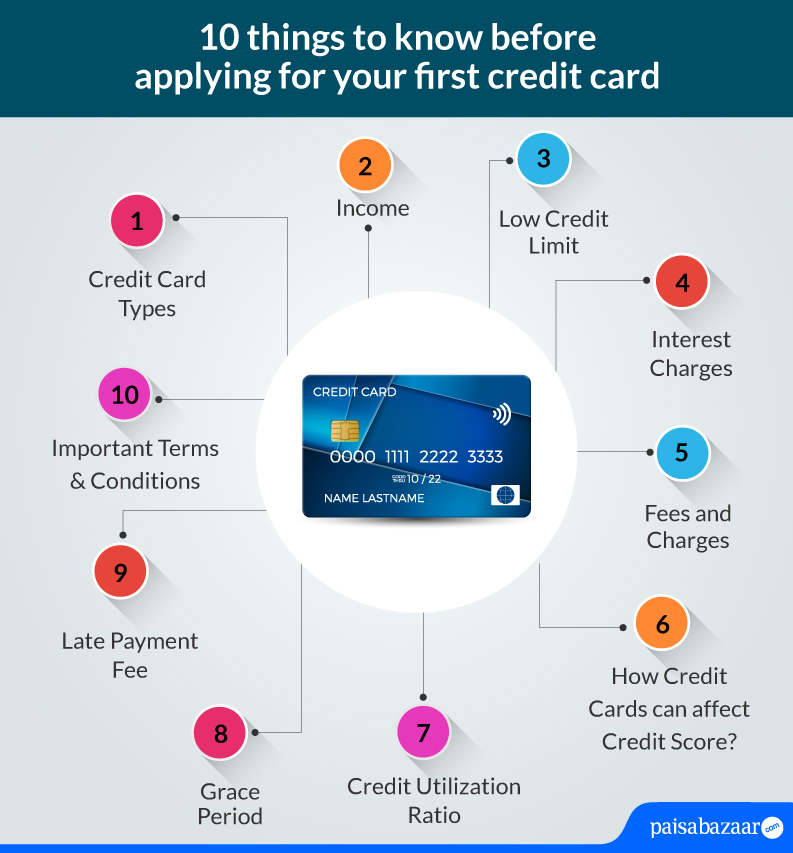
- Annual Fees: Determine if an annual fee is worth the benefits provided. Premium travel cards often have high annual fees but offer valuable perks that can offset the cost.
- Foreign Transaction Fees: If you travel internationally, ensure your chosen card does not charge foreign transaction fees, which typically range from 2-3% of each transaction.
- Late Payment and Other Fees: Understand charges for late payments, cash advances, and balance transfers.
- APR: Pay close attention to the purchase APR. If you carry a balance, a lower APR will save you significantly on interest charges. Be aware of variable APRs that can change with the prime rate.
Customer Service and Digital Experience
The quality of an issuer’s customer service and digital platforms can greatly impact your overall experience.
- Customer Support: Research reviews regarding an issuer’s customer service responsiveness and helpfulness. Accessible and efficient support is invaluable when issues arise.
- Mobile App and Online Banking: A user-friendly mobile app and comprehensive online banking portal can make managing your account, monitoring transactions, and making payments much easier.
The Application Process: Tips for Success
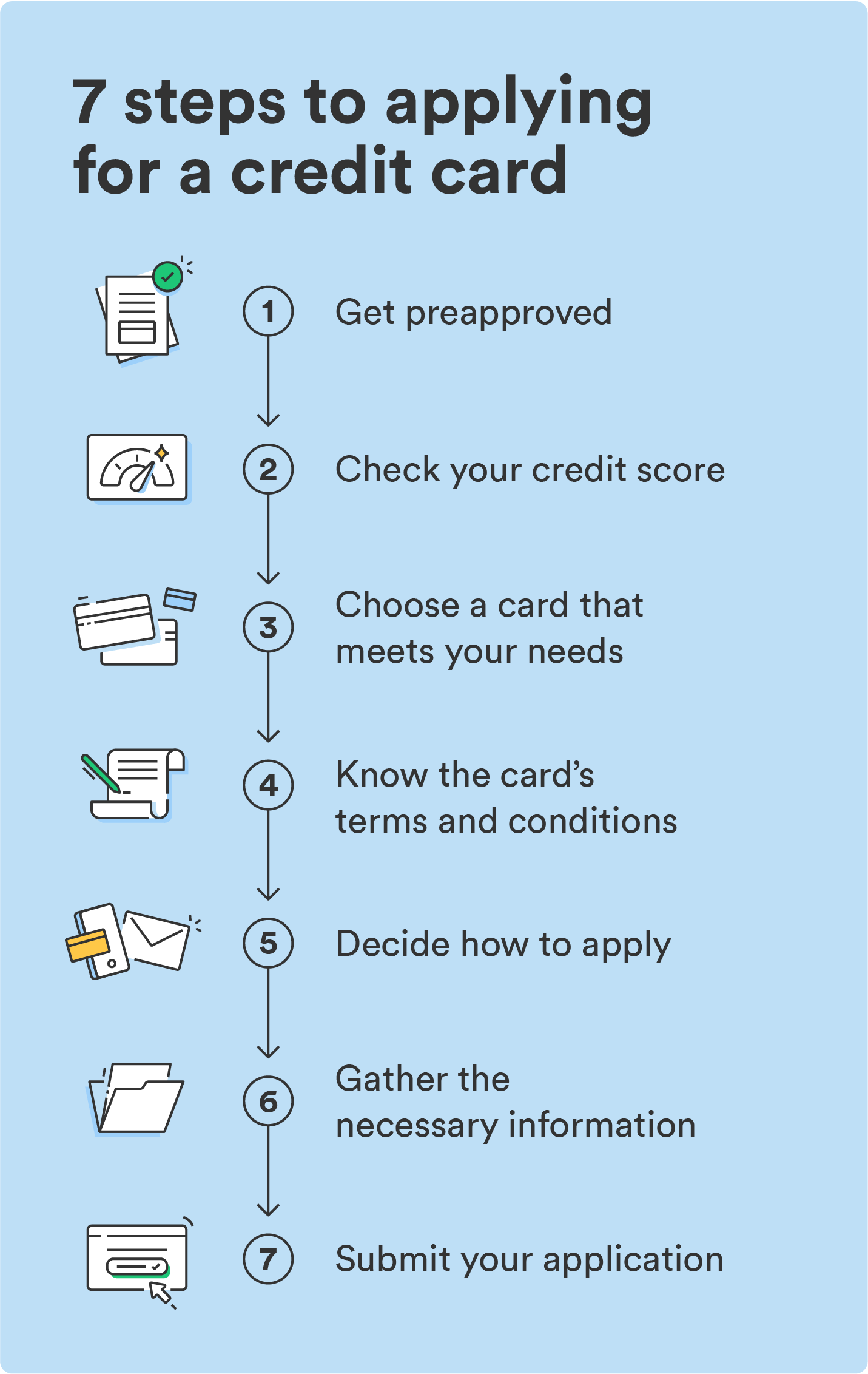
Once you’ve narrowed down your choices and decided on an application channel, prepare yourself for the final steps.
Gathering Necessary Information
Regardless of where you apply, you’ll need to provide accurate and complete personal and financial information. This typically includes your full legal name, social security number, date of birth, current address, employment status, annual income, and monthly housing payment. Having this information readily available will streamline the application process.
Avoiding Multiple Hard Inquiries
A “hard inquiry” occurs when a lender checks your credit report in response to a credit application. Each hard inquiry can temporarily lower your credit score by a few points. While the impact is usually minor and short-lived, applying for too many credit cards in a short period (e.g., within six months) can signal higher risk to lenders and lead to denials. Use pre-qualification tools (soft inquiries) to gauge eligibility before committing to a formal application.
Honesty and Accuracy
Always provide truthful and accurate information on your application. Misrepresenting your income or other financial details can be considered fraud and lead to serious consequences, including application denial, account closure, and legal repercussions.
What to Do After Applying
- Check Application Status: Most online applications provide an immediate decision or a way to check your status online. For in-person or mail applications, expect a response within a few business days to a few weeks.
- If Approved: Congratulations! Remember to activate your card upon arrival and read the cardholder agreement carefully. Start using your card responsibly by paying your balance in full and on time.
- If Denied: Don’t get discouraged. The issuer is legally required to send you an Adverse Action Notice explaining the specific reasons for the denial. This notice is valuable as it pinpoints areas you can improve upon for future applications. You can also call the issuer’s reconsideration line to politely request a review of your application, explaining any mitigating factors not apparent in your initial application.
Choosing where to apply for a credit card is a strategic decision that, when executed thoughtfully, can be the first step towards building a robust financial future. By understanding your credit profile, exploring various application channels and issuer types, and considering key factors, you can make an informed choice that aligns with your financial goals and sets you up for success.
aViewFromTheCave is a participant in the Amazon Services LLC Associates Program, an affiliate advertising program designed to provide a means for sites to earn advertising fees by advertising and linking to Amazon.com. Amazon, the Amazon logo, AmazonSupply, and the AmazonSupply logo are trademarks of Amazon.com, Inc. or its affiliates. As an Amazon Associate we earn affiliate commissions from qualifying purchases.