
Navigating the landscape of personal finance can often feel like traversing a complex maze. When unexpected expenses arise, debt consolidation becomes a priority, or a significant purchase beckons, a personal loan can emerge as a powerful financial tool. Unlike secured loans that require collateral, personal loans are typically unsecured, meaning they are granted based on your creditworthiness and ability to repay. But with a myriad of lenders and loan products available, a critical question often arises: “Where exactly should I apply for a personal loan?” This guide aims to demystify the process, helping you understand your options and make informed decisions about securing the right personal loan for your needs.

Understanding Personal Loans: What They Are and Why You Might Need One
Before diving into where to apply, it’s crucial to grasp the fundamental nature of personal loans. Understanding their characteristics and typical use cases will help you determine if this financial product aligns with your current situation.
Defining Personal Loans
A personal loan is a type of installment loan offered by banks, credit unions, and online lenders. It provides a lump sum of money that you repay over a fixed period, usually with fixed monthly payments that include both principal and interest. The terms typically range from 12 to 60 months, though longer terms are available, and interest rates vary widely based on your credit score, income, and the lender’s policies. Unlike auto loans or mortgages, personal loans are generally unsecured, meaning they don’t require collateral like a house or car, making them a higher risk for lenders and thus often carrying higher interest rates for borrowers with less stellar credit.
Common Reasons for Taking Out a Personal Loan
Personal loans are incredibly versatile, making them a popular choice for a variety of financial needs. Some of the most common reasons people seek personal loans include:
- Debt Consolidation: This is often the primary driver. Consolidating multiple high-interest debts, such as credit card balances, into a single personal loan with a lower interest rate can simplify payments, reduce overall interest paid, and potentially improve your financial standing.
- Home Improvement: From minor renovations to major remodeling projects, a personal loan can provide the necessary capital without tying up home equity.
- Medical Expenses: Unexpected medical bills can be substantial. A personal loan can help cover these costs when insurance falls short or isn’t applicable.
- Major Purchases: While not always advisable for depreciating assets, a personal loan can finance significant one-time purchases, like a wedding, an adoption, or even a once-in-a-lifetime vacation, especially if interest rates are favorable.
- Emergency Funding: When an urgent financial need arises and you lack an adequate emergency fund, a personal loan can bridge the gap, though it should be considered carefully due to interest accrual.
Key Characteristics of Personal Loans
Several features define personal loans and differentiate them from other borrowing options:
- Fixed Interest Rates: Most personal loans come with fixed interest rates, meaning your monthly payment remains consistent throughout the loan term, simplifying budgeting.
- Fixed Repayment Terms: You’ll have a clear schedule for repayment, typically ranging from 1 to 7 years.
- Unsecured Nature: As mentioned, most are unsecured, relying on your creditworthiness. Some lenders may offer secured personal loans if you have collateral, which can result in lower interest rates.
- Disbursement as a Lump Sum: Once approved, the full loan amount is typically deposited directly into your bank account.
- No Restrictions on Use (Generally): Unlike specific-purpose loans, personal loans usually don’t have strict limitations on how the funds can be used, offering flexibility.
Exploring Your Options: The Main Types of Lenders
The “where” in “where to apply for a personal loan” largely depends on the type of financial institution you choose. Each category of lender offers distinct advantages and caters to different borrower profiles.
Traditional Banks
Your local bank branch or a larger national bank is often the first place people consider.
- Pros: Established reputation, familiar relationship if you’re an existing customer, competitive rates for well-qualified borrowers, in-person support.
- Cons: Stricter eligibility requirements, potentially longer approval processes, less flexibility for those with less-than-perfect credit.
- Best For: Individuals with good to excellent credit scores and a preference for face-to-face interaction or existing banking relationships.
Credit Unions
Credit unions are non-profit financial cooperatives owned by their members.
- Pros: Often offer lower interest rates and more flexible terms than traditional banks, especially for members. They tend to be more forgiving with credit scores and emphasize member service.
- Cons: Membership requirements (e.g., living in a certain area, working for a specific employer), potentially slower application processes than online lenders.
- Best For: Individuals who meet membership criteria, have fair to good credit, and prioritize lower costs and personalized service.
Online Lenders
The digital age has ushered in a new era of lending with a proliferation of online-only platforms.
- Pros: Fast application and approval processes (sometimes within minutes), quick funding (often within 1-2 business days), competitive rates, broader range of options for various credit profiles (including fair or even poor credit). Many offer pre-qualification without impacting your credit score.
- Cons: Less personalized service (primarily online or phone support), some less reputable lenders exist, requiring careful vetting.
- Best For: Borrowers seeking speed and convenience, those with a wide range of credit scores, and individuals comfortable managing their finances digitally. Popular examples include LendingClub, SoFi, Prosper, and LightStream.
Peer-to-Peer (P2P) Lending Platforms
A subset of online lending, P2P platforms connect individual borrowers directly with individual investors who fund the loans.
- Pros: Can sometimes offer more flexible terms or better rates than traditional lenders, especially for borrowers with unique circumstances.
- Cons: Funding can take longer as it depends on investors, and rates can still be high for higher-risk borrowers.
- Best For: Borrowers who might not qualify for traditional loans but have a compelling story or a slightly higher risk profile, or those seeking an alternative to conventional banking.
Preparing for Your Application: Essential Steps Before You Apply
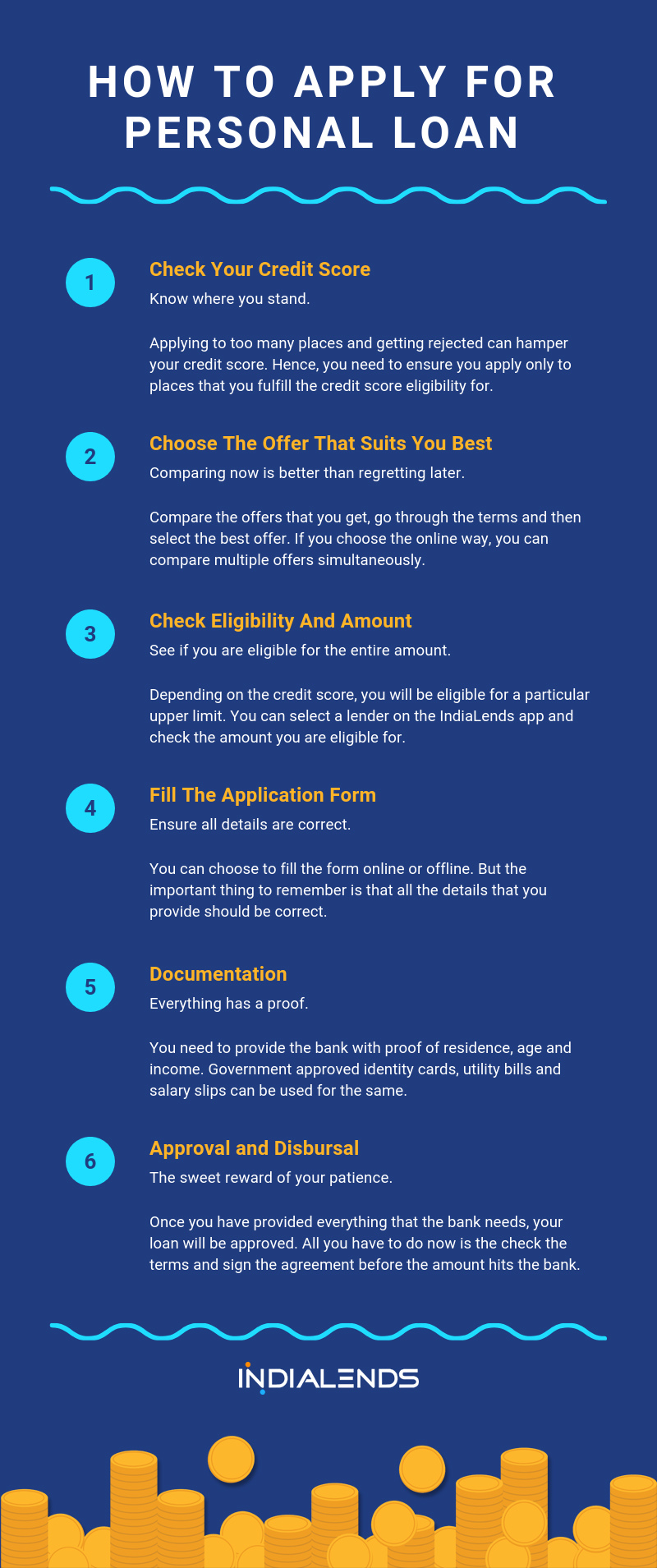
Applying for a personal loan is a significant financial decision. Thorough preparation can increase your chances of approval, secure better terms, and prevent future financial strain.
Assessing Your Financial Health (Credit Score, DTI)
Lenders primarily evaluate your creditworthiness.
- Credit Score: Your FICO or VantageScore is a crucial indicator. Lenders often have minimum score requirements. Obtain a free copy of your credit report from AnnualCreditReport.com and check your score. Dispute any errors. A higher score typically translates to lower interest rates.
- Debt-to-Income (DTI) Ratio: This ratio compares your total monthly debt payments to your gross monthly income. Lenders prefer a DTI below 36%, as it indicates you can comfortably manage additional debt.
Determining Your Loan Needs and Affordability
Before applying, precisely calculate how much money you need and, more importantly, how much you can realistically afford to repay each month. Don’t borrow more than necessary, as it will only increase your interest burden. Use online loan calculators to estimate monthly payments for various loan amounts and interest rates. Factor in your current budget and ensure the new payment won’t overstretch your finances.

Gathering Necessary Documentation
Lenders will require documentation to verify your identity, income, and financial stability. Common documents include:
- Government-issued ID (driver’s license, passport)
- Proof of income (pay stubs, tax returns, W-2s, 1099s)
- Bank statements
- Proof of residence (utility bill, lease agreement)
- Social Security Number
Having these ready streamlines the application process.
Understanding Loan Costs: APR, Fees, and Repayment Terms
Don’t just look at the interest rate. The Annual Percentage Rate (APR) is a more comprehensive measure, as it includes the interest rate plus any fees.
- Origination Fees: Some lenders charge an upfront fee for processing the loan, typically 1% to 8% of the loan amount, which can be deducted from the disbursed funds or added to the loan balance.
- Prepayment Penalties: While less common now, some loans may charge a penalty if you pay off the loan early.
- Late Payment Fees: Be aware of the charges for missed or late payments.
Always read the fine print to understand all potential costs associated with the loan.
The Application Process: From Submission to Approval
Once you’ve prepared and chosen your preferred lender type, the application process itself is the next step. While it varies slightly between lenders, a general framework applies.
Navigating Online vs. In-Person Applications
- Online: Most lenders, especially online-only platforms, offer fully digital applications. This often involves filling out an online form, uploading documents, and receiving a decision quickly.
- In-Person: Traditional banks and credit unions still offer in-person applications, where a loan officer guides you through the process, reviews documents, and answers questions. This can be beneficial for those who prefer personal assistance.
Many lenders also offer a “pre-qualification” option, which performs a soft credit pull (no impact on your credit score) to give you an idea of the rates and terms you might qualify for. This is an excellent way to shop around without commitment.
What Lenders Look For
Lenders assess several factors to determine your eligibility and the interest rate you’ll receive:
- Credit Score and History: A strong history of on-time payments and responsible credit use is paramount.
- Income and Employment Stability: Proof of a stable income source assures the lender of your ability to repay.
- Debt-to-Income (DTI) Ratio: A lower DTI indicates less financial strain.
- Existing Relationships: For banks and credit unions, being an existing customer might slightly improve your chances or offer special rates.
The Waiting Game: Approval and Funding Timeline
The timeline from application to funding can vary significantly:
- Online Lenders: Often provide instant decisions and can disburse funds within 1-2 business days.
- Traditional Banks/Credit Unions: May take several business days to a week or more for approval and funding, especially if manual review of documents is required.
Once approved, you’ll need to review and sign the loan agreement electronically or in person.
What to Do If Your Application is Denied
A denial isn’t the end of the road. Lenders are legally required to provide a reason for denial.
- Understand the Reason: Request the specific reasons for denial.
- Improve Your Credit: Address issues like high credit utilization, missed payments, or errors on your credit report.
- Reduce Debt: Lowering your DTI can improve your chances.
- Consider a Co-signer: If allowed by the lender, a co-signer with good credit can strengthen your application.
- Explore Secured Options: If you have collateral, a secured personal loan might be an option, though they come with risks.
Making the Right Choice: Factors to Consider When Comparing Offers
Once you’ve received offers from various lenders, the real work begins: comparing them diligently to ensure you select the best fit for your financial health.
Interest Rates and APR
This is arguably the most critical factor. The interest rate directly impacts your monthly payment and the total cost of the loan over its lifetime. Always compare the Annual Percentage Rate (APR), which includes all fees, for an accurate reflection of the total borrowing cost. Even a seemingly small difference in APR can save you hundreds or thousands of dollars over the loan term.
Fees and Penalties
Scrutinize all potential fees:
- Origination Fees: As discussed, these can significantly impact the effective loan amount received.
- Late Payment Fees: Understand the penalties for missed payments.
- Prepayment Penalties: Ensure you won’t be penalized if you decide to pay off your loan early. Opt for lenders who do not charge these if early repayment is a possibility for you.
Repayment Terms and Flexibility
Consider the loan term (e.g., 24 months, 36 months, 60 months).
- Shorter Terms: Lead to higher monthly payments but lower total interest paid.
- Longer Terms: Result in lower monthly payments but higher total interest paid over time.
Choose a term that offers a comfortable monthly payment while minimizing the overall cost. Also, check for flexibility options, such as the ability to change payment dates or defer a payment in an emergency (though this usually incurs interest).
Customer Service and Lender Reputation
A lender’s reputation for customer service can be invaluable, especially if you encounter issues during repayment.
- Read Reviews: Check online reviews from trusted sources like the Better Business Bureau (BBB), Trustpilot, or Consumer Reports.
- Evaluate Support Channels: See what support options are available (phone, email, chat, in-person).
- Transparency: A reputable lender will be transparent about all terms and conditions.
Reading the Fine Print: Understanding Your Loan Agreement
Never sign a loan agreement without thoroughly reading and understanding every clause. Pay close attention to:
- All fees and charges.
- The exact repayment schedule and amount.
- Default clauses and their implications.
- Any provisions regarding changes to terms.
If anything is unclear, ask questions until you are fully satisfied. It’s your financial future on the line.
In conclusion, securing a personal loan can be a strategic move to manage your finances, fund significant life events, or consolidate debt. By understanding the different types of lenders, preparing diligently for the application, and carefully comparing offers, you can confidently navigate the process and choose a personal loan that empowers your financial journey rather than burdens it. Always prioritize responsible borrowing and ensure the loan serves your long-term financial well-being.
aViewFromTheCave is a participant in the Amazon Services LLC Associates Program, an affiliate advertising program designed to provide a means for sites to earn advertising fees by advertising and linking to Amazon.com. Amazon, the Amazon logo, AmazonSupply, and the AmazonSupply logo are trademarks of Amazon.com, Inc. or its affiliates. As an Amazon Associate we earn affiliate commissions from qualifying purchases.