
Navigating the landscape of credit card applications can seem daunting, especially with the multitude of options available today. For anyone looking to secure their first credit card, upgrade an existing one, or simply understand the best avenues for application, identifying the right channel is crucial. This guide delves into the primary places where you can apply for a credit card, offering insights into each to help you make an informed decision within the realm of personal finance.
Understanding Your Credit Card Needs and Eligibility
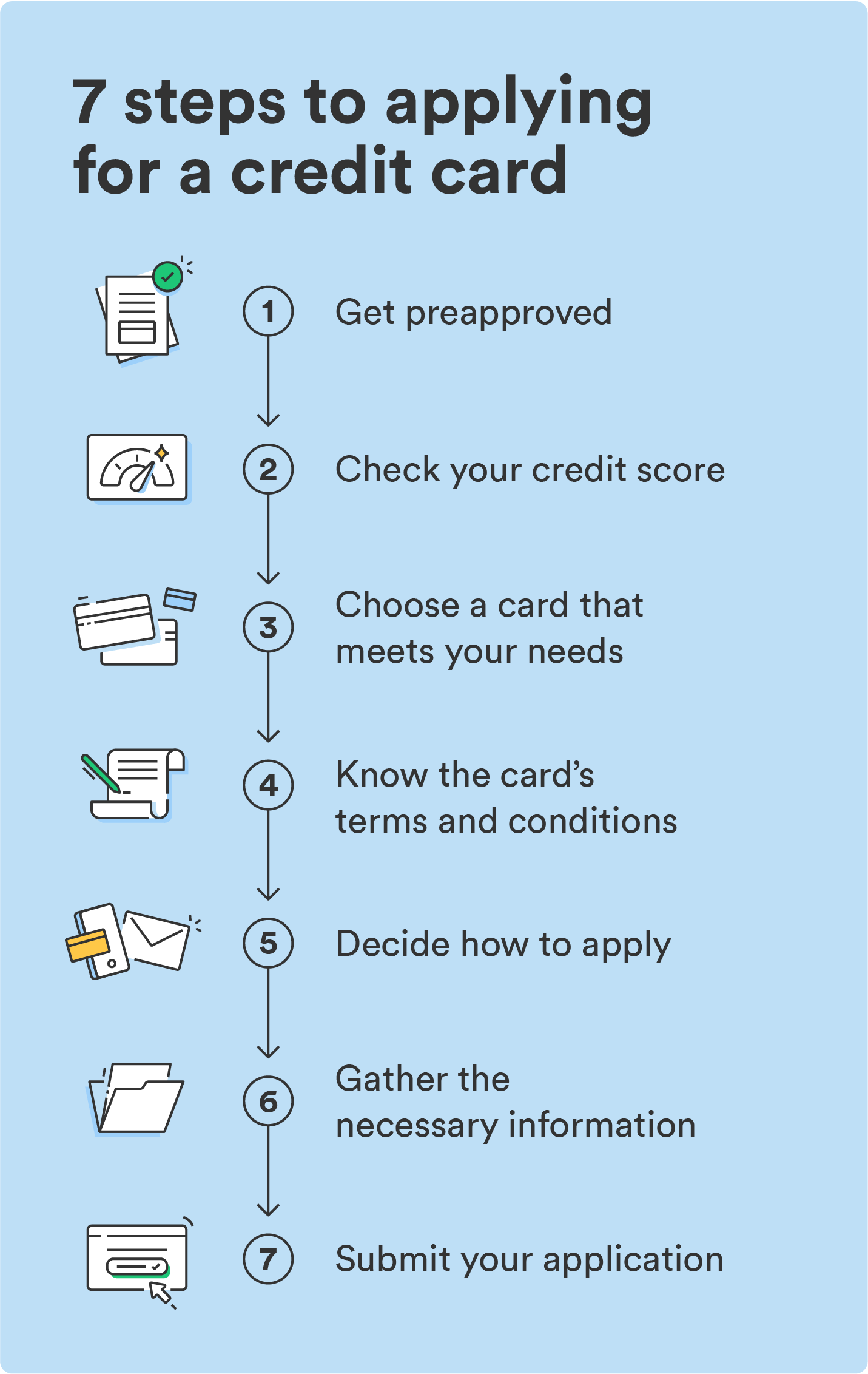
Before even considering where to apply, the most critical first step is to understand why you need a credit card and whether you meet the eligibility criteria. This foundational assessment will streamline your search and increase your chances of approval, saving you time and potential credit score dings from rejected applications.
Assessing Your Financial Profile
Your financial profile is the lens through which lenders view your creditworthiness. This includes your income, current debts, employment history, and most importantly, your credit score. If you’re new to credit, your profile might be thin, requiring different strategies. If you have a long credit history, assessing its health is key. Utilize free credit reporting services (like AnnualCreditReport.com) to review your credit reports for accuracy and identify areas for improvement before applying. Understanding your debt-to-income ratio – the percentage of your gross monthly income that goes toward paying your monthly debt payments – is also vital, as lenders use this to assess your ability to take on new debt.
Defining Your Credit Card Goals
Credit cards are not one-size-fits-all. They come with a dizzying array of features designed for different user needs. Do you want to earn rewards on everyday spending, like cashback or travel points? Are you looking to consolidate high-interest debt with a balance transfer card? Perhaps you’re a student or someone new to credit, seeking to build a positive credit history. Or maybe you need a card with a low interest rate for occasional emergencies. Clearly defining your primary goal will significantly narrow down the types of cards you should consider and, consequently, the best places to find them.
Key Factors Lenders Consider
Lenders evaluate several critical factors when you apply for a credit card:
- Credit Score: This is often the most significant factor. A higher score (generally 670 and above) indicates a lower risk and opens doors to premium cards with better rates and rewards. For those with lower scores, options like secured cards or credit builder cards are more suitable.
- Income: Lenders want to ensure you have a stable income to make payments. While there’s no fixed minimum, your reported income should be reasonable relative to the credit limit you’re seeking.
- Debt-to-Income Ratio (DTI): A low DTI indicates you have enough disposable income to handle new credit.
- Credit History Length: A longer history of responsible credit use is generally viewed favorably.
- Payment History: Consistent on-time payments across all your credit accounts are paramount.
Knowing these factors and where you stand will help you target cards for which you are genuinely qualified, rather than applying indiscriminately.
Traditional Application Channels
For decades, certain established channels have served as the primary gateways for credit card applications. These avenues remain highly relevant today, offering reliability and, often, personalized service.
Banks and Credit Unions (In-Branch and Online)
Your existing financial institution, whether a large national bank or a local credit union, is often an excellent starting point.
- Benefits: If you already have a checking or savings account with them, you have an established relationship. This can sometimes make the approval process smoother, as they already have some insight into your financial habits. They often offer competitive rates to existing customers and may even pre-approve you for certain cards. Applying in-branch provides the opportunity to speak directly with a financial advisor who can guide you through options and answer questions.
- Considerations: While convenient, their selection might be limited to their own product portfolio. Applying online through their website is usually quick and straightforward, often featuring digital tools to help you compare their offerings.
Direct Issuer Websites
Every major credit card issuer – think Chase, American Express, Capital One, Citibank, Discover, Wells Fargo, Bank of America – maintains its own dedicated website where you can explore their full range of credit card products and apply directly.
- Benefits: This is perhaps the most comprehensive way to view a specific issuer’s offerings. You can filter cards by rewards type, credit score requirement, intro APR offers, and more. Applying directly ensures you’re getting the most up-to-date terms and conditions straight from the source. Many issuers also offer “pre-qualification” tools on their sites, allowing you to check if you’re likely to be approved without a hard inquiry on your credit report.
- Considerations: You’ll need to visit multiple sites if you want to compare offers across different issuers, which can be time-consuming. However, once you’ve narrowed down an issuer, their direct site is the most reliable place to complete the application.
Mail Offers and Pre-Qualified Invitations
It’s common to receive credit card offers in your mailbox, sometimes even indicating “pre-qualified” or “pre-approved.”
- Benefits: These offers signify that the issuer has already conducted a soft credit inquiry and believes you meet their basic criteria. This increases your chances of approval if you apply through their specified method (usually an online portal or a dedicated phone number provided in the offer).
- Considerations: While convenient, always read the fine print. “Pre-qualified” does not guarantee approval; a full application and hard inquiry are still required. Also, ensure the terms of the offer are competitive and align with your financial goals, as not all pre-qualified offers are necessarily the best fit for you. Be wary of unsolicited offers that seem too good to be true, and always verify the legitimacy of the sender.
Online Aggregators and Comparison Sites
The digital age has brought forth powerful tools that simplify the credit card search process. Online aggregators and comparison sites have revolutionized how consumers find and apply for credit cards by bringing multiple offers into one centralized location.
How Comparison Sites Work
Websites like NerdWallet, Credit Karma, Bankrate, The Ascent, and CreditCards.com gather extensive databases of credit card offers from various issuers. They categorize these cards by features (cashback, travel, balance transfer, student, secured), credit score requirements (excellent, good, fair, limited/no credit), and issuer. Users can input their financial profile and preferences, and the sites will display a curated list of cards that match.
Benefits of Using Aggregators
- Comprehensive Comparison: The most significant advantage is the ability to compare numerous cards side-by-side, quickly evaluating interest rates, annual fees, reward structures, sign-up bonuses, and other perks across different issuers.
- Pre-qualification Tools: Many of these sites integrate “pre-qualification” or “pre-approval” checkers. By inputting some basic information, you can see which cards you’re likely to be approved for without impacting your credit score. This is invaluable for avoiding unnecessary hard inquiries.
- Educational Resources: Beyond just listings, these sites often provide in-depth reviews, guides, and financial advice related to credit cards, helping you understand the nuances of different products and responsible credit management.
- Streamlined Application: Once you select a card, these sites typically direct you to the issuer’s official application page, ensuring you’re applying through a legitimate channel.
Considerations When Using Third-Party Sites
While incredibly useful, there are a few things to keep in mind:
- Not All Cards are Listed: While comprehensive, no single comparison site lists every single credit card offer available. Some niche cards or special promotions might be missed.
- Affiliate Relationships: Many comparison sites earn commissions when users apply for cards through their links. This doesn’t necessarily mean bias, as reputable sites prioritize accuracy, but it’s worth being aware of.
- Information Lag: While usually updated frequently, there might be a slight delay in information updates, so always verify the terms on the issuer’s direct website before applying.
Specialized Options for Specific Situations
Not everyone fits the mold of applying for a traditional rewards card with excellent credit. Various specialized options exist to cater to unique financial circumstances and credit-building journeys.
Secured Credit Cards
- Purpose: Ideal for individuals with no credit history or poor credit who are looking to build or rebuild their credit score.
- How They Work: You provide a security deposit (e.g., $200-$500), which often becomes your credit limit. This deposit acts as collateral, reducing the risk for the lender. As you make on-time payments, the issuer reports your activity to credit bureaus, helping to establish or improve your credit.
- Where to Apply: Many major banks and credit unions offer secured cards. Online comparison sites also feature dedicated sections for these cards, making it easy to find options.
Student Credit Cards
- Purpose: Designed for college students who typically have little to no credit history.
- How They Work: These cards often come with lower credit limits and fewer perks than premium cards but serve as an excellent tool for students to begin building credit responsibly. Some may offer student-specific rewards or educational resources.
- Where to Apply: Major issuers like Discover, Capital One, and Chase frequently offer student-specific cards. University credit unions may also have tailored products. Online comparison sites often have a “student credit card” category.
Business Credit Cards
- Purpose: For small business owners who want to separate personal and business expenses, manage cash flow, and potentially earn rewards on business spending.
- How They Work: These cards are tied to your business, though approval often depends on your personal credit history and business revenue. They may offer higher credit limits, business-specific rewards (e.g., on office supplies, internet services), and expense tracking tools.
- Where to Apply: Most major banks and card issuers have a dedicated business banking division where you can apply for business credit cards. Online comparison sites also feature comprehensive sections for business credit cards.
Store/Retail Credit Cards
- Purpose: Often offered by specific retailers (e.g., Amazon, Target, Macy’s) to encourage loyalty and provide discounts or rewards for purchases within their brand.
- How They Work: These cards can sometimes be easier to qualify for than general-purpose credit cards, making them an option for those with fair credit. They typically offer discounts, special financing, or rewards points specific to the retailer.
- Where to Apply: You can apply for these cards directly at the point of sale in the store, through the retailer’s website, or sometimes through their banking partners (e.g., Synchrony Bank often issues store cards for various retailers).
- Considerations: While they offer immediate discounts, store cards often come with high interest rates and are generally only useful for purchases at that specific retailer, limiting their overall utility.
Navigating the Application Process and Post-Approval Steps
Once you’ve identified the right card and the best channel, the final steps involve submitting a robust application and then responsibly managing your new credit.
Required Documentation and Information
Regardless of where you apply, you’ll typically need to provide the following:
- Personal Information: Full legal name, date of birth, Social Security Number (SSN) or Individual Taxpayer Identification Number (ITIN).
- Contact Information: Current address, phone number, and email.
- Employment and Income Information: Employer’s name, occupation, annual gross income (from all sources), and sometimes household income.
- Housing Information: Monthly rent or mortgage payment.
- Existing Bank Account Information: For identity verification and sometimes for setting up autopay.
Ensure all information is accurate and consistent with your credit report and tax documents to avoid delays or rejections.
Understanding Application Status and Decisions
After submitting your application, you might receive an instant decision, or it could take a few business days.
- Instant Approval: Common for those with strong credit profiles matching the card’s requirements.
- Pending/Review: The issuer needs more time to review your application, perhaps to verify information or assess your full financial picture. You might receive a request for additional documentation.
- Denial: If denied, the issuer is legally required to send you an Adverse Action Notice explaining the specific reasons for the denial. This is valuable feedback to understand what areas of your financial profile need improvement. You can often call the reconsideration line to appeal the decision, especially if you can provide additional context or information.

Responsible Credit Card Usage After Approval
Getting approved is just the beginning. Responsible usage is paramount for building a positive credit history and leveraging the benefits of your card:
- Pay On Time, Every Time: This is the most crucial factor for your credit score. Set up automatic payments to avoid missing due dates.
- Keep Utilization Low: Aim to keep your credit utilization ratio (the amount of credit you’re using compared to your total available credit) below 30%, ideally even lower.
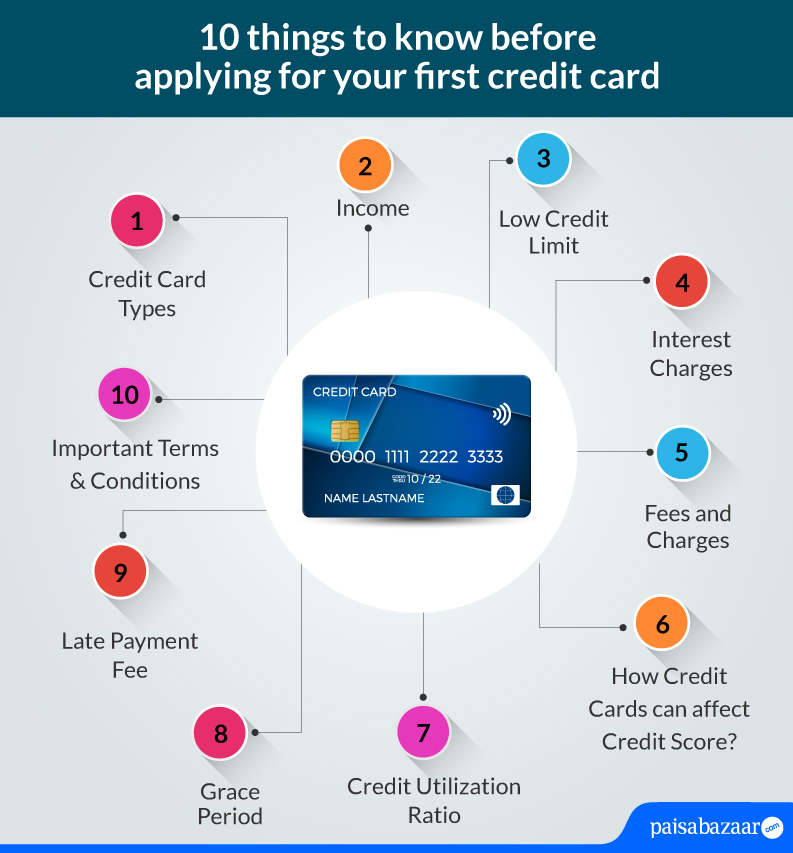
- Understand Your Card’s Terms: Be aware of your interest rate, annual fees, grace period, and any specific terms for rewards or benefits.
- Review Statements Regularly: Check for unauthorized charges and ensure all transactions are accurate.
By carefully considering your needs, exploring the various application channels, and committing to responsible usage, a credit card can become a powerful financial tool that enhances your purchasing power, builds your creditworthiness, and unlocks valuable rewards.
aViewFromTheCave is a participant in the Amazon Services LLC Associates Program, an affiliate advertising program designed to provide a means for sites to earn advertising fees by advertising and linking to Amazon.com. Amazon, the Amazon logo, AmazonSupply, and the AmazonSupply logo are trademarks of Amazon.com, Inc. or its affiliates. As an Amazon Associate we earn affiliate commissions from qualifying purchases.