
Cash App has become an indispensable financial tool for millions, facilitating everything from peer-to-peer payments to investment opportunities. Understanding the various methods to fund your Cash App balance is crucial for effective personal finance management, ensuring you can seamlessly execute transactions, send money, or manage your digital wallet. Each method offers distinct advantages, costs, and levels of convenience, making the choice dependent on your immediate financial needs and preferences.
Connecting Your External Accounts for Digital Transfers
The most common and often most convenient way to add money to your Cash App balance is by linking an external bank account or debit card. This method integrates Cash App into your broader financial ecosystem, allowing for quick transfers of funds from your primary bank account into your digital wallet. The distinction between using a debit card versus a full bank account often revolves around transaction speed and associated fees.
Linking a Debit Card for Instant Funding
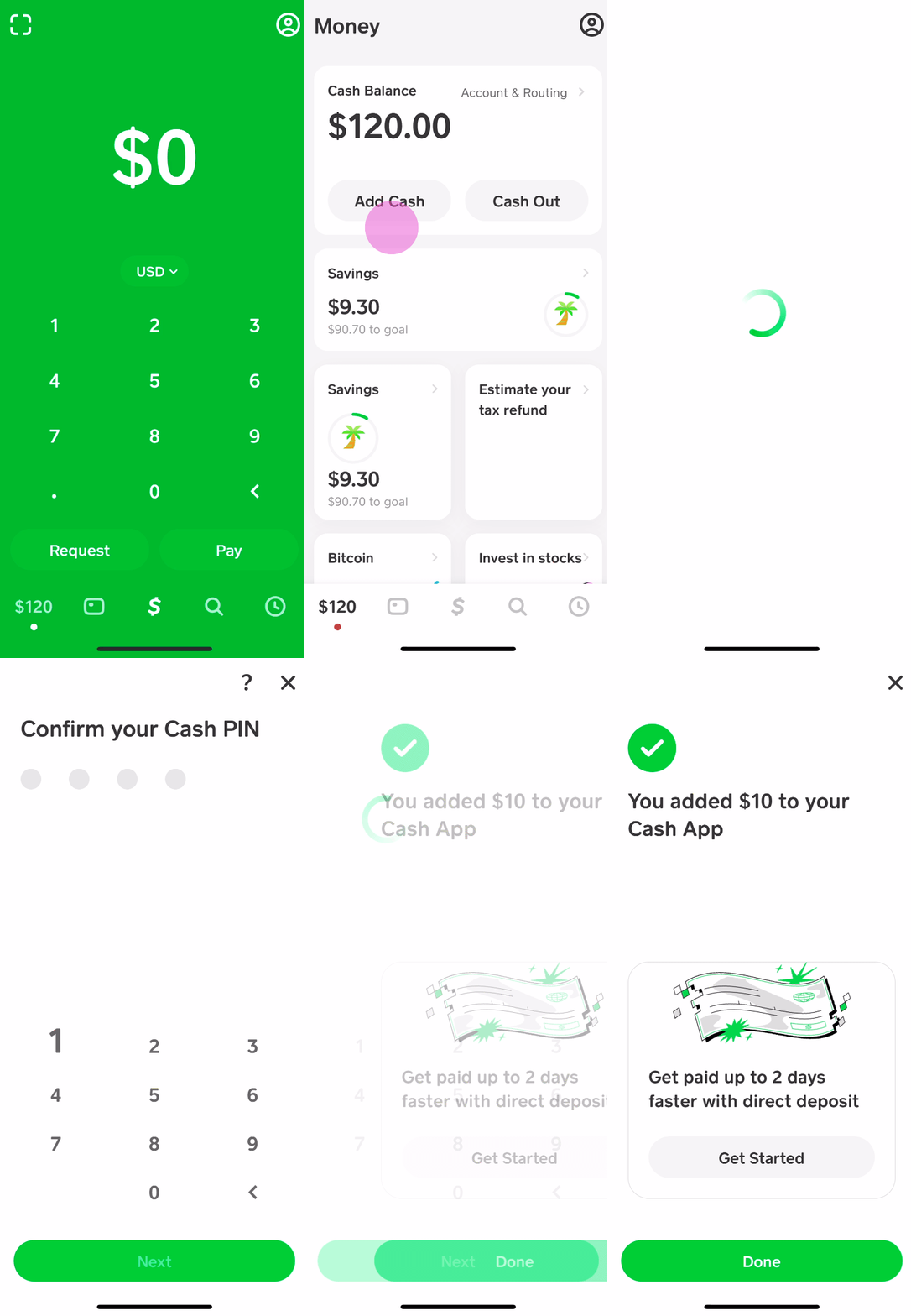
Linking a debit card to your Cash App account enables instant transfers. When you choose to “Add Cash” from a linked debit card, the funds are typically available in your Cash App balance within moments. This immediacy is invaluable for urgent payments, sudden expenses, or when you need to top up your balance on the go. However, it’s important to note that while adding funds from a debit card is often free, some banks or Cash App itself might levy a small fee for instant transfers in certain scenarios, particularly when linking specific card types. Most standard Visa, MasterCard, American Express, and Discover debit cards are compatible. This method is ideal for quick, smaller top-ups for daily spending or immediate peer-to-peer transactions.
Linking a Bank Account for Standard Transfers
For larger transfers or for those who prefer a more traditional financial linkage, connecting your bank account directly via its routing and account numbers is an option. While adding funds directly from a linked bank account might not always offer the same instant gratification as a debit card (transfers can sometimes take 1-3 business days to clear), it is typically a free service for standard transfers. This method is often preferred for moving more significant sums or for regular top-ups that aren’t time-sensitive. It integrates Cash App more deeply into your primary banking operations, making it easier to manage your overall financial liquidity. Ensure the bank account is in your name to avoid complications, and always double-check the routing and account numbers during setup to prevent delays or misdirected funds.
Understanding Transfer Limits and Fees
Whether you’re using a debit card or a bank account, Cash App imposes certain limits on how much money you can add to your balance within a specific timeframe. These limits are typically tiered, starting lower for unverified accounts and increasing significantly once your identity is verified (usually by providing your full name, date of birth, and the last four digits of your Social Security Number). It’s crucial for financial planning to be aware of these limits, especially if you anticipate large transactions or frequent top-ups. While adding cash to Cash App is generally free from your linked bank account, and often from a debit card, always review the explicit terms and any potential charges before initiating a transfer, especially for expedited services. These fees, though small, can accumulate and impact your overall financial management if not accounted for.
Utilizing Physical Locations for Cash Deposits
For individuals who primarily deal in physical cash, Cash App provides a convenient option to convert tangible currency into a digital balance. This method bridges the gap between traditional cash transactions and the digital payment ecosystem, ensuring that Cash App remains accessible even without a direct bank link or for those who prefer cash-based income.
Participating Retailers and Process
Cash App has partnered with various retail stores across the United States to facilitate cash deposits. Popular participating locations often include Walmart, Walgreens, CVS, 7-Eleven, and Dollar General, among others. The process is straightforward:
-
Locate a Participating Retailer: Use the Cash App map feature or consult their support documentation to find the nearest store that offers Cash App deposits.
-
Generate a Barcode: Within the Cash App, navigate to the “Add Cash” option and select the “Deposit Paper Money” feature. This will generate a unique barcode.
-
Present Barcode and Cash: At the cashier, present your smartphone with the generated barcode and the cash you wish to deposit. The cashier will scan the barcode and accept your money.
-
Confirm Deposit: The funds are typically added to your Cash App balance instantly, or within a few minutes, after the transaction is completed at the register. You’ll receive a confirmation within the app.
This service is particularly beneficial for those who receive income in cash, like tips from service jobs, or who simply prefer to manage physical cash before digitizing it for online payments or transfers.
Fees and Convenience Considerations
While immensely convenient, cash deposits at retail locations often come with a small service fee. This fee is charged by the retailer for processing the transaction and is usually a fixed amount per deposit, regardless of the sum. It’s essential to factor this into your financial calculations, especially if you plan to make frequent or small cash deposits, as the fees can quickly diminish the value of your funds.
Another consideration is the daily or weekly limit imposed on cash deposits. These limits can vary by retailer and are in addition to Cash App’s own internal limits. Always check the current limits within the app or with the retailer directly before heading to a store with a large sum of cash. Despite the fees, this method offers a crucial gateway for unbanked individuals or those relying heavily on cash to access the benefits of a digital wallet, fostering greater financial inclusion.
Receiving Funds from Others: Peer-to-Peer and Direct Deposit
Cash App isn’t just a platform for adding your own money; it’s also a robust system for receiving funds from various sources, making it a powerful tool for managing income, personal transfers, and even government benefits. Leveraging these receiving capabilities is a cornerstone of utilizing Cash App for comprehensive financial management.
Peer-to-Peer Payments from Other Cash App Users
The core functionality of Cash App lies in its peer-to-peer (P2P) payment system. Any user can send money instantly to another Cash App user using their $Cashtag, phone number, or email address. When someone sends you money via Cash App, it automatically appears in your balance. This is arguably the most frequent way users add funds to their accounts, making it ideal for splitting bills, receiving money from friends or family, or getting paid for small tasks. The speed and simplicity of P2P transfers underscore Cash App’s utility as a modern financial communication tool.
Setting Up Direct Deposit for Paychecks and Benefits
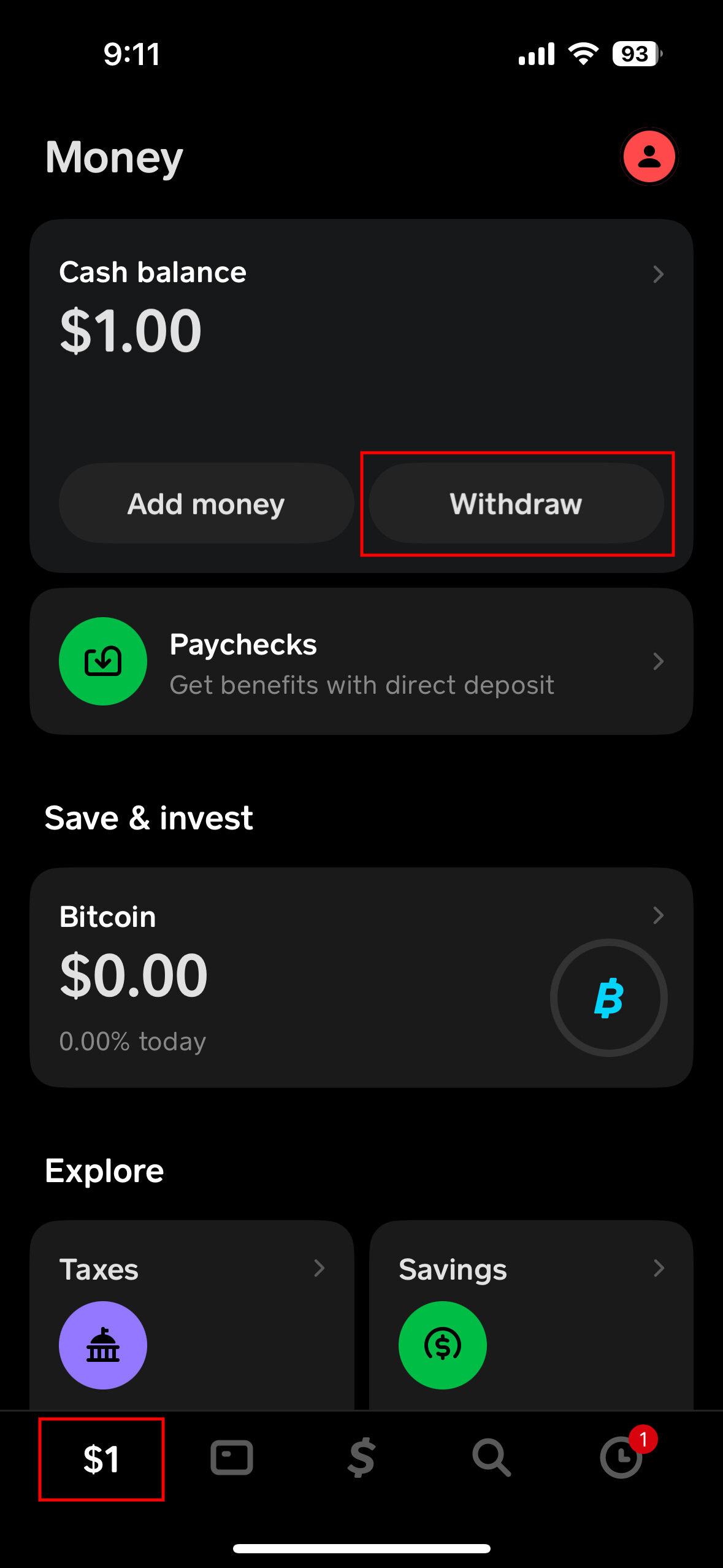
A significant feature for robust financial management is Cash App’s ability to receive direct deposits. By providing your employer or benefits provider with your unique Cash App routing and account numbers (found in the “Banking” or “Money” tab within the app), you can have your paychecks, government benefits (like Social Security or unemployment), or tax refunds deposited directly into your Cash App balance. This transforms Cash App from a simple P2P app into a primary banking alternative for many.
Benefits of using direct deposit include:
-
Faster Access: Funds from direct deposits often become available sooner than traditional bank deposits, sometimes up to two days earlier.
-
Convenience: Eliminates the need for physical checks or bank visits, streamlining the process of receiving regular income.
-
Financial Control: Allows you to consolidate a portion or all of your income directly into Cash App, making it easier to manage spending, send money, or use other Cash App features like investing or Cash Card spending.
For individuals without traditional bank accounts, or those looking for a simplified financial hub, direct deposit to Cash App offers a compelling solution for managing regular income streams.
Receiving Money from Non-Cash App Users
While Cash App excels at P2P transfers between its users, you can also receive money from individuals or entities that don’t use Cash App. If someone needs to send you money and they are using an external bank account, they can initiate an Automated Clearing House (ACH) transfer to your Cash App routing and account numbers. This functions similarly to a direct deposit but is initiated by the sender from their bank. This method is less common for casual transfers but is useful for receiving payments from businesses, clients, or specific financial institutions that prefer ACH transfers. It effectively broadens the scope of who can fund your Cash App, reinforcing its role as a versatile financial receiving platform.
Beyond Basic Deposits: Strategic Uses for Loading Funds
Integrating Cash App into a broader financial strategy involves more than just depositing money; it’s about using its functionalities to support specific financial goals. From budgeting to managing various income streams, strategically adding money to your Cash App can enhance your overall financial organization.
Allocating Funds for Specific Spending (Budgeting with Cash App)
For those who struggle with overspending, using Cash App as a dedicated spending wallet can be an effective budgeting tool. By adding a specific amount of money to your Cash App for discretionary spending categories (e.g., entertainment, dining out, impulse purchases), you create a clear boundary. Once those funds are exhausted, you know to stop spending in that category until your next allocation. This method works particularly well with the Cash Card, allowing you to separate your “main” bank account funds from your “Cash App budget.” It provides a tangible way to stick to spending limits without complex spreadsheet tracking, offering immediate feedback on your budget adherence.
Managing Side Hustle Income
Cash App is an excellent platform for individuals engaged in side hustles or freelance work. Whether you’re paid instantly via P2P for a small gig or receive direct deposits from platforms that support it, centralizing this income in Cash App simplifies tracking and management. You can easily see your earnings accumulate, and then decide whether to transfer them to a savings account, use them for immediate expenses via the Cash Card, or allocate them towards Cash App’s investing features. This streamlined approach helps differentiate side income from primary earnings, making it easier to analyze profitability and manage cash flow for entrepreneurial endeavors.
Emergency Fund Contributions (Small, Regular Top-ups)
While not a replacement for a high-yield savings account, Cash App can serve as a conduit for micro-contributions to an emergency fund or a specific savings goal. Setting up small, recurring transfers from your linked bank account to your Cash App can be a painless way to build up a reserve. For instance, you could automate a $5 or $10 transfer every week. This “set it and forget it” approach, combined with the ease of access via Cash App, can foster a consistent savings habit. While direct transfers to a dedicated savings account are generally recommended for long-term growth, using Cash App for short-term, accessible emergency funds or specific smaller goals offers flexibility and a psychological boost as you watch your balance grow.
Optimizing Your Cash App Experience for Financial Management
Maximizing the utility of Cash App as a financial tool extends beyond merely adding funds; it involves employing best practices for security, monitoring, and integrating the app into your broader financial landscape for optimal control and insight.
Security Best Practices When Adding Funds
Security is paramount when dealing with any financial application. When adding money to Cash App:
-
Use Strong, Unique Passwords: Ensure your Cash App login credentials are robust and not reused on other platforms.
-
Enable Two-Factor Authentication (2FA): This adds an extra layer of security, requiring a code from your phone in addition to your password for login or large transactions.
-
Beware of Scams: Be vigilant about phishing attempts, fake customer support, or requests for your login information. Cash App will never ask for your PIN or full sign-in code.
-
Only Link Accounts You Control: Connect only bank accounts and debit cards that are legitimately in your name and under your direct control.
-
Monitor Transactions Regularly: Keep an eye on your activity feed for any unauthorized transactions after adding funds. Report suspicious activity immediately.
Adhering to these practices safeguards your money and personal information, ensuring peace of mind while using the platform.
Monitoring Your Cash App Balance and Transactions
Effective financial management hinges on clear visibility. Regularly check your Cash App balance and transaction history. The app’s interface provides an intuitive way to review all incoming and outgoing funds, allowing you to track spending, confirm deposits, and identify any discrepancies quickly. This proactive monitoring helps in staying within your budget, reconciling statements, and detecting potential errors or fraudulent activities before they escalate. Think of your Cash App activity feed as a mini-bank statement, offering real-time insights into your digital cash flow.

Integrating Cash App into Your Broader Financial Strategy
For many, Cash App is more than just a payment app; it’s a component of a larger financial ecosystem. To fully optimize its use:
-
Complement Traditional Banking: Use Cash App for specific purposes (e.g., peer-to-peer, budgeting for discretionary spending, side hustle income) while maintaining your primary banking relationship for larger savings, investments, and more complex financial products.
-
Leverage Investing Features: Consider using the funds you add to Cash App to explore its stock and Bitcoin investing features, aligning with your long-term financial goals.
-
Utilize the Cash Card: Integrate the Cash Card into your daily spending habits to access your Cash App balance directly, making it easier to manage specific budgets or utilize “boosts” for savings.
-
Regularly Review and Adjust: Periodically assess how Cash App fits into your overall financial plan. Are the methods you use for adding money still the most efficient? Is the amount you keep in Cash App optimal for your needs?
By strategically integrating Cash App and understanding all the ways to add money, you empower yourself with a versatile tool that supports your personal finance objectives, from daily spending to long-term financial growth.
aViewFromTheCave is a participant in the Amazon Services LLC Associates Program, an affiliate advertising program designed to provide a means for sites to earn advertising fees by advertising and linking to Amazon.com. Amazon, the Amazon logo, AmazonSupply, and the AmazonSupply logo are trademarks of Amazon.com, Inc. or its affiliates. As an Amazon Associate we earn affiliate commissions from qualifying purchases.