
In the landscape of modern technology, Tesla stands as more than just an automotive manufacturer; it is a software-driven hardware company that has fundamentally redefined how complex machines are built. The question of “where Tesla cars are made” is not merely a matter of geography, but a study in advanced robotics, vertical integration, and the evolution of the “machine that builds the machine.” By analyzing Tesla’s global production hubs, we gain insight into a technological ecosystem that prioritizes iterative software deployment and hardware efficiency at a scale previously thought impossible.
The Gigafactory Concept: Engineering the Machine That Builds the Machine
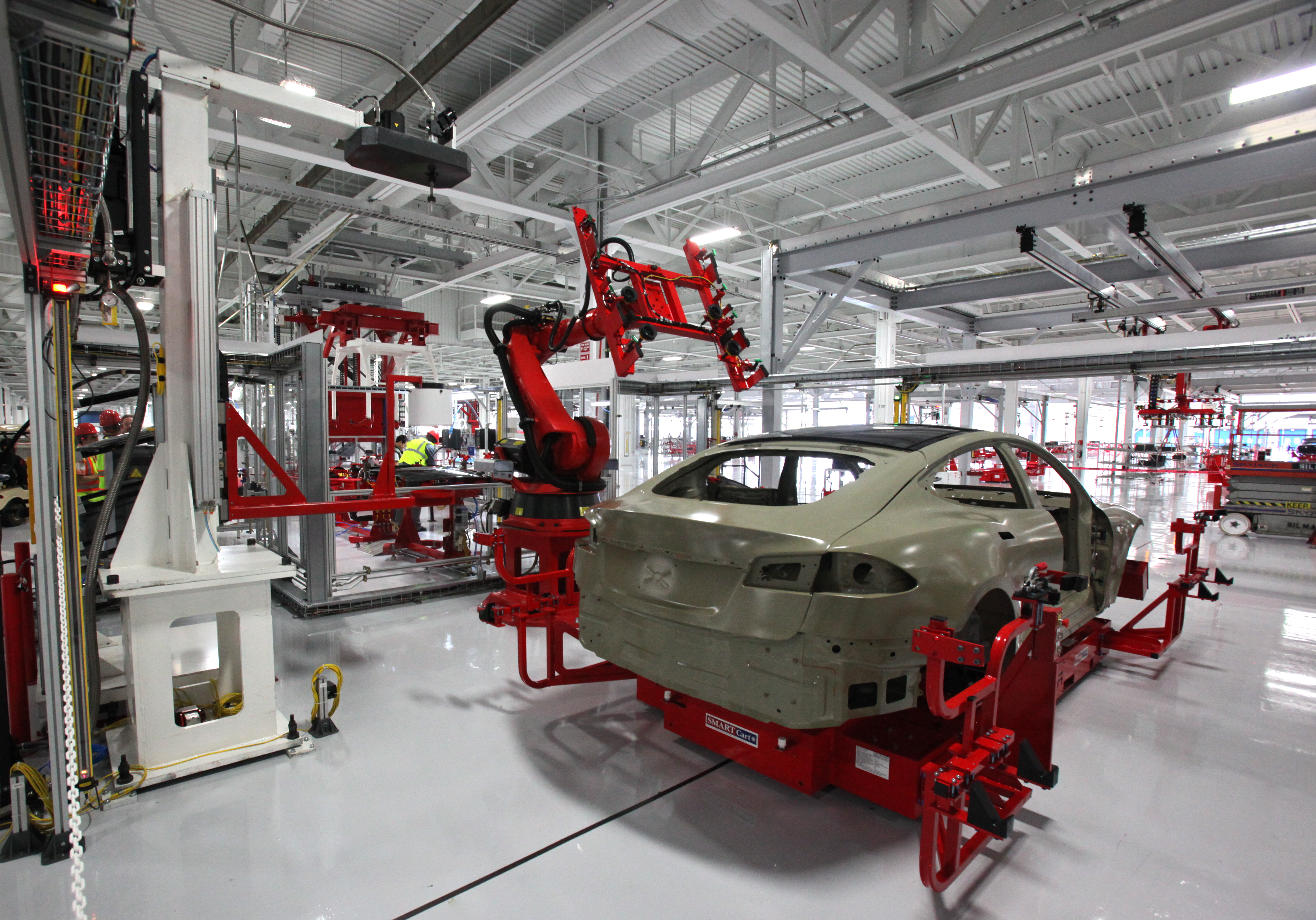
At the heart of Tesla’s manufacturing prowess is the “Gigafactory” concept. Unlike traditional automotive plants that rely on a sprawling network of third-party suppliers, Tesla’s Gigafactories are designed as integrated technological organisms. This approach allows for a “first principles” engineering methodology, where the factory itself is treated like a complex product that can be optimized through software and architectural iteration.
Vertical Integration and Software-Driven Production
One of the primary tech drivers in Tesla’s manufacturing is vertical integration. While legacy automakers often outsource up to 80% of their components, Tesla designs and manufactures a vast majority of its hardware in-house, including electric motors, power electronics, and battery packs. This allows for seamless communication between the software that runs the car and the machines that build it. When a software update requires a hardware adjustment, the feedback loop is instantaneous, allowing for real-time improvements on the assembly line.
The Shift Toward “Unboxed” Manufacturing
Tesla is currently transitioning toward what it calls the “Unboxed Process.” Traditionally, cars move down a linear assembly line where parts are added sequentially. Tesla’s high-tech alternative involves working on separate sub-assemblies simultaneously in dedicated areas—much like modular software development—and only bringing them together at the final stage. This technology reduces the factory footprint and increases throughput, leveraging advanced robotics to handle high-precision docking of large vehicle components.
North American Powerhouses: Fremont, Nevada, and the Texas Nexus
Tesla’s manufacturing journey began in the United States, and the region remains the primary incubator for its most advanced hardware innovations. Each facility serves as a specific node in a tech network that balances legacy adaptation with ground-up innovation.
Fremont Factory: The Silicon Valley Legacy
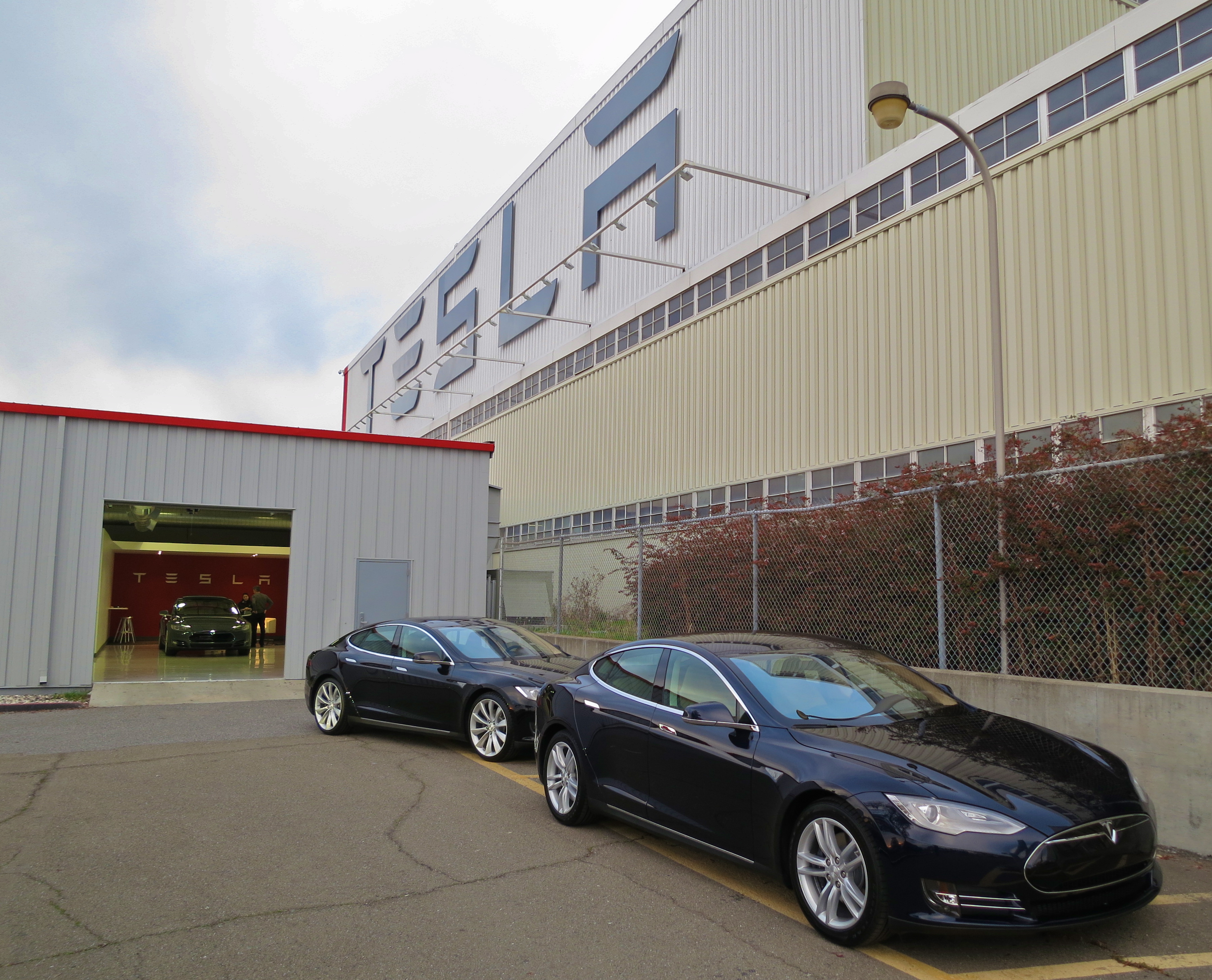
Located in California, the Fremont factory is unique as it is the only Tesla plant not built from scratch by the company. Despite its older architecture, it serves as a high-tech laboratory where new models—like the Model S, X, 3, and Y—are first refined. Here, Tesla integrates complex automation stacks into a legacy footprint, proving that software optimization can breathe new life into older hardware environments.
Giga Nevada: The Heart of Battery Technology
The Gigafactory in Sparks, Nevada, is a joint venture with Panasonic and represents the pinnacle of energy storage technology. It doesn’t produce cars; it produces the “fuel” that drives them. The facility focuses on high-volume production of lithium-ion battery cells and electric motors. The tech at Giga Nevada is centered on chemical engineering and automated cell assembly, ensuring that the energy density of Tesla’s battery packs remains at the cutting edge of the industry.
Giga Texas: The Home of the Giga Press
The headquarters in Austin, Texas, is perhaps the most technologically advanced factory in the world. Giga Texas is the birthplace of the Cybertruck and the primary site for the “Giga Press”—a massive die-casting machine that produces large single-piece sections of the car’s underbody. By replacing hundreds of individual parts with a single cast, Tesla uses materials science to reduce weight, increase safety, and simplify the robotic assembly process.
International Hubs: Bridging the Tech Gap in Shanghai and Berlin
To achieve global dominance, Tesla exported its manufacturing technology to key markets, optimizing each new factory based on the lessons learned from the previous ones. These international sites demonstrate Tesla’s ability to localize high-tech production at an unprecedented speed.
Giga Shanghai: The Blueprint for Efficiency
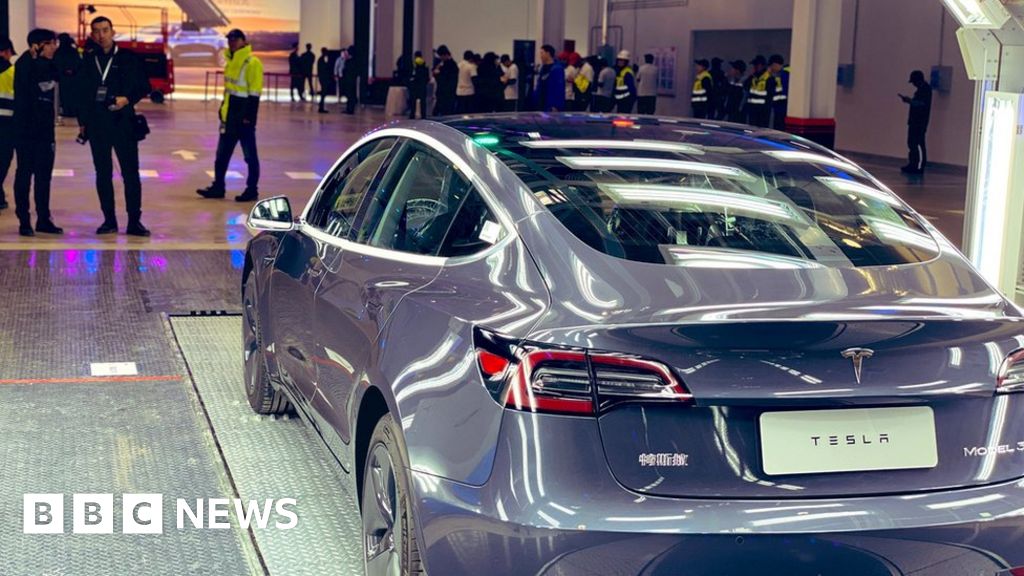
Giga Shanghai is a marvel of industrial engineering. Built in less than a year, it serves as Tesla’s primary export hub. The technology here is focused on extreme efficiency and high-speed robotic workflows. Shanghai was the first to implement the “simplified” Model 3 assembly line, which utilized fewer robots but higher-precision software controls to achieve the lowest production cost per vehicle in the fleet. This facility proves that Tesla’s manufacturing tech stack is highly portable and scalable.
Giga Berlin-Brandenburg: Advanced Paint and Structural Tech
Located in the heart of the European automotive industry, Giga Berlin represents a leap forward in sustainable manufacturing tech. Berlin features Tesla’s most advanced paint shop, utilizing proprietary chemical application technology to create multi-layered colors that were previously only possible in custom shops. Furthermore, Berlin is at the forefront of the structural battery pack integration, where the battery cells are not just a power source but a core part of the car’s physical structure, improving rigidity and performance through advanced structural engineering.
The “Machine That Builds the Machine”: AI and Robotics on the Factory Floor
Tesla’s factories are increasingly becoming autonomous environments. The same AI principles that drive Tesla’s “Full Self-Driving” (FSD) software are applied to the robots on the factory floor. This creates a synergy between the product and the production line.
The Role of Tesla Bot (Optimus) in Manufacturing
While still in development, the Tesla Bot (Optimus) is designed to eventually integrate into the Gigafactory environment. The goal is for these humanoid robots to perform repetitive, dangerous, or high-precision tasks that current stationary robots cannot manage. This represents the ultimate tech goal: a factory where the workforce is as programmable and modular as the car’s firmware.
Precision Robotics and Vision Systems
Unlike traditional factories that use “dumb” robots following fixed paths, Tesla’s newer lines utilize vision-based systems. These robots use cameras and neural networks to “see” the parts they are handling. This allows for greater flexibility; if a part is slightly misaligned, the robot can adjust in real-time using AI, rather than halting the assembly line. This tech-heavy approach significantly reduces downtime and increases the overall yield of the manufacturing process.
Digital Security and the Connected Ecosystem of Tesla Production
In a factory environment where everything is connected, digital security and data management are as vital as the physical assembly. Tesla’s manufacturing process is governed by a custom-built Operating System (OS) that monitors every bolt tightened and every software flash performed on the assembly line.
Real-Time Data Monitoring and Telemetry
Every vehicle produced by Tesla generates a massive amount of data before it even leaves the factory. During the “End of Line” (EOL) testing, the car’s onboard computer communicates with the factory’s central servers to ensure every subsystem is functioning correctly. This digital twin technology allows engineers to spot manufacturing defects in real-time by analyzing data trends across thousands of vehicles, enabling a level of quality control that is driven by big data rather than manual inspection.
Over-the-Air (OTA) Readiness
A critical part of the “making” of a Tesla car is the initial software load. Unlike other vehicles that are “finished” when they leave the plant, a Tesla is designed to evolve. The manufacturing tech ensures that every car is equipped with the necessary gateway and security protocols to receive Over-the-Air updates. This means the factory is responsible for installing a secure digital foundation that allows the car’s features—from range optimization to autonomous capabilities—to be improved remotely for years to come.
Conclusion: The Future of Tech-Driven Manufacturing
Tesla’s answer to “where are Tesla cars made” is a moving target because the company is constantly expanding its digital and physical footprint. From the high-speed lines in Shanghai to the massive casting presses in Texas, the focus remains on leveraging technology to solve the complexities of mass production.
By treating the factory as a software-defined product, Tesla has bypassed the limitations of traditional manufacturing. The integration of AI, massive-scale robotics, and proprietary battery technology ensures that wherever a Tesla is made, it is the result of a sophisticated technological stack that is as advanced as the vehicle itself. As the company eyes new locations in Mexico and beyond, the “Gigafactory” will continue to evolve, likely moving toward a future of total automation and software-integrated hardware assembly that will set the standard for the next century of technological progress.
aViewFromTheCave is a participant in the Amazon Services LLC Associates Program, an affiliate advertising program designed to provide a means for sites to earn advertising fees by advertising and linking to Amazon.com. Amazon, the Amazon logo, AmazonSupply, and the AmazonSupply logo are trademarks of Amazon.com, Inc. or its affiliates. As an Amazon Associate we earn affiliate commissions from qualifying purchases.