
In an era dominated by contactless payments, mobile wallets, and digital banking apps, the physical check remains a cornerstone of the American financial system. Whether you are setting up a direct deposit for a new job, authorizing an automated clearing house (ACH) payment for your mortgage, or simply transferring funds between accounts, you will inevitably be asked for your routing number. For many, looking at a paper check can feel like deciphering an ancient code. However, understanding the anatomy of a check is a fundamental skill in personal finance management that ensures your money moves accurately and securely through the global banking network.
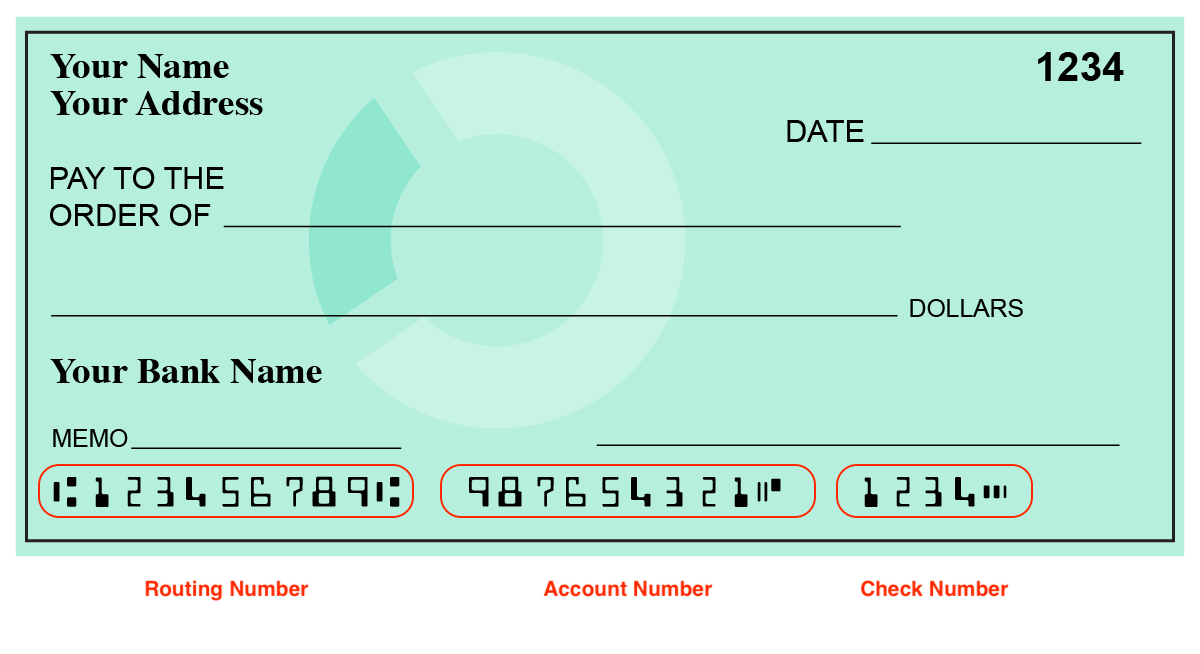
Locating the routing number is the first step in bridges the gap between traditional paper-based transactions and modern digital finance. This nine-digit code serves as the primary “address” for your financial institution, telling the Federal Reserve and other banks exactly where to send or pull funds.
Identifying the Sequence: The Layout of a Standard Personal Check
When you hold a standard personal or business check, your eyes are naturally drawn to the center where you write the recipient’s name and the amount. However, for the purposes of financial transactions and digital setup, the most important information is located at the very bottom of the document. This string of numbers is printed in a special font using Magnetic Ink Character Recognition (MICR) technology, which allows high-speed processing machines at banks and clearinghouses to read the data even if the check is slightly crumpled or stained.
The Bottom Row: The MICR Line
The MICR line is the sequence of numbers and symbols at the bottom of your check. It typically consists of three distinct sets of numbers. Depending on the bank, the order may vary slightly, but the vast majority of personal checks in the United States follow a standardized format. Understanding the spacing and the unique symbols (often looking like brackets or colons) is key to identifying which number is which.
Position One: The Routing Number
On almost all personal checks, the routing number is the first set of nine digits located on the far left-hand side of the MICR line. It is always nine digits long and is bracketed by a specific symbol known as the “transit symbol.” This symbol looks like a vertical line with two squares to its left. If you see a nine-digit number flanked by these symbols, you have successfully located your routing number.
Position Two: The Account Number
To the right of the routing number is the account number. Unlike the routing number, which is the same for every customer at your specific bank or branch, your account number is unique to you. It identifies your specific checking or savings account within the institution. Account numbers vary in length—some are as short as eight digits, while others can be up to 17 digits long. This number is usually followed by an “on-us” symbol, which looks like a vertical line and a square.
Position Three: The Check Number
The final set of numbers on the far right is the check number. This should match the number printed in the top right-hand corner of the check. It is used for your personal record-keeping and allows the bank to track which specific check has been processed to prevent duplicate payments.
Decoding the Routing Transit Number (RTN)
The routing transit number (RTN) is more than just a random string of digits. It is a highly structured identifier regulated by the American Bankers Association (ABA). Developed in 1910, the ABA routing number system was designed to simplify the sorting and shipment of paper checks. While we have moved into the digital age, the logic behind these nine digits remains the backbone of the U.S. payments system.
The History of the ABA Number
Before the implementation of routing numbers, the process of clearing a check was cumbersome and prone to error. Banks had to manually sort checks and find the specific institution responsible for payment. The ABA introduced the routing number to assign a unique identity to every state-chartered and federally-chartered financial institution that holds an account at a Federal Reserve Bank. Today, there are over 25,000 unique routing numbers in use.
What the Nine Digits Actually Represent
If you break down the nine digits of a routing number, you can see the geographical and institutional data embedded within:
-
The first two digits: These indicate the Federal Reserve district where the bank is located. For example, numbers starting with “01” are in the Boston district, while “12” belongs to the San Francisco district.
-
The third digit: This identifies the specific Federal Reserve check processing center assigned to the bank.
-
The fourth digit: This distinguishes the type of institution (e.g., a thrift institution or a commercial bank).
-
Digits five through eight: This is the unique identifier for the specific bank or credit union.
-
The ninth digit: This is known as the “check digit.” It is calculated using a complex mathematical formula involving the first eight digits. This allows banking software to instantly verify if a routing number is valid or if a typo has occurred during data entry.
Distinguishing Between Routing and Account Numbers

One of the most common mistakes in personal finance is swapping the routing number for the account number when filling out forms. While they look similar at the bottom of a check, they serve entirely different functions in the movement of capital.
The “Address” vs. the “Specific Mailbox”
A helpful analogy for understanding the difference is to think of the banking system like a postal service. The routing number is the ZIP code. It tells the “mail carrier” (the Federal Reserve or the ACH network) which city and post office the “letter” (the money) needs to go to. However, the ZIP code alone isn’t enough to deliver the letter to the right person.
The account number is the specific street address and apartment number. Once the money arrives at the correct bank (thanks to the routing number), the account number tells the bank exactly which customer’s “mailbox” to drop the funds into. To successfully move money, you must have both the correct “ZIP code” and the correct “street address.”
When to Use Each Number
You will need your routing number for any transaction that involves an external entity interacting with your bank. This includes:
-
Setting up “Pay by Phone” services for utilities.
-
Connecting your bank account to a third-party investment platform or brokerage.
-
Authorizing the IRS to send your tax refund via direct deposit.
-
Applying for a small business loan where the lender needs to verify your cash flow.
In contrast, you use your account number primarily for internal tracking and for the final step of the deposit or withdrawal. It is the more sensitive of the two numbers; while routing numbers are public information (you can often find your bank’s routing number on their public website), your account number must be kept private to prevent unauthorized access to your funds.
Essential Use Cases for Your Routing Number
In the modern financial landscape, the routing number is the key that unlocks various automated financial tools. Understanding how these tools work can help you manage your cash flow more efficiently and avoid late fees or processing delays.
Setting Up Direct Deposit
Direct deposit is perhaps the most common use for a routing number. When you start a new job, your employer will ask for a voided check or a direct deposit authorization form. By providing your routing number, you ensure that your payroll department can send your wages directly into your account through the ACH network. This eliminates the need to physically go to a bank to deposit a paper check and allows you to access your funds much faster.
Automating Bill Payments via ACH
Many financial experts recommend automating recurring expenses like insurance premiums, gym memberships, and utility bills. When you set up an ACH withdrawal, you are giving a company permission to “pull” money from your account on a specific date. This process relies heavily on the routing number to ensure the request is sent to the right financial institution. Because ACH transfers are generally cheaper for companies to process than credit card transactions, some service providers even offer a small discount if you pay via your routing and account numbers.
Wire Transfers and International Transactions
It is important to note that some banks use different routing numbers for different types of transactions. For example, a bank might have one routing number for domestic ACH transfers and a different “Wire Transfer Routing Number.” Wire transfers are immediate, irrevocable transfers of funds often used for large transactions like real estate closings. If you are sending or receiving a wire, always verify with your bank whether you should use the routing number found on your checks or a specific wire routing number. Using the wrong one can result in the funds being rejected and returned, often with a significant fee attached.
Protecting Your Financial Information
While the routing number is essentially public knowledge, the combination of your routing number, account number, and name—all found on a single check—is a goldmine for potential fraudsters. Protecting this information is a critical component of modern financial literacy.
The Risks of Sharing Check Details
If a bad actor gains access to your routing and account numbers, they can potentially create “demand drafts” or unauthorized ACH withdrawals. Because the U.S. banking system is designed for ease of movement, it sometimes prioritizes processing speed over secondary verification for small transactions. This makes it vital to monitor your bank statements regularly. If you see an unauthorized withdrawal, you usually have a limited window (often 60 days for consumers) to report the fraud and have the funds restored under Regulation E of the Electronic Fund Transfer Act.

Modern Alternatives to Paper Checks
To minimize the risk of your routing and account numbers falling into the wrong hands, many consumers are moving toward more secure digital alternatives.
-
Bank-to-Bank Transfers: Services like Zelle or Popmoney allow you to send funds using just an email address or phone number, keeping your routing and account numbers hidden from the recipient.
-
Virtual Card Numbers: Some banks and credit card issuers offer virtual numbers for online shopping, providing an extra layer of insulation between your main account and the merchant.
-
Mobile Banking Apps: Most modern banking apps allow you to view your routing number and a “digital” version of your check information through a secure, biometrically protected interface. This is often safer than carrying a physical checkbook in your bag or car.
In conclusion, while the physical check might seem like a relic of the past, the information it contains—specifically the routing number—remains the fundamental DNA of the American financial system. By knowing exactly where to look on your check and understanding the role of each digit, you can navigate the world of personal finance with greater confidence, security, and precision. Whether you are building wealth through automated investments or simply ensuring your bills are paid on time, the nine-digit routing number is your primary tool for connecting your hard-earned money to the wider world of commerce.
aViewFromTheCave is a participant in the Amazon Services LLC Associates Program, an affiliate advertising program designed to provide a means for sites to earn advertising fees by advertising and linking to Amazon.com. Amazon, the Amazon logo, AmazonSupply, and the AmazonSupply logo are trademarks of Amazon.com, Inc. or its affiliates. As an Amazon Associate we earn affiliate commissions from qualifying purchases.