
The question “where Microsoft is located” might seem simple, elicating the immediate answer: Redmond, Washington. However, delving deeper into the physical and strategic locations of a global technology giant like Microsoft reveals a sophisticated tapestry of corporate identity, brand strategy, operational excellence, and market penetration. For a brand as ubiquitous and influential as Microsoft, its physical footprint is far more than just real estate; it’s a meticulously crafted extension of its corporate identity, a testament to its global ambition, and a vital component of its overarching brand narrative. This article will explore how Microsoft’s diverse locations, from its iconic headquarters to its far-flung data centers and regional offices, strategically bolster its brand, foster innovation, and secure its position as a leading force in the digital age.
Redmond: The Nexus of Microsoft’s Corporate Identity
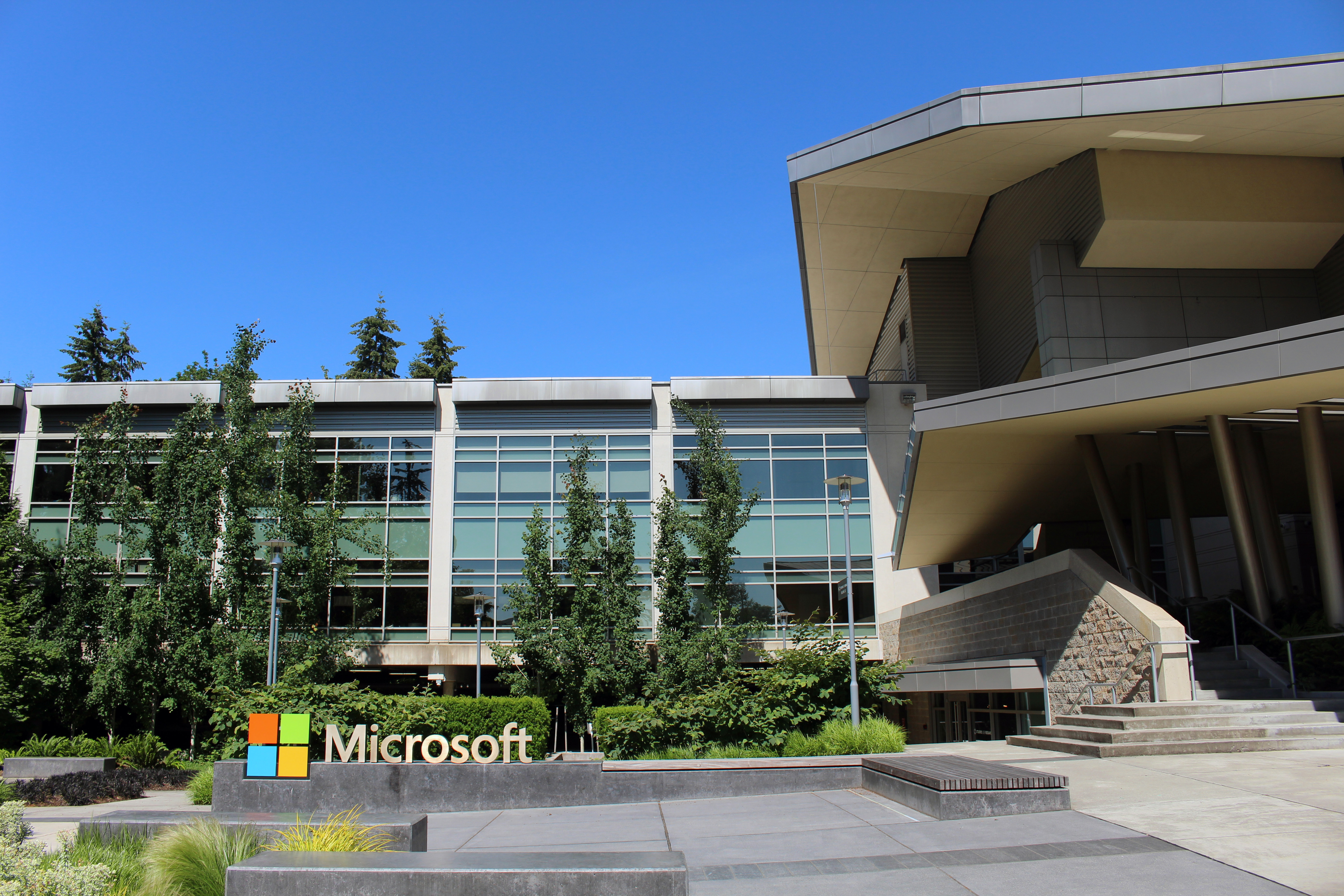
Microsoft’s identity is inextricably linked to Redmond, a suburb of Seattle, Washington. Since its move from Albuquerque in 1979 and the establishment of its permanent campus in 1986, Redmond has been more than just an address; it has evolved into a global symbol of technological innovation and corporate culture. The Redmond campus is not merely a collection of buildings; it is a meticulously designed ecosystem that reflects and reinforces the Microsoft brand.
The Campus as a Brand Statement
The Microsoft Redmond campus, often referred to as “the campus,” is a sprawling, self-contained city that communicates the company’s ethos and scale. Its vastness, encompassing over 125 buildings and millions of square feet, immediately conveys the immense reach and ambition of the brand. The campus architecture, while varied across different eras of development, generally leans towards a functional yet modern aesthetic, mirroring Microsoft’s brand image as a pragmatic innovator. Lush green spaces, walking paths, and recreational facilities intersperse the office buildings, subtly signaling a commitment to employee well-being and a balanced, yet high-performing, work environment. This physical manifestation of the brand serves as a constant, tangible reminder of Microsoft’s values to its employees, partners, and visitors, reinforcing its corporate identity as a powerful, yet progressive, entity. It’s a living advertisement for its culture and capabilities.
Fostering Innovation and Culture Through Design
The design and layout of the Redmond campus are deliberately engineered to foster collaboration, creativity, and the free exchange of ideas—all core tenets of Microsoft’s innovation-driven brand. Open-plan offices, numerous communal areas, cafes, and specialized labs are integrated to encourage spontaneous interactions and cross-functional synergy. The presence of state-of-the-art facilities, from cutting-edge research labs to testing environments for new hardware and software, underscores Microsoft’s brand promise of leading technological advancement. This environment cultivates a distinct corporate culture, one that values problem-solving, continuous learning, and a pioneering spirit. The campus acts as a physical incubator for the brand’s future, where the next generation of products and services are conceptualized and brought to life, directly influencing how the brand is perceived globally as a leader and innovator.
Talent Magnet: Redmond’s Role in Employer Branding
For a company that relies heavily on intellectual capital, attracting and retaining top talent is paramount to its brand success. The Redmond campus plays a pivotal role in Microsoft’s employer branding strategy. Its reputation as a hub of innovation, coupled with the quality of life offered in the greater Seattle area, makes it a highly desirable destination for tech professionals worldwide. Microsoft heavily invests in creating an attractive work environment, complete with amenities ranging from fitness centers and health clinics to diverse dining options and shuttle services. These investments are not merely perks; they are strategic elements that enhance the company’s appeal as an employer, signaling a brand that cares for its people and provides unparalleled opportunities for growth and impact. The “Microsoftie” identity, often forged and nurtured within the Redmond environment, becomes a powerful ambassador for the brand’s culture and values, attracting more like-minded individuals to its fold.
Global Footprint: Extending the Microsoft Brand Worldwide
While Redmond remains the spiritual heart of Microsoft, its physical presence extends across every continent, forming a vast global network. This expansive footprint is critical for market penetration, localized brand engagement, and the seamless delivery of its services, underscoring its identity as a truly global enterprise.
Regional Hubs and Market Penetration
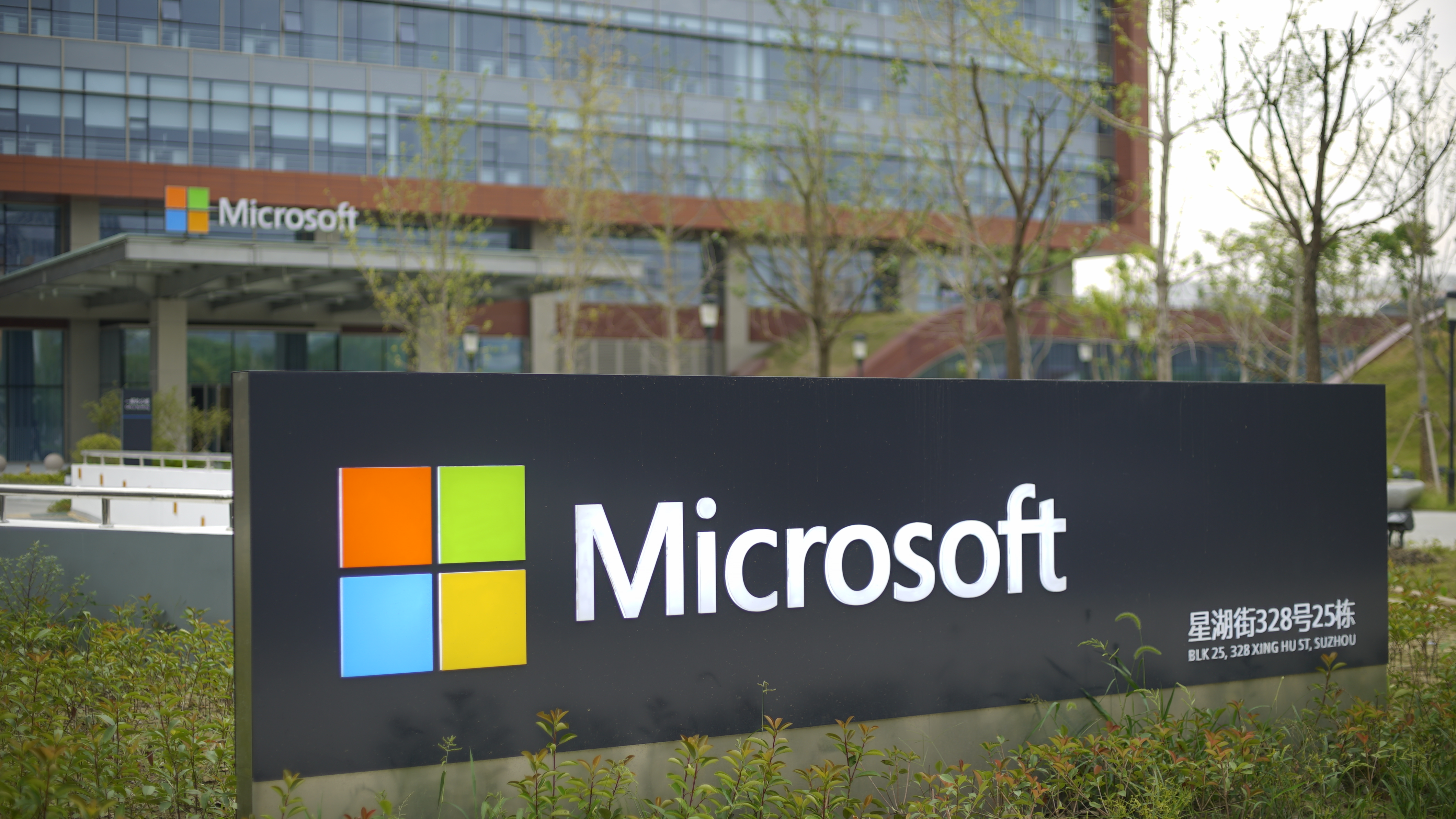
Beyond Redmond, Microsoft operates numerous significant regional hubs that serve as strategic centers for specific markets. Cities like Dublin (Europe, Middle East, Africa operations), Hyderabad (India Development Center), Beijing (Microsoft Research Asia), and major offices in London, New York, and Sydney, among others, allow Microsoft to embed itself deeply within local economies and cultures. These regional hubs facilitate tailored product development, localized marketing campaigns, and direct engagement with regional customers and partners. By having a tangible presence in diverse markets, Microsoft demonstrates its commitment to understanding and serving local needs, thereby strengthening its brand appeal and fostering trust. This distributed model helps the brand resonate more authentically with varied demographics, moving beyond a “one-size-fits-all” approach to a more nuanced, culturally aware global presence.
Localizing the Global Brand Experience
Microsoft’s global offices are not merely satellite locations; they are active participants in localizing the global brand experience. Each office often incorporates elements of the local culture into its design and operations, creating a sense of belonging for regional employees and a welcoming environment for local stakeholders. This localization is crucial for marketing and sales, enabling Microsoft to adapt its messaging and product offerings to specific cultural contexts, regulatory environments, and consumer preferences. For instance, developing features relevant to specific languages or market conditions directly from a regional office reinforces the brand’s responsiveness and customer-centric approach. This strategic distribution ensures that while the core Microsoft brand message remains consistent, its delivery and perception are optimized for maximum impact across different geographical and cultural landscapes.
Data Centers: The Invisible Infrastructure of a Digital Brand
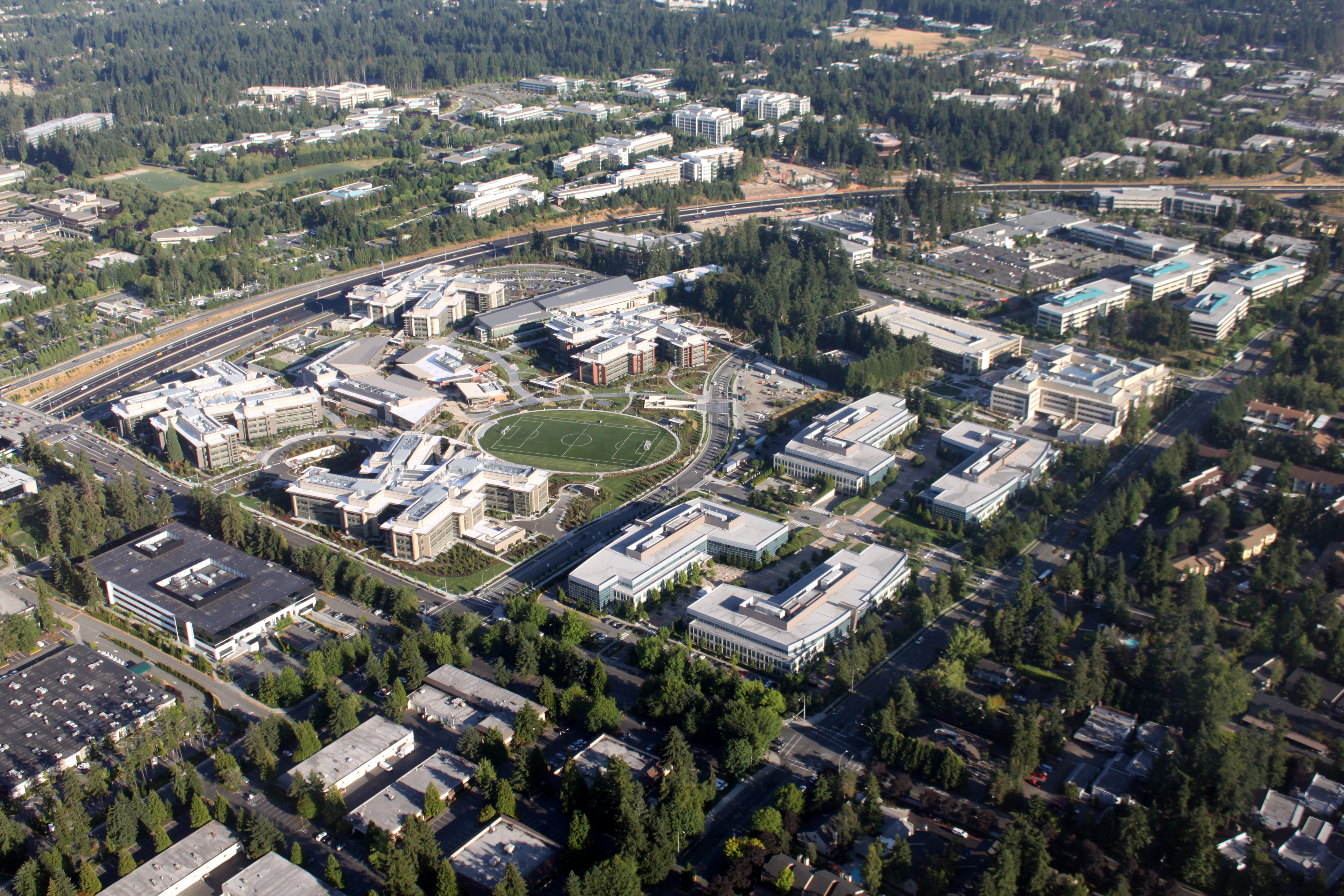
Perhaps the most critical, yet often unseen, component of Microsoft’s global footprint are its vast network of data centers. These colossal facilities, strategically located across dozens of countries, are the backbone of its cloud services—Azure, Office 365, Xbox Live, and countless others. The strategic placement of these data centers is a brand statement in itself: it signifies reliability, speed, and omnipresence. For a brand that increasingly sells “the cloud” and “AI-powered services,” the proximity of data centers to end-users is paramount for performance and user experience.
The geographic distribution of these data centers directly impacts latency, regulatory compliance (especially concerning data sovereignty), and disaster recovery. By building and maintaining an unparalleled global data center infrastructure, Microsoft reinforces its brand promise of secure, scalable, and resilient cloud solutions. This invisible network is a fundamental pillar of its corporate identity as a trusted provider of enterprise-grade and consumer-facing digital services, ensuring that the Microsoft brand is synonymous with dependable and high-performance technology infrastructure worldwide.
Location as a Strategic Asset: Impact on Brand Perception and Operations
The meticulous planning behind Microsoft’s global locations transforms them from mere addresses into strategic assets that profoundly influence its brand perception and operational capabilities. This strategic approach ensures that every physical presence contributes to the company’s overall strength and market position.
Operational Efficiency and Supply Chain Integration
Microsoft’s global locations are chosen not just for market access but also for operational efficiency and streamlined supply chain management. For a company that produces hardware (e.g., Surface devices, Xbox consoles) in addition to software and services, the proximity of offices to manufacturing hubs, distribution networks, and key logistics centers is vital. This integrated approach minimizes costs, reduces lead times, and enhances the brand’s ability to bring products to market swiftly and efficiently. The strategic placement of R&D centers, manufacturing facilities, and sales offices in key regions allows for tighter coordination, faster problem-solving, and a more responsive global operation, all of which indirectly bolster the brand’s reputation for reliability and effectiveness.
Building Trust and Relationships in Diverse Markets
Having a physical presence in a country or region goes a long way in building trust and fostering relationships with local governments, businesses, and communities. It signifies a long-term commitment beyond merely selling products remotely. Microsoft’s investment in local offices, talent, and infrastructure demonstrates its dedication to being a responsible corporate citizen. This local engagement helps the brand navigate complex regulatory landscapes, understand unique market dynamics, and cultivate partnerships that might not be possible from afar. Such deep-seated local relationships enhance Microsoft’s reputation as a trustworthy and collaborative brand, facilitating market entry and sustained growth, particularly in emerging economies where local presence is often a prerequisite for doing business.
Adapting to Global Challenges and Opportunities
The distributed nature of Microsoft’s global locations provides a robust framework for adapting to both global challenges and emerging opportunities. In times of regional crisis or disruption, a diversified geographic presence allows operations to shift or compensate, ensuring business continuity. Conversely, the ability to quickly establish or expand a physical presence in rapidly growing markets or emerging tech hubs enables Microsoft to capitalize on new opportunities, acquire talent, and secure market share ahead of competitors. This agility, facilitated by its strategic locations, is a critical component of Microsoft’s brand resilience and its capacity for sustained innovation and market leadership in a volatile global landscape.
The Evolving Workplace: Reimagining Microsoft’s Physical and Digital Brand Spaces
The pandemic years have dramatically reshaped the understanding of “location” for many companies, including Microsoft. While physical spaces remain crucial, the integration of digital work environments and a renewed focus on sustainability are now central to how Microsoft defines and projects its brand through its locations.
Hybrid Work and the Future of Corporate Campuses
Microsoft has been at the forefront of embracing a hybrid work model, recognizing that the future of work blends physical presence with digital connectivity. This shift doesn’t negate the importance of its campuses but rather redefines their purpose. Campuses like Redmond are evolving to become centers for collaboration, culture-building, and high-intensity innovation sprints, rather than merely places for daily individual work. The redesign of office spaces to support flexible work arrangements, advanced conferencing technologies, and communal gathering areas reflects Microsoft’s brand commitment to employee empowerment, flexibility, and leveraging its own technology to enable the modern workplace. This forward-thinking approach to its physical spaces reinforces its brand as a leader not just in technology, but in shaping the very future of work itself.
Sustainability and Social Responsibility in Physical Locations
As a leading global brand, Microsoft faces increasing expectations for environmental stewardship and social responsibility. Its physical locations play a crucial role in demonstrating this commitment. From designing LEED-certified buildings to investing in renewable energy for its data centers and implementing ambitious waste reduction programs across its campuses, Microsoft integrates sustainability into its real estate strategy. This focus on green building practices and sustainable operations enhances Microsoft’s brand image as a responsible corporate citizen, appealing to an increasingly environmentally conscious global audience of consumers, employees, and investors. Its locations become tangible proof points of its dedication to a sustainable future, directly reflecting its brand values.
Microsoft’s Real Estate Strategy as a Reflection of its Brand Vision
Ultimately, Microsoft’s comprehensive real estate strategy, encompassing its headquarters, regional offices, and data centers, is a powerful reflection of its overarching brand vision. Each location is chosen and developed with purpose, contributing to a coherent narrative of innovation, global reach, operational excellence, and corporate responsibility. From the sprawling Redmond campus symbolizing its origins and culture, to the decentralized global hubs enabling localized engagement, and the invisible network of data centers underpinning its digital services, every physical presence is a strategic asset. These locations collectively articulate Microsoft’s identity as a dynamic, responsive, and deeply influential global brand, strategically positioned to lead the future of technology and impact lives worldwide.
aViewFromTheCave is a participant in the Amazon Services LLC Associates Program, an affiliate advertising program designed to provide a means for sites to earn advertising fees by advertising and linking to Amazon.com. Amazon, the Amazon logo, AmazonSupply, and the AmazonSupply logo are trademarks of Amazon.com, Inc. or its affiliates. As an Amazon Associate we earn affiliate commissions from qualifying purchases.