
In the intricate tapestry of modern finance, the seemingly simple question, “Where is your account number?” unlocks a universe of financial activity. It’s more than just a string of digits; it’s the unique identifier that connects you to your money, enabling transactions, securing investments, and facilitating nearly every interaction you have with the financial world. From setting up direct deposits to transferring funds, paying bills, or even verifying your identity for customer service, your account number is the linchpin. Yet, in an era of digital convenience and masked numbers on apps, many individuals find themselves momentarily stumped when asked for this fundamental piece of information. This article will demystify the various types of account numbers, guide you through locating them, highlight their crucial role, and emphasize the paramount importance of keeping them secure within the broader landscape of personal and business finance.
The Ubiquity and Importance of Account Numbers
An account number serves as your unique digital fingerprint within a financial institution. It’s how banks, investment firms, and other financial entities differentiate your specific holdings and transactions from the millions of others they process daily. Without it, financial systems would descend into chaos, unable to attribute funds or services to the correct individuals or businesses.
More Than Just Digits: The Gateway to Your Financial Life
Think of your account number as the address of your financial home. Just as you need an address for mail delivery or to guide visitors, financial institutions need your account number to direct funds accurately. It’s the primary identifier for initiating payments, receiving income, or accessing the capital you’ve diligently saved or invested. This simple sequence of numbers empowers you to engage with the financial ecosystem, from the simplest retail purchase to complex investment strategies. Its importance cannot be overstated; it is the foundational piece of information required for most financial interactions that move money in or out of your accounts.
Diverse Applications: From Savings to Investments
While we often associate account numbers primarily with checking and savings accounts, their application extends far wider across the financial spectrum. Every distinct financial product or service you utilize will likely have its own unique identifier. This includes:
-
Checking Accounts: For day-to-day transactions, bill payments, and debit card usage.
-
Savings Accounts: For holding emergency funds or money earmarked for future goals.
-
Investment Accounts: For brokerage accounts (stocks, bonds, mutual funds), retirement accounts (401(k), IRA), and even specific investment products like CDs or money market accounts.
-
Loan Accounts: For mortgages, auto loans, personal loans, and student loans, enabling you to track payments and outstanding balances.
-
Credit Card Accounts: Though often referred to by the card number, a distinct account number may exist for specific administrative purposes.
-
Business Accounts: Operating accounts, payroll accounts, and merchant services accounts each have unique identifiers crucial for business finance.
Understanding this diversity is the first step in knowing where to look when specific financial information is requested. Each account serves a different purpose, and its unique number is tailored to that function.
Navigating the Labyrinth: Locating Your Account Numbers
Knowing that account numbers are crucial is one thing; finding them precisely when you need them is another. Fortunately, financial institutions provide multiple, accessible avenues to locate this vital information, both digitally and physically.
Bank Accounts: Checking, Savings, and Loans
For your primary banking accounts, several reliable sources exist:
-
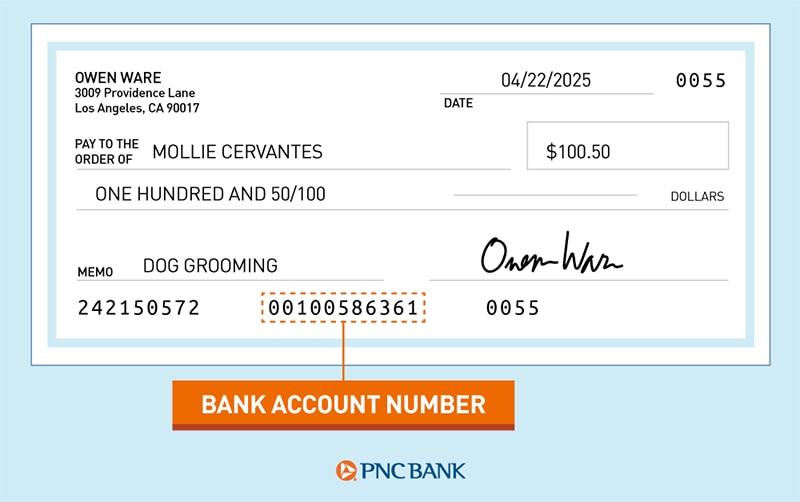
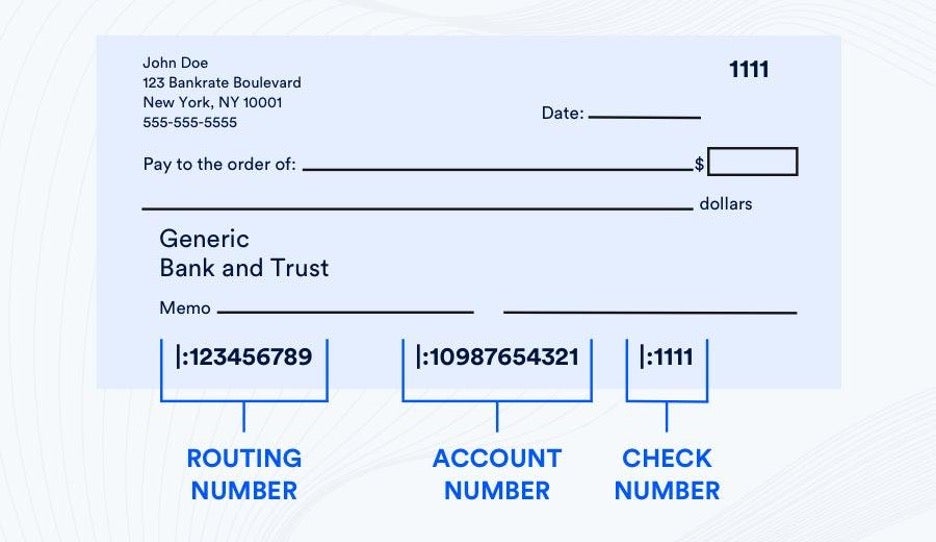
Checks: For checking accounts, your account number is printed on the bottom of your personal checks, typically the middle set of numbers between the routing number (first set) and the check number (last set).
-
Bank Statements: Whether paper or electronic, your monthly or quarterly bank statements prominently display your account number, usually near your name and address at the top.
-
Online Banking Portals: Log in to your bank’s website or mobile app. Navigate to your account details or profile section. Often, you’ll find the full account number listed there, though some apps may partially mask it for security and require a specific action (like clicking an “eye” icon) to reveal the full number.
-
Passbook (for Savings): If you still use a traditional passbook for a savings account, the number is usually printed on one of the initial pages.
-
Loan Documents: For mortgages, auto loans, or personal loans, your account number will be on your loan agreement, monthly statements, or accessible through your lender’s online portal.
Investment Portfolios: Brokerage and Retirement Accounts
Investment accounts often have slightly different naming conventions or presentation:
-
Brokerage Statements: Similar to bank statements, these will clearly list your account number for your individual or joint brokerage accounts.
-
Online Brokerage Portals: Log in to your investment firm’s website or app. Your account number is typically found on your account summary page, under “Account Details” or “Profile.”
-
Retirement Plan Documents: For 401(k)s, 403(b)s, or IRAs, your plan administrator or custodian will provide statements, and the account number will be on those documents or accessible through their online platform. Be aware that for employer-sponsored plans, you might have both a plan number and your individual account number.
Credit Accounts: Cards and Lines of Credit
While your credit card has a primary 16-digit number on the front, this is not always the account number a financial institution refers to for administrative purposes.
-
Credit Card Statements: Your monthly credit card statement will typically list a separate account number for administrative purposes, distinct from the embossed card number.
-
Online Card Portals: Accessing your account details on the credit card issuer’s website will usually reveal this specific account number.
-
Lines of Credit: Similar to other loans, these numbers will be on your agreement documents and monthly statements.
Beyond Traditional Banking: Digital Wallets and Payment Services
The rise of digital payment platforms like PayPal, Venmo, or even crypto wallets introduces new identifiers. While these services often connect to your traditional bank accounts, they also have their own internal identifiers or user IDs. When a traditional bank account number is requested, it’s rarely these digital service IDs, but rather the underlying bank account number linked to them. However, it’s useful to be aware that various digital services use different identifiers for their internal operations.
The Critical Moments You’ll Need It
Your account number isn’t just a record-keeping detail; it’s a functional tool that enables a multitude of essential financial operations. Understanding these critical moments will reinforce why knowing where to find it is so important for effective personal and business finance management.
Setting Up Direct Deposits and Bill Payments
Perhaps the most common use of your account number is for automating income and outgoing payments.
-
Direct Deposit: To receive your salary, government benefits, or tax refunds directly into your bank account, your employer or payer will require your bank’s routing number and your specific checking or savings account number. This streamlines income reception, preventing delays and the hassle of paper checks.
-
Automated Bill Pay: Setting up recurring payments for utilities, rent, loan installments, or subscriptions directly from your bank account often requires you to provide your account number to the payee or to your bank when initiating the payment. This ensures timely payments and avoids late fees.
Transfers and Wire Transactions
Whether sending money to family, making a significant purchase, or moving funds between your own accounts at different institutions, your account number is indispensable.

-
Inter-bank Transfers: To move money from one bank account to another, especially between different financial institutions, you will need the recipient’s routing number and account number.
-
Wire Transfers: For high-value or urgent transfers, particularly international ones, the account number (and often the SWIFT/BIC code for international banks) is critical for ensuring funds reach the correct destination securely and promptly.
-
Funding Investment Accounts: When transferring money from your bank to your brokerage or retirement account, you’ll provide your bank account details to the investment firm to link the accounts.
Customer Service Inquiries and Account Verification
Financial institutions prioritize security, and your account number plays a key role in verifying your identity when you contact them.
-
Account Access and Inquiries: When you call your bank or investment firm, the first pieces of information they often request (after your name and possibly date of birth) are the last few digits of your account number or the full number. This helps them quickly pull up your specific account and verify you are the legitimate account holder before discussing sensitive information.
-
Fraud Reporting: If you suspect fraudulent activity, providing your account number immediately allows the institution to isolate and investigate the affected account swiftly.
-
Updating Account Information: Changes to contact details, beneficiaries, or other account settings often necessitate providing your account number for verification.
Tax Season and Financial Reporting
For individuals and businesses alike, account numbers are crucial during tax preparation and for various financial reporting requirements.
-
Tax Filings: When receiving tax refunds via direct deposit or making tax payments electronically, your bank account number is required by tax authorities.
-
Financial Audits: Businesses undergoing audits will need to present detailed records, including account numbers, to verify transactions and balances.
-
Loan Applications: When applying for new loans or lines of credit, lenders may request account information to assess your financial standing and payment history.
Safeguarding Your Financial Identity: Security Best Practices
While your account number is essential for financial operations, it is also a sensitive piece of information. Misuse can lead to significant financial risk, making robust security practices paramount in personal finance.
The Perils of Public Disclosure
Unlike your credit card number, which often requires additional security codes (CVV) for online transactions, an account number coupled with a routing number can potentially be used to initiate ACH (Automated Clearing House) debits. While legitimate businesses use this for recurring payments, fraudsters can exploit it if they gain access to your full bank account and routing numbers. Therefore, it is crucial to treat your account numbers with the same level of care as your Social Security number or password. Avoid sharing it unnecessarily, and be wary of requests for this information from unverified sources.
Secure Storage Methods
Knowing where your account numbers are is key, but so is how you store that knowledge.
-
Memorization (for primary accounts): For your most frequently used accounts, committing the number to memory can be beneficial, but only if you have a reliable memory.
-
Encrypted Digital Storage: Use secure password managers (e.g., LastPass, 1Password) that offer encrypted notes or secure fields for sensitive data. These tools provide strong encryption and require master passwords for access.
-
Physical Security: If you keep a written record, store it in a locked safe, a secure home file cabinet, or a safe deposit box. Do not leave it in an easily accessible place or your wallet, where it could be lost or stolen.
-
Shred Old Documents: Always shred financial statements, old checks, or any documents containing your account numbers before discarding them.
Recognizing and Avoiding Phishing Scams
Cybercriminals frequently attempt to trick individuals into revealing their account numbers through phishing, vishing (voice phishing), and smishing (SMS phishing) attacks.
-
Be Suspicious of Unsolicited Requests: Your bank or financial institution will never ask for your full account number, password, or PIN via email, text message, or unsolicited phone call. If they call, they will typically ask for a few digits for verification, but not the whole number without you initiating the contact.
-
Verify Senders: Always check the sender’s email address or phone number. Be wary of generic greetings (“Dear Customer”) or urgent, threatening language.
-
Avoid Clicking Suspicious Links: Malicious links can lead to fake websites designed to steal your credentials. Always manually type the URL of your financial institution into your browser.
-
Report Suspicions: If you receive a suspicious communication, do not respond. Instead, contact your financial institution directly using a verified phone number or website.
When You Can’t Find It: Steps to Take
Despite the numerous places an account number might be found, there are times when you might draw a blank. Fortunately, modern financial tools and customer support mechanisms are designed to help you regain access to this critical information securely.
Utilizing Online Banking and Mobile Apps
Your online banking portal or mobile app is often the fastest and most secure way to retrieve your account number if you have forgotten where you stored it. Most institutions allow you to view full account numbers after logging in and verifying your identity (which might involve a two-factor authentication step, like a code sent to your phone). This is typically under “Account Details,” “Profile,” or a similar section. If the number is partially masked, look for an option to “reveal” the full number.
Contacting Your Financial Institution
If online access isn’t available or you’re still struggling, reaching out to your bank or investment firm directly is the next step.
-
Customer Service Hotline: Call the customer service number listed on your bank’s official website, the back of your debit/credit card, or a recent statement. Be prepared to go through a rigorous identity verification process. They will ask for personal details like your full name, address, date of birth, Social Security Number (or parts of it), and possibly answers to security questions you set up.
-
Branch Visit: For highly sensitive situations or if you prefer in-person assistance, visiting a local branch of your bank or credit union can be effective. Bring a valid government-issued ID (driver’s license, passport) for verification.
The Role of Other Identifying Information
When contacting your financial institution, having other identifying information readily available will expedite the process of retrieving your account number. This includes:
-
Your full legal name
-
Your current address
-
Your phone number and email address
-
Your date of birth
-
The last four digits of your Social Security Number (SSN) or Tax ID Number (TIN)
-
Any security questions you may have set up
-
Other account numbers you do know with the same institution (e.g., a checking account number if you’re looking for a savings account number)
By preparing this information, you can ensure a smoother and quicker process in retrieving your crucial account numbers, maintaining continuous control over your financial life.
In conclusion, your account number is not merely a detail; it is a fundamental building block of your financial identity and a gateway to managing your money effectively. From the simplest direct deposit to the most complex investment transaction, knowing where to find it and understanding its role is paramount. By diligently managing and securing this vital information, you empower yourself to navigate the modern financial landscape with confidence and control, ensuring your funds are always where they need to be, when they need to be there.
aViewFromTheCave is a participant in the Amazon Services LLC Associates Program, an affiliate advertising program designed to provide a means for sites to earn advertising fees by advertising and linking to Amazon.com. Amazon, the Amazon logo, AmazonSupply, and the AmazonSupply logo are trademarks of Amazon.com, Inc. or its affiliates. As an Amazon Associate we earn affiliate commissions from qualifying purchases.