
In the world of high-stakes corporate finance and global market positioning, a headquarters is more than just a mailing address. It is a statement of fiscal intent, a strategic anchor, and a reflection of a company’s bottom-line priorities. For years, the answer to the question “where is the tesla headquarters” was Palo Alto, California—the heart of Silicon Valley’s venture capital ecosystem. However, in late 2021, Tesla officially moved its corporate home to Austin, Texas.
This relocation was not merely a change of scenery; it was a calculated financial maneuver designed to optimize the company’s tax structure, reduce operational overhead, and align its manufacturing capabilities with its executive leadership. To understand where Tesla is today, one must look at the fiscal landscape of Travis County and the broader economic implications of the “Texas Move” for investors and the global business community.

The Geographic Shift of a Trillion-Dollar Entity: From Palo Alto to Austin
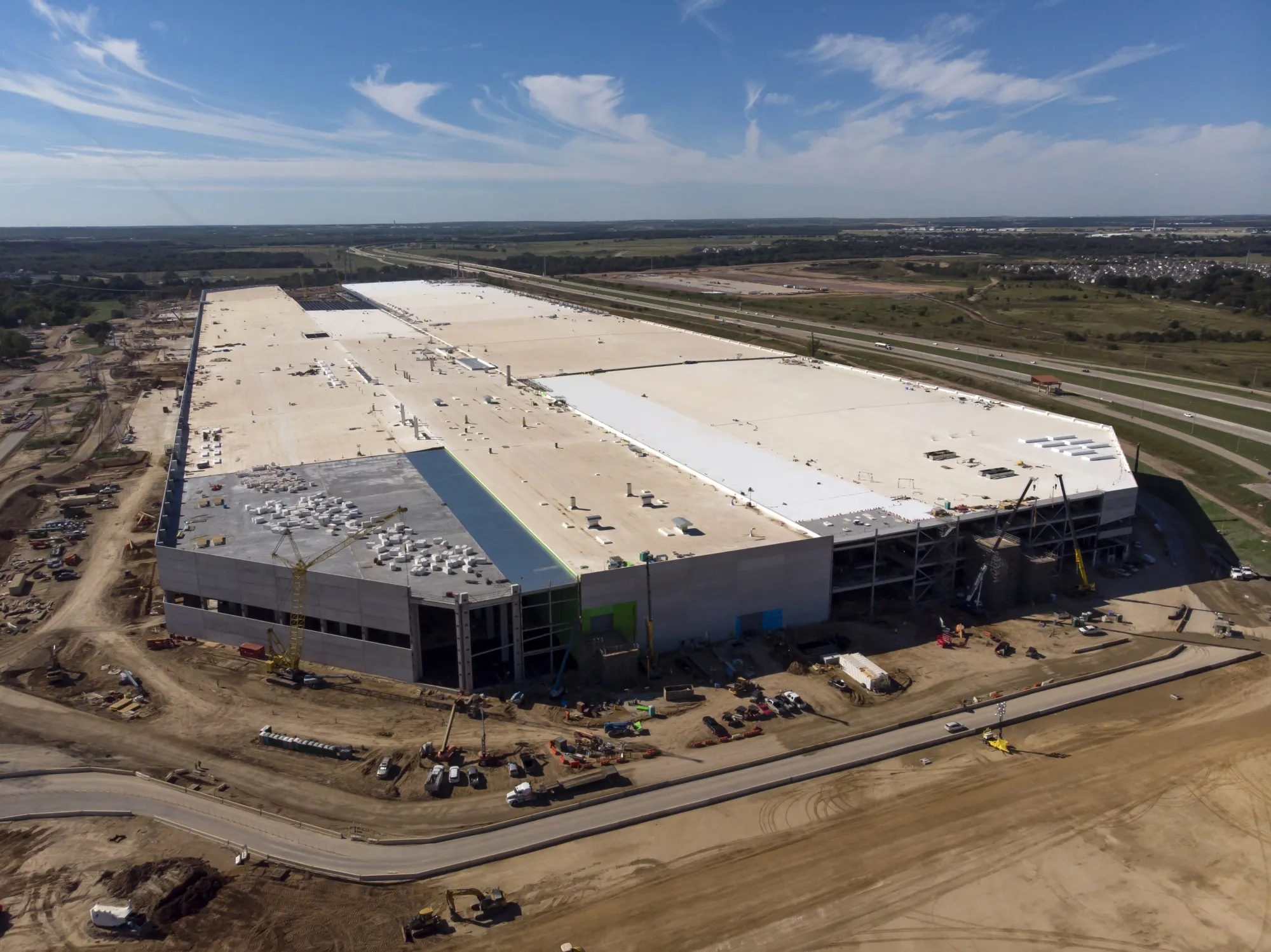
The official headquarters of Tesla, Inc. is located at 1 Tesla Road, Austin, Texas. This site is synonymous with Gigafactory Texas, a massive manufacturing hub that spans over 2,500 acres. By situating the corporate nerve center within its largest domestic production facility, Tesla has achieved a level of operational synergy that few other trillion-dollar companies can match.
From Palo Alto to Austin: A Strategic Relocation
For the first decade of its existence, Tesla’s identity was intertwined with California’s “tech-first” mentality. Palo Alto provided proximity to the world’s most prestigious venture capital firms and a dense pool of software engineering talent. However, as Tesla transitioned from a niche EV startup into a mass-market automotive giant, the financial constraints of the Bay Area became a liability. High corporate taxes, a staggering cost of living for employees, and a complex regulatory environment began to weigh on the company’s growth margins. The move to Austin in December 2021 marked the end of the “startup” phase and the beginning of the “industrial powerhouse” phase.
The Giga Texas Complex: More Than Just an Office
Unlike the previous headquarters in Palo Alto, which was a traditional office park, the Austin headquarters is integrated directly into the factory floor. This “co-location” strategy is a masterclass in business efficiency. When the executive suite is only a few hundred yards away from the assembly line, the feedback loops for cost reduction and process improvement are shortened significantly. From a financial perspective, this reduces “dead time” and accelerates the time-to-market for new products like the Cybertruck and the Model Y.
The Fiscal Drivers: Why Texas Makes Financial Sense
The decision to relocate a headquarters of this magnitude is never made without exhaustive financial modeling. Texas offered a suite of economic advantages that California simply could not—or would not—match. For Tesla, and specifically for its leadership, the move was a definitive win for capital preservation.
Tax Breaks and Corporate Savings
Texas is well-known for its business-friendly tax environment. The state has no corporate income tax and no personal income tax, which is a stark contrast to California’s high-tax regime. For a company focused on aggressive reinvestment of capital, these savings are substantial. Furthermore, local authorities in Travis County and the Del Valle Independent School District provided Tesla with tens of millions of dollars in property tax abatements to secure the investment. These incentives directly improve Tesla’s balance sheet by lowering the fixed costs associated with land and infrastructure.
The Lower Cost of Doing Business
Beyond direct taxation, the general “cost of doing business” is significantly lower in the Texas Triangle (the region between Austin, Dallas, and Houston). Real estate prices, while rising, remain more competitive than the Silicon Valley market, allowing Tesla to acquire vast tracts of land for future expansion at a fraction of the cost. Additionally, the lower cost of living for the workforce allows the company to remain competitive in the labor market without the extreme salary inflation seen in the San Francisco Bay Area. This wage-to-utility ratio is a critical metric for maintaining long-term profitability in a competitive automotive sector.

Operational Efficiency and Capex Management
In business finance, Capital Expenditure (Capex) must be managed with surgical precision. The construction and operation of the Austin headquarters represent a massive investment of shareholder capital, but the return on that investment (ROI) is driven by the factory’s unique design and integration.
Boosting Margins through Vertical Integration
The Austin headquarters is the physical manifestation of Tesla’s vertical integration strategy. By housing engineering, design, and manufacturing under one roof, the company reduces the logistical costs associated with moving prototypes and personnel between disparate locations. In the world of manufacturing, logistics is often a hidden margin-killer. By centralizing operations in a state with a robust energy grid and central geographic access to both the East and West Coasts, Tesla has optimized its supply chain for the North American market.
Market Sentiment and Institutional Confidence
The move to Texas was largely cheered by institutional investors who viewed the decision as a sign of corporate maturity. It signaled that Tesla was prioritizing scale and profitability over the “prestige” of a Silicon Valley address. Analysts often point to the Austin move as a turning point where Tesla’s “efficiency per square foot” became a core part of its valuation. For investors, the Austin headquarters represents a “fortress” of production that can withstand economic volatility due to its lower operational cost base.
The “Tesla Effect” on Regional Wealth and Investment
The presence of the Tesla headquarters has created a localized economic boom, often referred to as the “Tesla Effect.” This has created a secondary economy that offers numerous opportunities for local business finance and personal wealth creation.
Property Value Appreciation in Travis County
Since the announcement of the headquarters move, real estate values in the surrounding Austin areas have surged. For investors in commercial and residential real estate, Tesla’s move was a “buy” signal of historic proportions. This influx of capital has transformed formerly rural land into a high-tech industrial corridor, attracting a constellation of suppliers and service providers who want to be near the Tesla mother ship.
The Secondary Economy: Side Hustles and Service Growth
The concentration of thousands of high-earning employees in the Austin area has fueled a massive demand for services, ranging from construction and logistics to fintech and hospitality. For entrepreneurs and small business owners, the Tesla headquarters is a giant economic engine. The “side hustle” economy in Austin has pivoted toward supporting the Tesla ecosystem, whether through specialized contracting, transport services, or the burgeoning market for EV-related infrastructure and maintenance.
Conclusion: A New Financial Chapter
When we ask “where is the tesla headquarters,” the answer is physically Austin, Texas, but financially, it is in a state of constant expansion and optimization. The move from California to Texas was a pivotal moment in corporate history, representing a shift from high-cost innovation to high-efficiency production.
For the investor, the Austin headquarters is a symbol of Tesla’s commitment to protecting its margins and maximizing its tax advantages. For the business world, it serves as a case study in how geographic strategy can be used as a lever for financial growth. As Tesla continues to scale its operations and dominate the global EV market, its Texas home will remain the central hub of a financial empire built on the principles of efficiency, tax optimization, and industrial integration. The move to 1 Tesla Road wasn’t just a move to a new office; it was a move toward a more profitable and sustainable financial future.
aViewFromTheCave is a participant in the Amazon Services LLC Associates Program, an affiliate advertising program designed to provide a means for sites to earn advertising fees by advertising and linking to Amazon.com. Amazon, the Amazon logo, AmazonSupply, and the AmazonSupply logo are trademarks of Amazon.com, Inc. or its affiliates. As an Amazon Associate we earn affiliate commissions from qualifying purchases.