
For most of the year, the storefronts sit hollow. The dusty windows of a former Sears, the cavernous remains of a Bed Bath & Beyond, or the abandoned shell of a local grocery store serve as monuments to a shifting retail landscape. But as August approaches, a transformation occurs. The banners go up, the orange-and-black signage arrives, and the question begins to trend across search engines and social media: “Where is the Spirit Halloween store?”
To the casual consumer, Spirit Halloween is a place to buy a costume. To the brand strategist, however, it is a masterclass in opportunistic marketing, real estate agility, and corporate identity. The “where” of Spirit Halloween is not merely a geographic inquiry; it is the core of a business model that has turned the “vulture” approach to retail into a multi-million dollar brand empire.
The Vulture Brand: Mastering the Art of Real Estate Agility
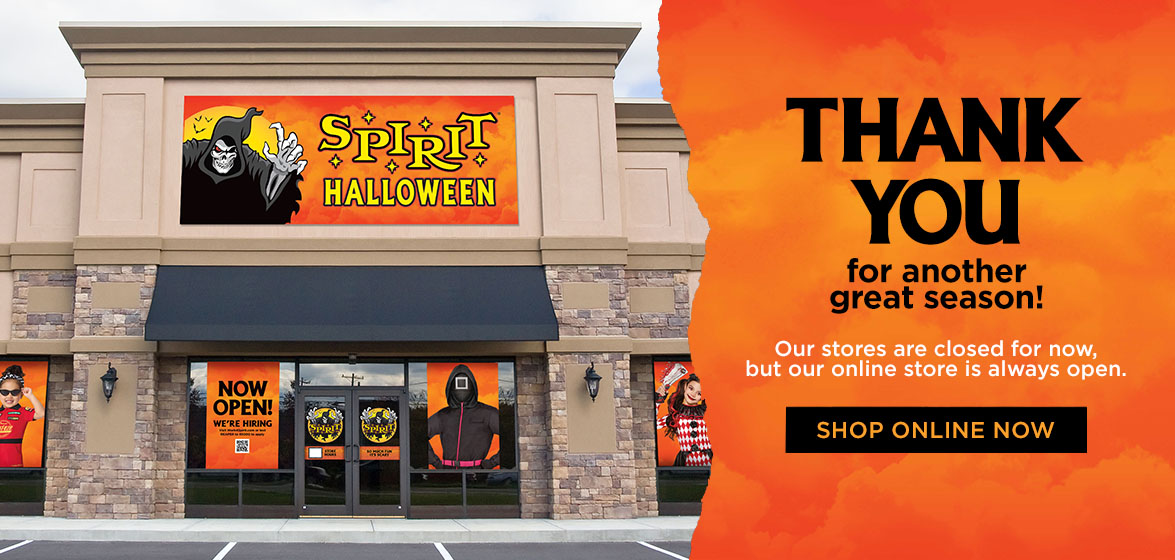
The most fascinating aspect of the Spirit Halloween brand is its impermanence. While most retail brands spend years and millions of dollars securing long-term leases and building permanent “third spaces,” Spirit Halloween has built its identity around the concept of the pop-up. This “vulture retail” strategy—occupying the spaces left behind by defunct or struggling big-box retailers—is a deliberate brand move that communicates resilience and seasonal dominance.
Identifying the “Ghost” Locations
The process of determining where a Spirit Halloween store will appear is a year-round operation. The brand’s real estate team monitors the retail market with the precision of a hedge fund. When a national chain announces store closures, Spirit Halloween is often the first to negotiate.
From a branding perspective, this creates a unique psychological trigger. By occupying familiar, high-traffic spaces that have recently gone dark, Spirit Halloween positions itself as a temporary revitalization of the community’s commercial hub. This strategy ensures that the brand doesn’t have to build awareness from scratch; it piggybacks on the existing traffic patterns and visibility of the previous tenant. The “where” is always somewhere you already know, which reduces the friction of discovery.
Branding Through Short-Term Scarcity
The temporary nature of these locations is a key driver of the brand’s “Fear of Missing Out” (FOMO) marketing. Because consumers know the store will vanish by the first week of November, there is an inherent urgency to visit.
Spirit Halloween leans into this scarcity. Their brand identity is built on the “arrival” event. When the “Coming Soon” banners appear on a vacant building, it serves as a visual signal that the season has officially begun. This transformation of a dead space into a vibrant, high-energy environment is a powerful brand narrative. It suggests that Spirit is not just a store, but a seasonal phenomenon that brings life back to stagnant areas.
Marketing the “Where”: Digital Presence and Hyper-Local Engagement
Because Spirit Halloween’s physical footprint changes every single year, the brand faces a unique marketing challenge: how do you maintain customer loyalty when your “bricks and mortar” are constantly moving? The solution lies in a sophisticated digital strategy that bridges the gap between the physical store and the online search.
The Store Locator as a Conversion Tool
For most brands, a store locator is a secondary feature on their website. For Spirit Halloween, it is the primary engine of their digital brand experience. During the peak months of September and October, the search query “Where is Spirit Halloween?” is a high-intent keyword that the company dominates.
The brand invests heavily in local SEO and hyper-local digital advertising. By the time a store opens its doors, the digital “pins” have already been dropped across Google Maps and Apple Maps. This integration ensures that the brand’s physical agility is matched by its digital ubiquity. The store locator doesn’t just provide an address; it serves as a countdown to the season, reinforcing the brand’s identity as a time-sensitive destination.
Social Media and the “Spirit Is Coming” Hype Cycle
Spirit Halloween has mastered the art of the “organic hype cycle.” Their brand strategy on platforms like TikTok, Instagram, and X (formerly Twitter) focuses on the “sighting” of new stores. Fans of the brand post photos of the first orange banners appearing in their hometowns, effectively acting as a grassroots marketing arm.

The brand encourages this behavior by treating each location launch as a mini-event. By leaning into the memes surrounding their opportunistic real estate choices—such as the viral trend of Photoshopping Spirit Halloween signs onto the White House or other major landmarks—the brand has cemented its place in the cultural zeitgeist. They have successfully turned their “whereabouts” into a recurring internet mystery that consumers love to solve.
Building Corporate Identity in a Temporary Shell
One of the greatest hurdles in brand strategy is maintaining a consistent corporate identity across vastly different physical spaces. Spirit Halloween might occupy a 5,000-square-foot boutique space one year and a 50,000-square-foot warehouse the next. Despite this, the brand experience remains remarkably uniform.
Visual Consistency Across Diverse Footprints
The moment a customer walks into a Spirit Halloween, they are met with a specific sensory experience that is meticulously curated to be “on-brand,” regardless of the building’s original purpose. The “Spirit” aesthetic—dominated by purple, orange, and black—is applied using modular fixtures that can be adapted to any layout.
The brand uses a “store-in-a-box” model. Everything from the checkout counters to the animatronic displays is designed for rapid deployment and strike. This consistency ensures that whether the store is in a former pharmacy or a giant department store, the customer journey—the “haunted house” walk-through, the specific smell of latex and fog machine fluid, and the booming soundtrack—remains the same. This reinforces brand equity; the customer trusts the experience because it is familiar, even if the location is new.
The Psychology of Seasonal Retail Design
The interior layout of a Spirit Halloween is a masterclass in behavioral design. Most locations are structured to guide the customer through “zones”—horror, superheroes, humor, and accessories. By using high-reaching displays and “theatrical” centerpieces (often referred to as the “ISE” or In-Store Experience), Spirit hides the often-dilapidated bones of the vacant buildings they inhabit.
This design strategy serves a dual purpose. First, it distracts from the temporary nature of the space, making it feel like a premium retail environment. Second, it encourages exploration. The “where” within the store becomes just as important as the “where” of the store itself. Customers aren’t just shopping for a costume; they are navigating an attraction. This elevates the brand from a mere retailer to an entertainment provider.
Lessons in Brand Evolution: From Storefront to Cultural Phenomenon
As the retail landscape continues to evolve, the “Spirit model” is being studied by brand strategists as a blueprint for the future of physical commerce. The brand’s ability to thrive in an era of e-commerce dominance proves that physical presence still matters—if it is executed with enough agility and personality.
The Meme-ification of Spirit Halloween
In recent years, Spirit Halloween has achieved a rare level of brand awareness: it has become a meme. The brand has leaned into this, using self-aware humor to reinforce its identity. When a major brand or public entity “fails,” the internet responds with a photo of a Spirit Halloween store moving in.
Instead of fighting this “vulture” image, Spirit Halloween has embraced it. By acknowledging their role as the “afterlife” of retail, they have built a brand personality that is gritty, opportunistic, and indestructible. This cultural resonance is what keeps the “where is the store” question relevant every year. It’s not just a search for a product; it’s a check-in with a cultural staple.

Diversifying the Brand Ecosystem
While the physical stores are the heartbeat of the brand, Spirit Halloween has successfully expanded its corporate identity into year-round territory. Through licensing deals, a robust e-commerce platform, and even a feature-length movie, the brand is no longer tethered solely to the months of September and October.
However, the “where” remains their greatest asset. The physical stores serve as massive, 2,000-plus “billboards” that pop up across North America simultaneously. There is no amount of digital spend that can replicate the brand impact of thousands of physical locations appearing overnight in high-traffic areas.
Ultimately, the question “Where is the Spirit Halloween store?” is a testament to the brand’s strategic brilliance. By mastering the logistics of temporary retail, leveraging the digital-physical divide, and maintaining a rock-solid corporate identity in the face of constant movement, Spirit Halloween has created a retail legacy that is as much about the hunt as it is about the harvest. They have proven that in the modern economy, being everywhere at once is good—but being exactly where you’re needed, exactly when you’re needed, is better.
aViewFromTheCave is a participant in the Amazon Services LLC Associates Program, an affiliate advertising program designed to provide a means for sites to earn advertising fees by advertising and linking to Amazon.com. Amazon, the Amazon logo, AmazonSupply, and the AmazonSupply logo are trademarks of Amazon.com, Inc. or its affiliates. As an Amazon Associate we earn affiliate commissions from qualifying purchases.