
For a global aviation giant like American Airlines, the concept of a “hub” extends far beyond a mere physical location on a map. While these critical airports serve as vital logistical nodes, their true significance lies in their profound impact on the airline’s brand strategy, corporate identity, and overall market positioning. Rather than simply being points of transit, American Airlines’ hubs are powerful physical manifestations of its brand promise, strategic anchors that define its reach, efficiency, and the very experience it delivers to millions of passengers annually. To understand “where the hub is” for American Airlines is to delve into the core of its brand – how it communicates its value, cultivates loyalty, and projects its image on a global stage.
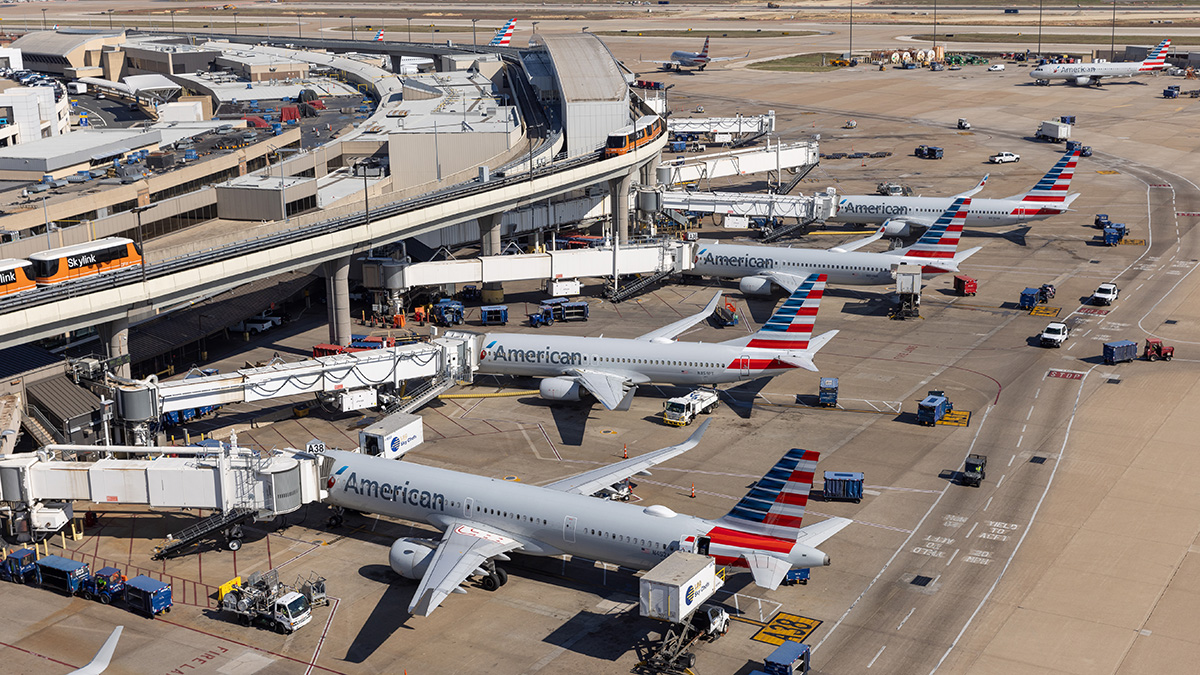
The Hub as a Physical Manifestation of Brand Promise
An airline’s hub is the beating heart of its operations, but more importantly, it is where the intangible promise of a brand takes tangible form. For American Airlines, its major hubs are not just collection points for passengers; they are a direct representation of its brand values: connectivity, reliability, and customer-centricity.
Gateways to Global Reach and Network Strength
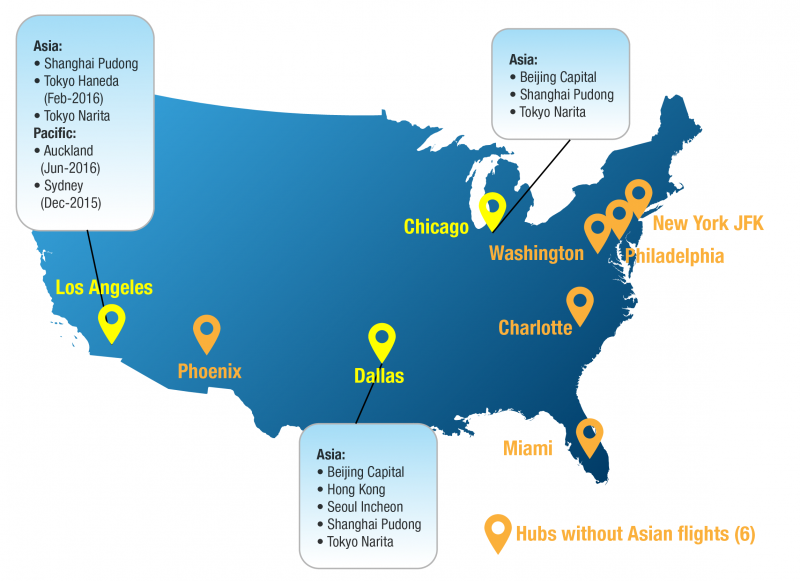
The sheer scale and strategic location of American Airlines’ hubs—such as Dallas/Fort Worth (DFW), Charlotte (CLT), Miami (MIA), Chicago O’Hare (ORD), and Philadelphia (PHL)—are powerful visual metaphors for its global reach. Each hub serves as a critical junction, funneling passengers from smaller, regional airports (the “spokes”) into a vast intercontinental network. This intricate web is a key pillar of American Airlines’ corporate identity, signaling to customers and competitors alike its expansive capabilities.
Consider DFW, American Airlines’ largest hub: it’s not just an airport; it’s a colossal gateway designed to facilitate seamless connections across the continental U.S., Latin America, and Asia. This concentration of routes and destinations under the American Airlines banner inherently strengthens its brand image as a dominant global carrier. The ability to offer one-stop connections to virtually any major city worldwide from a single hub is a significant brand differentiator, promising convenience and comprehensive coverage that smaller airlines simply cannot match. This physical infrastructure directly translates into a brand message of “we connect you to the world.”
Crafting the Customer Experience at Scale
The brand experience is not just about the flight itself; it begins and often culminates at the hub. American Airlines meticulously designs its hub operations to reinforce its brand promise of a reliable and comfortable journey. From the moment a passenger arrives, the hub is a concentrated touchpoint for the brand. State-of-the-art terminals, efficient baggage handling, numerous dining and shopping options, and crucially, extensive Flagship Lounges and Admirals Clubs – these elements are all strategically placed within hubs to elevate the customer experience.
The efficiency of connections at a hub is paramount to an airline’s brand perception. A passenger’s experience of a quick, stress-free transfer between flights directly enhances their perception of American Airlines’ operational excellence and commitment to their time. Conversely, chaotic or delayed connections can quickly erode brand trust. Therefore, significant investment in technology, ground staff, and streamlined processes at hubs is not just an operational necessity; it’s a brand imperative. The seamless flow, the availability of customer service agents, and the overall ambiance of the hub environments are carefully curated to ensure they align with the high-quality, professional image American Airlines strives to project. These factors collectively contribute to a cohesive brand experience that encourages repeat business and fosters loyalty.
Corporate Identity & Strategic Positioning: Anchoring the Brand Narrative
Beyond the direct customer experience, hubs play a foundational role in shaping American Airlines’ corporate identity and strategic positioning within the fiercely competitive airline industry. They are not merely assets; they are declarations of market intent and operational philosophy.
Defining Market Dominance and Competitive Advantage
American Airlines strategically establishes “fortress hubs” where it maintains a dominant market share, often controlling a significant majority of gates and flights. This dominance at key airports allows the airline to dictate pricing, influence route availability, and effectively fend off competition. For instance, Charlotte (CLT) is a prime example of an American Airlines fortress hub, providing unparalleled access to the southeastern U.S. and acting as a critical east coast connection point.
This strategic concentration of resources and market power at its hubs is central to American Airlines’ corporate identity as a leading global carrier. It sends a clear message to stakeholders—investors, partners, and competitors—that American Airlines is a formidable force, deeply entrenched in key regions. The very existence of these fortress hubs underpins the brand narrative of strength, stability, and enduring market leadership. They are tangible symbols of the brand’s ability to command and control significant portions of the air travel landscape, reinforcing its position at the pinnacle of the airline industry.
Consistency and Reliability: The Brand’s Operational Backbone
In an industry where unexpected delays and disruptions can severely damage brand reputation, consistency and reliability are paramount brand promises. The hub-and-spoke model, meticulously managed by American Airlines, is designed to deliver on these promises. By concentrating maintenance facilities, crew bases, and operational control centers at its hubs, the airline can respond more efficiently to unforeseen challenges. When a flight is delayed or cancelled, the availability of spare aircraft, standby crews, and rebooking options is often centralized at the hub, allowing for quicker recovery and minimizing the impact on passengers.
This operational resilience is a core element of American Airlines’ brand identity. Passengers choose an airline not just for its destination network, but for the assurance that they will arrive safely and on time. The hub system, by centralizing resources and streamlining operations, provides the structural integrity necessary to uphold this fundamental brand promise. It demonstrates a commitment to robust infrastructure and proactive problem-solving, which are invaluable traits for an airline brand aiming to build lasting trust and confidence among its customer base. The ability to maintain a consistent service standard across its vast network, powered by efficient hub operations, is a quiet but powerful testament to the brand’s dependability.
Marketing the Hub: Communicating Value and Driving Loyalty
American Airlines understands that its hubs are not just operational necessities; they are powerful marketing tools that can be leveraged to communicate value, attract new customers, and deepen existing customer loyalty. The “hub” itself becomes a part of the brand’s story.
From Logistics Hub to Brand Destination
Marketing campaigns frequently elevate American Airlines’ hubs beyond their logistical function, positioning them as essential components of the overall travel experience or as strategic gateways to desired destinations. Advertisements might highlight the ease of connecting through DFW to reach Latin America, or the extensive international flight options from MIA. The focus shifts from merely stating a location to emphasizing the unique advantages and seamless experience that a particular American Airlines hub offers.
For example, a campaign might showcase the cutting-edge facilities, diverse dining options, or exclusive lounges available at one of its major hubs, transforming a layover from a mere waiting period into an enjoyable part of the journey. By associating the quality of its hubs with the overall brand image, American Airlines encourages passengers to view its hub experience as a value-add, rather than a necessary inconvenience. This strategic marketing frames the hub as a distinct selling point, differentiating American Airlines from competitors who might offer less integrated or less refined hub experiences. It’s about selling the efficiency, comfort, and breadth of possibility that its hubs unlock.
Cultivating Customer Loyalty Through Hub Advantages
American Airlines’ AAdvantage loyalty program is intrinsically linked to its hub network, using hub-specific benefits to incentivize frequent flyers. Elite status members often enjoy perks such as priority boarding, expedited security lines, and enhanced lounge access, particularly at their preferred or most frequently used hubs. These exclusive advantages are designed to make the hub experience more comfortable and efficient for the most valuable customers, thereby reinforcing their loyalty.
For a business traveler whose primary hub is DFW or ORD, the convenience of familiar terminals, dedicated check-in counters, and a guaranteed spot in a premium lounge can be a significant factor in consistently choosing American Airlines. The airline strategically enhances these hub-based benefits, understanding that a superior experience at these critical touchpoints solidifies customer allegiance. By providing tangible, valuable experiences tied to its hub infrastructure, American Airlines effectively uses its physical network to nurture a loyal customer base, transforming operational assets into powerful relationship-building tools. The hub becomes a key differentiator in a world where customer loyalty is hard-won.
Evolving Hub Strategies in a Dynamic Brand Landscape
The airline industry is in constant flux, driven by technological advancements, shifting consumer behaviors, and global events. For a brand like American Airlines, its hub strategy is not static; it must continuously evolve to maintain its competitive edge and ensure its brand remains relevant and appealing.
Adapting to Market Shifts and Digital Transformation
The “hub” of American Airlines today is not solely a physical place; it’s increasingly integrated with a digital ecosystem. While physical hubs remain crucial, the brand must adapt to how passengers interact with their journeys digitally, from booking and check-in via mobile apps to real-time flight updates and customer service through AI-powered chatbots. American Airlines is investing heavily in digital tools that enhance the hub experience, making information more accessible and processes more streamlined. This includes digital wayfinding within large airports, personalized notifications about gate changes, and the ability to pre-order food at hub restaurants.
Moreover, market shifts—such as the rise of point-to-point travel for leisure or the increased demand for premium cabin experiences—require American Airlines to continuously evaluate its hub network. This might involve optimizing flight schedules, reconfiguring terminal layouts, or even considering new hub locations or strategic partnerships to expand reach without necessarily building new physical infrastructure. The brand’s agility in blending its physical hub presence with a seamless digital experience and responding to market demands is critical for its long-term corporate identity.
Sustainability and Social Responsibility in Hub Development
In today’s conscientious marketplace, a brand’s commitment to sustainability and social responsibility is paramount. American Airlines’ hub strategies are increasingly incorporating environmental considerations, reflecting a broader shift in corporate identity towards greater accountability. This includes investments in more fuel-efficient aircraft operating from its hubs, initiatives to reduce waste and increase recycling within terminal operations, and exploring sustainable aviation fuels.
Furthermore, hubs, being major economic engines, have a significant social impact on their surrounding communities. American Airlines’ brand image is also tied to its role as a responsible corporate citizen. This involves engaging with local communities, supporting educational programs, and ensuring fair labor practices at its hub locations. By demonstrating a commitment to environmental stewardship and social equity within its hub operations, American Airlines not only contributes to a better world but also reinforces its brand as forward-thinking, ethical, and aligned with modern societal values. This integration of sustainability into its core operations is no longer optional; it’s a vital component of its contemporary brand identity.

Conclusion
So, “where is the hub for American Airlines”? It is not just a collection of terminals and runways; it is a multifaceted concept that embodies the very essence of its brand. American Airlines’ hubs are strategic pillars that physically manifest its global reach, shape its customer experience, anchor its corporate identity, define its market dominance, and drive its marketing and loyalty initiatives. From the vast expanse of DFW to the strategic importance of CLT and MIA, these hubs are carefully cultivated brand assets. They are where American Airlines brings its promise of connectivity and reliability to life, where it solidifies its place as an industry leader, and where it continually adapts its brand story to meet the evolving demands of the modern traveler. Ultimately, the hub is where the American Airlines brand truly takes flight.
aViewFromTheCave is a participant in the Amazon Services LLC Associates Program, an affiliate advertising program designed to provide a means for sites to earn advertising fees by advertising and linking to Amazon.com. Amazon, the Amazon logo, AmazonSupply, and the AmazonSupply logo are trademarks of Amazon.com, Inc. or its affiliates. As an Amazon Associate we earn affiliate commissions from qualifying purchases.