
The question “Where is the Dow Jones at right now?” is a common and critical one for investors, economists, and anyone interested in the pulse of the financial markets. It’s a query that reaches beyond a simple number, delving into the underlying health of the economy, corporate performance, and the intricate web of global events that shape our financial landscape. Understanding the Dow Jones Industrial Average (DJIA) goes beyond checking a ticker; it involves comprehending its composition, its historical role, and the myriad factors that drive its daily, weekly, and yearly movements. In a world characterized by rapid information flow and economic shifts, a nuanced perspective on this iconic index is essential for making informed financial decisions.

Understanding the Dow Jones Industrial Average (DJIA)
To truly grasp where the Dow Jones is “right now,” one must first understand what it represents. The DJIA is not merely a number; it is a meticulously constructed reflection of a significant segment of the U.S. economy. Its enduring presence as a market benchmark dates back over a century, offering a continuous narrative of economic cycles, technological advancements, and corporate evolution.
What is the DJIA?
The Dow Jones Industrial Average is a stock market index that tracks the performance of 30 large, publicly traded companies based in the United States. These companies are often referred to as “blue-chip” stocks, signifying their size, stability, and reputable status within their respective industries. Unlike other major indices like the S&P 500, which is weighted by market capitalization, the DJIA is a price-weighted average. This means that stocks with higher share prices have a greater influence on the index’s value than those with lower share prices, regardless of their total market value. The companies included in the Dow are diverse, spanning sectors such as technology, finance, healthcare, consumer goods, and industrials, making it a broad, though not exhaustive, snapshot of the American corporate giants.
Its Significance as a Market Barometer
For decades, the DJIA has served as one of the most widely cited and followed indicators of the overall health of the U.S. stock market and, by extension, the broader economy. Its movements are often seen as a proxy for investor confidence and corporate profitability. When the Dow rises, it generally signals optimism about future economic growth and corporate earnings. Conversely, a decline can suggest concerns about economic slowdowns, geopolitical instability, or impending recessions. While its composition of just 30 stocks means it cannot capture the entire market, its selection of influential companies ensures that its performance is often indicative of trends within the broader industrial and services sectors, making it a powerful, albeit imperfect, barometer for financial professionals and the general public alike.
Key Differences from Other Indices
It’s crucial to distinguish the DJIA from other prominent market indices, each with its own methodology and focus. The S&P 500, for instance, tracks 500 of the largest U.S. companies and is market-capitalization weighted, meaning companies with larger market values have a greater impact. This often makes the S&P 500 a more comprehensive representation of the overall market than the Dow. The NASDAQ Composite, on the other hand, is heavily weighted towards technology and growth stocks, reflecting trends in those specific sectors more intensely. The Dow’s price-weighted methodology and smaller number of components sometimes lead to criticism that it doesn’t fully represent the modern economy or that its movements can be overly influenced by a single high-priced stock. However, its historical legacy and the sheer influence of its constituent companies ensure its continued relevance as a key financial indicator, particularly for tracking established industrial strength.
Navigating Current Market Dynamics and the Dow’s Performance
Understanding the Dow’s current position requires more than just knowing its latest tick. It demands an appreciation for the forces that propel and depress its value daily. The market is a complex ecosystem, and the Dow’s movements are the visible manifestations of myriad underlying pressures.
Real-Time Data and Where to Find It
In today’s interconnected financial world, accessing the Dow’s real-time performance is effortless. Financial news websites (e.g., Bloomberg, Reuters, The Wall Street Journal, Yahoo Finance), dedicated stock market apps, and brokerage platforms all provide up-to-the-minute quotes, historical charts, and related news. These resources often display the Dow’s current point value, its percentage change for the day, and its high and low points. For investors, monitoring these figures throughout the trading day, from the opening bell to the close, offers immediate insights into market sentiment and the direction the major industrial companies are heading. However, it’s vital to remember that a single day’s movement is merely a snapshot and rarely tells the full story of an index’s long-term trajectory.
Factors Influencing Daily Fluctuations
The Dow’s daily fluctuations are a direct result of a multitude of factors, both macroeconomic and company-specific. Economic reports such as Consumer Price Index (inflation), Producer Price Index, Gross Domestic Product (GDP), employment figures, and retail sales can significantly impact investor sentiment. Positive reports often lead to market rallies, while negative ones can trigger sell-offs. Corporate earnings announcements from the 30 companies within the Dow are paramount. Strong earnings and positive outlooks can boost individual stocks, lifting the entire index. Conversely, missed expectations or revised forecasts can have a downward pull. Geopolitical events, including international conflicts, trade disputes, and political instability, introduce uncertainty and can lead to immediate market reactions. Interest rate decisions by central banks (like the Federal Reserve) are another critical driver; higher rates can increase borrowing costs for businesses and consumers, potentially slowing economic growth and impacting corporate profits, thereby putting downward pressure on the Dow.
The Impact of Sector Performance
While the Dow comprises a diverse set of companies, specific sectors often take turns leading or lagging the market. The performance of these sectors significantly impacts the overall index. For instance, a surge in technology stocks within the Dow (e.g., Apple, Microsoft) can drive substantial gains, even if other sectors are flat or declining. Similarly, strong performance in financial institutions (e.g., JPMorgan Chase, Goldman Sachs) or industrial giants (e.g., Boeing, Caterpillar) can provide significant upward momentum. Conversely, if a major component like a pharmaceutical company (e.g., Johnson & Johnson) faces regulatory hurdles or a consumer staple firm (e.g., Procter & Gamble) reports weak sales, it can drag down the index. Investors often analyze sector performance to understand which parts of the economy are thriving or struggling, providing context for the Dow’s overall movement and helping to identify potential investment opportunities or risks within specific industries.
The Dow Jones and Your Investment Strategy
For individual and institutional investors, the Dow Jones is more than just a headline number; it’s a foundational element for understanding broader market trends and informing investment strategies. While few investors exclusively hold all 30 Dow components, the index’s movements offer valuable insights into the market’s direction and potential opportunities.
Short-Term Volatility vs. Long-Term Trends
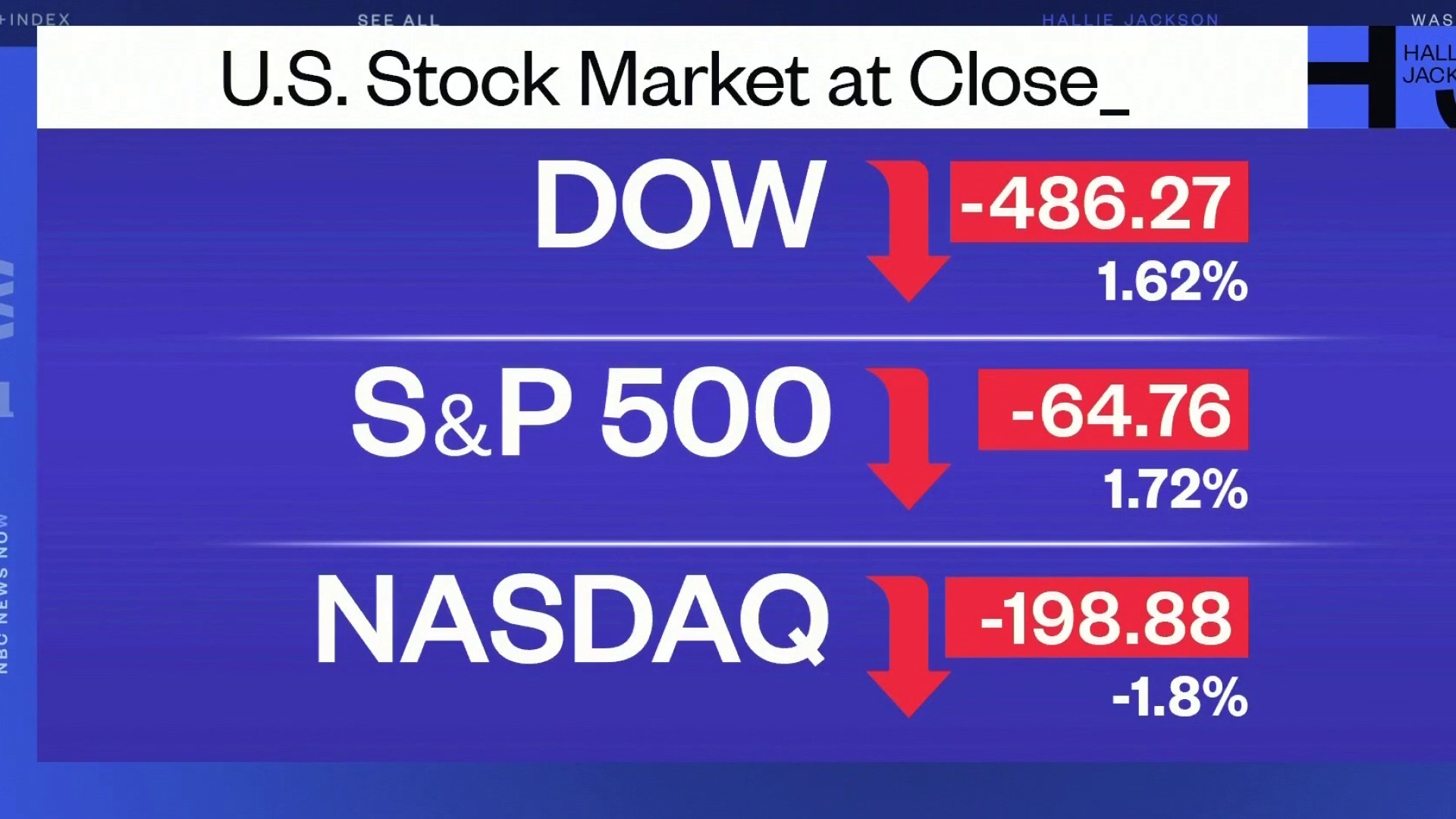
One of the most crucial distinctions for investors is between the Dow’s short-term volatility and its long-term trends. Daily, weekly, or even monthly fluctuations in the Dow are common and are often driven by news cycles, speculative trading, or temporary shifts in sentiment. For long-term investors, focusing excessively on these short-term movements can be counterproductive, leading to emotional decisions like selling during dips or buying during peaks. Instead, a focus on the Dow’s longer-term trends – whether it’s an upward trajectory over years or a period of sustained decline – provides a more accurate picture of fundamental economic and corporate health. Historically, despite numerous corrections and bear markets, the Dow has shown a consistent upward bias over extended periods, reflecting the general growth of the U.S. economy and corporate innovation.
Diversification Beyond the Dow
While the Dow represents established, influential companies, a sound investment strategy always emphasizes diversification beyond just these 30 stocks. Relying solely on the Dow, either by directly investing in all its components or through an index fund tracking it, can still leave a portfolio vulnerable to sector-specific downturns or issues affecting one of its dominant components. A truly diversified portfolio would include investments across various market capitalizations (small-cap, mid-cap, large-cap), different sectors, international markets, and other asset classes like bonds, real estate, and commodities. This broader approach helps to mitigate risk, smooth out returns, and capture growth opportunities from a wider range of sources than the Dow alone can offer, aligning with the principle that one should not put all their eggs in one basket.
Utilizing Dow-Related Financial Products
For investors who wish to gain exposure to the performance of the Dow Jones Industrial Average without purchasing each individual stock, several financial products are available. The most common are Exchange Traded Funds (ETFs) and index mutual funds that track the DJIA. These funds typically hold shares of all 30 companies in the index in the appropriate proportions, offering investors a simple and cost-effective way to mirror the Dow’s performance. The SPDR Dow Jones Industrial Average ETF (DIA), often referred to as “Diamonds,” is a popular example. Investing in such products can be part of a diversified portfolio, providing exposure to large-cap U.S. equities with the advantage of professional management and inherent diversification across the 30 blue-chip companies. However, investors should always review the fund’s expense ratios and understand its exact tracking methodology before investing.
Economic Indicators and the Dow’s Forward Look
Understanding where the Dow Jones is “right now” is often a prelude to anticipating where it might go next. This forward-looking perspective requires careful consideration of various economic indicators and the broader global context. The Dow, as a leading indicator of market sentiment, often reacts to anticipated future events as much as it does to current data.
Key Economic Data Points to Monitor
For any investor or analyst keen on predicting the Dow’s direction, keeping an eye on a suite of economic data points is crucial. Inflation data, measured by the Consumer Price Index (CPI) and Producer Price Index (PPI), reveals the pace of price increases, which can impact corporate profitability and consumer spending. Unemployment rates and other labor market indicators (e.g., jobless claims, wage growth) signal the health of the job market and consumer purchasing power. Gross Domestic Product (GDP) figures indicate the overall economic output and growth. Consumer sentiment surveys provide insights into how confident consumers feel about the economy and their financial future, directly influencing spending patterns. Monitoring these and other indicators such as manufacturing data (PMI), housing starts, and retail sales allows investors to build a comprehensive picture of economic strength or weakness, which directly correlates with the Dow’s trajectory.
Central Bank Policies and Their Influence
Central banks, most notably the U.S. Federal Reserve, wield immense power over financial markets, including the Dow Jones. Their decisions regarding interest rates are particularly impactful. When the Fed raises interest rates, it generally makes borrowing more expensive, which can slow down economic growth, dampen corporate investment, and reduce consumer spending. This often leads to a cooling effect on the stock market, including the Dow. Conversely, lowering interest rates can stimulate economic activity and boost market sentiment. Beyond interest rates, central bank actions like quantitative easing (QE), where they purchase government bonds to inject liquidity into the financial system, or quantitative tightening (QT), where they reduce their balance sheet, also have profound effects on market liquidity, investor risk appetite, and ultimately, the valuation of companies within the Dow. Understanding the Fed’s stance and anticipating its next moves is a cornerstone of financial analysis for Dow investors.
Global Events and Geopolitical Risk
In an increasingly interconnected world, global events and geopolitical risks frequently ripple through financial markets, often impacting the Dow Jones. International trade policies and trade wars can disrupt supply chains, increase costs for multinational corporations, and affect their profitability. Geopolitical conflicts or significant political instability in key regions can create uncertainty, drive up commodity prices (like oil), and trigger flights to safety, leading to stock market volatility. For instance, disruptions in oil-producing regions can directly impact the energy sector within the Dow and indirectly affect all companies through increased operational costs. Similarly, major policy shifts or economic slowdowns in large economies like China or Europe can have spillover effects on U.S. multinational corporations, influencing their earnings and, consequently, the Dow’s performance. Staying informed about global developments is therefore an integral part of understanding the Dow’s potential future movements.
Making Informed Decisions in a Dynamic Market
The constant ebb and flow of the Dow Jones Industrial Average underscore the dynamic nature of financial markets. For individuals navigating this landscape, the ultimate goal is to make informed decisions that align with their personal financial goals and risk tolerance, rather than simply reacting to every headline.
The Importance of Research and Due Diligence
While headlines will always trumpet the Dow’s latest gain or loss, savvy investors understand that these surface-level numbers are just the beginning. Comprehensive research and due diligence are paramount. This involves delving into the financial health of the Dow’s constituent companies, understanding their business models, competitive advantages, and growth prospects. It also means analyzing economic reports to gauge the broader environment, understanding sector-specific trends, and assessing how various macroeconomic and geopolitical factors could genuinely impact corporate earnings and future valuations. Beyond just reading news, it requires critically evaluating sources, understanding financial statements, and forming independent conclusions based on data, rather than emotional responses or herd mentality.
Consulting Financial Professionals
For many, the complexity of dissecting market movements and crafting a robust investment strategy can be overwhelming. This is where the expertise of financial professionals becomes invaluable. A qualified financial advisor can help individuals assess their risk tolerance, define their long-term financial goals, construct a diversified portfolio that extends beyond just the Dow, and provide guidance on when and how to adjust strategy in response to market changes. They offer an objective perspective, helping to filter out market noise and prevent impulsive decisions driven by short-term volatility. Engaging with a professional ensures that investment decisions are not just reactions to where the Dow is “right now,” but are instead part of a well-considered, personalized plan designed for sustained financial growth and security.
Maintaining a Long-Term Perspective
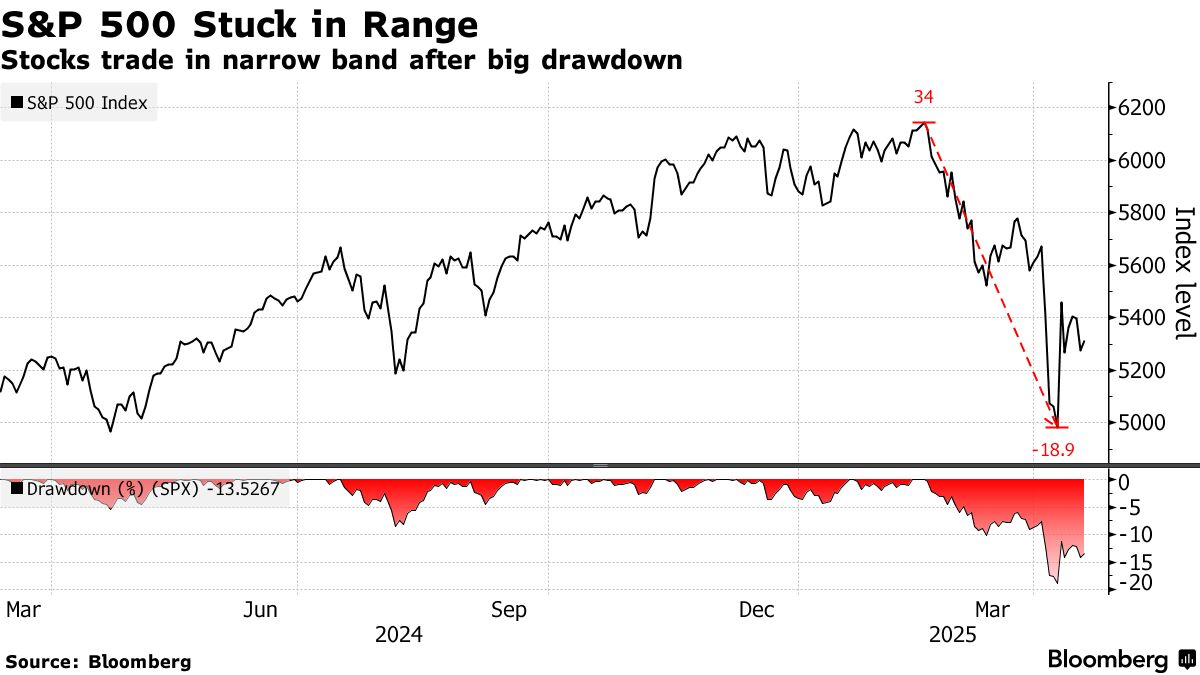
Perhaps the most crucial advice for any investor following the Dow Jones is to maintain a long-term perspective. Financial markets are cyclical; periods of growth are inevitably followed by corrections, and downturns eventually give way to recoveries. Focusing on the daily gyrations of the Dow can lead to anxiety and poor decision-making. Instead, investors should cultivate patience, discipline, and a commitment to their long-term investment horizon. Historically, those who have stayed invested through various market cycles have often been rewarded. The Dow Jones, over its long history, has demonstrated a remarkable capacity for resilience and growth, reflecting the innovative spirit and economic power of the companies it represents. By understanding its context, the forces that shape it, and aligning it with a patient, diversified strategy, investors can leverage the insights from the Dow to build lasting financial well-being, rather than being swept up in the immediate moment.
aViewFromTheCave is a participant in the Amazon Services LLC Associates Program, an affiliate advertising program designed to provide a means for sites to earn advertising fees by advertising and linking to Amazon.com. Amazon, the Amazon logo, AmazonSupply, and the AmazonSupply logo are trademarks of Amazon.com, Inc. or its affiliates. As an Amazon Associate we earn affiliate commissions from qualifying purchases.