
When a consumer types the query “where is the closest Texas Roadhouse” into a search engine, they are not merely looking for a set of GPS coordinates or a street address. They are expressing a desire for a specific, curated brand experience—one defined by hand-cut steaks, fresh-baked rolls, and a high-energy atmosphere. From a brand strategy perspective, the answer to “where” is less about geography and more about how Texas Roadhouse has masterfully positioned its physical footprint to become a ubiquitous symbol of American casual dining.
The ability for a brand to be “the closest” choice in a crowded marketplace is the result of a rigorous, decades-long strategy that balances rapid expansion with unwavering brand consistency. Texas Roadhouse has managed to grow into a multi-billion dollar entity without losing the “neighborhood” feel that makes it a destination. This success is built upon a foundation of site selection, digital visibility, and a physical identity so strong that the restaurant itself acts as its own most effective marketing tool.
The Power of Proximity: Why “Closest” Matters for Brand Loyalty
In the modern hospitality landscape, convenience is a primary driver of consumer behavior. However, for Texas Roadhouse, proximity serves a deeper strategic purpose than mere convenience. By strategically placing locations in high-traffic suburban hubs, the brand ensures it remains top-of-mind for its primary demographic: families and value-conscious diners.
The Psychology of the Neighborhood Anchor
Texas Roadhouse positions itself as a “neighborhood” restaurant, even as it scales to over 600 locations. This is achieved through a localized branding strategy. When a new location opens, it isn’t just another corporate outlet; it is marketed as a local community hub. By being the “closest” steakhouse to residential clusters, the brand embeds itself into the weekly routines of its customers. This proximity fosters a sense of ownership among locals, who view their “closest” Texas Roadhouse as their specific branch, rather than a generic link in a global chain.
Reducing Friction in the Customer Journey
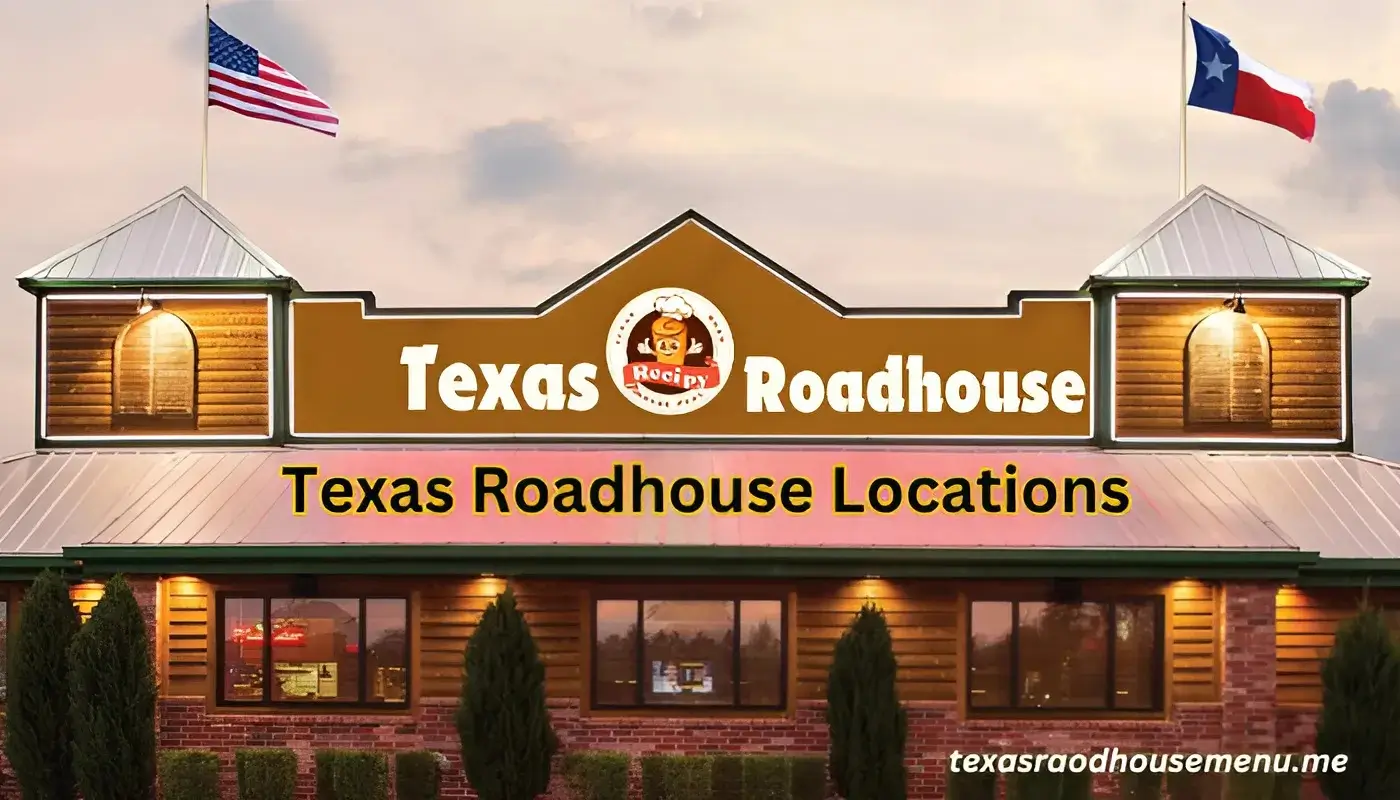
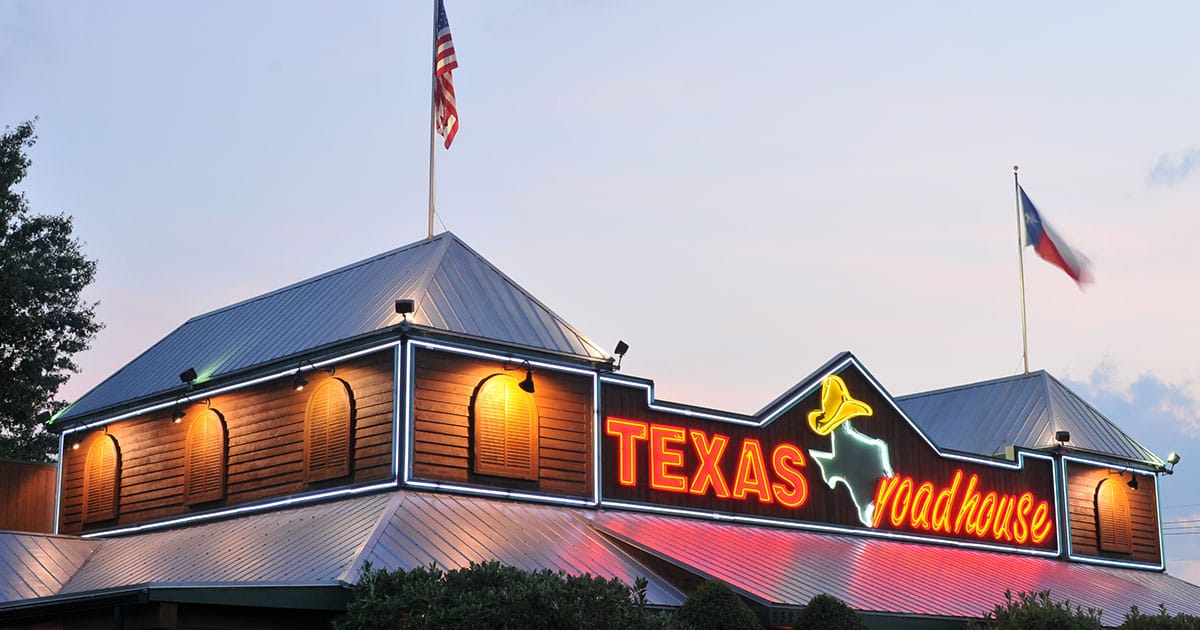
Brand strategy is often about removing friction. When a consumer asks for the closest location, they are at the bottom of the marketing funnel—they have the intent to purchase and are simply looking for the point of entry. Texas Roadhouse facilitates this by ensuring its physical presence is impossible to miss. The distinctive architecture, often featuring cedar siding and neon signage, serves as a beacon. This visual “findability” reduces the mental load on the consumer, making the brand the path of least resistance when the desire for a steakhouse experience arises.
Maintaining Brand Consistency at Scale
One of the greatest risks in a “closest to you” expansion strategy is the dilution of the brand experience. If the “closest” Texas Roadhouse in Ohio feels significantly different from the one in Florida, the brand promise is broken. Texas Roadhouse has mitigated this through a “Legendary” standards framework that ensures every mile of their geographic spread is covered by a uniform identity.
The Five-Senses Branding Model
Texas Roadhouse employs a sensory branding strategy that is identical across every location. Whether you are in a small town or a major metropolitan suburb, the brand experience begins before you even sit down. The smell of fresh yeast rolls, the sight of the hand-cut meat display, the sound of jukebox music and occasional line dancing, and the tactile experience of peanut shells on the floor—these are non-negotiables. By maintaining these standards, the brand ensures that “the closest location” is always “the right location.”
The Managing Partner Program
A unique pillar of the Texas Roadhouse brand strategy is its Managing Partner program. Each location is led by a partner who has a vested financial interest in that specific restaurant. This creates a culture of local accountability. While the brand provides the blueprint, the local partner provides the soul. This ensures that while the aesthetics and menu are consistent, the service feels personalized and community-focused. It is a brilliant way to scale a brand while maintaining the intimacy of a local business.
The Digital Footprint: Dominating Local Search and “Near Me” Branding
In the digital age, being “the closest” is determined by algorithms as much as by physical distance. Texas Roadhouse has invested heavily in digital brand strategy to ensure that when a user searches for a restaurant, they are the first result.
Mastering “Near Me” SEO
Local SEO (Search Engine Optimization) is the digital equivalent of a prime real estate corner. Texas Roadhouse optimizes its digital presence through robust Google Business Profiles and localized landing pages for every single restaurant. These pages are not just directories; they are brand touchpoints that offer menus, waitlist integration, and local promotions. By dominating the “steakhouse near me” search category, Texas Roadhouse captures high-intent traffic and converts digital searches into physical foot traffic.
The Role of the Mobile App and “The Roadie Club”
The Texas Roadhouse mobile app is a critical tool in its proximity strategy. By incentivizing downloads through “The Roadie Club,” the brand gains a permanent spot on the consumer’s smartphone. The app uses geolocation to automatically identify the closest restaurant, provide real-time wait times, and allow for remote check-ins. This digital integration makes the “closest” location feel even more accessible, as the consumer can interact with the brand long before they arrive at the parking lot.
Physical Real Estate as a Brand Asset
For Texas Roadhouse, the building itself is a cornerstone of the brand’s marketing strategy. Unlike some competitors that may lease space in shopping malls or nondescript plazas, Texas Roadhouse typically favors freestanding buildings that conform to a specific architectural identity.
The Billboard Effect
A freestanding Texas Roadhouse acts as a permanent billboard. The brand’s strategy involves selecting sites with high visibility from major highways or arterial roads. This ensures that even when consumers aren’t actively looking for the closest restaurant, they are being subconsciously reminded of the brand’s presence. This constant visibility reinforces the brand’s dominance in the local market, making it the default choice when the “where should we eat?” conversation occurs.
Demographic Mapping and Site Selection
The brand’s expansion is not accidental; it is data-driven. Texas Roadhouse targets “middle-market” America—areas with high concentrations of families and a specific income bracket that aligns with their value-based pricing. Their site selection team looks for “power centers”—clusters of retail that draw a consistent flow of traffic. By placing themselves in the heart of these retail ecosystems, they ensure they are the most convenient dining option for consumers who are already out shopping or running errands.
Community Engagement and the Hyper-Local Brand
To truly be the “closest” restaurant in the hearts of consumers, a brand must do more than just exist in a location; it must participate in it. Texas Roadhouse excels at hyper-local branding, which transforms a national chain into a local institution.
Localized Marketing and Sponsorships
Each Texas Roadhouse location is empowered to engage in local marketing. This includes sponsoring little league teams, participating in school fundraisers, and hosting “spirit nights.” When a brand supports the local community, it builds emotional equity. This equity makes the brand the “closest” choice in terms of emotional resonance. A consumer is more likely to drive past a competitor to get to a Texas Roadhouse that supported their child’s sports team.
The “Legendary” Service Culture
The brand’s focus on “Legendary Food, Legendary Service” is a strategic differentiator. In the casual dining sector, service can often be transactional. Texas Roadhouse trains its staff to provide high-energy, friendly service that reflects the “Roadhouse” persona. This cultural branding ensures that the physical proximity of the restaurant is matched by a welcoming atmosphere. It creates a “home away from home” feeling that is essential for long-term brand loyalty.
Conclusion: The Future of the Texas Roadhouse Brand Footprint
As Texas Roadhouse continues to expand, the question of “where is the closest restaurant” will become increasingly easy to answer. However, the brand’s true challenge—and its greatest opportunity—lies in maintaining the quality of that answer. Through a combination of strategic real estate acquisition, digital dominance, and an uncompromising commitment to brand consistency, Texas Roadhouse has redefined what it means to be a national chain.
By focusing on the “neighborhood” feel and leveraging the power of proximity, they have created a brand that is both accessible and aspirational. Whether a consumer is looking for a quick meal via their mobile app or a full-sensory dining experience at a physical location, Texas Roadhouse has positioned itself as the definitive answer. Their brand strategy proves that when you provide consistent value and a memorable experience, you aren’t just the closest restaurant on the map—you are the first choice in the consumer’s mind.
aViewFromTheCave is a participant in the Amazon Services LLC Associates Program, an affiliate advertising program designed to provide a means for sites to earn advertising fees by advertising and linking to Amazon.com. Amazon, the Amazon logo, AmazonSupply, and the AmazonSupply logo are trademarks of Amazon.com, Inc. or its affiliates. As an Amazon Associate we earn affiliate commissions from qualifying purchases.