
In the hyper-competitive landscape of the global cruise industry, a brand is more than just a logo on a funnel or a catchy slogan in a television commercial. It is a promise of an experience, a commitment to a specific lifestyle, and a repository of consumer trust. When we ask “where is the Carnival Magic now,” we are not merely inquiring about a geographic coordinate on a nautical chart. Instead, we are examining the current state of one of the most significant assets in the Carnival Cruise Line portfolio and what its evolution reveals about the broader brand strategy of the world’s largest leisure travel company.
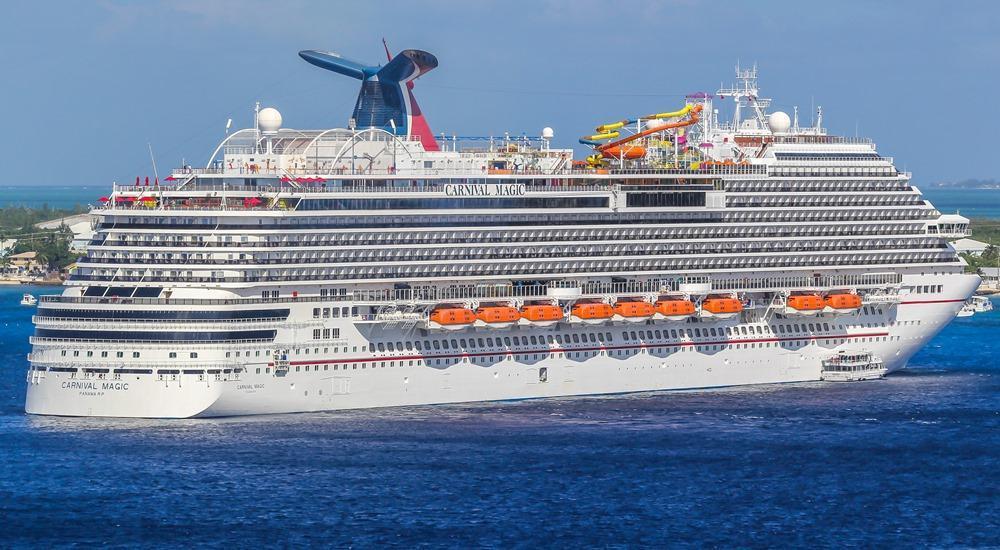
The Carnival Magic, the second of the Dream-class vessels, has become a bellwether for the brand’s ability to modernize, adapt, and maintain its “Fun Ship” identity in an era defined by shifting consumer expectations and a renewed focus on corporate identity.
The Evolution of Experience: Maintaining Brand Consistency at Sea
For a brand like Carnival, consistency is the bedrock of loyalty. The “Magic” in the vessel’s name represents a specific brand promise: an escape from the mundane into a world of curated excitement. However, the definition of “magic” in the travel sector has undergone a radical transformation over the last decade.
The Psychology of the “Magic” Brand Promise
Branding is essentially the management of expectations. When a guest books a trip on the Carnival Magic, they are purchasing a predetermined emotional outcome. Historically, Carnival built its brand on the “Fun Ship” persona—a high-energy, accessible, and populist approach to cruising. Today, the Carnival Magic finds itself at the intersection of this legacy and a new, more sophisticated brand narrative.
The brand strategy now focuses on “inclusive fun.” It is no longer enough to offer a generic party atmosphere; the brand must provide micro-experiences that cater to diverse demographics—from multi-generational families to solo travelers. The “Magic” is now located in the brand’s ability to segment its offerings within a single physical space without diluting its core identity. By integrating branded partnerships like Guy Fieri’s Burger Joint or the RedFrog Pub, Carnival uses external brand equity to reinforce its own, creating a layered experience that feels both familiar and premium.
Navigating the Shift from Commodity to Luxury Identity
One of the greatest challenges for any established brand is avoiding the “commodity trap”—where the service is seen as interchangeable with competitors. To combat this, the Carnival Magic has undergone significant aesthetic and structural updates. These are not merely maintenance tasks; they are strategic brand repositioning efforts.
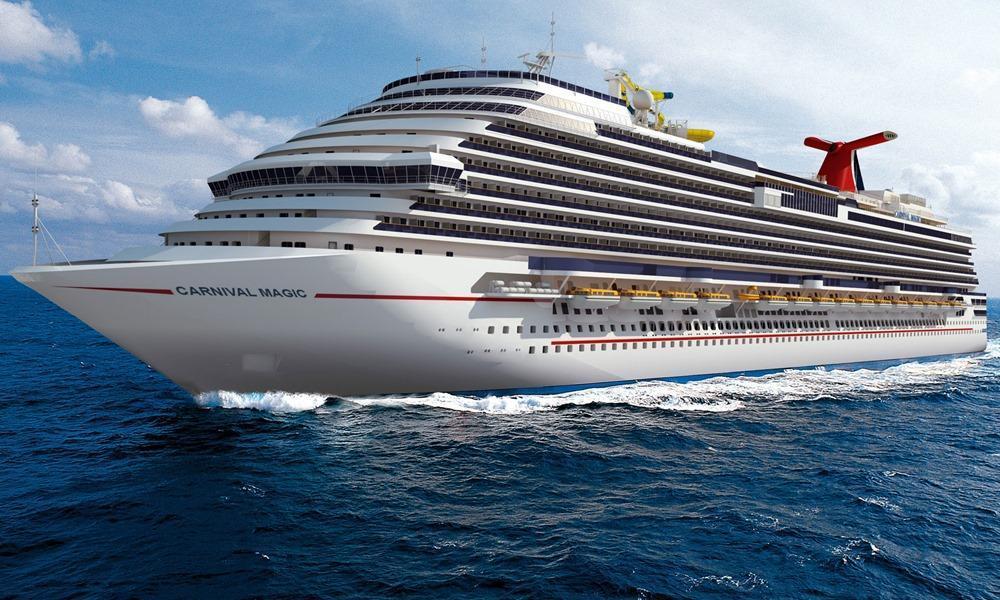
The introduction of the “Excel-class” features on older ships is a clear move to harmonize the fleet’s identity. When the Carnival Magic received its new hull livery—the signature navy blue, white, and red design—it was a visual signal of brand alignment. This design language aligns the older fleet members with the newer flagship vessels like the Mardi Gras and the Carnival Celebration. It tells the consumer that regardless of the ship’s age, the brand standards remain flagship-level.
Strategic Rebranding in the Modern Travel Landscape
The current location of the Carnival Magic in the market is defined by its role as a “stabilizer” for the brand. While new ships grab headlines for their scale, ships like the Magic do the heavy lifting of sustaining brand frequency and geographical reach.
Visual Identity and the Blue-and-White Livery
In marketing, visual cues are the fastest way to communicate change. The decision to repaint the Carnival Magic was a masterstroke in corporate identity management. The traditional all-white hull had become synonymous with a previous era of cruising. The move to the navy blue hull is a strategic pivot toward a more “nautical-chic” aesthetic.
This change serves two purposes. First, it creates a sense of freshness and modernization without the multi-billion-dollar price tag of a new build. Second, it creates a “halo effect” across the fleet. When a traveler sees the Carnival Magic in port alongside a newer vessel, the shared livery creates a unified brand front, suggesting that the “Magic” is an integral, contemporary part of the modern fleet, not a relic of the past.
Brand Storytelling Through Onboard Amenities
The brand strategy for Carnival Magic revolves around storytelling. Every renovation is a chapter in that story. For example, the implementation of the “Cloud 9 Spa” and specialized stateroom categories represents a move toward lifestyle branding.

Carnival is no longer just selling a cabin; they are selling a “wellness experience” or a “family harbor.” This shift toward niche-branding within the ship allows Carnival to capture higher yields from specific market segments while maintaining the broad appeal of the overall brand. The “Magic” is currently positioned as a versatile platform that can deliver a wide array of brand stories simultaneously, proving that a well-managed brand can be many things to many people without losing its soul.
Managing Reputation and Corporate Identity Post-Disruption
The travel industry has faced unprecedented challenges over the last few years, and the Carnival brand has had to navigate a complex landscape of public perception. Where the Carnival Magic is “now” in terms of reputation is a testament to the brand’s resilience and crisis management strategies.
Crisis Communication as a Brand Preservation Tool
Brand equity is often measured by how a company recovers from adversity. Carnival has invested heavily in “humanizing” its brand. The Carnival Magic, often featured in social media campaigns and direct-to-consumer communications, has been used as a vehicle to showcase the brand’s commitment to safety, health, and environmental stewardship.
The brand has moved away from purely transactional marketing—”Buy this cruise for $499″—to more emotional, value-driven storytelling. By highlighting the crew (the “Heart of the Operation”), the brand shifts the focus from the corporate entity to the human connection. This strategy builds a “reputational reservoir” that protects the brand during times of industry-wide scrutiny.
Sustainability: The New Pillar of Cruise Branding
The identity of any modern brand is now inextricably linked to its Environmental, Social, and Governance (ESG) performance. For the Carnival Magic, this means its “location” in the brand hierarchy is increasingly defined by its efficiency.
Updating older ships with energy-saving technologies and waste-reduction systems is not just an operational necessity; it is a brand requirement. Today’s consumer, particularly the younger demographic that Carnival is keen to attract, views brand ethics as a primary purchasing driver. The Carnival Magic serves as a case study in how a brand can retrofit its legacy assets to meet modern ethical standards, thereby future-proofing its identity.
The Future of the “Magic” Brand: Personalization and Digital Integration
As we look at where the Carnival Magic is heading, the focus is clearly on the digital transformation of the brand experience. The integration of the OceanMedallion technology across the fleet (and its equivalents) represents the next frontier of branding: hyper-personalization.
Leveraging Brand Loyalty Programs
The “VIFP” (Very Important Fun Person) Club is central to the Carnival Magic’s brand strategy. By using data analytics to understand guest preferences on the Magic, Carnival can tailor its marketing efforts with surgical precision. The “Magic” of the future is a brand that remembers your name, your favorite cocktail, and your preferred dining time.
This level of personalization turns a mass-market product into a bespoke experience. It fosters a level of brand advocacy that is impossible to achieve through traditional advertising. When guests feel “known” by a brand, their loyalty transcends price points and itineraries.
Humanizing the Brand: The Staff as Brand Ambassadors
Finally, the brand of the Carnival Magic is carried by its people. In the service industry, employees are the primary touchpoint for the brand. Carnival’s strategy of empowering its crew to be “personalities” rather than just staff members has been a key differentiator.
The “Magic” is currently in a state of constant renewal, driven by a brand strategy that values heritage while aggressively pursuing modernization. It stands as a symbol of how a legacy brand can remain relevant in a fast-paced digital world by focusing on the fundamentals: a clear visual identity, a consistent emotional promise, and a commitment to evolving with its audience.
In conclusion, “where the Carnival Magic is now” is at the forefront of a sophisticated brand evolution. It is no longer just a ship; it is a meticulously managed brand asset that demonstrates the power of visual alignment, strategic storytelling, and the humanization of corporate identity. As it continues its journey, its success will be measured not just in nautical miles, but in the enduring strength of the “Magic” it brings to the Carnival name.
aViewFromTheCave is a participant in the Amazon Services LLC Associates Program, an affiliate advertising program designed to provide a means for sites to earn advertising fees by advertising and linking to Amazon.com. Amazon, the Amazon logo, AmazonSupply, and the AmazonSupply logo are trademarks of Amazon.com, Inc. or its affiliates. As an Amazon Associate we earn affiliate commissions from qualifying purchases.