
Purchasing a used car is one of the most significant financial decisions many individuals will make, second only to buying a home. It’s an investment that impacts your daily life, your budget, and potentially your long-term financial health. The question, “Where is the best place to buy a used car?” isn’t just about location; it’s a multi-faceted inquiry into value, risk, convenience, and financial strategy. This article will navigate the diverse landscape of used car acquisition, exclusively through the lens of personal finance, equipping you with the knowledge to make an informed, economically sound choice.
Understanding Your Financial Readiness Before You Buy
Before you even begin browsing vehicles, the most crucial step is to meticulously assess your financial position. A car purchase, whether new or used, is a substantial commitment that extends far beyond the sticker price. Approaching this with a clear understanding of your budget and financial capabilities will prevent overspending, future financial strain, and buyer’s remorse.
Budgeting for Your Used Car Purchase
The golden rule of personal finance dictates that your car payment, if you have one, should not exceed 10-15% of your take-home pay. However, for a used car, a more holistic budget needs to encompass the down payment, registration fees, taxes, and insurance. Start by calculating exactly how much you can comfortably afford to spend upfront and what monthly payment, if any, fits within your existing financial obligations without sacrificing other essential goals like saving for retirement or an emergency fund. Remember, a larger down payment not only reduces your monthly payments but also minimizes the total interest paid over the life of the loan. Consider setting a maximum “all-in” price, including all associated fees, and stick to it rigorously.
Considering Long-Term Ownership Costs
The purchase price is merely the entry fee. True car ownership involves a continuous stream of expenses. Factor in the average annual cost of fuel, insurance premiums (which can vary significantly based on vehicle type, age, and your driving record), routine maintenance (oil changes, tire rotations), and potential repairs. Older used cars, while cheaper upfront, may incur higher repair costs. Researching the reliability ratings and typical maintenance schedules for specific makes and models can provide valuable insight into these future financial commitments. Ignoring these costs can quickly derail even the most carefully crafted budget, turning an initially good deal into a financial burden.
Securing Pre-Approved Financing
Unless you’re paying cash, securing pre-approved financing before you step foot on a dealership lot or contact a private seller gives you significant leverage. Approach your bank, credit union, or an online lender to understand the interest rates and terms you qualify for. This empowers you to negotiate the car price based on its actual value, rather than being swayed by attractive (but potentially misleading) monthly payment figures offered by a dealer. Pre-approval clarifies your maximum spending limit and solidifies your financial position, transforming you into a cash buyer in the eyes of the seller, which can lead to better deals.
Exploring Traditional Avenues for Used Car Purchases
The marketplace for used cars is diverse, offering various channels each with its own financial implications, benefits, and drawbacks. Understanding these distinctions is key to optimizing your investment.
Dealerships: Convenience vs. Cost
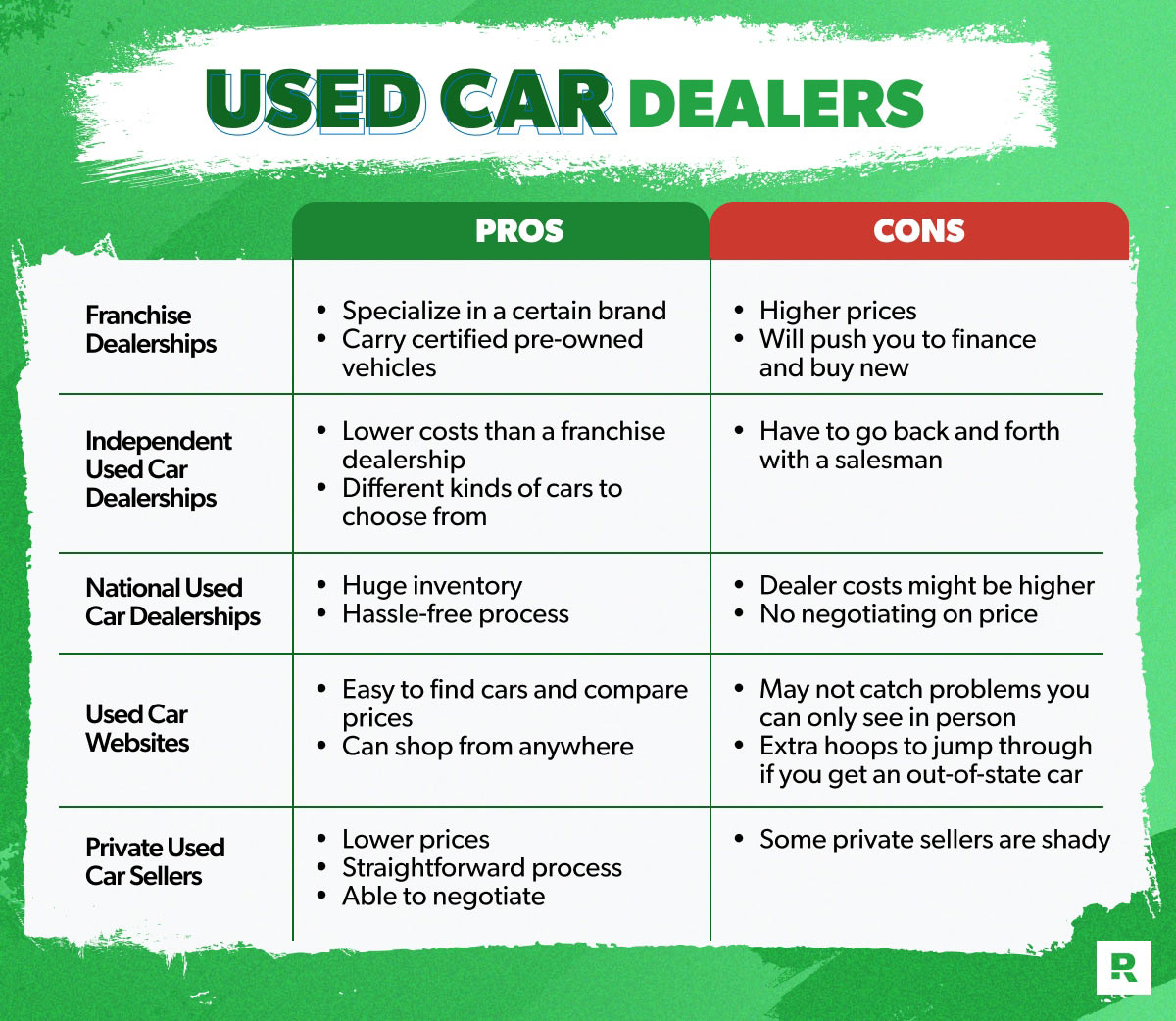
Franchise dealerships (selling specific brands) and independent used car lots represent a significant portion of the market.
- Benefits: Dealerships offer convenience, often providing a wide selection of vehicles, financing options (though often at higher rates than pre-approved loans), and sometimes warranties. Many vehicles undergo inspections and reconditioning, offering a certain level of peace of mind. Certified Pre-Owned (CPO) programs, exclusive to franchise dealerships, provide manufacturer-backed warranties and rigorous multi-point inspections, significantly reducing financial risk for buyers but typically come at a premium price.
- Drawbacks: The primary financial downside is cost. Dealerships have overheads (sales commissions, advertising, inventory costs) that are passed on to the buyer, resulting in higher prices compared to private sales. Negotiation is often necessary and can be challenging. Always scrutinize additional fees (documentation fees, preparation fees) that inflate the final price.
Private Sellers: Potential Savings and Pitfalls
Buying directly from an individual owner can be an excellent way to secure a better price, as there’s no middleman profit margin.
- Benefits: Private sales typically offer the lowest prices, providing the most bang for your buck. You can often get a more transparent history of the car from the actual owner and potentially a clearer picture of its quirks and maintenance. Negotiation can be more direct and less pressured.
- Drawbacks: The financial risk is significantly higher. Private sales are “as-is,” meaning there are no warranties or guarantees. This necessitates a thorough independent pre-purchase inspection (PPI) to uncover potential costly mechanical issues. Financing must be arranged independently, and title transfer and registration processes fall entirely on the buyer. Scams can also be a concern, requiring careful vigilance and due diligence.
Auctions and Wholesalers: High Risk, High Reward
For the financially savvy and mechanically inclined, auctions (public, dealer-only, government) and wholesale dealers can present opportunities for deep discounts.
- Benefits: Prices can be substantially lower than retail, often reflecting true market value or even below. This is particularly appealing for those looking to flip a car for profit or willing to undertake repairs themselves.
- Drawbacks: This avenue carries the highest financial risk. Vehicles are typically sold “as-is, where-is” with no opportunity for test drives or comprehensive inspections beforehand. Information about the vehicle’s history can be limited or non-existent. Without expert knowledge of car mechanics and market values, buyers can easily overpay for a problematic vehicle, leading to significant unexpected repair costs. This option is generally not recommended for the average consumer seeking a reliable daily driver without substantial mechanical aptitude or a strong risk tolerance.
Navigating Modern Online Marketplaces and Platforms
The digital age has revolutionized the used car market, introducing platforms that blend aspects of traditional buying with new levels of convenience and transparency, each with distinct financial implications.
Dedicated Online Car Retailers (e.g., Carvana, Vroom)
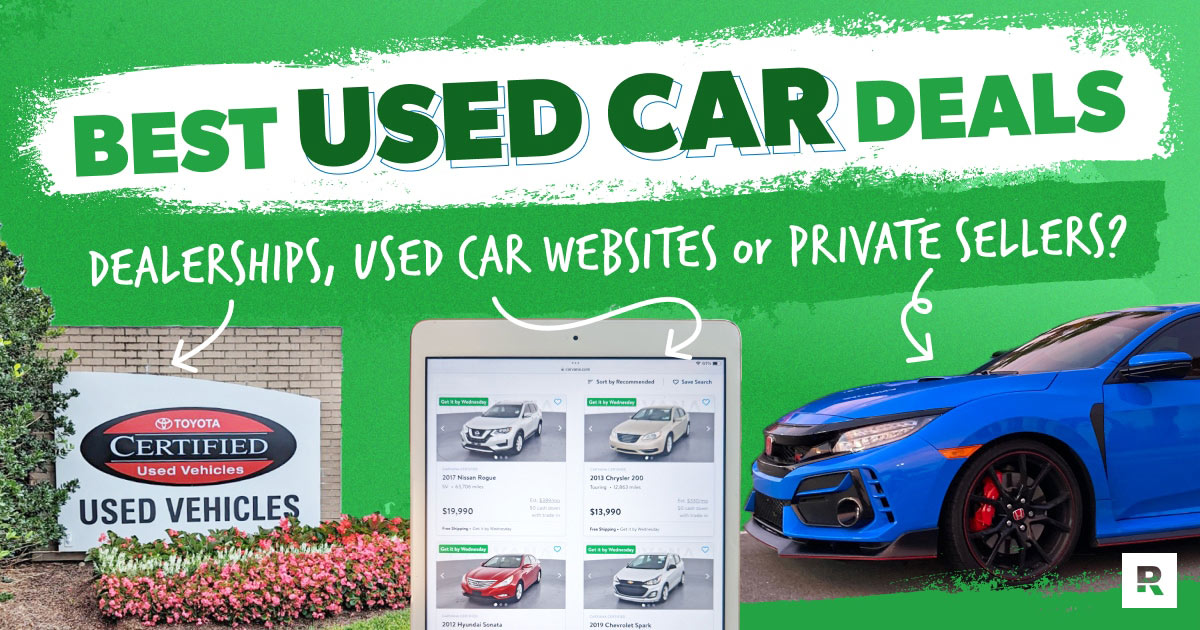
Companies like Carvana and Vroom have disrupted the market by offering entirely online car purchasing experiences, often including home delivery.
- Benefits: These platforms provide convenience, often competitive pricing (though not always the absolute lowest), and a transparent, no-haggle buying process. They typically offer a limited return policy (e.g., 7 days), reducing the financial risk of buying sight-unseen. Vehicles usually come with a clean title, basic reconditioning, and sometimes a limited warranty.
- Drawbacks: While convenient, these services might not always offer the absolute lowest prices compared to a well-negotiated private sale. The lack of a physical test drive beforehand can be a disadvantage, relying solely on provided photos and descriptions. Financing is offered, but comparing rates with external pre-approvals is crucial to ensure you get the best deal.
Aggregator Websites and Classifieds (e.g., Autotrader, Craigslist, Facebook Marketplace)
These platforms serve as digital bulletin boards, connecting buyers directly with both private sellers and dealerships.
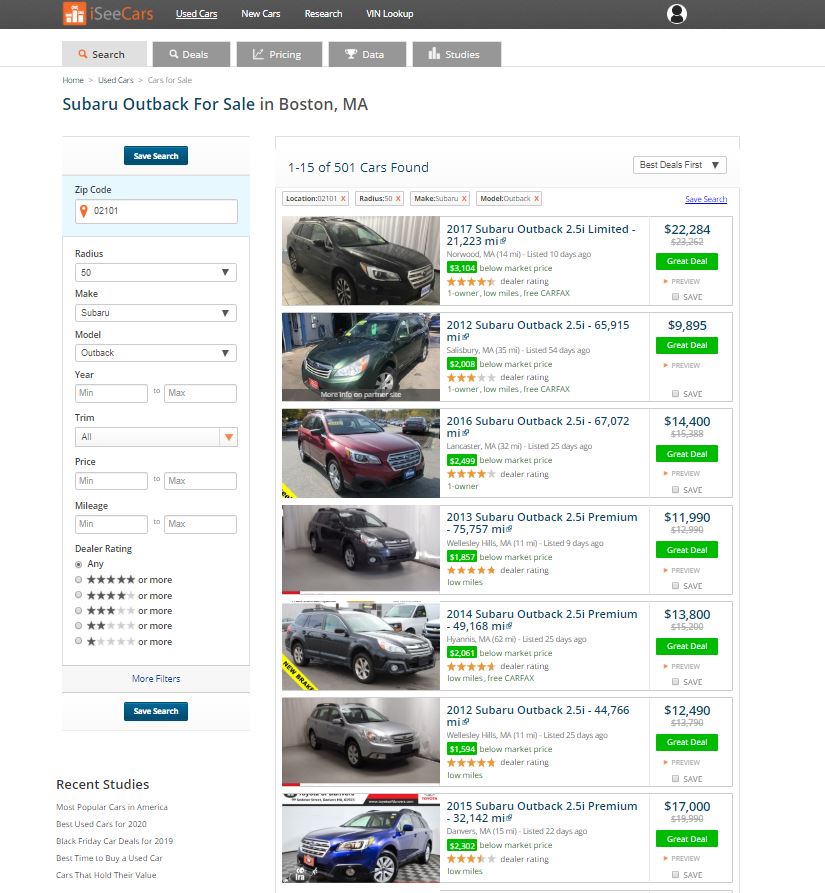
- Benefits: They offer the widest selection of vehicles from various sources, allowing for extensive comparison shopping to find the best value within your budget. Many provide tools to filter searches by price, mileage, year, and features, making it easier to pinpoint financially suitable options. Free listings (like Craigslist or Facebook Marketplace) can lead to direct private sale opportunities, which are often the most cost-effective.
- Drawbacks: Aggregator sites primarily list vehicles; they don’t vet sellers or vehicles beyond basic data. Financial due diligence (PPI, history reports) is entirely the buyer’s responsibility. These platforms also have a higher incidence of scams and require vigilance, especially when dealing with private sellers who may not be transparent about a vehicle’s condition or history.
Manufacturer Certified Pre-Owned (CPO) Programs
Available exclusively through franchised dealerships, CPO programs bridge the gap between new and used car purchases, offering enhanced financial security.
- Benefits: CPO vehicles undergo rigorous multi-point inspections and reconditioning to meet manufacturer standards. They come with extended factory warranties, often exceeding standard used car warranties, providing significant financial protection against unexpected repairs. Many CPO programs also include roadside assistance and other perks.
- Drawbacks: The peace of mind and extended warranty come at a premium. CPO vehicles are typically more expensive than non-CPO used cars of the same make and model. While they mitigate repair risks, the higher upfront cost must be weighed against your financial risk tolerance and budget.
Essential Financial Due Diligence for Every Buyer
Regardless of where you choose to buy, certain financial due diligence steps are non-negotiable to protect your investment and ensure you’re getting fair value.
Vehicle History Reports (CarFax, AutoCheck)
A vehicle history report is a critical financial tool. For a small fee, services like CarFax or AutoCheck can reveal invaluable information about a car’s past, including accident history, salvage titles, odometer fraud, service records, and previous ownership. Identifying a vehicle with a salvaged title, for example, signals significantly reduced market value and potential underlying structural issues, making it a high-risk financial proposition. Always insist on seeing an up-to-date report, or purchase one yourself using the Vehicle Identification Number (VIN).
Independent Pre-Purchase Inspections (PPI)
Even if a seller provides a glowing inspection report, a truly independent pre-purchase inspection (PPI) by a trusted, third-party mechanic is paramount. For a fee (typically $100-$200), a PPI can uncover existing mechanical problems, structural damage, or impending issues that could lead to thousands in repair costs down the line. This inspection serves as your financial safety net, either confirming the car’s soundness or providing leverage for price negotiation based on identified necessary repairs. Never skip this step, especially for private sales or vehicles without comprehensive warranties.
Negotiating the Best Price
Negotiation is where your financial savviness truly shines. Research market values extensively using resources like Kelley Blue Book (KBB), Edmunds, and NADAguides to understand the fair market price for the specific make, model, year, mileage, and condition of the car you’re interested in. Armed with your pre-approved financing, vehicle history report, and PPI findings, confidently present your offer. Be prepared to walk away if the price isn’t right or if the seller is unwilling to budge. Patience and a firm stance on your budget are your most powerful negotiating tools.
Protecting Your Investment: Warranties and Post-Purchase Considerations
Your financial responsibility doesn’t end when you drive off the lot. Smart buyers consider how to protect their investment against future costs.
Understanding Warranty Options
Warranties provide crucial financial protection against unexpected mechanical failures.
- Factory Warranty: If the used car is still relatively new, its original factory warranty might still be in effect and transferable.
- Dealer Warranty: Some dealerships offer their own limited warranties, but these vary widely in coverage and duration. Read the fine print carefully.
- Extended Service Contracts/Warranties: These third-party contracts can be purchased, but they often come with exclusions, deductibles, and limitations. Evaluate the cost-benefit analysis of an extended warranty against the car’s reliability history and your personal risk tolerance. Sometimes, simply having an adequate emergency fund is a more cost-effective “self-warranty.”
Insurance Implications and Coverage
Before finalizing any purchase, obtain insurance quotes for the specific vehicle you intend to buy. Insurance costs vary dramatically based on the car’s value, make, model, age, and your personal profile. A high-performance or luxury used car might come with an attractive price tag but could lead to disproportionately high insurance premiums, negating any perceived upfront savings. Ensure you understand the types of coverage available (liability, collision, comprehensive) and choose a policy that protects your financial interests adequately without being excessively expensive.
The Importance of a Maintenance Fund
Even the most reliable used car will require routine maintenance and, eventually, repairs. Proactive financial planning includes setting aside a dedicated “car maintenance fund.” A good rule of thumb is to budget approximately $500-$1,000 annually for maintenance and minor repairs. This fund will absorb the shock of unexpected costs, preventing you from dipping into emergency savings or, worse, accumulating high-interest debt when a repair is needed. Regular maintenance not only prolongs the life of your vehicle but also helps retain its resale value, protecting your initial investment.
In conclusion, “the best place to buy a used car” is not a single location but rather a process. It’s a journey rooted in diligent financial planning, thorough research, astute negotiation, and an understanding of the inherent risks and rewards of each purchasing channel. By prioritizing your budget, conducting comprehensive financial due diligence, and planning for long-term ownership costs, you can transform the complex task of buying a used car into a financially empowering and successful endeavor.
aViewFromTheCave is a participant in the Amazon Services LLC Associates Program, an affiliate advertising program designed to provide a means for sites to earn advertising fees by advertising and linking to Amazon.com. Amazon, the Amazon logo, AmazonSupply, and the AmazonSupply logo are trademarks of Amazon.com, Inc. or its affiliates. As an Amazon Associate we earn affiliate commissions from qualifying purchases.